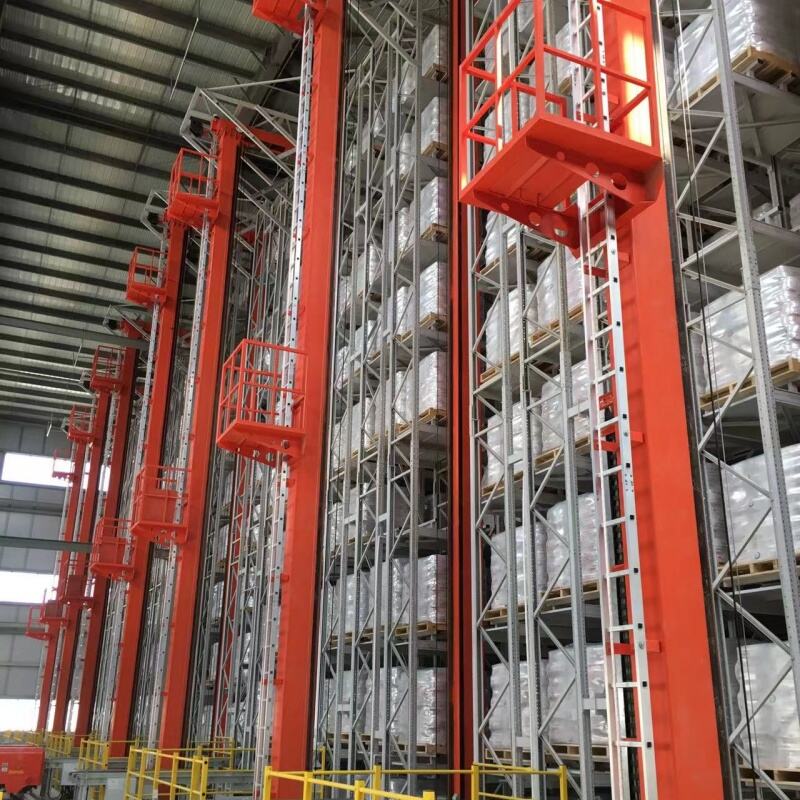
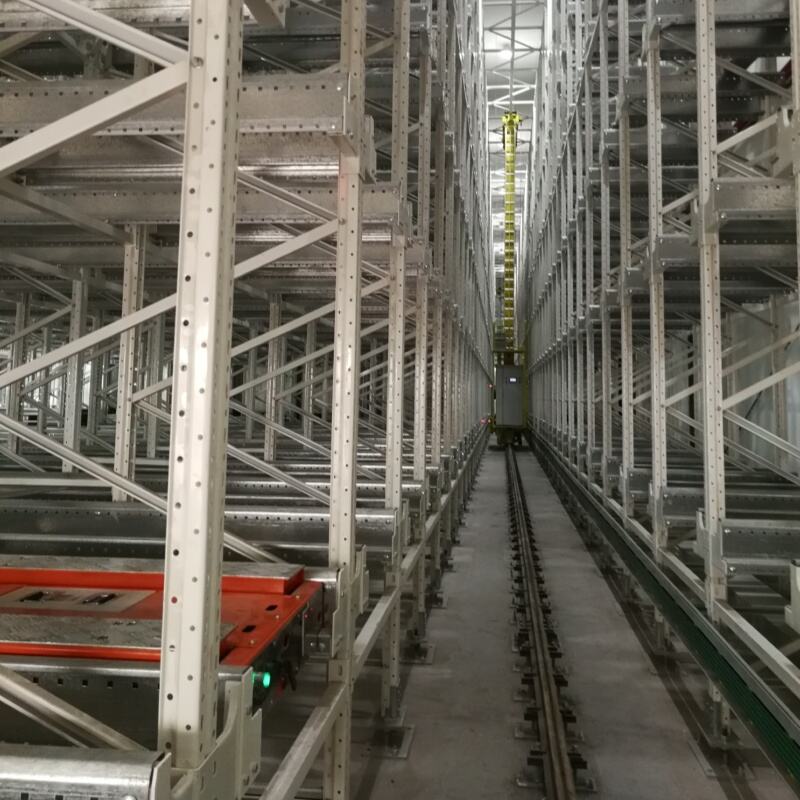
ប្រព័ន្ធប៉ាត់សម្ភារៈសម្រាប់ផ្ទុកក្នុងរោងស្តុក
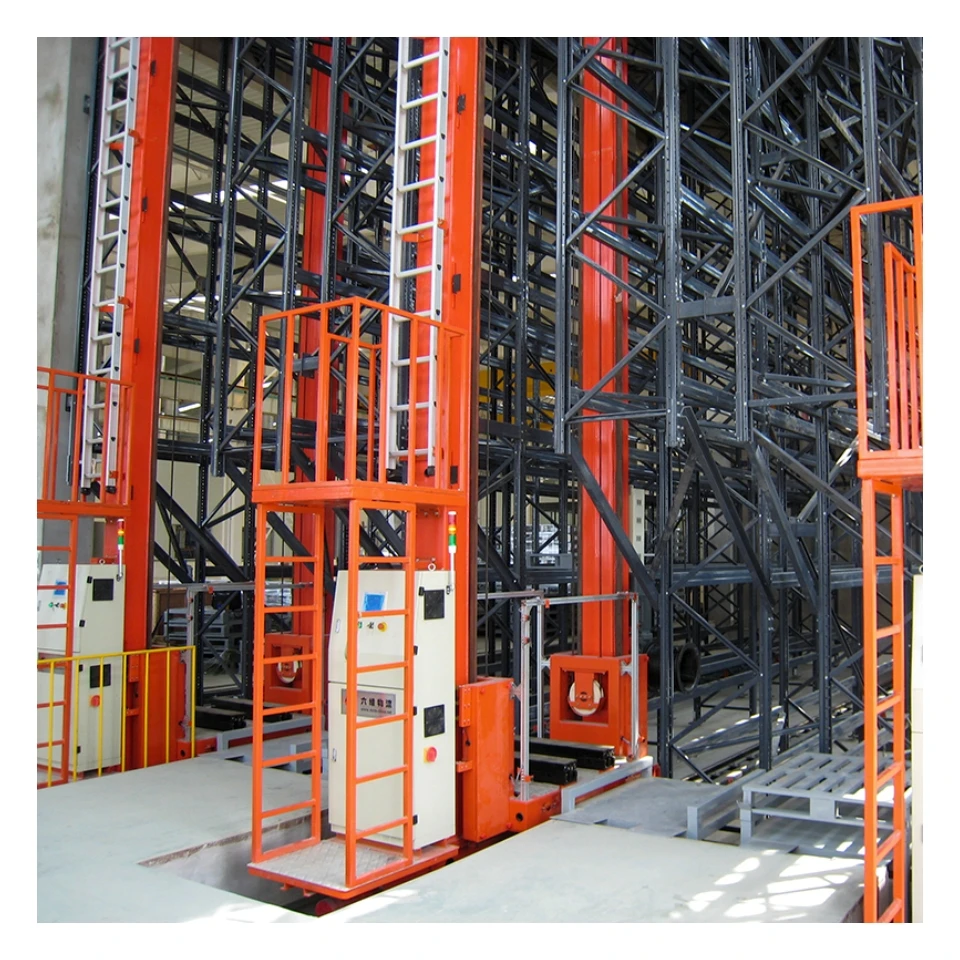
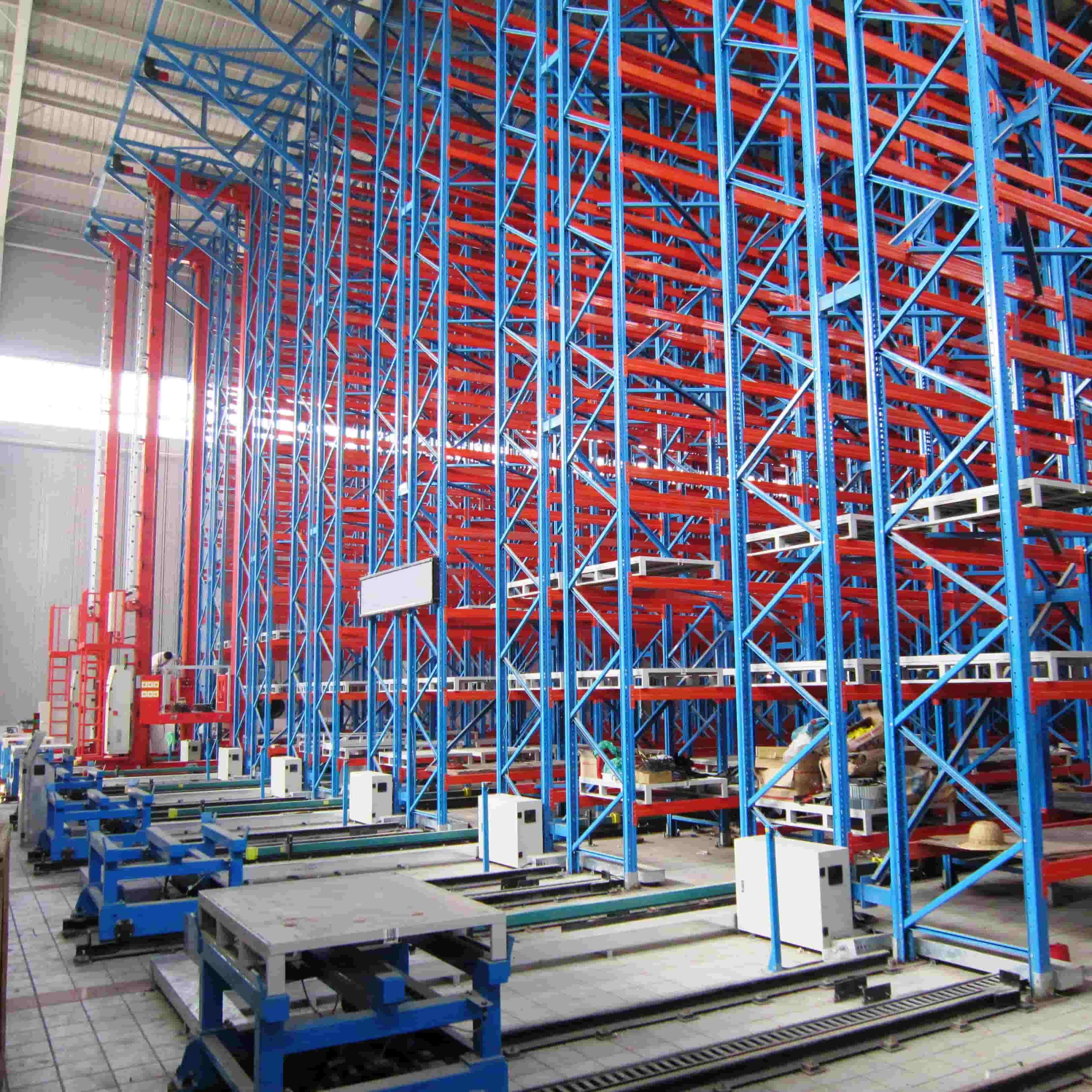
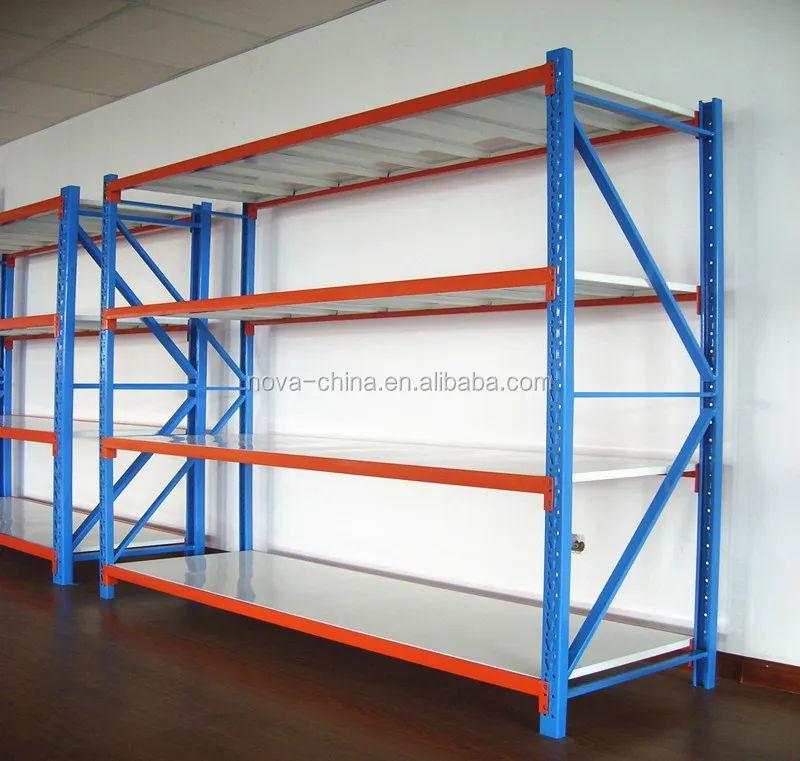
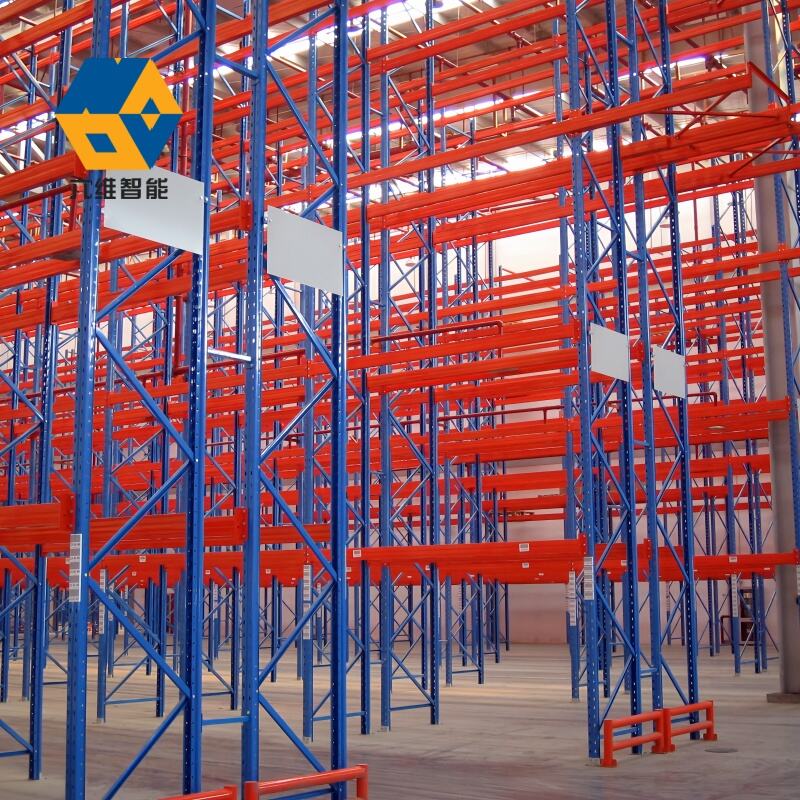
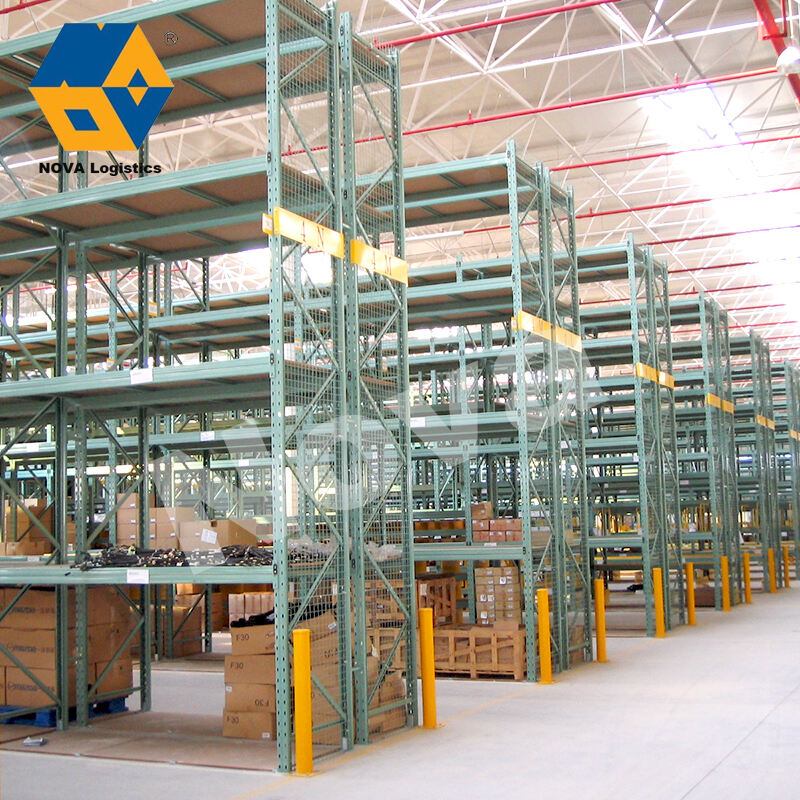
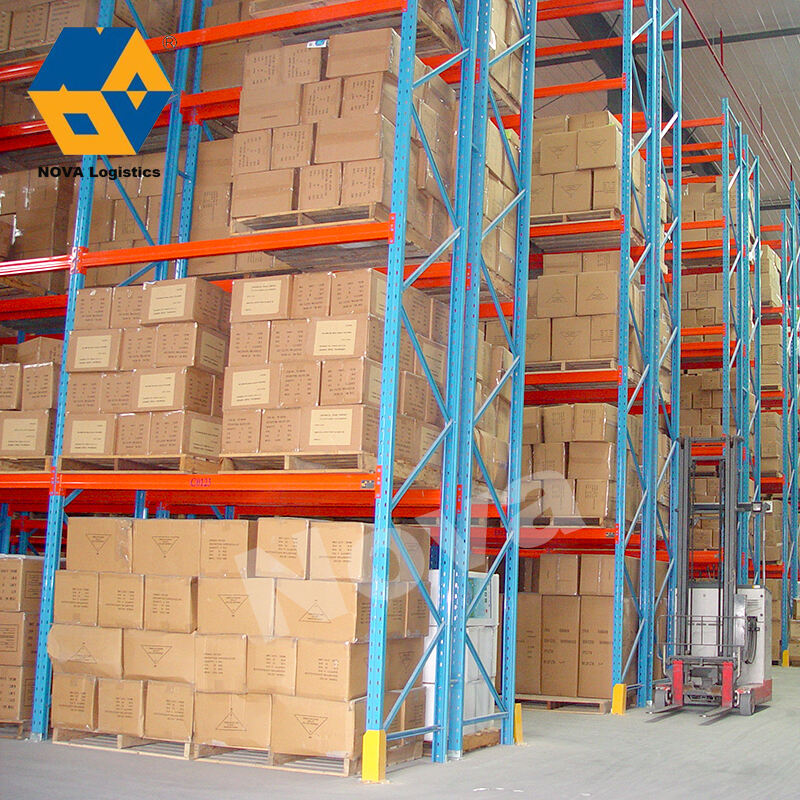
ប្រព័ន្ធប្រអប់ផ្ទុកក្នុងសារធាតុគឺជាសមាសភាគមូលដែលមានសារៈសំខាន់ប៉ុណ្ណោះ ដែលត្រូវបានរចនាឡើងដើម្បីប្រើប្រាស់ទំហំបញ្ឈរឱ្យបានអតិបរមា និងរៀបចំស្តុកឱ្យមានប្រសិទ្ធិភាពនៅក្នុងមជ្ឈមណ្ឌលចែកចាយ ស្ថានីយ៍ផលិតកម្ម និងសារធាតុពាណិជ្ជកម្ម។ ដំណោះស្រាយសរុបនេះរួមបាននូវរចនាសម្ព័ន្ធផ្សេងៗគ្នា រួមទាំងប្រអប់ផ្ទុកប៉ាឡេតប្រភេទជ្រើសរើស ប្រព័ន្ធដែលអាចបើកចូលបានពីខាងមុខ មេកានិកប៉ុស្សប៉ាក់ និងរចនាសម្ព័ន្ធប្រអប់ផ្ទុកប្រភេទកាន្តេលៀវ ដែលនីមួយៗត្រូវបានរចនាឡើងដើម្បីឆ្លើយតបទៅនឹងតម្រូវការផ្ទុកជាក់លាក់ និងលំហូរការងារប្រតិបត្តិការ។ មុខងារសំខាន់ៗរបស់ប្រព័ន្ធប្រអប់ផ្ទុកក្នុងសារធាតុមិនមែនគ្រាន់តែដាក់ផលិតផលប៉ុណ្ណោះទេ ប៉ុន្តែថែមទាំងរួមបាននូវសមត្ថភាពចែកចាយទម្ងន់ដែលទាន់សម័យ ការបង្កើនសារធាតុដែលអាចចូលដែលបានយ៉ាងប្រសើរ និងការជួយសម្រួលការគ្រប់គ្រងស្តុក។ ប្រព័ន្ធទាំងនេះមានការសាងសង់ពីស្ពាន់ដែកដែលត្រូវបានរចនាដោយប្រុងប្រយ័ត្ន ដែលមានកម្រាលដែលអាចកំណត់កម្ពស់បាន ដែលអនុញ្ញាតឱ្យអាជីវកម្មអាចកំណត់កម្ពស់ឆ្អឹងបានតាមទំហំផលិតផល និងតម្រូវការដង់ស៊ីតេផ្ទុក។ លក្ខណៈបច្ចេកវិទ្យាដែលបានបញ្ចូលទៅក្នុងប្រព័ន្ធប្រអប់ផ្ទុកក្នុងសារធាតុសម័យទំនើប រួមមានការពង្រឹងទប់ទល់នឹងភ្លែងដើម្បីបង្កើនសុវត្ថិភាព ការប៉ាក់គ្រឿងប៉ោងដែលមានសារធាតុទប់ទល់នឹងការឆ្លាក់ ដើម្បីបង្កើនអាយុកាល និងការរចនាសមាសភាគប៉ះគ្នាដែលអាចប្តូររចនាសម្ព័ន្ធបានយ៉ាងឆាប់រហ័ស នៅពេលដែលតម្រូវការអាជីវកម្មផ្លាស់ប្តូរ។ ស្ថេរភាពរចនាសម្ព័ន្ធអាស្រ័យលើស្ទីលបញ្ឈរដែលភ្ជាប់គ្នាដោយឆ្អឹងទម្ងន់ផ្តេក ដែលមានផ្ទៃផ្ទុកប្រភេទខ្សែ ឬផ្ទៃផ្ទុកប្រភេទរាងរឹង ដើម្បីផ្តល់ផ្ទៃគាំទ្រដែលមានស្ថេរភាពសម្រាប់ផលិតផល។ ការអនុវត្តរបស់ប្រព័ន្ធប្រអប់ផ្ទុកក្នុងសារធាតុមានច្រើនជាងមួយវិស័យឧស្សាហកម្ម ចាប់ពីមជ្ឈមណ្ឌលចែកចាយផ្នែកយានយន្តដែលត្រូវការប្រអប់ផ្ទុកប្រភេទកាន្តេលៀវដែលមានសមត្ថភាពទប់ទល់នឹងទម្ងន់ធ្ងន់សម្រាប់ផ្នែកដែលមានប្រវែង ដល់មជ្ឈមណ្ឌលថេរាប៉ាម៉ាស៊ីស្ទិកដែលត្រូវការប្រអប់ផ្ទុកប្រភេទជ្រើសរើសដែលគ្រប់គ្រងអាកាសធាតុ និងមានរចនាសម្ព័ន្ធប្រវែងជាប់គ្នាតិច។ ប្រតិបត្តិការអាហារ និងភេសជ្ជៈទទួលបានប្រយោជន៍ពីប្រព័ន្ធប្រអប់ផ្ទុកប្រភេទហ្វ្លោរ (Flow Rack) ដែលអនុញ្ញាតឱ្យប្រើប្រាស់គោលការណ៍ «ចូលមុន ចេញមុន» (FIFO) ខណៈដែលមជ្ឈមណ្ឌលបំពេញការបញ្ជាទិញតាមអ៊ីនធឺណិត (E-commerce) ប្រើប្រាស់ប្រអប់ផ្ទុកប្រភេទចល័តដែលមានសារធាតុដង់ស៊ីតេខ្ពស់ ដើម្បីបង្កើនប្រសិទ្ធិភាពការជ្រើសរើស។ ប្រព័ន្ធប្រអប់ផ្ទុកក្នុងសារធាតុត្រូវបានបញ្ចូលបានយ៉ាងរលូនជាមួយឧបករណ៍ដែលប្រើសម្រាប់ដឹកជញ្ជូនសម្ភារៈ រួមទាំងរថយន្តប៉ាឡេត រថយន្តប៉ាឡេតប្រភេទរេច (Reach Truck) និងរថយន្តដែលបានគ្រប់គ្រងដោយស្វ័យប្រវ័ត្តិ (AGV) ដើម្បីបង្កើតប្រព័ន្ធផ្ទុកដែលស៊ីជាប់គ្នាជាមួយគ្នា។ លក្ខណៈសុវត្ថិភាពដូចជា ការពារស្ទីល ប្រព័ន្ធជាប់ភ្ជាប់គ្រែប និងសញ្ញាបង្ហាញសមត្ថភាពទម្ងន់ ធានាបាននូវការគោរពតាមស្តង់ដារសុខភាព និងសុវត្ថិភាពការងារ ខណៈពេលដែលការពារបុគ្គលិក និងវិនិយោគលើស្តុកឱ្យបានសុវត្ថិភាពក្នុងការប្រតិបត្តិការប្រចាំថ្ងៃ។
 EN
EN