Flexible Modular Design Adapting to Evolving Business Requirements
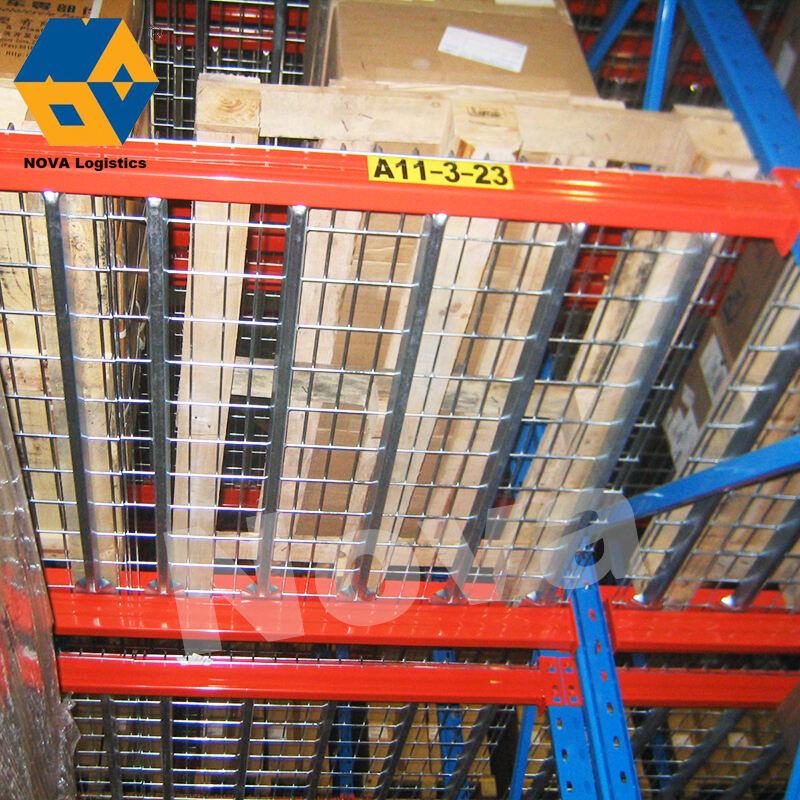
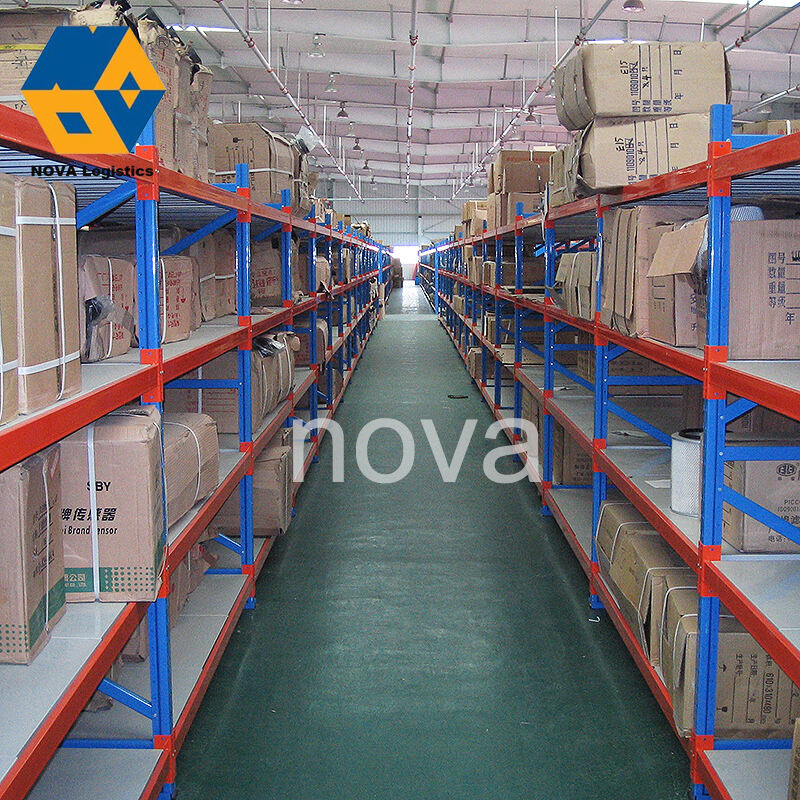
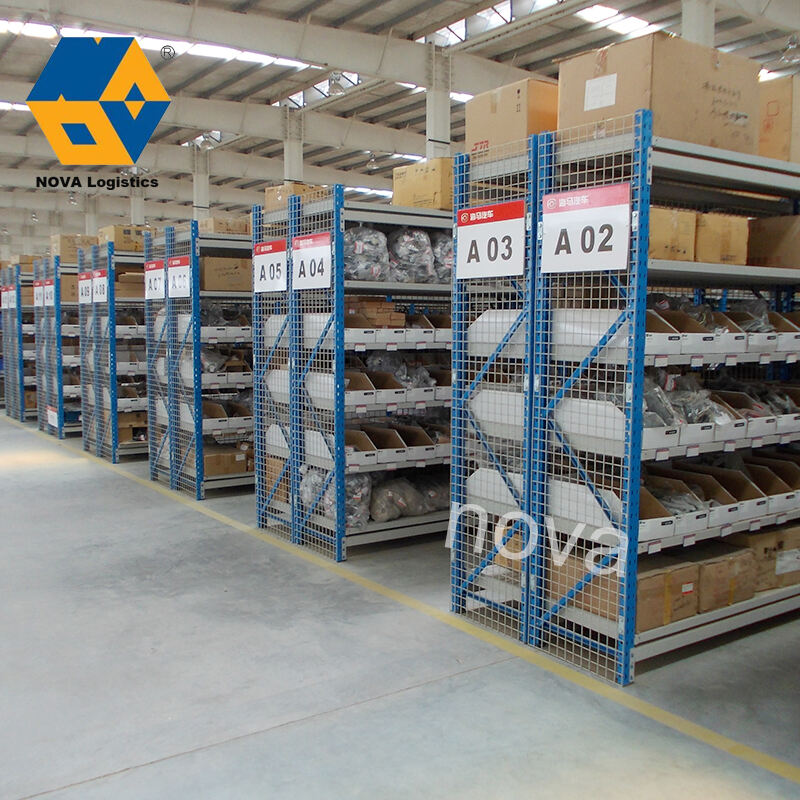
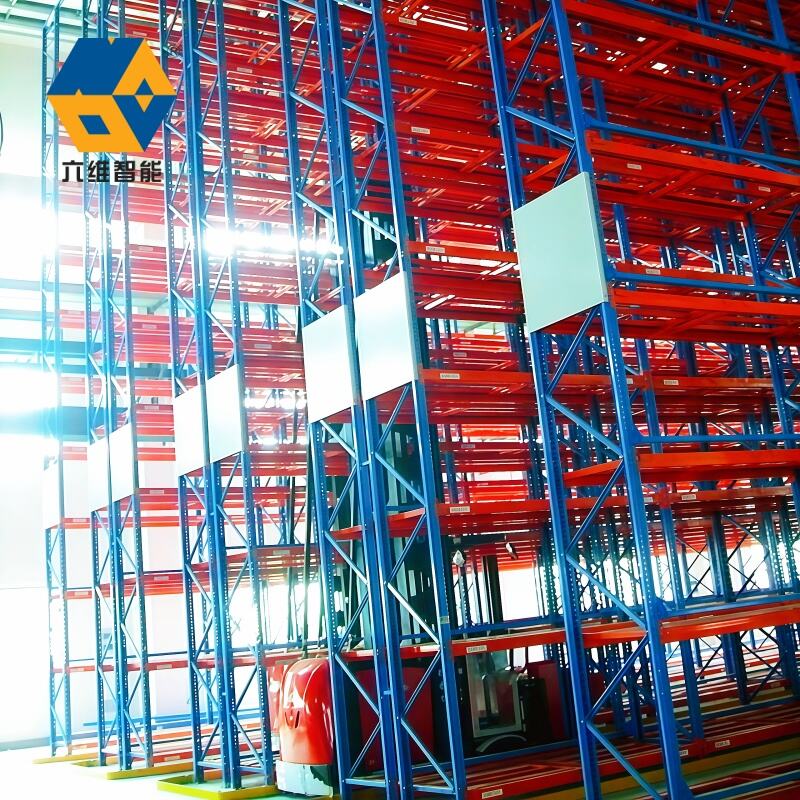
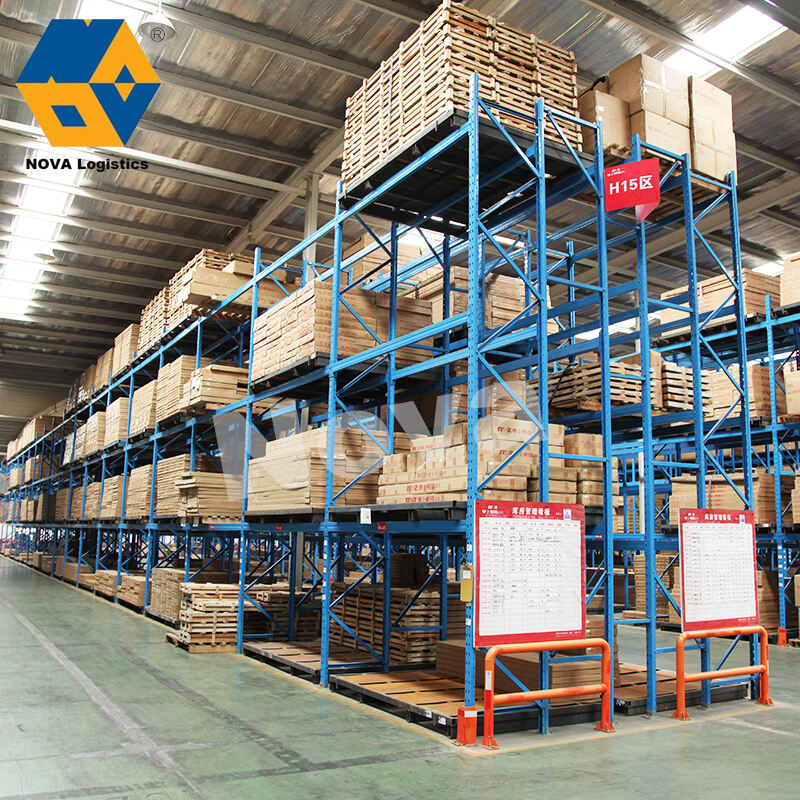
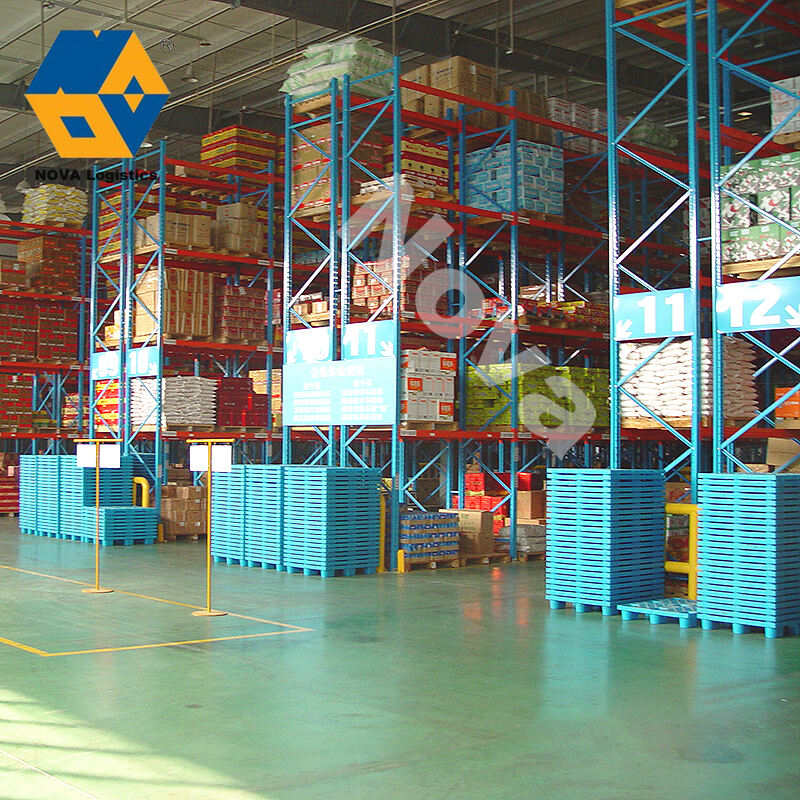
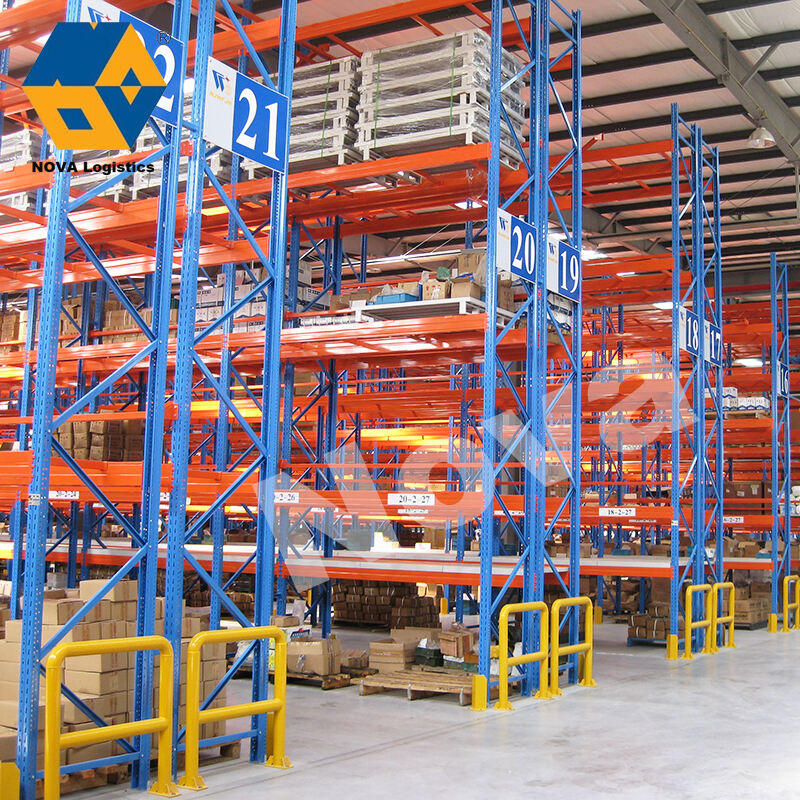
The heavy rack for storage excels through modular construction principles that deliver unmatched adaptability for businesses experiencing growth, product diversification, or operational changes. Unlike permanent shelving or fixed storage installations, these systems break down into interchangeable components including upright frames, horizontal beams, bracing elements, and accessories that reconfigure into countless arrangements matching specific storage requirements. This modularity begins with standardized upright frames available in various heights from 96 inches to 240 inches or more, allowing vertical customization based on ceiling clearances and stored product dimensions. Beam components span these uprights at adjustable vertical intervals, typically on 2-inch increments, creating customized compartment heights that eliminate wasted space above stored items. A facility storing automotive tires requires different vertical clearances than one warehousing electronics packaging, and the heavy rack for storage accommodates both through simple beam repositioning without specialized tools or structural modifications. This adjustability extends throughout the system's operational lifespan, enabling seasonal reconfigurations for businesses with fluctuating inventory profiles or permanent modifications as product lines evolve. The modular approach also facilitates phased implementation strategies where budget-conscious businesses install initial configurations and expand capacity incrementally as revenue growth justifies additional investment. Starter bay configurations establish the foundation with full upright frames on both ends, while add-on bays share uprights with adjacent sections, reducing material costs for extended runs. The heavy rack for storage grows seamlessly from a few bays to warehouse-spanning installations without aesthetic discontinuity or structural compromises. Accessory integration further enhances this flexibility, with wire decking, pallet supports, dividers, and backstops attaching to standard beam profiles without custom fabrication. Facilities transition from pallet storage to carton picking by adding decking surfaces, or implement specialized storage for non-standard items through accessory selection rather than purchasing entirely different systems. This versatility protects capital investments as business models pivot or market conditions shift, avoiding the substantial costs associated with replacing incompatible storage infrastructure. Geographic flexibility accompanies operational adaptability, as modular components disassemble for relocation when businesses move facilities, effectively making the heavy rack for storage a transportable asset rather than an abandoned sunk cost. Installation simplicity represents another modular advantage, with bolt-together assembly requiring only basic tools and moderate skill levels, reducing installation labor costs compared to welded or permanently anchored alternatives. The standardization inherent in modular systems also simplifies maintenance and repairs, as replacement components from reputable manufacturers maintain dimensional compatibility across product generations, ensuring long-term parts availability.

 EN
EN