Flexible Configuration Options for Evolving Business Requirements
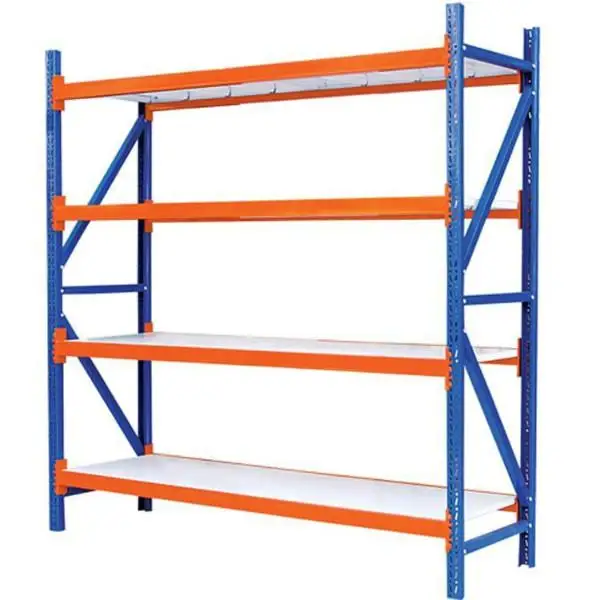
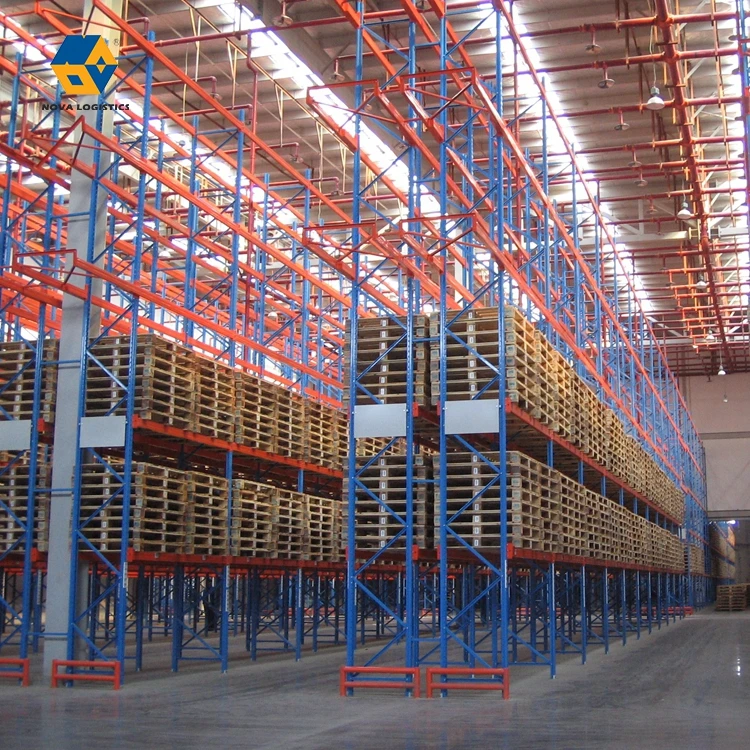
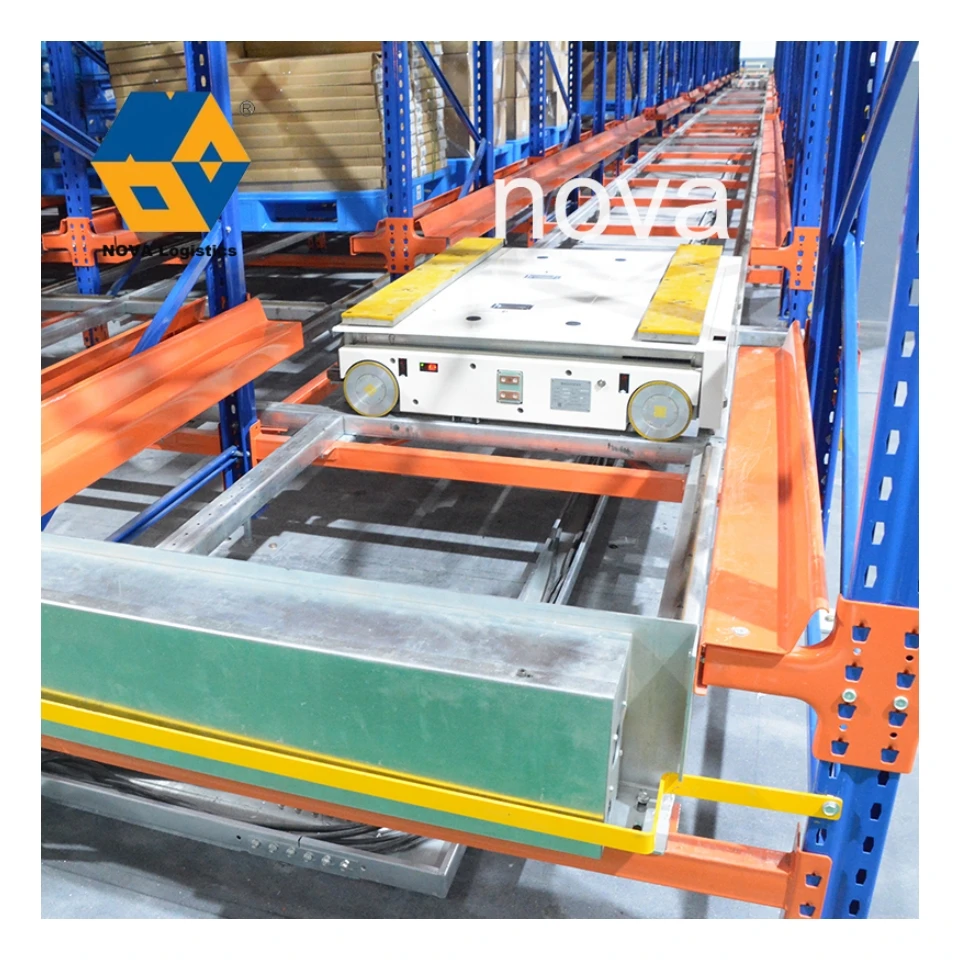
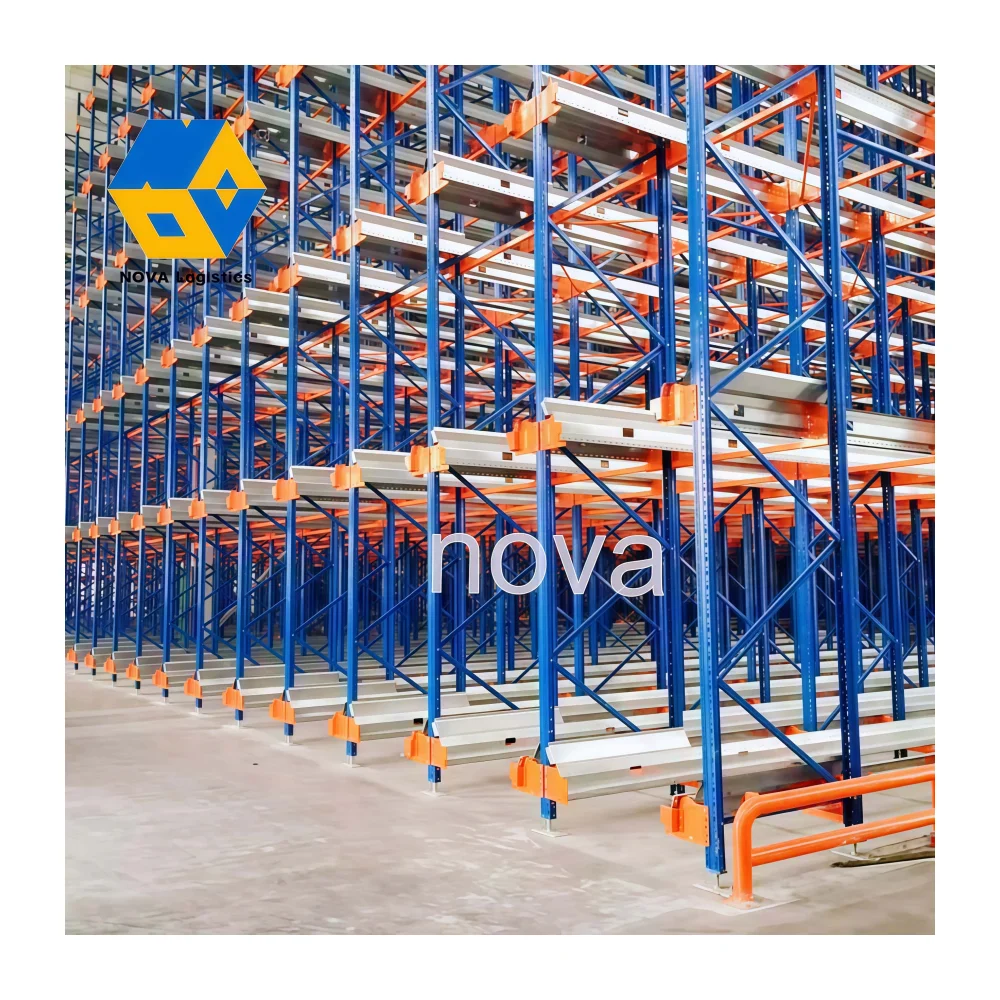
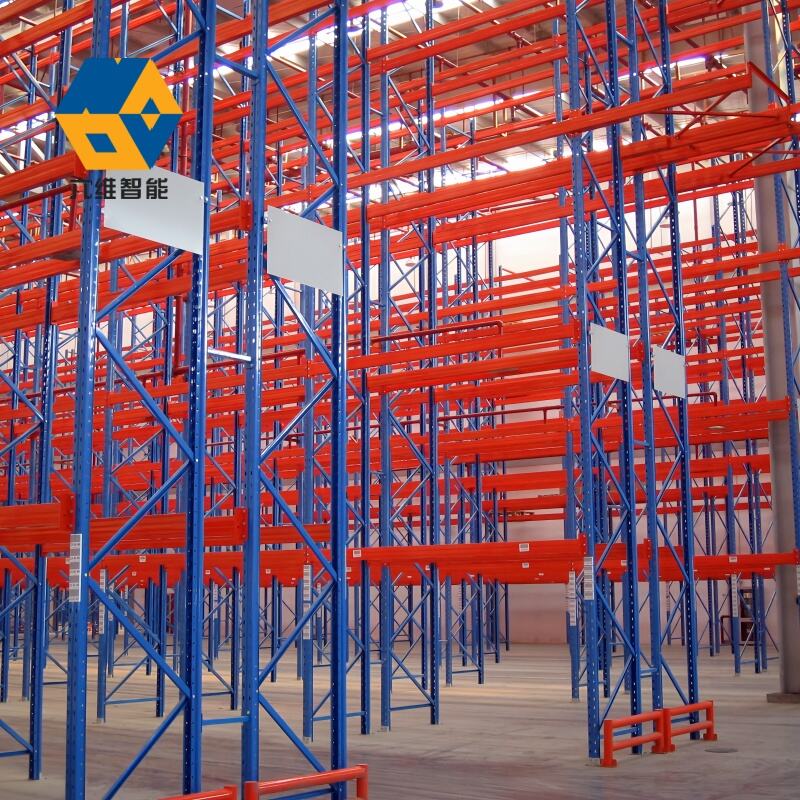
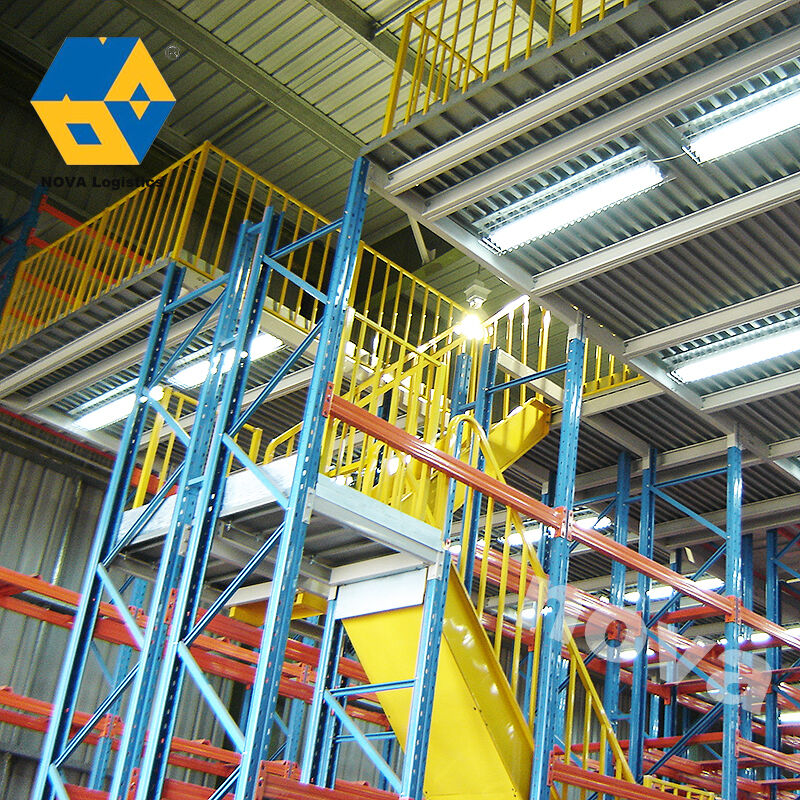
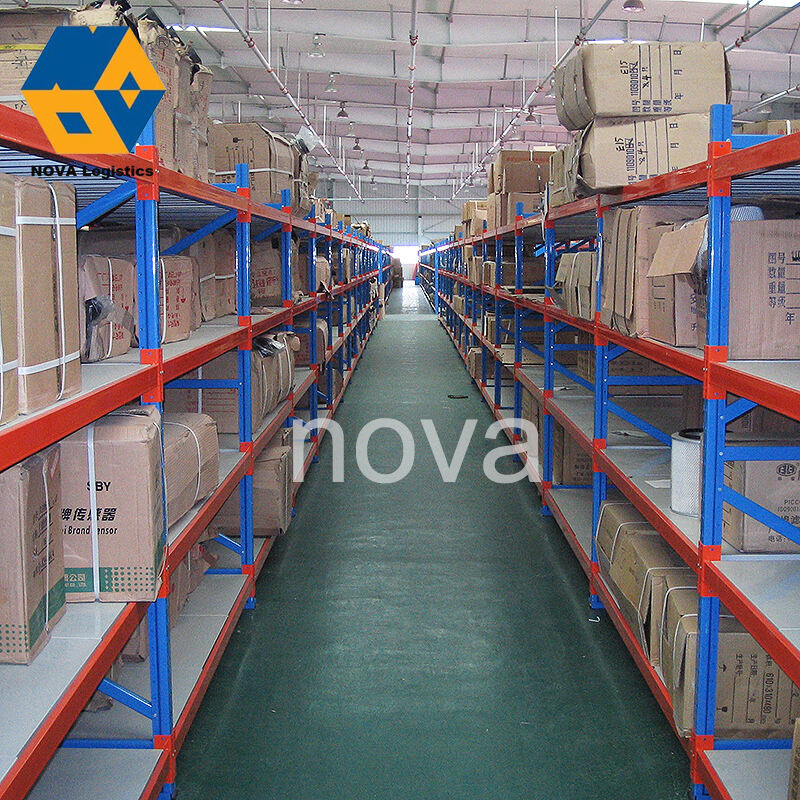
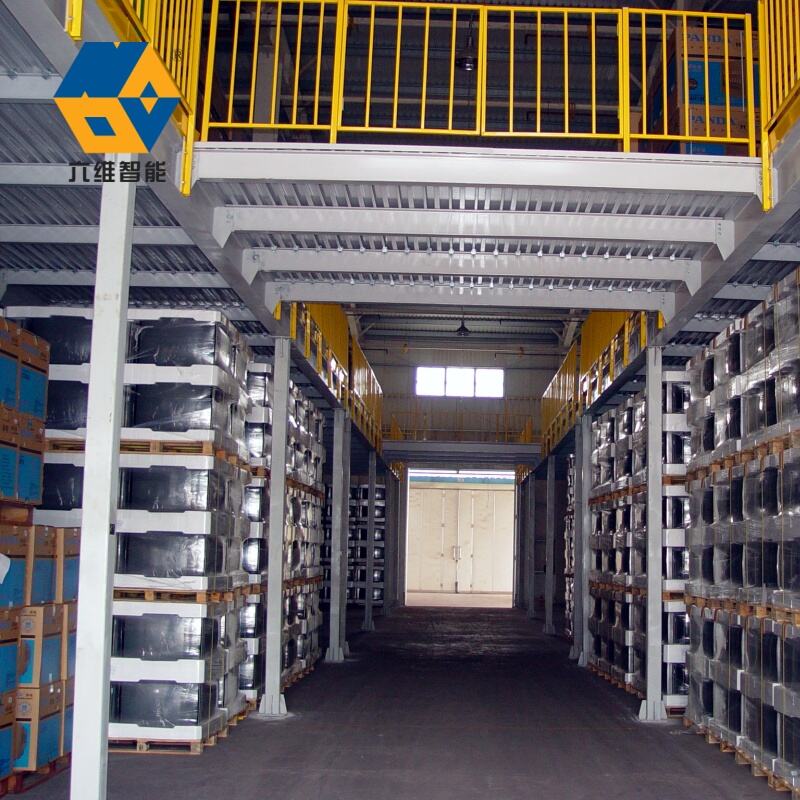
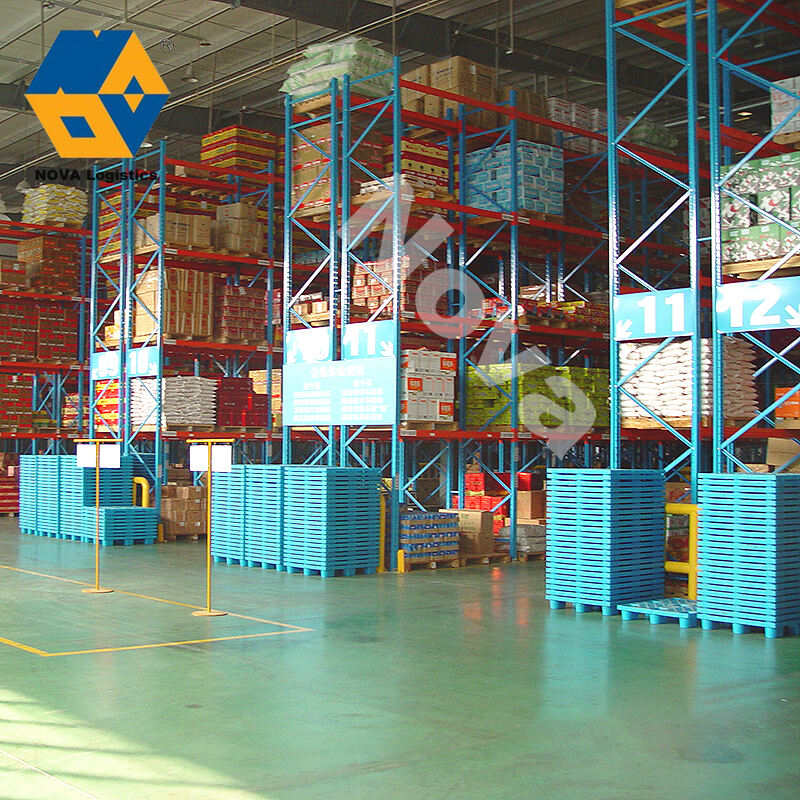
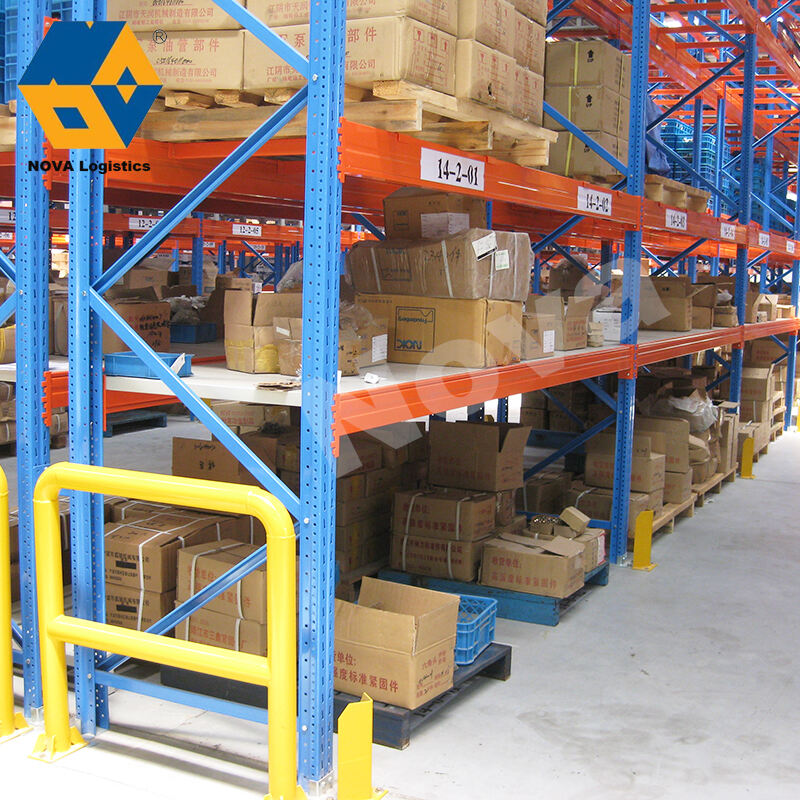
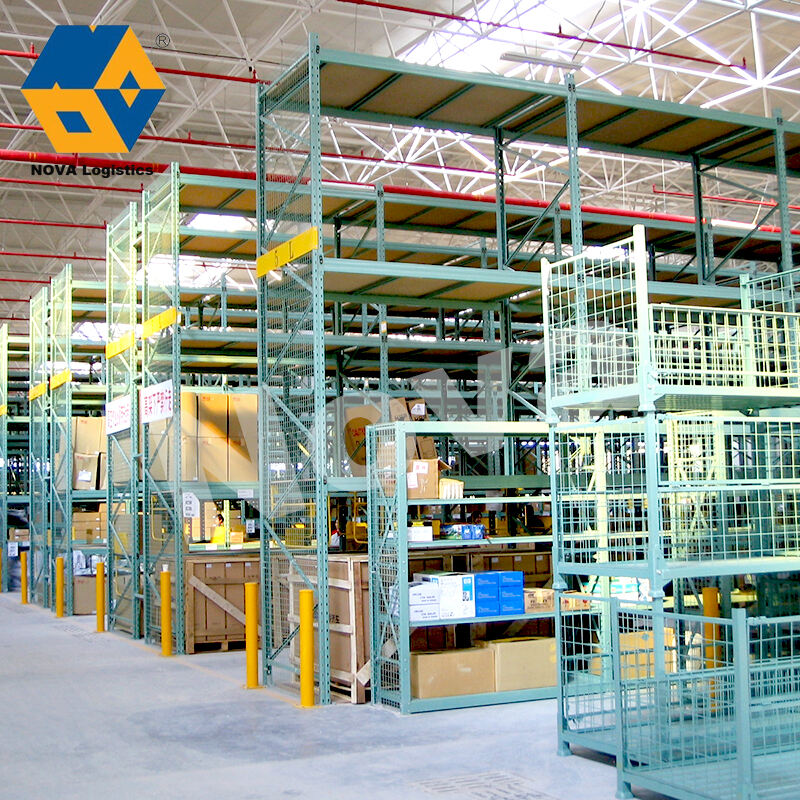
The adaptability inherent in heavy rack system design provides businesses with storage solutions that evolve alongside changing operational needs, protecting initial investments while accommodating growth and product mix variations over time. Unlike fixed shelving or permanent structures that lock businesses into rigid configurations, heavy rack components can be reconfigured, expanded, or modified without requiring complete system replacement. The adjustable beam design represents the most frequently utilized flexibility feature, as beams can be repositioned to different height settings simply by unloading the level, disengaging the beam connectors, and relocating them to alternate frame perforations. This adjustment capability proves invaluable when product dimensions change, new items enter inventory, or operational strategies shift toward different storage approaches. A warehouse initially configured for pallet storage might later incorporate some levels adjusted to accommodate longer items or multiple pallets placed side by side, all within the same basic rack framework. The modular nature of heavy rack systems means additional capacity can be added incrementally as business growth demands, with new rack sections integrating seamlessly with existing installations when using compatible components from the same manufacturer or adhering to industry-standard dimensions. This expandability allows businesses to scale storage capacity in alignment with revenue growth rather than making large upfront investments in excess capacity that sits unused during early operational phases. The configuration options extend to rack depth selections, with single-deep, double-deep, and drive-in configurations available depending on inventory characteristics and retrieval frequency requirements. Single-deep racks provide access to every pallet position from the aisle, maximizing selectivity but using more aisle space, while double-deep configurations place two pallets back-to-back per level, increasing density at the cost of some selectivity. Drive-in rack designs allow forklifts to enter the rack structure itself, creating multiple-deep storage lanes ideal for high-volume, low-variety inventory. Businesses can mix these configuration types within the same facility, dedicating different zones to storage strategies matching specific inventory characteristics. The heavy rack framework also supports various accessories that enhance functionality for specialized applications, including wire mesh decking that prevents small items from falling through beam levels, dividers that create compartments within rack bays for storing multiple SKUs in single locations, and specialized attachments for hanging garments, storing tires, or organizing long materials like pipes or lumber. These accessories install and remove without permanent rack modifications, providing application-specific solutions while maintaining underlying flexibility. The finish options for heavy rack components allow visual customization that supports warehouse organization schemes, with different colors potentially designating storage zones, product categories, or safety areas. Some operations use color-coding to help workers quickly identify proper storage locations or to differentiate between rack sections with different load ratings. The structural design of heavy rack systems accommodates various environmental conditions, with standard powder-coated finishes suitable for ambient warehouses and specialized galvanized or stainless steel options available for cold storage, food-grade facilities, or corrosive environments. This environmental adaptability ensures heavy rack systems remain functional across diverse industrial settings without performance degradation.

 EN
EN