Modular Flexibility That Adapts to Evolving Business Requirements
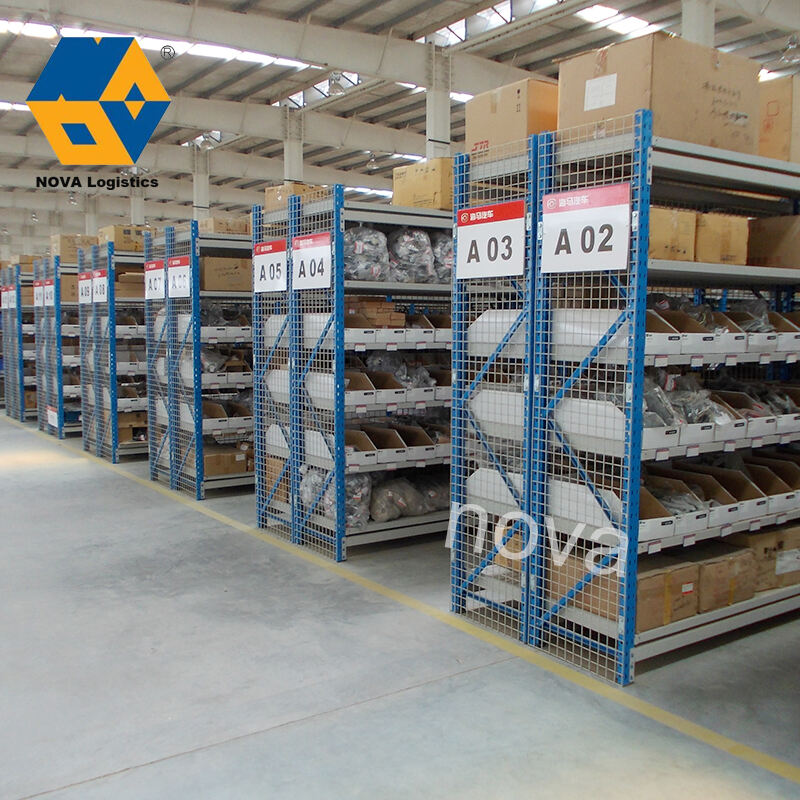
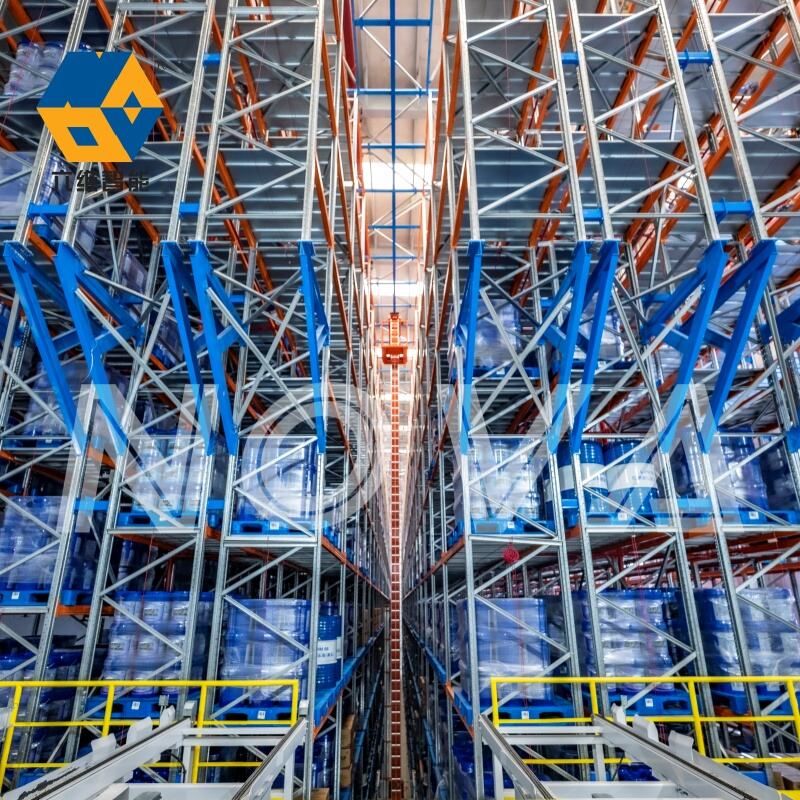
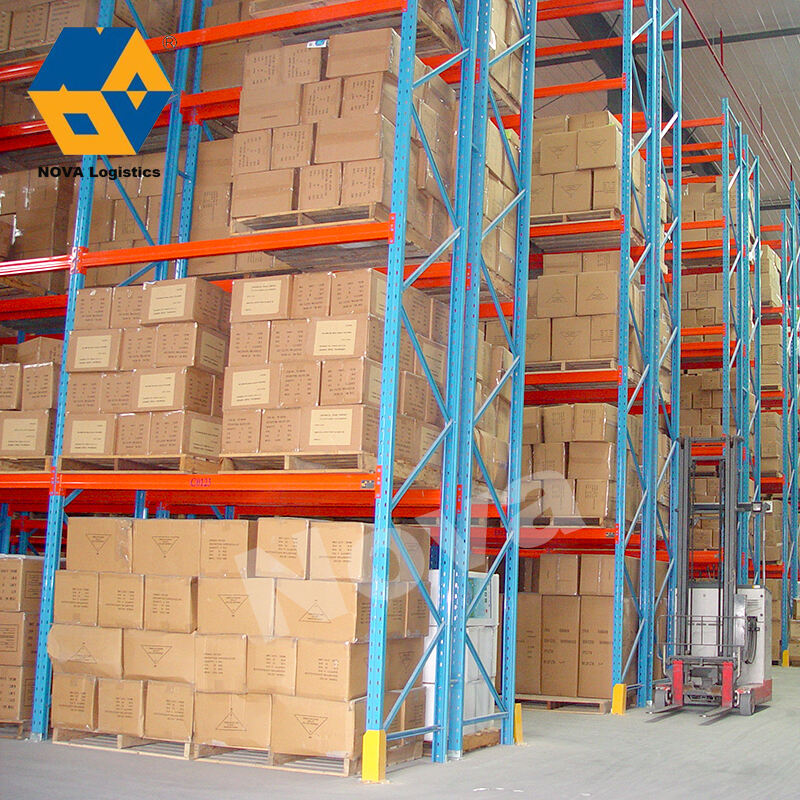
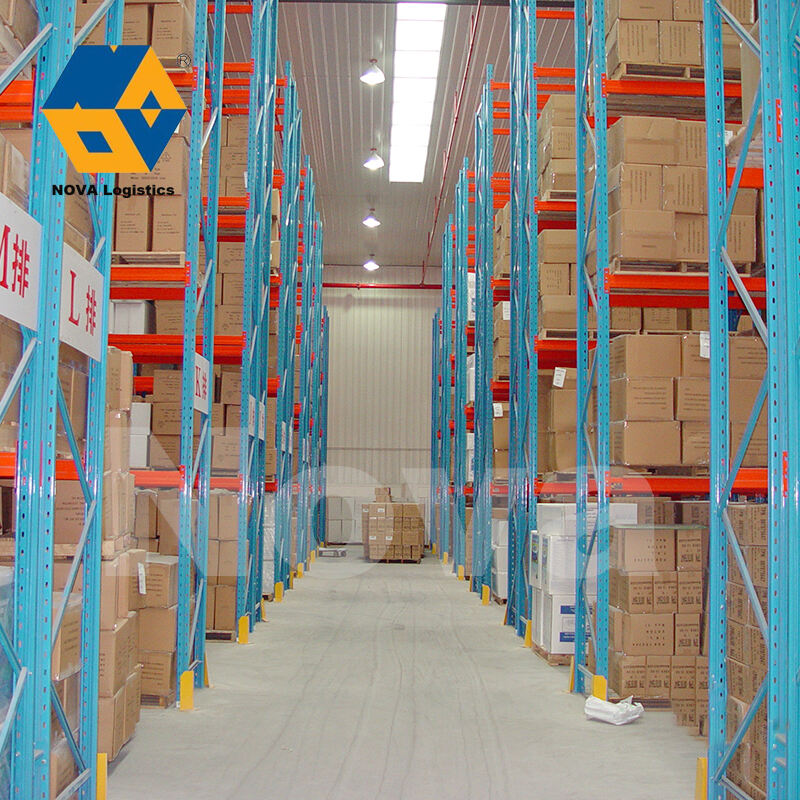
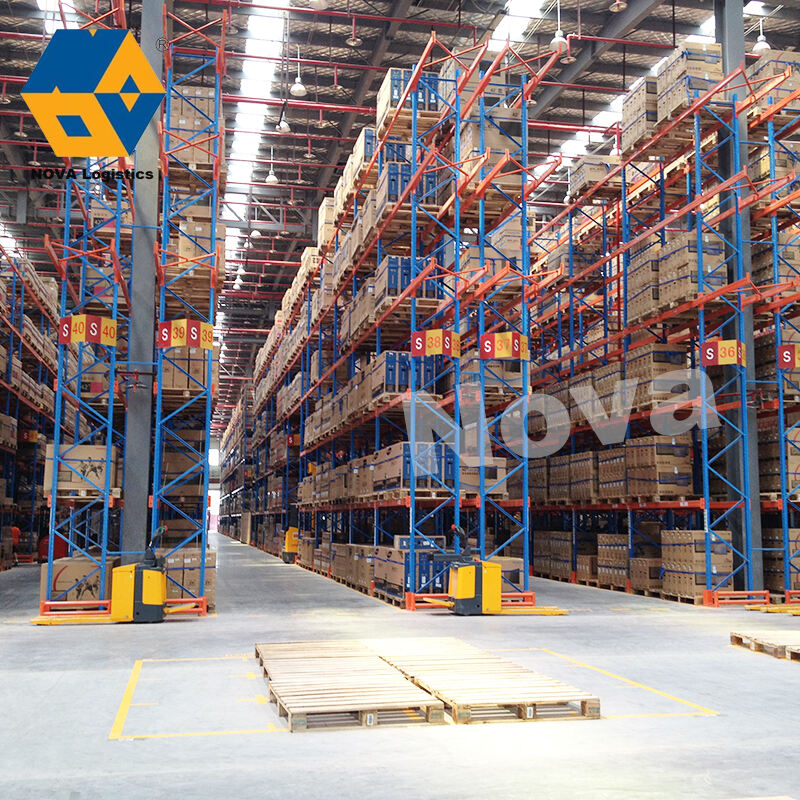
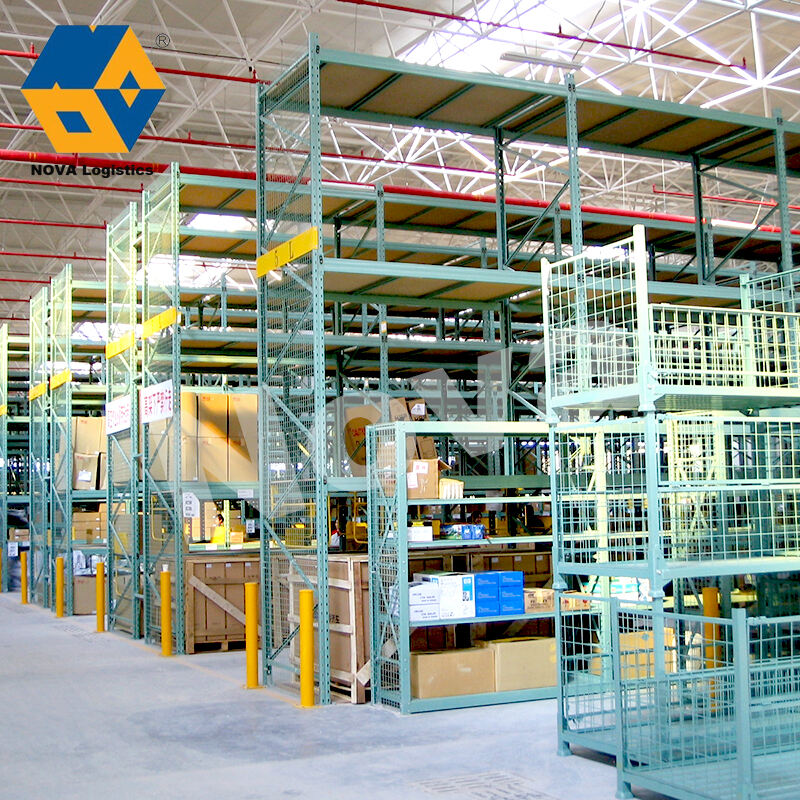
One of the most valuable yet often underappreciated advantages of a warehouse heavy duty rack system is its inherent modularity, which provides businesses with adaptability that protects equipment investments across changing operational landscapes. Unlike fixed storage infrastructure that locks facilities into rigid configurations, modular racking systems consist of standardized components that can be reconfigured, expanded, or recombined to meet shifting business needs without requiring complete system replacement. This flexibility begins with adjustable beam levels that move vertically along upright frames in precise increments, typically at 50 or 75-millimeter intervals, allowing warehouse managers to customize shelf spacing to match product dimensions exactly. When inventory mix changes seasonally or permanently, workers can reposition beams in hours rather than days, accommodating taller items or creating additional levels for smaller products without disrupting ongoing operations. The standardized component design means expansion follows a straightforward path, with new bays attaching seamlessly to existing structures using shared upright frames that reduce material costs and installation time. Businesses experiencing growth can incrementally add storage capacity as budget permits rather than facing large capital expenditures for entirely new systems. This pay-as-you-grow approach aligns equipment investment with revenue generation, improving cash flow management. The warehouse heavy duty rack also accommodates various accessories that enhance functionality for specialized applications, including wire decking for small item storage, pallet supports for damaged pallets, dividers for split-pallet storage, and backstops that prevent pallets from pushing through to adjacent aisles. These accessories attach and detach easily, allowing the same basic racking structure to serve multiple purposes across different warehouse zones. Reconfiguration capability proves invaluable when implementing process improvements or adopting new technologies like automated guided vehicles or robotic picking systems, as rack layouts can be modified to create appropriate traffic patterns and access points. Companies relocating facilities can disassemble, transport, and reinstall their existing warehouse heavy duty rack systems at new locations, preserving capital investment and maintaining familiar operational layouts that minimize worker retraining. This portability contrasts sharply with built-in mezzanines or permanent structures that represent sunk costs when facilities change. The modular approach also simplifies maintenance and repair, since damaged components can be replaced individually without affecting surrounding structure, maintaining system availability even when localized damage occurs from forklift impacts or overloading incidents. Forward-thinking businesses recognize that operational requirements will evolve as markets shift, product lines change, and technologies advance, making flexibility a strategic necessity rather than a convenience feature, and positioning the warehouse heavy duty rack as a long-term platform that supports continuous improvement rather than an inflexible constraint that limits future options.

 EN
EN