Enhanced Safety Features and Compliance Standards
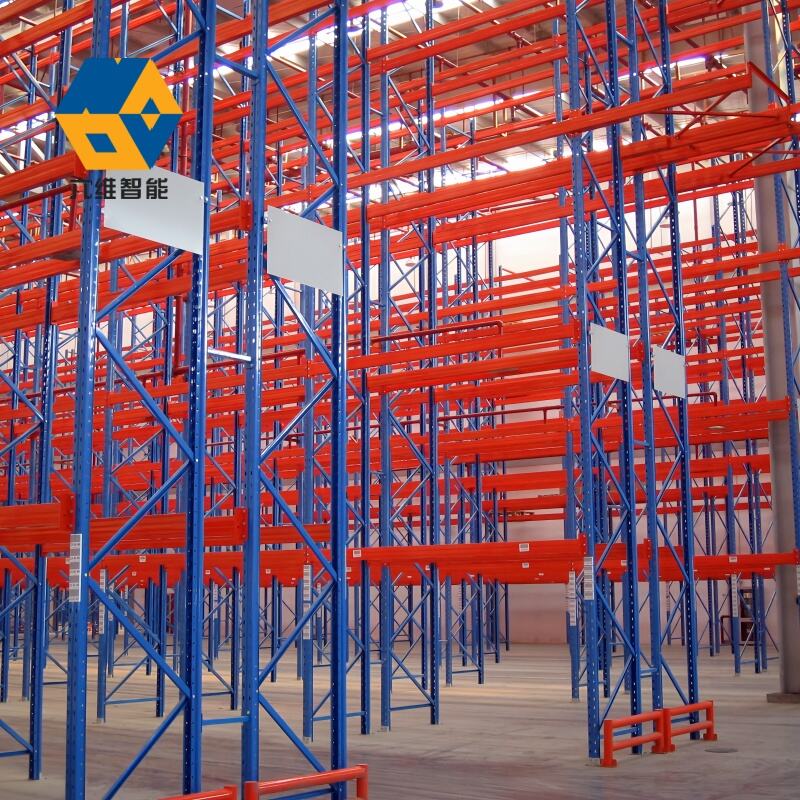
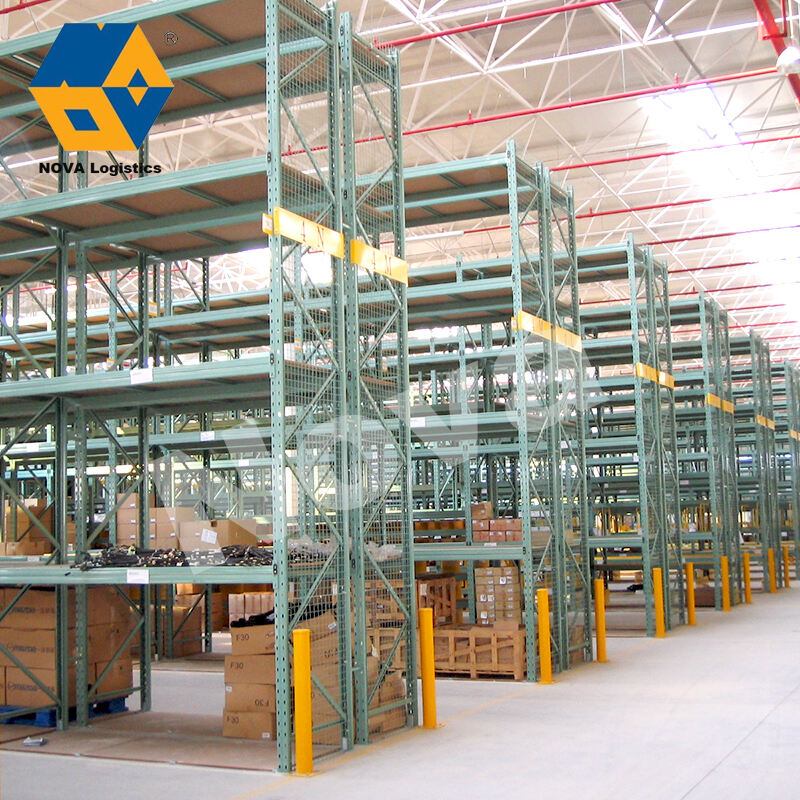
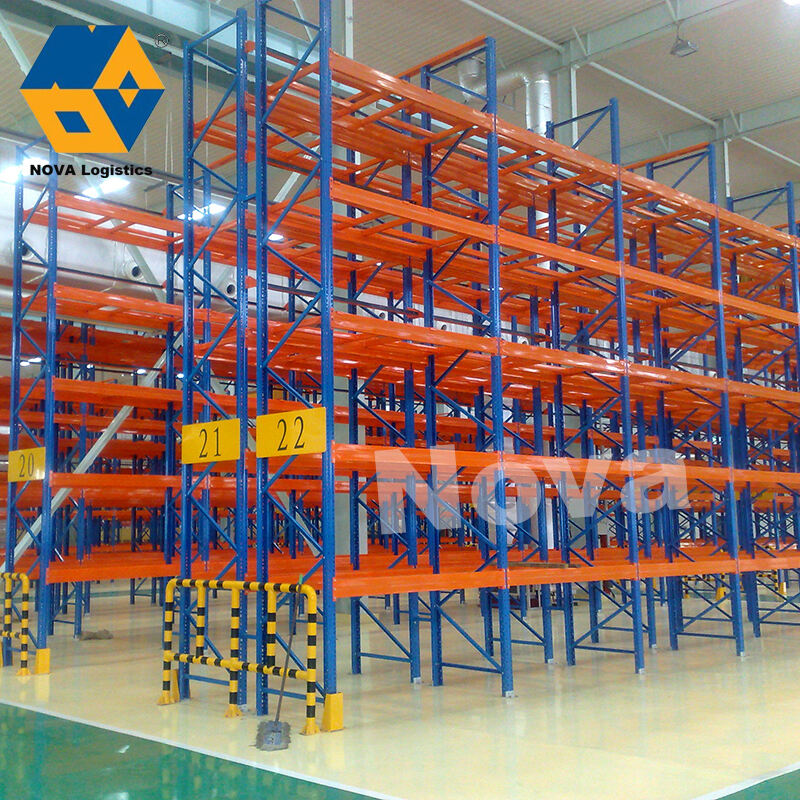
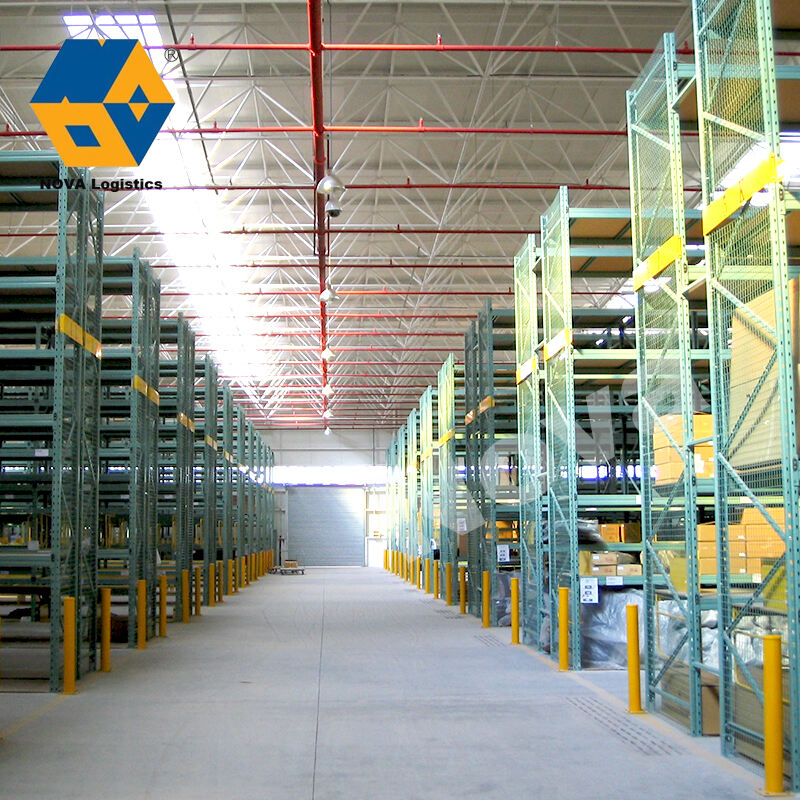
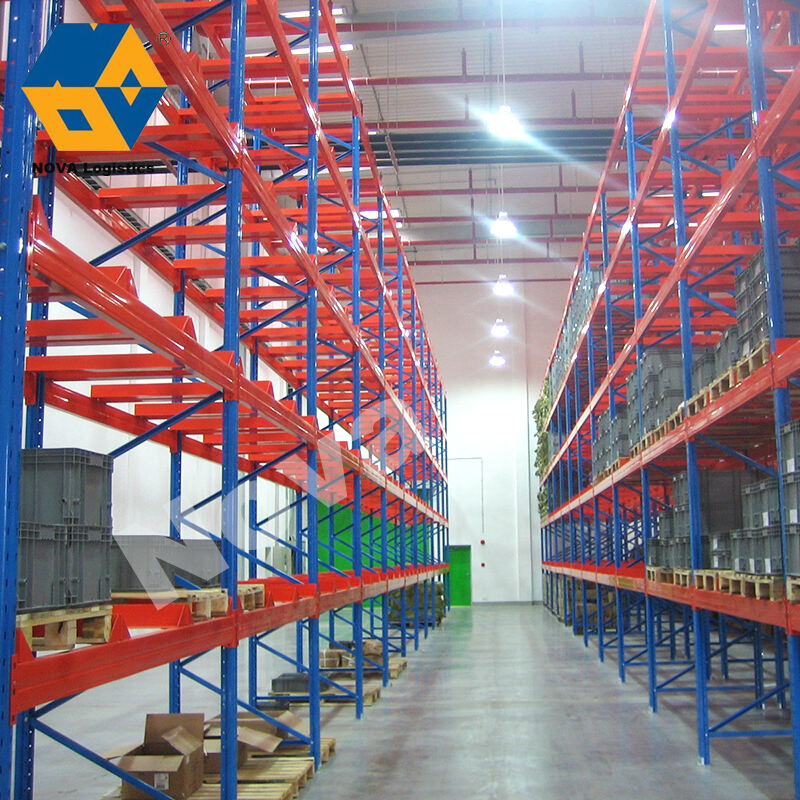
Safety considerations form the cornerstone of responsible heavy duty racking system implementation, protecting personnel, products, and facilities from risks associated with storing heavy loads at significant heights. Comprehensive safety features integrate throughout system design, manufacturing, installation, and operational phases to create multiple protective layers that minimize accident potential and ensure regulatory compliance. Structural safety begins with engineering calculations that determine appropriate load capacities based on frame dimensions, beam specifications, and installation configurations. Professional heavy duty racking system suppliers provide load plaques that clearly display maximum weight limits for each beam level, eliminating guesswork and preventing dangerous overloading situations. These capacity ratings factor in safety margins that account for dynamic loading forces generated when forklifts place or remove pallets, ensuring structural integrity even under challenging operational conditions. Frame protection systems defend against impact damage from material handling equipment, which represents one of the most common causes of rack damage in busy warehouses. Column guards constructed from heavy-gauge steel absorb collision forces, protecting critical vertical frame members from deformation that could compromise structural stability. End-of-aisle guards create physical barriers that prevent forklifts from accidentally striking rack structures, while guide rails direct traffic flow and maintain safe clearances. The heavy duty racking system installations incorporate anchoring requirements that ensure stability under both normal operating conditions and extraordinary events such as seismic activity. Professional installation teams conduct floor surface assessments to verify adequate concrete strength, then implement appropriate anchoring methods using expansion bolts, chemical anchors, or other fastening systems engineered for specific floor conditions. Anti-collapse mesh and back guards prevent products from falling through rack structures or being accidentally pushed into adjacent aisles, creating safer work environments for personnel operating near storage areas. These protective barriers also contain inventory during seismic events, reducing the risk of falling objects. Load distribution accessories including pallet supports and wire decking ensure weight spreads evenly across beam structures rather than concentrating on narrow contact points. This distribution prevents beam deformation and reduces the risk of pallet collapse that could damage inventory or injure workers. Regular inspection protocols maintain the safety integrity of your heavy duty racking system throughout its service life. Competent person inspections identify potential issues including damaged components, improper loading practices, or structural concerns before they escalate into serious safety hazards. Documentation of these inspections demonstrates regulatory compliance while providing maintenance teams with actionable information for corrective measures. Compliance with recognized standards such as those published by the Rack Manufacturers Institute ensures your heavy duty racking system meets industry best practices for design, installation, and operation, protecting your organization from liability while creating a safer workplace for everyone.

 EN
EN