Miniload Automated Warehouse Solutions: Transform Your Storage Efficiency and Order Fulfillment Speed

All Categories

Get a Free Quote

Our representative will contact you soon.
Email
Name
Company Name
Message
0/1000

miniload automated warehouse

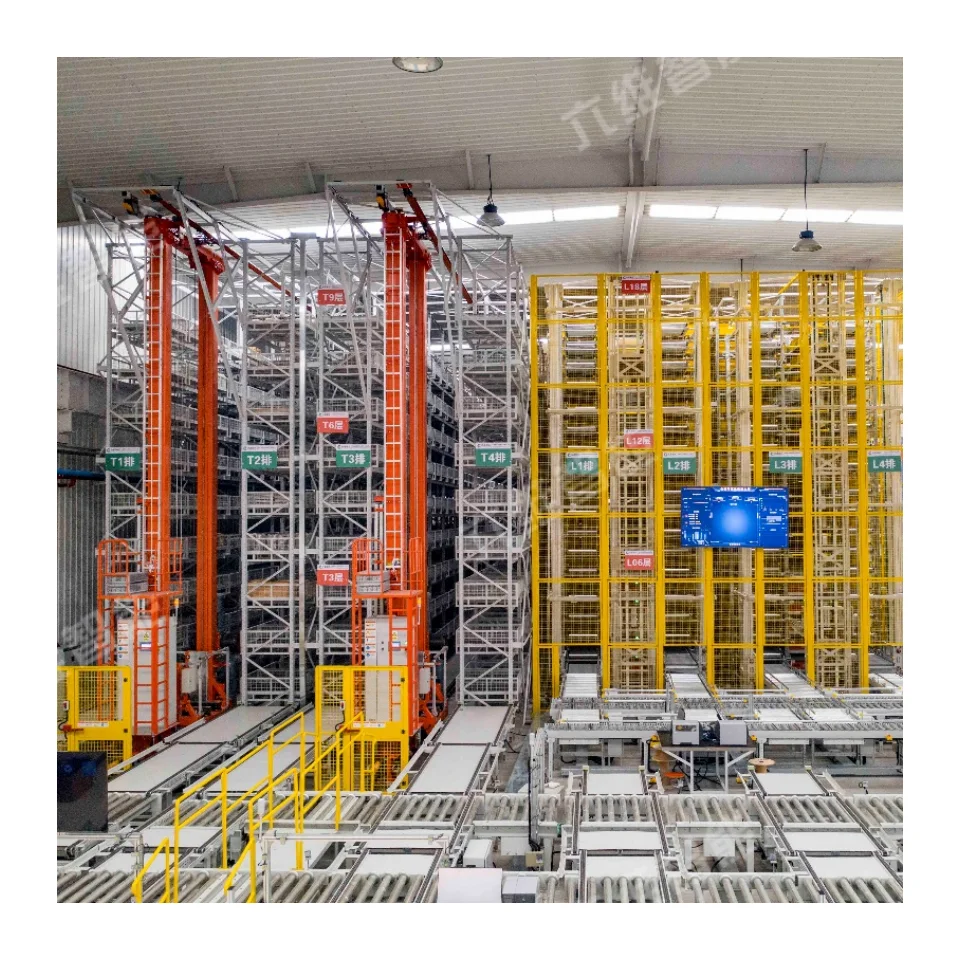
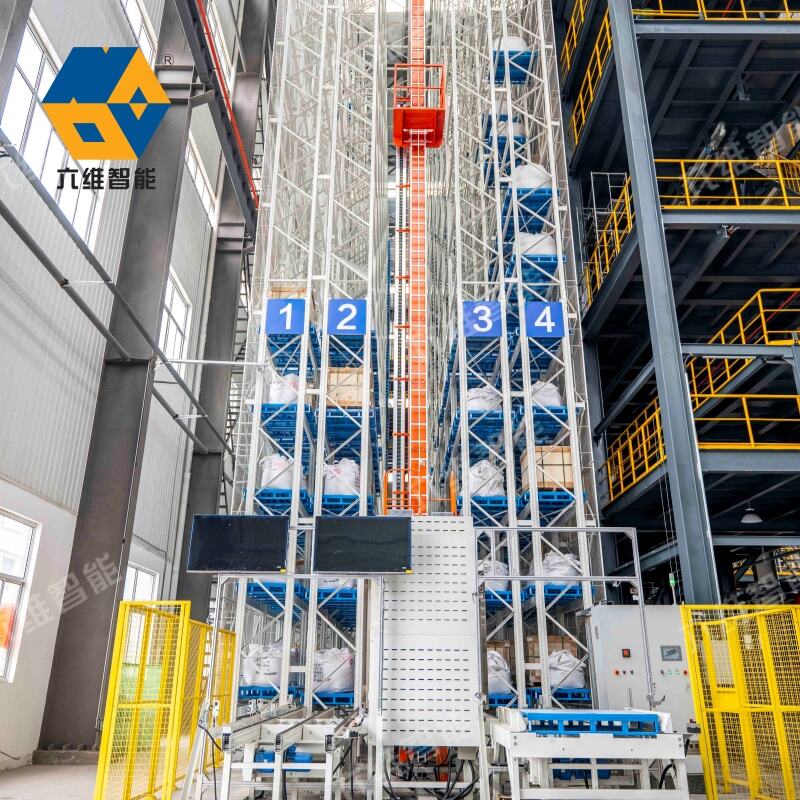
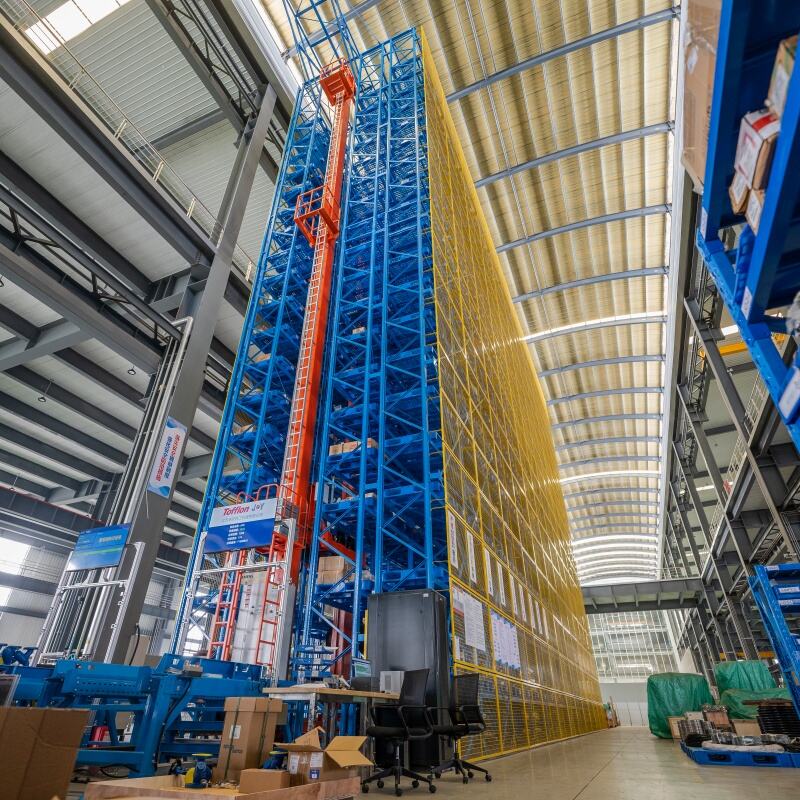
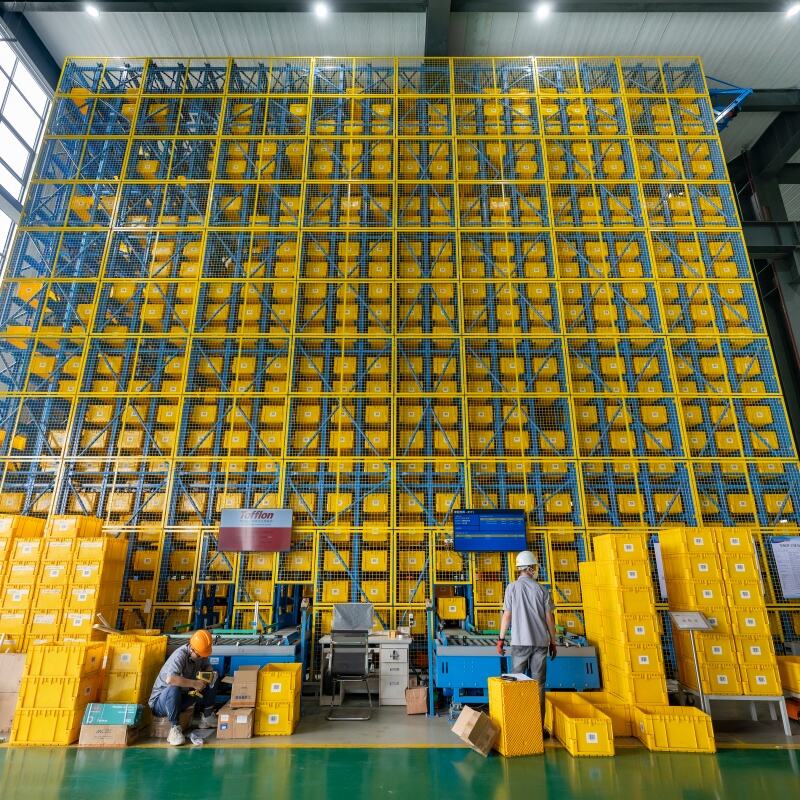
The miniload automated warehouse represents a cutting-edge storage solution designed specifically for handling small to medium-sized items with exceptional precision and speed. This sophisticated system combines advanced robotics, intelligent software controls, and optimized storage configurations to create a highly efficient automated storage and retrieval system. At its core, the miniload automated warehouse utilizes automated stacker cranes that operate within narrow aisles, accessing storage bins and totes positioned on both sides of the aisle structure. These systems excel at managing inventory that includes components, spare parts, pharmaceuticals, cosmetics, electronics, and various consumer goods that require organized, high-density storage. The main functions of a miniload automated warehouse encompass automated storage and retrieval operations, inventory management, order fulfillment, and seamless integration with warehouse management systems. The technological features include high-speed stacker cranes capable of simultaneous dual-cycle operations, sophisticated control software with real-time tracking capabilities, energy-efficient drive systems, and flexible configuration options that adapt to specific operational requirements. Modern miniload systems incorporate advanced sensors, safety mechanisms, and diagnostic tools that ensure continuous operation with minimal downtime. Applications span across multiple industries including e-commerce distribution centers, manufacturing facilities requiring just-in-time component delivery, pharmaceutical companies needing temperature-controlled storage, automotive parts distribution, electronics assembly operations, and retail fulfillment centers. The system architecture typically features storage racks reaching heights of up to 20 meters, optimizing vertical space utilization while maintaining compact footprints. Integration capabilities allow the miniload automated warehouse to communicate with enterprise resource planning systems, order management platforms, and conveyor networks, creating a cohesive material handling ecosystem that enhances overall operational efficiency and accuracy throughout the entire supply chain process.


New Product Recommendations

Implementing a miniload automated warehouse delivers transformative benefits that directly impact your bottom line and operational capabilities. Space optimization stands as one of the most compelling advantages, as these systems maximize vertical storage capacity while minimizing floor space requirements. You can store significantly more inventory in the same physical footprint compared to traditional shelving systems, reducing real estate costs and allowing for future expansion without relocating. The precision and accuracy of automated retrieval operations virtually eliminate picking errors, ensuring customers receive correct orders consistently. This reliability strengthens your reputation and reduces costly returns and exchanges that drain resources. Speed improvements are remarkable, with miniload systems processing orders exponentially faster than manual operations. Your team can fulfill more orders per hour, meeting tight delivery windows and handling peak demand periods without overwhelming your workforce. Labor efficiency gains prove substantial as automation handles repetitive retrieval tasks, allowing your employees to focus on value-added activities that require human judgment and problem-solving skills. This reallocation of human resources improves job satisfaction while reducing the physical strain associated with constant walking and lifting. The miniload automated warehouse operates continuously without fatigue, enabling extended operational hours or even 24/7 operations without proportional increases in labor costs. Inventory visibility reaches unprecedented levels with real-time tracking systems providing instant location data for every stored item. You gain complete control over stock levels, enabling precise reordering decisions and reducing both excess inventory carrying costs and stockout situations. Product protection improves dramatically as automated handling minimizes damage from drops, improper stacking, or environmental exposure. Climate-controlled miniload systems maintain consistent temperature and humidity levels, essential for pharmaceuticals, food products, and sensitive electronics. Safety enhancements protect your workforce by reducing foot traffic in storage areas and eliminating dangerous reaching, climbing, and heavy lifting activities. Scalability built into miniload designs allows you to expand capacity by adding aisles or increasing rack height without overhauling your entire system. Energy efficiency features including regenerative braking and optimized routing algorithms reduce operational costs while supporting sustainability initiatives. Return on investment typically materializes within three to five years through combined savings in labor, space, accuracy improvements, and throughput gains, making the miniload automated warehouse a financially sound strategic investment.

Latest News

How Do Pallet Rack Systems Support Safer Inventory Management?

20

May

How Do Pallet Rack Systems Support Safer Inventory Management?

Warehouse safety is not a matter of chance — it is a direct result of the systems, structures, and processes that organizations put in place. Among all the variables that influence how safely a facility operates, the design and organization of storag...
View More
Why Do Retail Backrooms Prefer Longspan Racks for Flexible Storage?

13

Jan

Why Do Retail Backrooms Prefer Longspan Racks for Flexible Storage?

Retail backrooms face constant pressure to maximize storage efficiency while maintaining quick access to inventory. Modern retail operations require storage solutions that adapt to changing merchandise sizes, seasonal demands, and evolving product li...
View More
How Do You Choose the Right Longspan Rack for Changing Inventory Types?

13

Jan

How Do You Choose the Right Longspan Rack for Changing Inventory Types?

Modern warehouses face constant challenges in adapting their storage systems to accommodate varying inventory types and fluctuating stock levels. A longspan rack system offers the versatility and adaptability needed to handle these dynamic requiremen...
View More
How Does Automation Transform Storage and Retrieval Processes?

05

Feb

How Does Automation Transform Storage and Retrieval Processes?

Modern warehouses and distribution centers are experiencing a revolutionary transformation through advanced technology solutions that streamline operations and maximize efficiency. The implementation of sophisticated automated storage and retrieval s...
View More

Get a Free Quote

Our representative will contact you soon.
Email
Name
Company Name
Message
0/1000

miniload automated warehouse

Revolutionary Storage Density That Transforms Your Warehouse Footprint

Revolutionary Storage Density That Transforms Your Warehouse Footprint

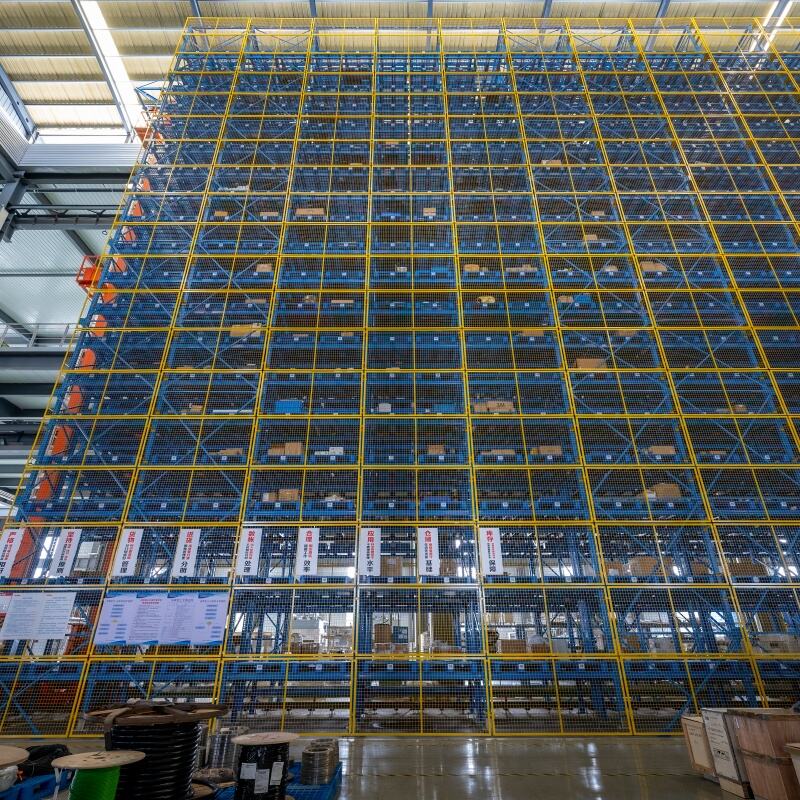
The miniload automated warehouse revolutionizes how businesses approach storage density, delivering unprecedented capacity within constrained physical spaces. Traditional storage methods leave substantial unused vertical space and require wide aisles for equipment movement and worker access. In contrast, miniload systems exploit every cubic meter of available space through towering rack structures and ultra-narrow aisles where only the automated stacker crane operates. This architectural efficiency translates into storage capacity increases of 300 to 400 percent compared to conventional shelving systems occupying identical floor areas. For businesses facing expensive real estate costs or operating in urban locations where expansion opportunities are limited, this density advantage provides a critical competitive edge. The system stores items in standardized bins and totes positioned on both sides of the aisle, with the stacker crane accessing locations up to 20 meters high at speeds exceeding 200 meters per minute. This vertical orientation means you can delay or completely avoid the substantial expenses associated with facility expansion or relocation. Consider a distribution center that previously required 10,000 square meters for inventory storage can potentially reduce that footprint to 2,500 square meters while maintaining or even expanding inventory variety. The freed space becomes available for value-added operations such as customization services, expanded shipping areas, or additional production capacity. Beyond the obvious cost savings, enhanced storage density improves inventory organization by providing dedicated locations for every SKU, eliminating the confusion and inefficiency of shared storage zones. The miniload automated warehouse maintains precise position tracking, so items never get lost in the storage matrix. Temperature-controlled versions offer the same density advantages for products requiring specific environmental conditions, maximizing the return on investment for expensive climate-controlled real estate. The modular nature of miniload designs means initial installations can start with capacity matching current needs, then expand vertically or horizontally as business grows, protecting your capital investment while maintaining operational continuity throughout expansion phases.
Unmatched Throughput Speed That Accelerates Order Fulfillment

Unmatched Throughput Speed That Accelerates Order Fulfillment

Speed defines competitive advantage in modern commerce, and the miniload automated warehouse delivers retrieval velocities that manual operations cannot approach. The automated stacker cranes execute storage and retrieval cycles with mechanical precision, traveling at high speeds while maintaining absolute accuracy. Advanced systems perform dual-cycle operations, simultaneously storing items in one location while retrieving from another during the same trip, effectively doubling productivity compared to single-cycle movements. This operational velocity translates directly into your ability to process more orders within shorter timeframes, meeting aggressive delivery commitments that customers increasingly demand. E-commerce operations particularly benefit from this speed advantage, where same-day or next-day delivery promises require rapid order assembly from diverse inventory. A single miniload aisle can execute 100 to 150 retrieval cycles per hour, with multi-aisle installations scaling throughput proportionally. Peak season demands that previously required temporary labor and overtime expenses become manageable within normal operational parameters. The consistent performance of automated systems eliminates the productivity variations inherent in human operations, where fatigue, distractions, and individual capability differences create unpredictable output levels. Your planning teams can forecast fulfillment capacity with precision, confidently accepting orders knowing exact processing timelines. The software controlling miniload operations continuously optimizes retrieval sequences, organizing picks to minimize crane travel distance and cycle time. This intelligent routing considers factors like order priority, item locations, and conveyor system capacity to maximize overall throughput. Integration with warehouse management systems enables wave picking strategies where the miniload automated warehouse prepares batches of orders simultaneously, feeding packing stations with steady product flows that eliminate worker idle time. Rush orders receive priority handling without disrupting standard workflow, as the system dynamically adjusts crane assignments and retrieval sequences. The speed advantage extends beyond immediate order fulfillment to inventory replenishment activities, where the miniload system rapidly relocates stock during quieter operational periods, ensuring optimal product positioning for anticipated demand patterns. This velocity creates flexibility that allows businesses to operate with leaner inventory levels while maintaining service reliability, as rapid retrieval compensates for reduced safety stock quantities.
Exceptional Accuracy That Eliminates Costly Fulfillment Errors

Exceptional Accuracy That Eliminates Costly Fulfillment Errors

Accuracy in order fulfillment directly impacts customer satisfaction and operational profitability, making the error-elimination capabilities of the miniload automated warehouse extraordinarily valuable. Manual picking operations, regardless of worker diligence and training quality, inevitably produce error rates typically ranging from 0.5 to 3 percent depending on operational complexity. These mistakes manifest as wrong items shipped, incorrect quantities, or missed items within orders, each creating customer disappointment and requiring expensive corrective actions. The miniload automated warehouse reduces error rates to near-zero levels, typically achieving accuracy exceeding 99.9 percent through systematic automation that removes human variability from retrieval operations. The system maintains a precise digital map of every stored item location, with barcode verification or RFID technology confirming identity during storage and retrieval transactions. When an order enters the system, the control software directs the stacker crane to exact coordinates, retrieves the specified bin, and delivers it to the workstation where additional verification confirms the correct item before integration into the order. This multi-layered validation process creates redundancy that catches potential errors before they reach customers. The financial implications of this accuracy prove substantial when analyzing the complete cost of fulfillment errors. Beyond the immediate expense of return shipping and replacement product costs, errors damage customer relationships and brand reputation, with studies indicating that customers experiencing errors show significantly reduced repeat purchase rates. The administrative burden of managing returns, investigating discrepancies, issuing refunds, and updating inventory records consumes valuable staff time that could otherwise focus on growth initiatives. The miniload automated warehouse eliminates these hidden costs while simultaneously enhancing customer trust and loyalty. Accuracy benefits extend to inventory management, where the system maintains perpetual inventory records that reflect actual stock with exceptional fidelity. The elimination of location errors, miscounts, and unrecorded transactions means your inventory data becomes a reliable foundation for purchasing decisions, financial reporting, and demand forecasting. Audit processes simplify dramatically as the system provides complete transaction histories with timestamps and location records for every inventory movement. Regulatory compliance improves for industries like pharmaceuticals and medical devices where traceability requirements demand documented custody chains and lot tracking, capabilities the miniload automated warehouse delivers automatically through its operational records.

Get a Free Quote

Our representative will contact you soon.
Email
Name
Company Name
Message
0/1000

Get a Free Quote

Our representative will contact you soon.
Email
Name
Company Name
Message
0/1000