Enhanced Operational Safety Through Separated Traffic Patterns
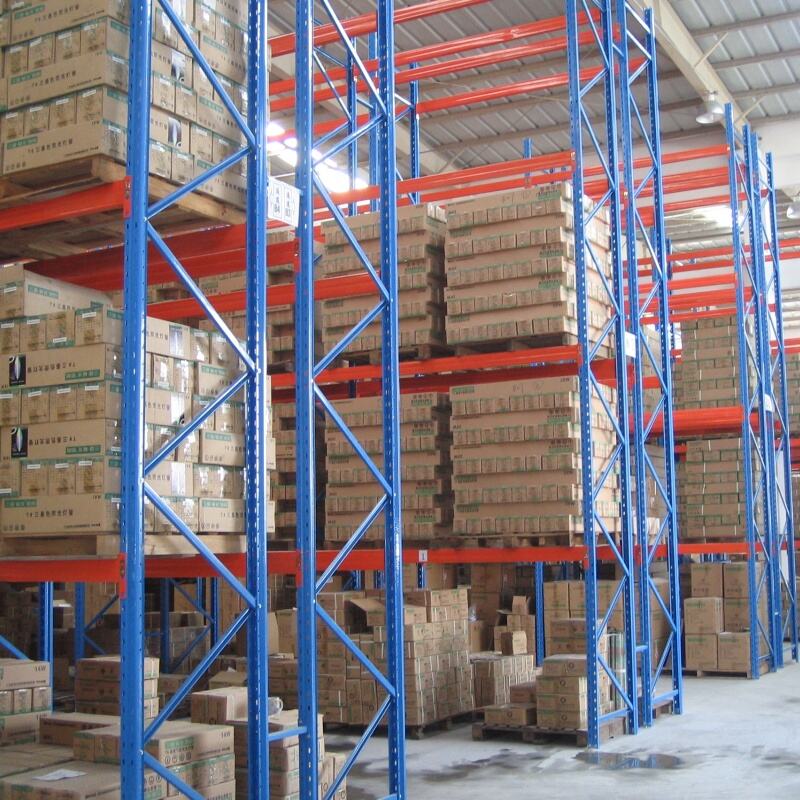
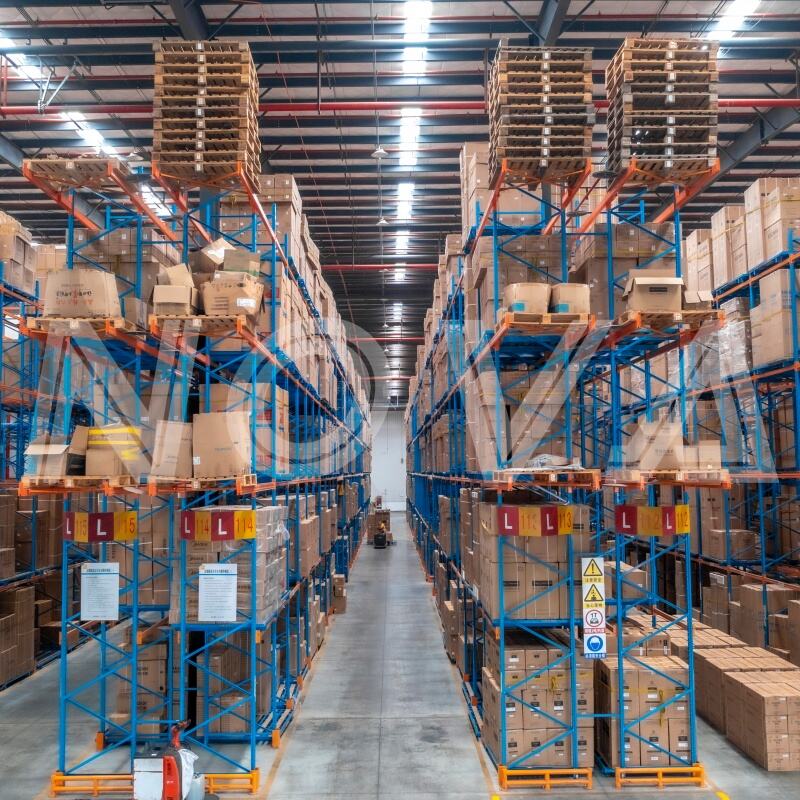
Workplace safety improvements represent one of the most significant yet often underestimated benefits of implementing pallet flow racking systems in warehouse operations. The fundamental design creates a natural separation between loading activities and picking activities, establishing distinct traffic patterns that minimize the dangerous interactions between forklifts and workers that contribute to many warehouse accidents. In traditional selective racking environments, forklifts constantly travel through the same aisles where order pickers work, creating numerous opportunities for collisions, near-misses, and accidents that result in injuries, equipment damage, and operational disruptions. The pallet flow racking system eliminates this hazard by confining forklift operations to the loading side at the rear of the racking while order pickers work exclusively at the front picking face, physically separating these activities and dramatically reducing accident risks. Forklifts never need to enter the storage lanes themselves, avoiding the particularly dangerous situation of operating in confined spaces with limited visibility and maneuverability. This separation proves especially valuable during high-activity periods when multiple forklifts are replenishing stock simultaneously with multiple pickers fulfilling orders, situations where accident risks multiply in conventional layouts. The reduced forklift travel distances additionally decrease overall forklift operation hours, which statistically correlates with fewer accidents simply through reduced exposure. Speed controllers integrated into the pallet flow racking lanes ensure pallets move at controlled velocities, preventing the dangerous situations that can occur when heavy loads move too quickly on inclined surfaces. Brake mechanisms gently stop pallets at the picking face, eliminating the jarring impacts that could cause loads to shift, collapse, or injure workers. The stable, predictable movement of pallets through the system contrasts sharply with the variability and human error factors present in manual material handling operations. Ergonomic benefits extend the safety advantages by positioning products at optimal heights and locations for picking, reducing the awkward reaching, bending, and lifting that contribute to repetitive strain injuries and back problems among warehouse workers. The consistent product presentation at the picking face means workers develop efficient, ergonomically sound picking techniques rather than adapting to constantly changing product locations and heights. Improved visibility throughout the system allows supervisors to monitor operations more effectively, quickly identifying unsafe practices or potential hazards before they result in incidents. The open design eliminates blind corners and hidden areas where accidents often occur unnoticed, ensuring rapid response when issues do arise. Insurance providers often recognize these safety improvements through reduced premiums, acknowledging that pallet flow racking installations demonstrate a commitment to workplace safety that statistically reduces claims and losses.

 EN
EN