Pallet Flow Racking Systems: Maximize Warehouse Space and Efficiency with Gravity-Fed Storage Solutions

All Categories

Get a Free Quote

Our representative will contact you soon.
Email
Name
Company Name
Message
0/1000

pallet flow racking systems

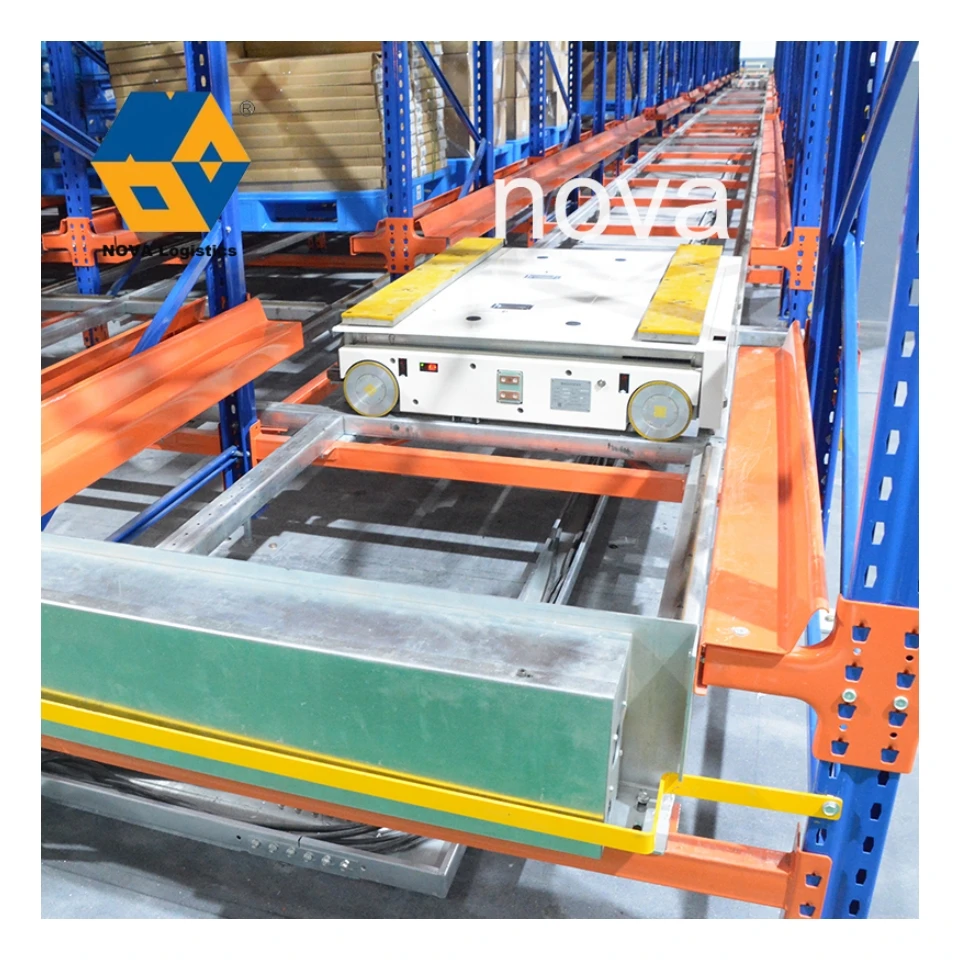
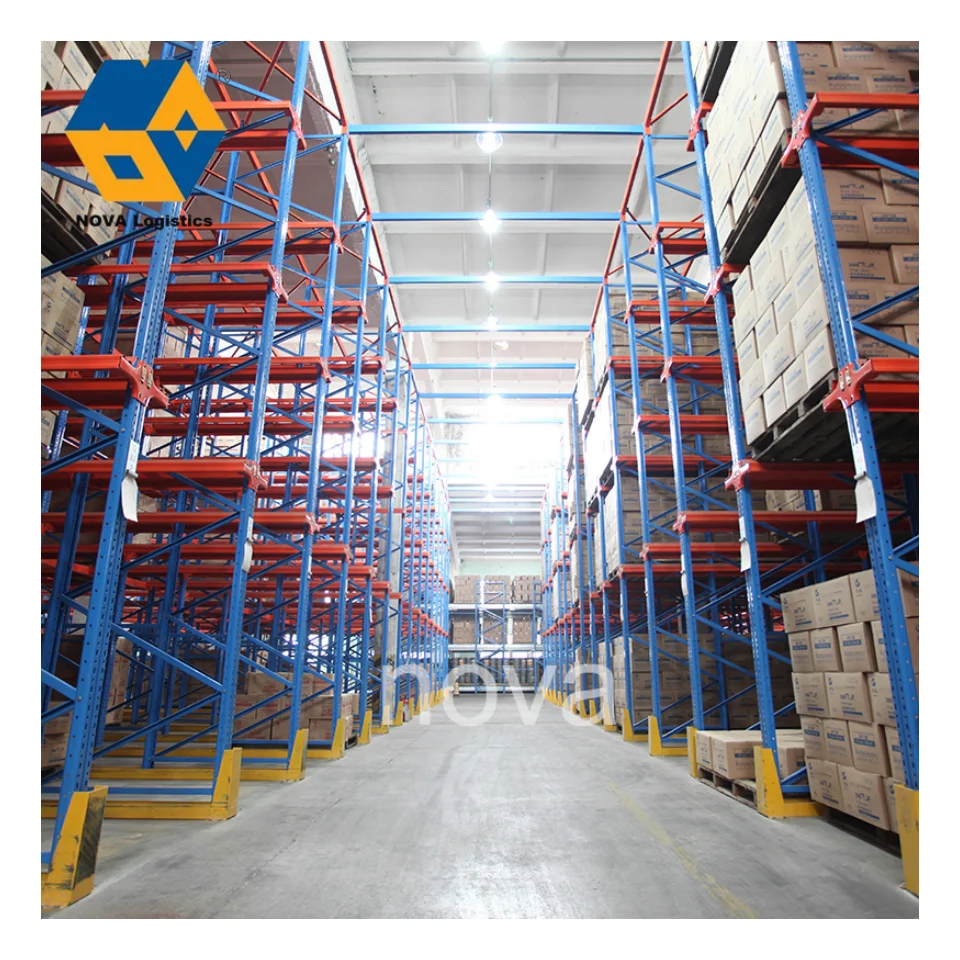
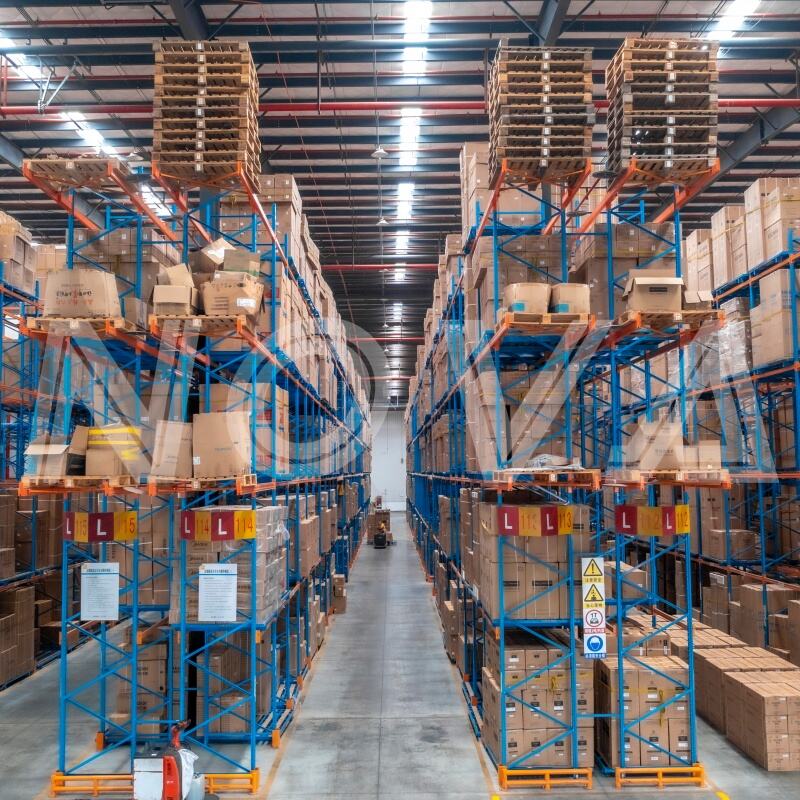
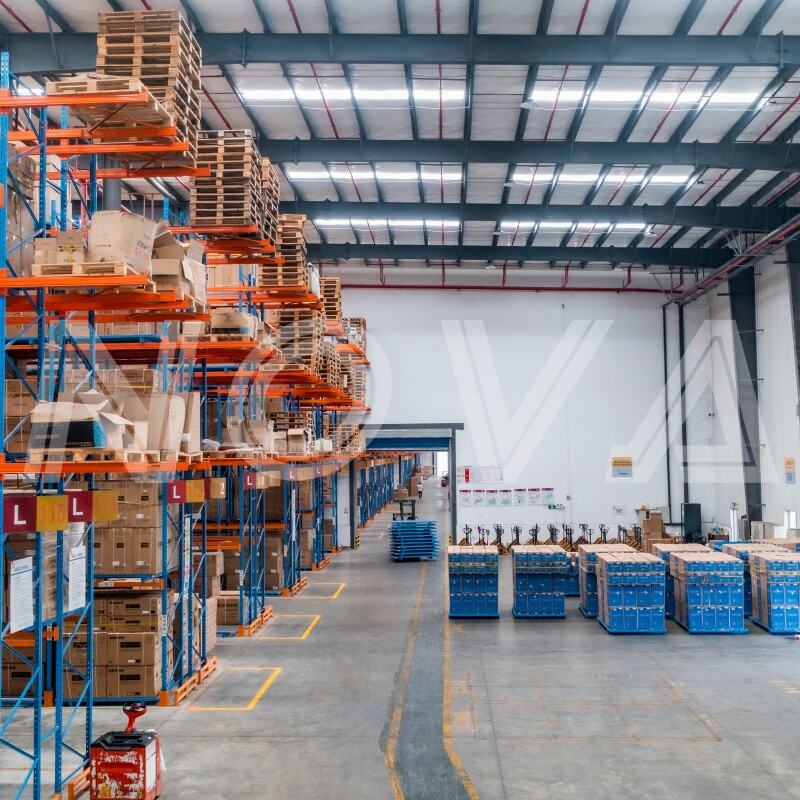
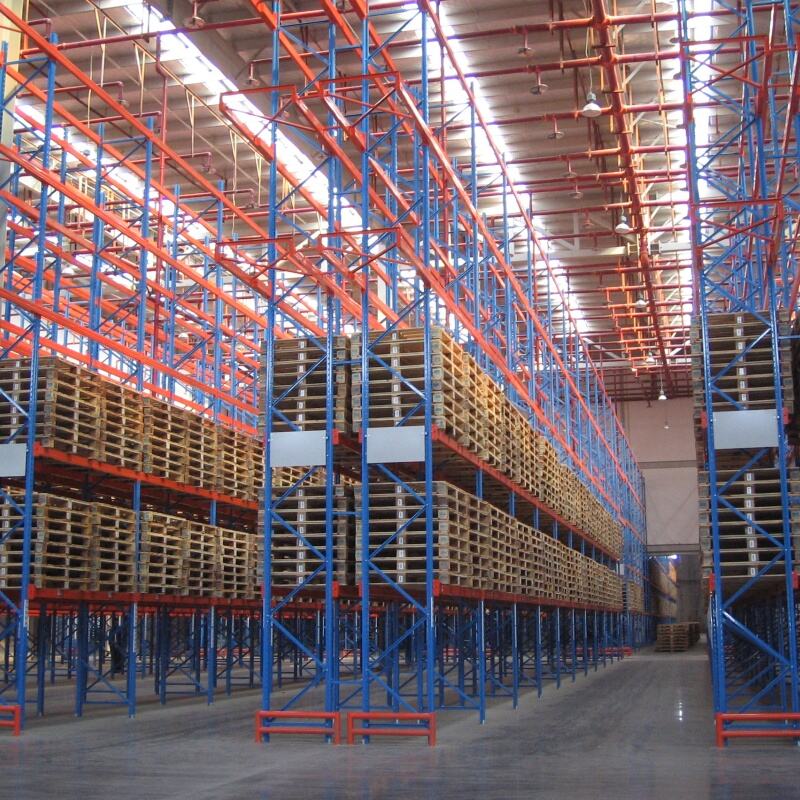
Pallet flow racking systems represent an innovative warehousing solution designed to maximize storage density while improving inventory management efficiency. These dynamic storage structures utilize gravity-fed roller lanes or wheel beds that allow pallets to move automatically from the loading end to the picking end, creating a first-in, first-out (FIFO) inventory rotation system. The fundamental design incorporates slightly inclined rails mounted within conventional selective racking frames, where pallets are loaded from the higher back end and glide forward on rollers until they reach the lower front position for retrieval. This continuous flow mechanism ensures products move naturally without requiring mechanical assistance or manual repositioning. Pallet flow racking systems excel in environments handling time-sensitive goods, perishable items, or products with expiration dates where rotation is critical. The technological foundation relies on precision-engineered components including durable rollers, speed controllers, and separator gates that regulate pallet movement and prevent collisions. Brake systems integrated throughout the lanes control descent speed, ensuring safe and controlled product flow regardless of load weight variations. These systems accommodate various pallet sizes and weights, typically supporting loads between 1,500 and 3,000 pounds per lane. The structural configuration allows warehouses to store multiple pallets deep in single picking faces, dramatically reducing aisle space requirements compared to traditional selective racking. Industries frequently implementing pallet flow racking systems include food and beverage distribution, pharmaceutical warehousing, retail distribution centers, and manufacturing facilities with high-volume product turnover. The system's versatility extends to both ambient and temperature-controlled environments, making it suitable for cold storage applications where minimizing door-open time improves energy efficiency. Installation customization options enable businesses to design configurations matching specific operational requirements, whether handling fast-moving consumer goods or managing seasonal inventory fluctuations. The engineering behind pallet flow racking systems prioritizes safety, incorporating features like rear entry guides and pallet stops that prevent loads from accidentally exiting lanes during loading operations.

New Product Recommendations

Implementing pallet flow racking systems delivers substantial operational improvements that directly impact your bottom line through enhanced efficiency and cost reduction. The automatic inventory rotation inherent in these systems eliminates manual stock rotation labor, saving your team countless hours previously spent moving products to maintain freshness. Your warehouse gains immediate space utilization benefits as these systems condense storage into deeper configurations, potentially increasing capacity by 35 to 60 percent compared to conventional racking arrangements. This density improvement means you can store significantly more inventory within your existing footprint, delaying or completely avoiding expensive facility expansion projects. The picking efficiency improvements are remarkable, as order fulflers access all SKUs from a single aisle face without traveling into deep storage zones, reducing pick times by up to 75 percent in high-volume operations. Your forklift fleet operates more productively since loading and unloading occur at separate aisle ends, eliminating traffic congestion and dangerous backing maneuvers in narrow passages. This separation creates a safer working environment by reducing accident risks associated with equipment operating in confined spaces. Product damage decreases substantially because pallets move smoothly on roller systems rather than being repeatedly handled by machinery, preserving package integrity and reducing shrinkage costs. The first-in, first-out flow guarantees your oldest inventory ships first, virtually eliminating spoilage and expiration losses that plague businesses handling date-sensitive merchandise. Your inventory accuracy improves dramatically since each lane contains a single SKU, simplifying cycle counting procedures and reducing picking errors that frustrate customers and increase return processing expenses. Energy consumption in refrigerated facilities drops noticeably because the compact design reduces the cubic volume requiring cooling, and faster picking operations minimize the duration doors remain open. The system adapts easily to seasonal demand fluctuations, allowing you to reconfigure lane depths and quantities without major structural modifications. Your return on investment typically materializes within two to four years through combined labor savings, space optimization, reduced product loss, and improved order accuracy. Maintenance requirements remain minimal since gravity provides the motive force, eliminating motors, conveyors, and complex mechanical systems that require regular servicing and eventual replacement. The straightforward design means your maintenance team can quickly address any issues using basic tools and readily available replacement components. Employee training proceeds rapidly as workers intuitively understand the gravity-flow concept, reducing onboarding time and allowing new staff to achieve full productivity quickly. The visual inventory management benefits cannot be overstated, as supervisors immediately identify low-stock situations by observing lane depths from picking aisles, enabling proactive replenishment decisions that prevent stockouts.

Tips And Tricks

What Makes a Longspan Rack Ideal for Medium- to Heavy-Duty Storage?

13

Jan

What Makes a Longspan Rack Ideal for Medium- to Heavy-Duty Storage?

Modern warehouses and industrial facilities face increasing pressure to optimize storage capacity while maintaining efficient access to inventory. The longspan rack has emerged as a versatile solution that bridges the gap between light-duty shelving ...
View More
How Do You Choose the Right Longspan Rack for Changing Inventory Types?

13

Jan

How Do You Choose the Right Longspan Rack for Changing Inventory Types?

Modern warehouses face constant challenges in adapting their storage systems to accommodate varying inventory types and fluctuating stock levels. A longspan rack system offers the versatility and adaptability needed to handle these dynamic requiremen...
View More
How Does a Warehouse Mezzanine Increase Storage Capacity Efficiently?

13

Jan

How Does a Warehouse Mezzanine Increase Storage Capacity Efficiently?

Modern warehouse operations face mounting pressure to maximize storage capacity without expanding their physical footprint. A warehouse mezzanine represents one of the most effective solutions for increasing storage density while maintaining operatio...
View More
How Automated Storage and Retrieval Systems Enhance Inventory Accuracy

05

Feb

How Automated Storage and Retrieval Systems Enhance Inventory Accuracy

Modern warehouses face unprecedented challenges in maintaining accurate inventory levels while managing increasing order volumes and customer expectations. Traditional manual tracking methods have become insufficient for businesses seeking competitiv...
View More

Get a Free Quote

Our representative will contact you soon.
Email
Name
Company Name
Message
0/1000

pallet flow racking systems

Maximized Storage Density Through Intelligent Space Utilization

Maximized Storage Density Through Intelligent Space Utilization

Pallet flow racking systems revolutionize warehouse space management by transforming how businesses approach storage density challenges. Traditional selective racking requires multiple aisles to access stored pallets, consuming valuable square footage that could otherwise generate revenue through increased inventory capacity. These gravity-flow systems fundamentally reimagine space allocation by stacking pallets multiple positions deep within single lanes, accessible from dedicated loading and unloading faces. The engineering approach consolidates what previously required several aisles into streamlined configurations where products flow continuously from back to front. Warehouses implementing these solutions routinely achieve storage density increases ranging from 35 to 60 percent compared to conventional racking layouts, translating directly into postponed or eliminated facility expansion costs. The financial implications extend beyond construction avoidance, encompassing reduced property taxes, lower heating and cooling expenses, and decreased lighting requirements for smaller operational areas. The system's depth customization capability allows businesses to configure lanes matching specific inventory characteristics and turnover rates, with some installations featuring lanes extending 20 pallets deep for slow-moving items while maintaining shallower configurations for high-velocity products. This flexibility ensures optimal space utilization across diverse product portfolios without forcing compromise between accessibility and density. The vertical space utilization complements horizontal density, as these systems integrate seamlessly with multi-level racking structures, effectively multiplying storage capacity within fixed building heights. Facilities operating in expensive real estate markets gain disproportionate advantages, as maximizing existing square footage delays capital-intensive relocation or expansion projects that divert resources from core business operations. The reduced aisle requirements also minimize forklift fleet size needs, generating additional savings through lower equipment acquisition costs, reduced maintenance expenses, and decreased operator labor requirements. Businesses experiencing growth find these systems particularly valuable, as the enhanced density accommodates inventory expansion within current facilities, supporting revenue growth without proportional increases in occupancy costs. The space efficiency benefits extend to specialized environments like cold storage, where every square foot of refrigerated space carries premium operational costs. By concentrating products into smaller footprints, companies reduce the conditioned volume requiring expensive temperature control, directly lowering utility expenses while maintaining full inventory accessibility. The installation process itself respects space constraints, as pallet flow racking systems retrofit into existing facilities without requiring structural building modifications, preserving operational continuity during implementation.
Enhanced Operational Efficiency Through First-In First-Out Inventory Control

Enhanced Operational Efficiency Through First-In First-Out Inventory Control

The automatic first-in, first-out rotation capability embedded within pallet flow racking systems addresses one of the most persistent challenges in inventory management: ensuring product freshness and preventing expiration losses. This inherent characteristic operates continuously without requiring electronic tracking systems, manual intervention, or complex procedures that introduce human error opportunities. Products loaded at the elevated rear automatically advance toward the picking face as front pallets are removed, guaranteeing the oldest inventory always occupies the retrieval position. This mechanical certainty proves invaluable for businesses handling perishable goods, pharmaceuticals, food products, or any merchandise with limited shelf life where rotation discipline directly impacts profitability. The elimination of manual rotation labor delivers immediate cost savings, as warehouse staff no longer spend hours relocating pallets to maintain proper stock flow, redirecting that labor toward value-adding activities like quality control or order fulfillment. The operational simplicity reduces training requirements since workers cannot accidentally pick out-of-sequence inventory even during high-pressure periods when shortcuts tempt rushed employees. This foolproof rotation mechanism provides peace of mind for quality assurance managers who previously worried about expired products reaching customers despite established procedures. The system's transparency allows supervisors to visually verify rotation compliance simply by observing lane operation, unlike complex warehouse management systems requiring data analysis to confirm proper stock movement. Businesses subject to regulatory scrutiny particularly appreciate this built-in compliance feature, as the physical impossibility of rotation violations simplifies audit processes and reduces regulatory risk exposure. The consistent product flow also stabilizes quality standards since inventory spends predictable durations in storage, enabling accurate shelf-life management and reducing the variability that complicates quality assurance protocols. Pick accuracy improvements accompany rotation benefits, as each lane contains a single SKU in chronological sequence, eliminating the confusion that occurs when multiple production lots occupy the same location in traditional racking. Order fulfillment speed increases substantially since pickers access required products immediately at lane fronts without searching through multiple pallets or verifying production dates. The reduced handling translates into lower product damage rates, as items move smoothly via gravity rather than enduring repeated forklift contacts that cause package degradation. Companies operating multiple shifts find these systems particularly advantageous, as the automatic rotation functions identically regardless of which crew loads or picks inventory, maintaining consistency across varying employee skill levels and experience. The psychological benefits extend to customer relationships, as businesses confidently guarantee product freshness, strengthening brand reputation and reducing costly returns stemming from quality complaints.
Improved Safety and Productivity Through Separated Traffic Flow

Improved Safety and Productivity Through Separated Traffic Flow

Pallet flow racking systems fundamentally enhance warehouse safety profiles by physically separating loading and unloading operations into distinct aisles, eliminating the dangerous conflicts that occur when forklifts operate in shared spaces. Traditional racking configurations force equipment operators to navigate the same narrow aisles for both put-away and picking activities, creating collision risks, near-miss incidents, and the constant stress of avoiding coworkers in confined areas. The flow-through design establishes dedicated loading aisles at the system's rear and separate picking aisles at the front, allowing these critical functions to proceed simultaneously without spatial interference. This separation removes the most common forklift accident scenarios from your facility, including backing collisions, blind-corner impacts, and the pedestrian strikes that occur when order pickers work near active equipment traffic. Safety managers appreciate how this configuration inherently controls risk without relying on behavioral compliance or procedural adherence that can fail during busy periods. The productivity gains accompanying this safety improvement prove equally compelling, as loaders and pickers work independently at maximum efficiency without waiting for aisle access or coordinating movements with other operators. Throughput capacity increases substantially when both activities proceed concurrently rather than competing for the same workspace, enabling warehouses to process higher volumes without proportional increases in labor or equipment resources. The streamlined traffic patterns reduce operator fatigue since drivers follow simple, repetitive paths rather than constantly maneuvering in tight quarters, backing up, and navigating congested areas that demand intense concentration. This reduced stress translates into fewer errors, lower accident rates, and improved employee retention as workers appreciate safer, less demanding conditions. The unidirectional flow also accelerates training for new forklift operators, as the straightforward traffic patterns prove easier to master than complex navigation requirements in conventional warehouses. Equipment maintenance costs decline because the controlled, forward-moving operation patterns reduce the wear associated with constant direction changes, tight turns, and the harsh braking common in congested aisles. The design accommodates various material handling equipment types, from counterbalance forklifts to reach trucks, allowing businesses to select the most appropriate machinery for their specific operational requirements without system compatibility concerns. Insurance carriers recognize these safety improvements, often providing premium reductions for facilities implementing designs that demonstrably reduce accident frequency and severity.


Get a Free Quote

Our representative will contact you soon.
Email
Name
Company Name
Message
0/1000

Get a Free Quote

Our representative will contact you soon.
Email
Name
Company Name
Message
0/1000