Pallet Live Storage Systems: Maximize Warehouse Space and Efficiency with Dynamic FIFO Solutions

All Categories

Get a Free Quote

Our representative will contact you soon.
Email
Name
Company Name
Message
0/1000

pallet live storage

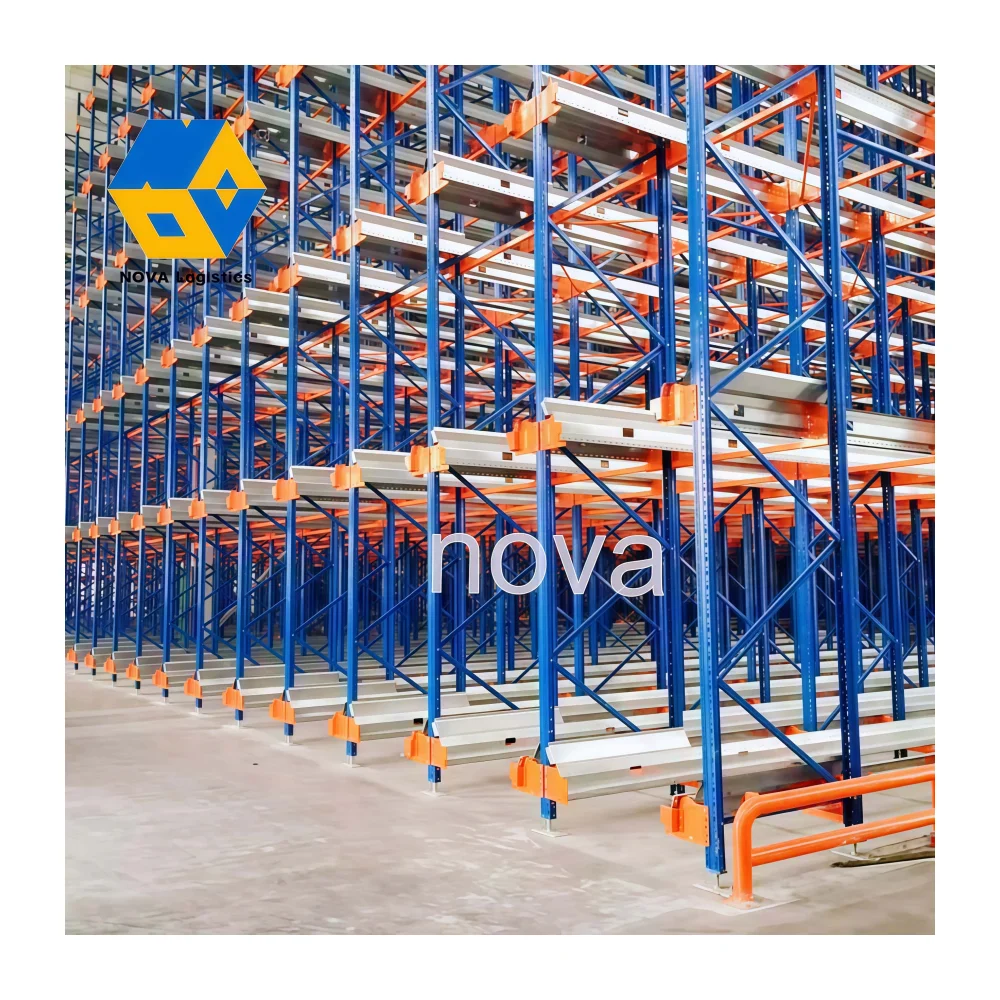
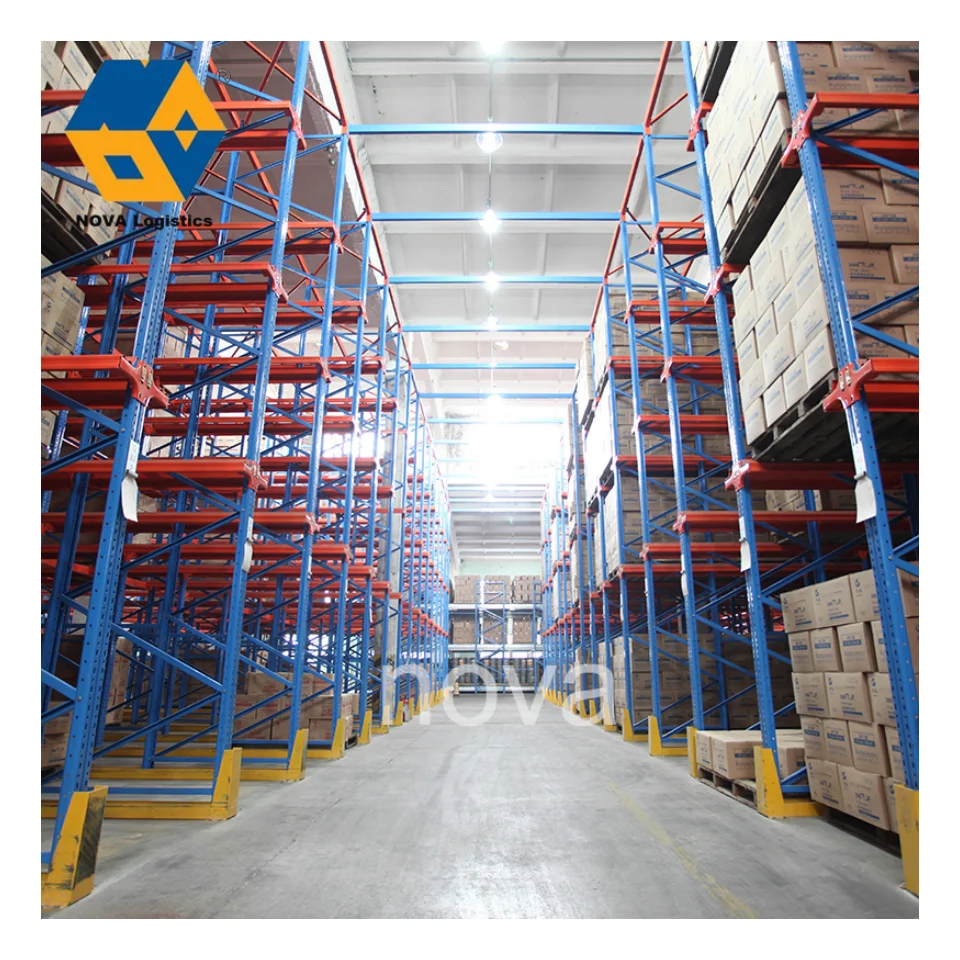
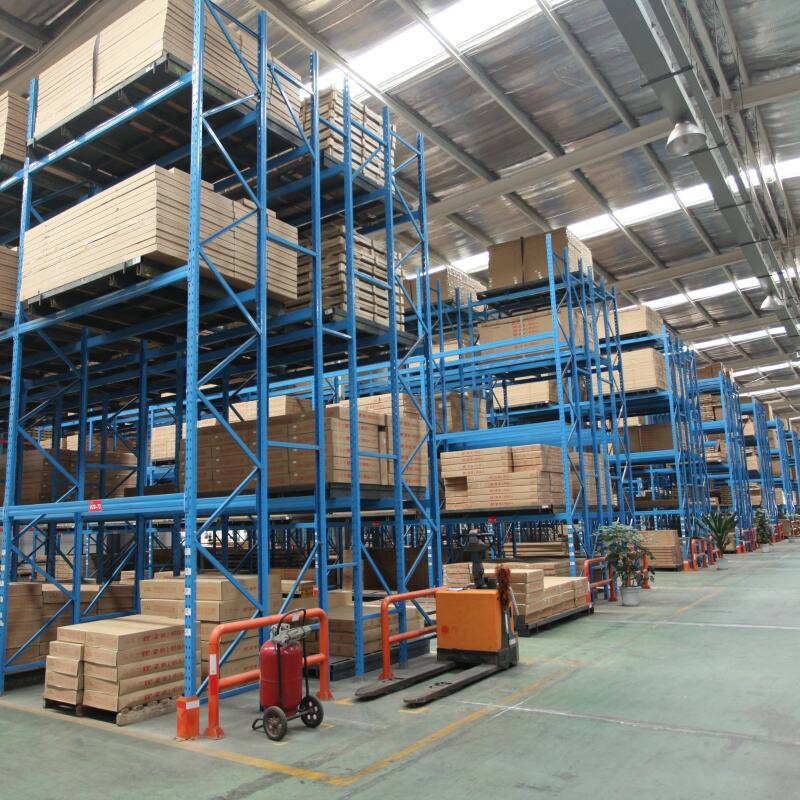
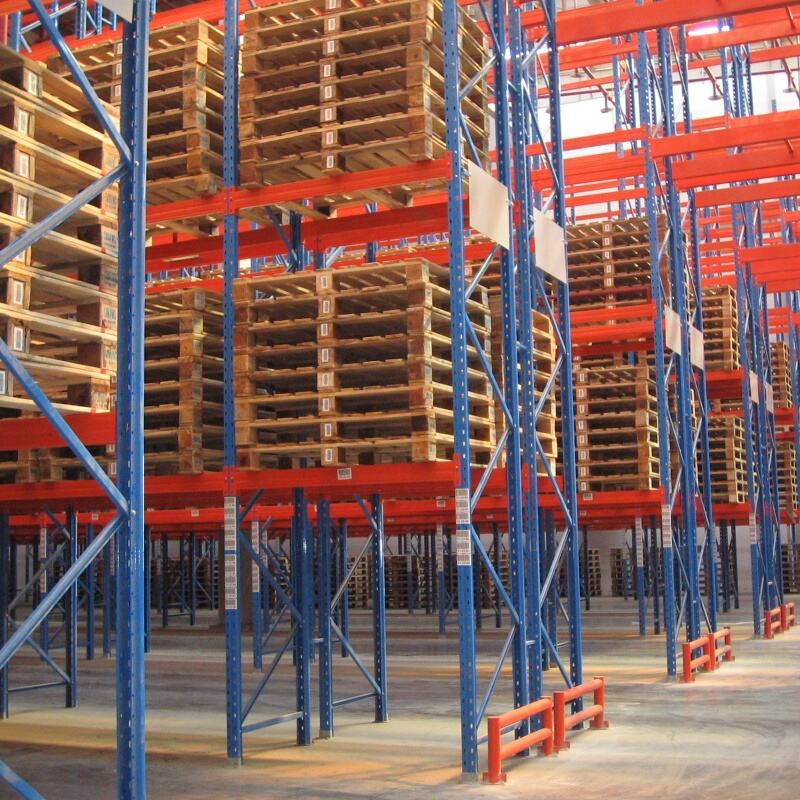
Pallet live storage represents an innovative warehousing solution designed to maximize space utilization while streamlining inventory management processes. This dynamic storage system operates on the first-in, first-out principle, utilizing gravity-fed roller lanes or wheel tracks that allow pallets to move automatically from the loading end to the picking face. The pallet live storage system consists of slightly inclined lanes equipped with rollers or wheels, creating a continuous flow pathway for stored goods. When a pallet is loaded at the higher end, it gently glides forward using gravity until it reaches the front position, ready for retrieval. This automated movement eliminates the need for manual repositioning and ensures consistent stock rotation. The technological framework incorporates speed controllers and braking mechanisms that regulate pallet movement, preventing damage and ensuring safe operation. These systems can be customized to accommodate various pallet sizes, weight capacities, and lane configurations, making them adaptable to diverse warehouse environments. Pallet live storage finds extensive applications across industries requiring efficient stock rotation, including food and beverage distribution, pharmaceutical storage, cold storage facilities, manufacturing plants, and retail distribution centers. The system proves particularly valuable for businesses handling perishable goods or products with expiration dates, where maintaining proper stock sequence is critical. By separating loading and picking operations onto opposite sides of the racking structure, pallet live storage significantly reduces aisle congestion and minimizes forklift travel distances. This separation creates dedicated workflows that enhance operational safety and productivity. The compact design allows businesses to store more inventory within the same footprint compared to traditional static racking systems, effectively increasing storage density by up to fifty percent. Modern pallet live storage installations can integrate with warehouse management systems, providing real-time inventory tracking and automated replenishment alerts that further optimize supply chain operations.

New Product Releases

Implementing pallet live storage delivers substantial operational improvements that directly impact your bottom line. The system dramatically increases storage capacity without requiring additional floor space, allowing you to maximize every square foot of your existing warehouse. This space efficiency translates into lower real estate costs and the ability to scale operations without investing in facility expansion. Your warehouse staff will experience significant productivity gains because the system brings products directly to the picking face, eliminating time wasted searching for items or traveling between storage locations. Workers can focus on value-added activities rather than navigating through aisles, resulting in faster order fulfillment and reduced labor costs. The automatic stock rotation inherent in pallet live storage ensures that older inventory moves forward first, virtually eliminating product obsolescence and waste. This feature becomes especially valuable when managing perishable goods, time-sensitive materials, or products with shelf-life considerations, protecting your investment and maintaining product quality. Safety improvements represent another compelling advantage, as the system reduces forklift traffic and minimizes the need for operators to enter storage lanes. With loading and unloading occurring on separate aisles, the risk of collisions and accidents decreases substantially, creating a safer work environment and potentially lowering insurance premiums. The simplified inventory management process reduces errors and improves accuracy, as products naturally maintain their sequence without manual intervention. Your team can quickly locate items and verify stock levels, leading to better demand forecasting and purchasing decisions. Energy costs decline because forklifts travel shorter distances and spend less time idling in aisles, contributing to sustainability goals while reducing operational expenses. The system requires minimal maintenance compared to mechanized alternatives, as gravity provides the motive force without complex machinery or electrical components. Installation flexibility allows you to configure lane depths, widths, and heights according to your specific product mix and throughput requirements. You can easily adjust or expand the system as business needs evolve, protecting your capital investment over the long term. Temperature-controlled facilities particularly benefit from pallet live storage because reduced aisle space means less volume to climate-control, cutting refrigeration or heating costs significantly. The improved visibility into stock levels helps prevent overstock situations that tie up working capital and understock scenarios that lead to lost sales opportunities.

Latest News

How Can a Mezzanine Improve Workflow and Storage Organization?

13

Jan

How Can a Mezzanine Improve Workflow and Storage Organization?

Modern warehouses face increasing pressure to maximize storage capacity while maintaining efficient workflow operations. A warehouse mezzanine offers an innovative solution that transforms vertical space into valuable storage and operational areas. T...
View More
How Do You Choose the Right Longspan Rack for Changing Inventory Types?

13

Jan

How Do You Choose the Right Longspan Rack for Changing Inventory Types?

Modern warehouses face constant challenges in adapting their storage systems to accommodate varying inventory types and fluctuating stock levels. A longspan rack system offers the versatility and adaptability needed to handle these dynamic requiremen...
View More
How Can Automated Storage Systems Boost Supply Chain Performance?

05

Feb

How Can Automated Storage Systems Boost Supply Chain Performance?

Modern supply chains face unprecedented challenges in managing inventory, reducing costs, and maintaining operational efficiency. Companies worldwide are turning to advanced warehouse automation technologies to address these growing demands. An autom...
View More
Comparing Heavy Duty Racks with Standard Pallet Rack Systems

16

Mar

Comparing Heavy Duty Racks with Standard Pallet Rack Systems

When it comes to optimizing warehouse storage capacity and operational efficiency, selecting the right pallet racking system becomes a critical decision that impacts both immediate functionality and long-term profitability. The choice between heavy d...
View More

Get a Free Quote

Our representative will contact you soon.
Email
Name
Company Name
Message
0/1000

pallet live storage

Enhanced Space Utilization Through Intelligent Design

Enhanced Space Utilization Through Intelligent Design

Pallet live storage revolutionizes warehouse space management by implementing a high-density storage approach that fundamentally changes how you utilize vertical and horizontal dimensions. Traditional static racking requires multiple aisles for forklift access to each storage position, consuming valuable floor space that could otherwise hold inventory. In contrast, pallet live storage condenses storage depth by allowing multiple pallets to queue in single lanes, accessible from both ends for different purposes. This configuration can increase storage capacity by thirty to fifty percent within the same footprint, depending on your specific layout and product characteristics. The system achieves this density improvement by eliminating redundant access aisles and stacking inventory deeper while maintaining complete accessibility to every stock keeping unit. Consider a warehouse currently using selective racking with aisles between every row; converting to pallet live storage consolidates those aisles into productive storage zones while maintaining efficient product flow. The inclined lane design ensures that as front pallets are removed, subsequent pallets automatically advance into picking position without any mechanical assistance or manual intervention. This continuous replenishment of the picking face means your warehouse operates with consistent efficiency regardless of stock levels within each lane. The vertical space utilization also improves because the system can be designed to multiple levels, creating a three-dimensional storage matrix that leverages your building's full height capability. Modern facilities with clear heights of thirty feet or more can implement multi-tier pallet live storage configurations, multiplying ground-level capacity several times over. The structural engineering behind these systems ensures weight is distributed properly across the framework, allowing safe storage of heavy loads at various elevations. Customization options enable you to mix lane depths within the same installation, accommodating fast-moving products in shorter lanes near shipping areas while placing slower-moving items in deeper lanes. This flexibility means you can optimize the system layout based on actual inventory velocity data, creating zones that match your operational requirements. The space savings extend beyond mere capacity numbers; the improved organization reduces the physical distance between related products, facilitating faster pick sequences and more efficient order assembly. Warehouse managers gain the ability to dedicate premium front-row positions to high-velocity items while still maintaining quick access to everything stored behind them.
Seamless First-In-First-Out Inventory Management

Seamless First-In-First-Out Inventory Management

The automatic first-in-first-out inventory rotation provided by pallet live storage solves one of the most persistent challenges in warehouse operations: ensuring older stock ships before newer arrivals. This capability stems from the system's fundamental design, where loading occurs at one end while picking happens at the opposite end, creating a natural flow pathway that products follow in sequence. Unlike static storage where new pallets might accidentally be placed in front of older ones, pallet live storage physically prevents inventory from bypassing its predecessors, guaranteeing proper rotation without relying on warehouse staff to remember placement dates or check labels. This automated discipline proves invaluable for businesses handling food products, pharmaceuticals, chemicals, cosmetics, or any goods with expiration dates or quality degradation over time. The financial implications of proper stock rotation extend beyond preventing waste; maintaining product freshness protects brand reputation and customer satisfaction while ensuring compliance with industry regulations and quality standards. Pharmaceutical distributors, for example, must adhere to strict guidelines regarding product dating and cannot risk shipping expired medications, making the inherent rotation of pallet live storage a compliance tool as much as an operational one. Food distribution centers similarly benefit from the certainty that perishable items will reach customers with maximum remaining shelf life, reducing returns and strengthening relationships with retailers. The system eliminates the need for dedicated stock rotation protocols, labor-intensive date checking, and the associated administrative overhead of tracking lot numbers through manual processes. Your warehouse management system can simply record when pallets enter and exit each lane, knowing with certainty that the sequence remains intact throughout storage. This reliability simplifies inventory auditing and traceability requirements, as you can document the exact flow of specific lots from receipt through shipment. The visibility into stock age also improves demand planning because you can monitor how quickly products move through the system and adjust purchasing accordingly. Seasonal businesses particularly appreciate this feature when managing inventory buildups before peak periods, as they can be confident that products stored earliest will be the first available when demand surges. The psychological benefit for warehouse managers should not be underestimated; the peace of mind that comes from knowing inventory cannot become disorganized or missequenced allows focus on other operational priorities. Training new employees becomes simpler because the physical system enforces proper procedures automatically, reducing the learning curve and minimizing errors that typically occur during onboarding periods.
Operational Efficiency Through Workflow Separation

Operational Efficiency Through Workflow Separation

Pallet live storage creates distinct operational zones that separate inbound and outbound activities, fundamentally transforming warehouse workflow efficiency and safety. In conventional storage arrangements, forklifts performing replenishment tasks share the same aisles with those conducting picking operations, creating congestion, delays, and safety hazards as equipment navigates around each other in confined spaces. The dual-access design of pallet live storage eliminates this conflict by dedicating the rear aisles to stocking activities while the front aisles serve exclusively for order fulfillment. This separation means your receiving team can continuously replenish inventory throughout the day without interfering with shipping operations, smoothing out workload distribution and eliminating the bottlenecks that occur when both functions compete for the same space. The efficiency gains manifest in multiple ways, starting with reduced forklift travel distances that directly decrease fuel consumption, equipment wear, and operator fatigue. Instead of traveling deep into storage rows to retrieve pallets, picking operators simply work along the front face where products have automatically advanced into position. Studies have shown that this reduction in travel can cut picking times by twenty-five to forty percent compared to traditional systems, allowing the same workforce to handle greater throughput. The time savings compound throughout the workday, enabling faster order turnaround and improved customer service levels without adding staff. From a safety perspective, separating loading and unloading traffic reduces accident risk substantially because forklifts travel in more predictable patterns with fewer intersection points where collisions might occur. Your safety metrics will improve as near-misses and actual incidents decline, contributing to better employee morale and lower workers' compensation costs. The operational clarity also benefits warehouse supervision and management, as each zone has clearly defined responsibilities and performance metrics become easier to track and optimize. Inbound teams can be evaluated on stocking speed and accuracy, while outbound teams focus on pick rates and order accuracy, creating accountability without overlap or confusion about responsibilities. The physical separation facilitates better inventory control because products flow through a defined pathway rather than being scattered across various locations depending on space availability at the moment of receipt. This controlled flow integrates seamlessly with warehouse management systems, providing accurate real-time data about inventory positions and movement. The system's design also accommodates varying operational tempos, absorbing fluctuations in receiving or shipping volumes without creating gridlock, because each side operates independently. During peak shipping periods, your picking operations can run at maximum capacity without being slowed by simultaneous restocking activities.


Get a Free Quote

Our representative will contact you soon.
Email
Name
Company Name
Message
0/1000

Get a Free Quote

Our representative will contact you soon.
Email
Name
Company Name
Message
0/1000