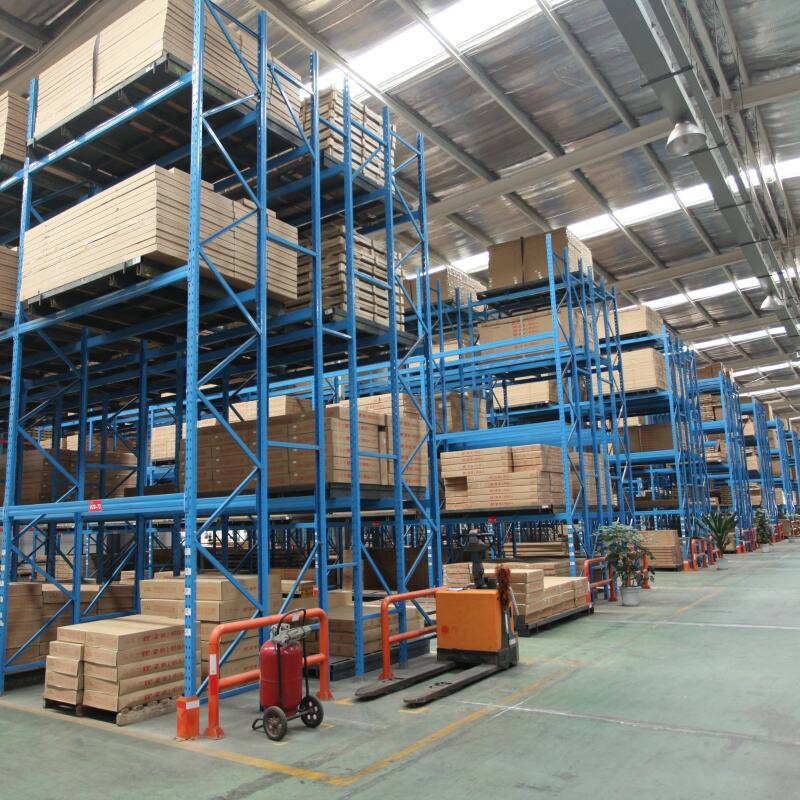
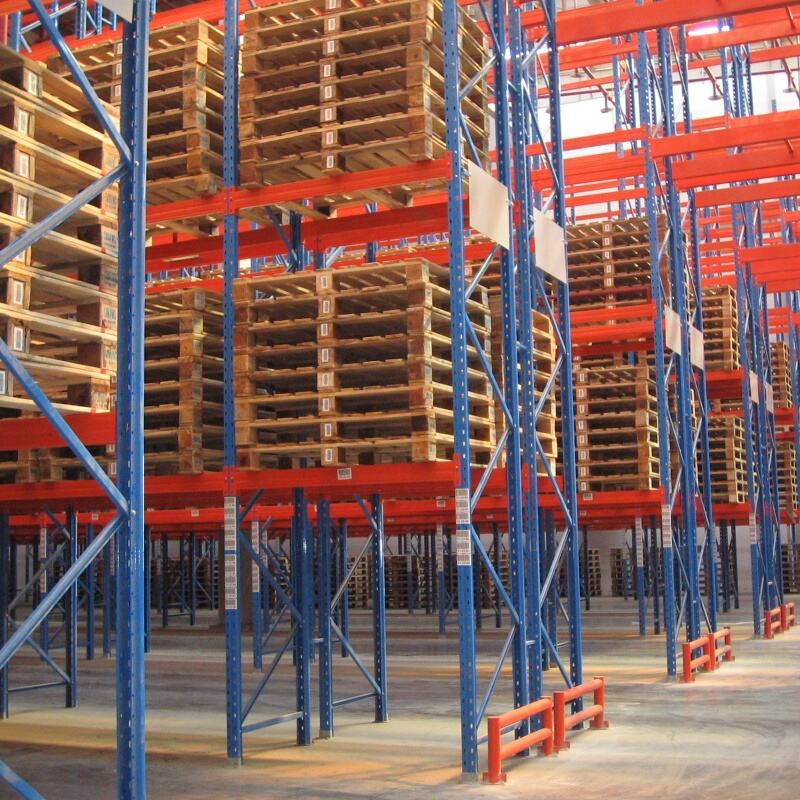
ការផ្ទុកប៉ាឡែតប្រភេទ Live
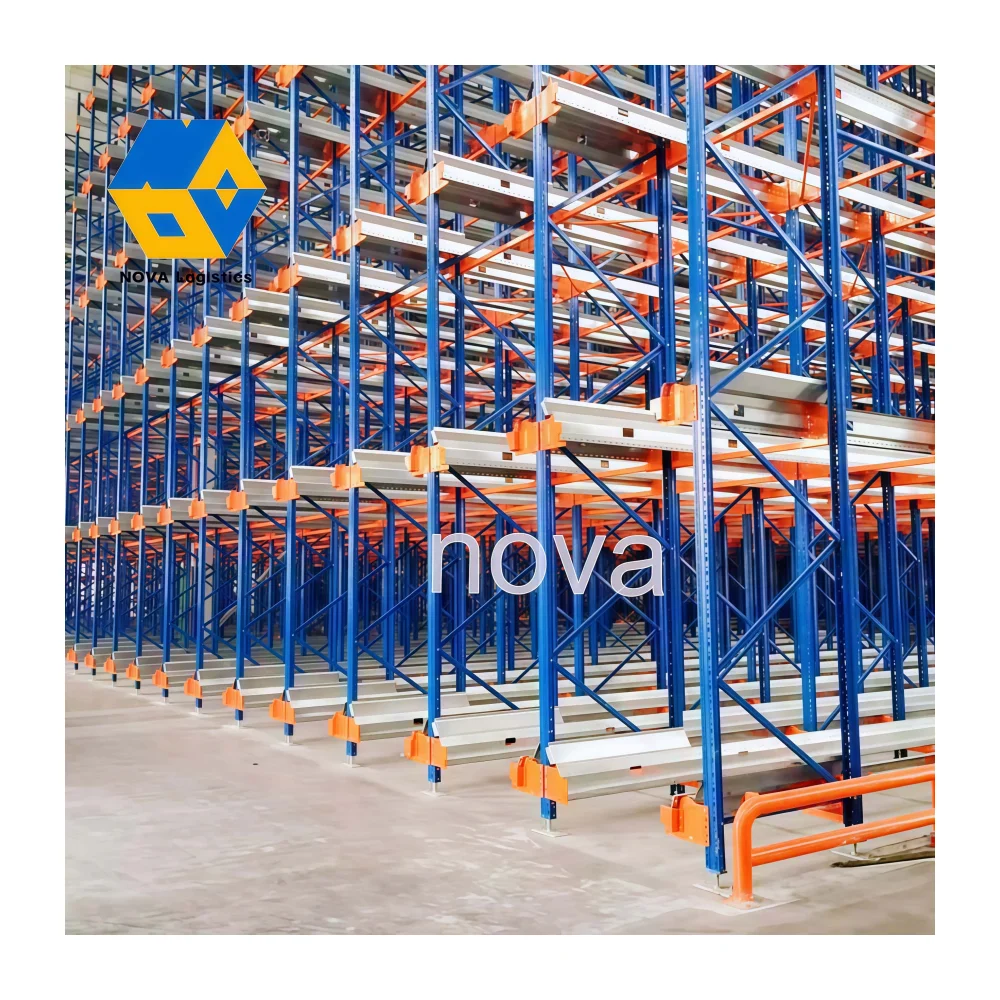
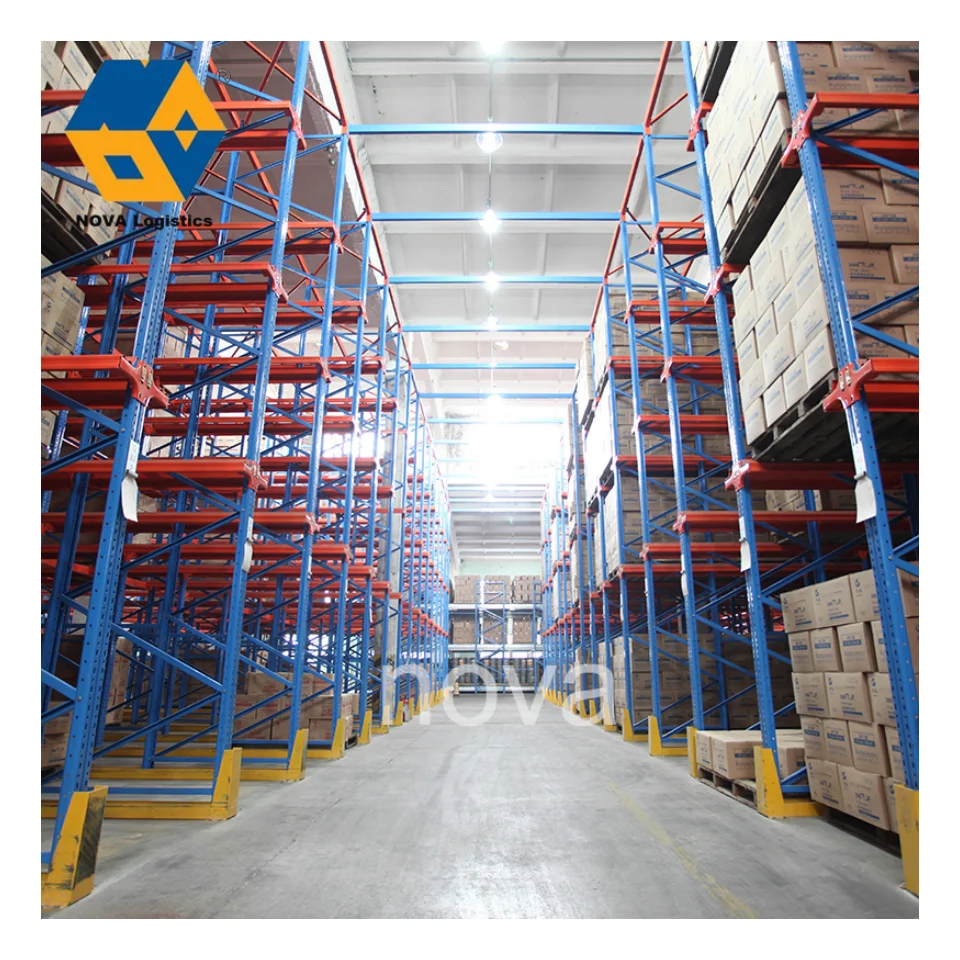
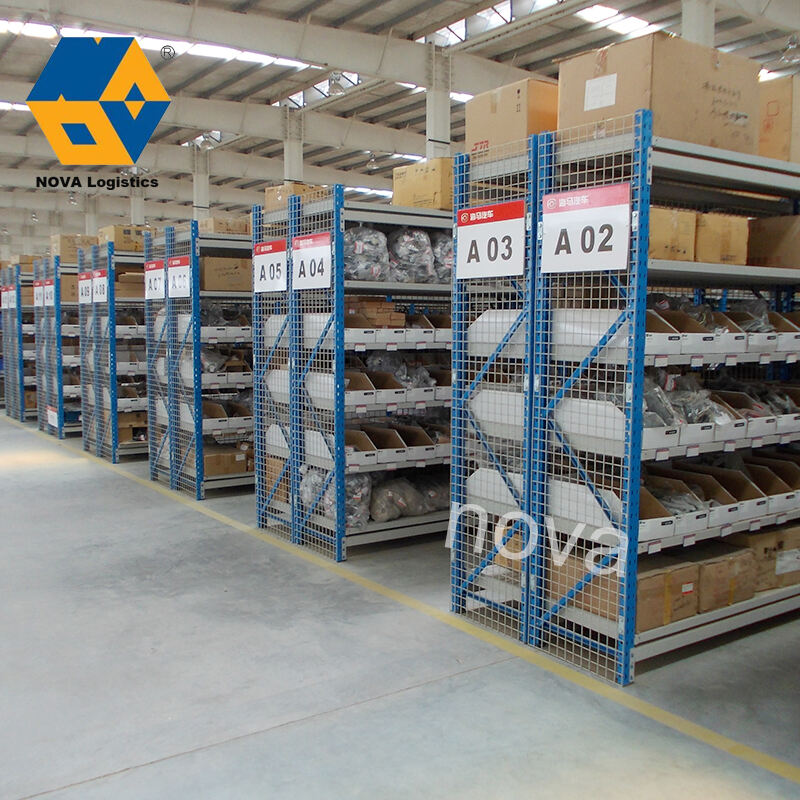
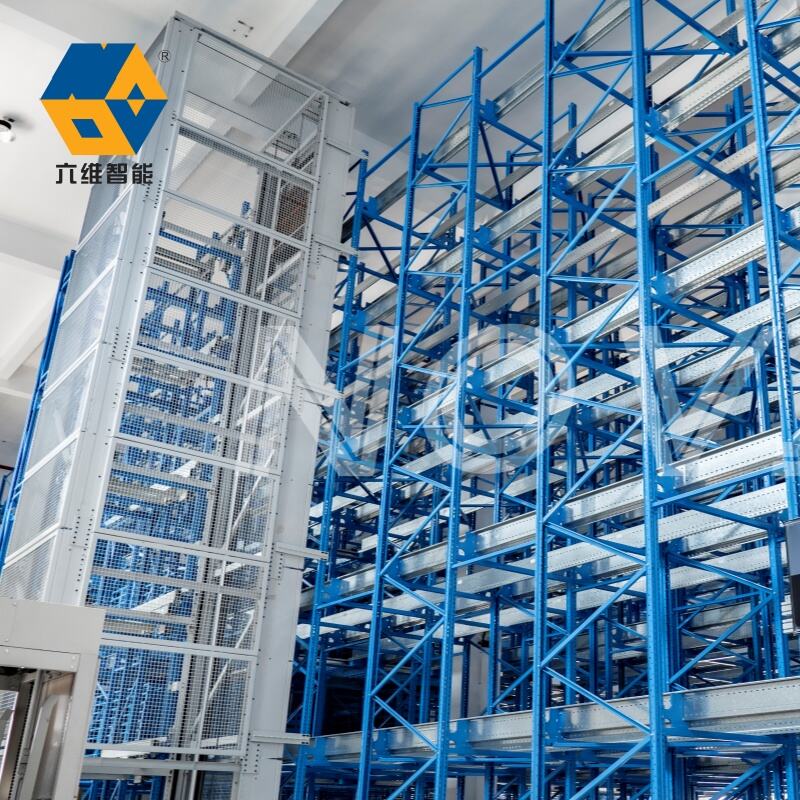
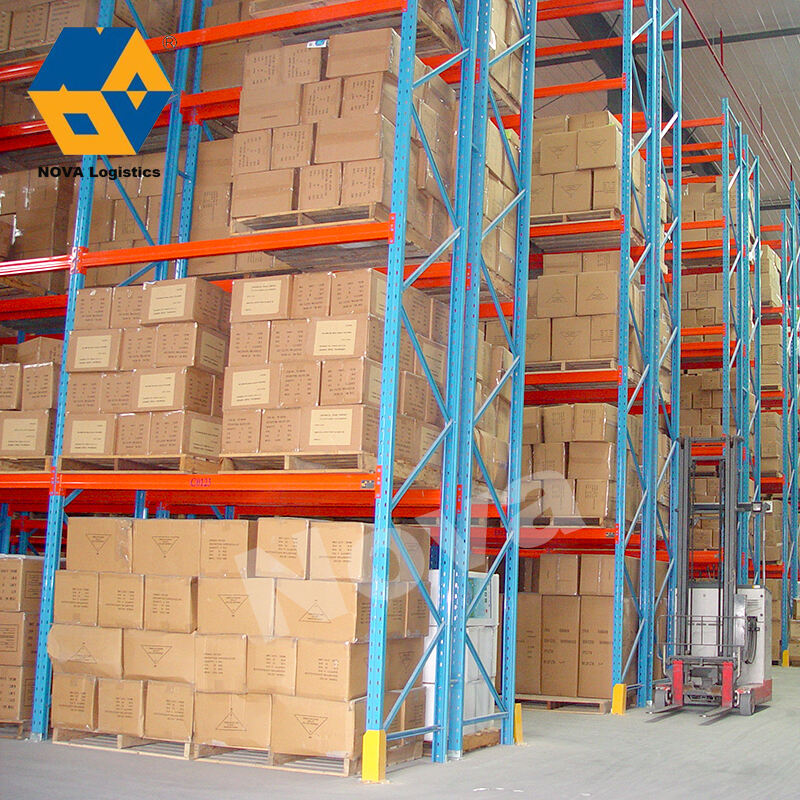
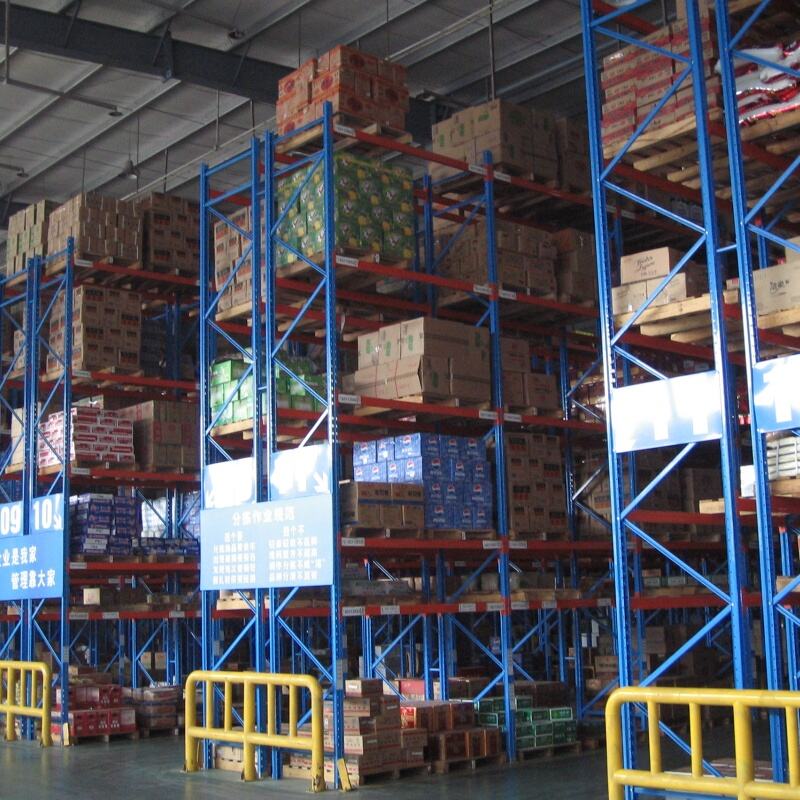
ការផ្ទុកប៉ាឡេតដែលមានសកម្មភាព (Pallet live storage) គឺជាដំណោះស្រាយថ្មីសម្រាប់ការផ្ទុកទំនិញ ដែលត្រូវបានរចនាឡើងដើម្បីប្រើប្រាស់ទំហំផ្ទៃដីឱ្យបានអតិបរមា និងធ្វើឱ្យដំណើរការគ្រប់គ្រងស្តុកទំនិញមានសារប្រយោជន៍ជាងមុន។ ប្រព័ន្ធផ្ទុកឌីណាមិកនេះដំណើរការតាមគោលការណ៍ «ចូលមុន ចេញមុន» (first-in, first-out) ដោយប្រើប្រាស់ផ្លូវរីលាក់ (roller lanes) ឬផ្លូវរ៉ូលែរ (wheel tracks) ដែលប្រើកម្លាំងទំនាញដើម្បីឱ្យប៉ាឡេតធ្វើចលនាដោយស្វ័យប្រវ័ត្តពីចុងដែលផ្ទុកទៅចុងដែលជ្រើសរើសទំនិញ។ ប្រព័ន្ធផ្ទុកប៉ាឡេតដែលមានសកម្មភាព មានផ្លូវរ៉ូលែរ ឬផ្លូវរីលាក់ដែលប៉ះទឹក (slightly inclined lanes) ដែលបង្កើតជាផ្លូវចរាចរបន្តសម្រាប់ទំនិញដែលបានផ្ទុក។ នៅពេលដែលប៉ាឡេតមួយត្រូវបានផ្ទុកនៅចុងខាងលើ វានឹងរអិលទៅមុខដោយស្វ័យប្រវ័ត្តដោយប្រើកម្លាំងទំនាញ រហូតដល់ទីតាំងខាងមុខ ដើម្បីរង់ចាំការយកទៅប្រើប្រាស់។ ចលនាដែលបានធ្វើដោយស្វ័យប្រវ័ត្តនេះ បានលុបបំបាត់ការផ្លាស់ទីដោយដៃ ហើយធានាបាននូវការបង្វិលស្តុកដែលស្ថិតស្ថេរ។ គ្រឿងបរិក្ខារបច្ចេកវិទ្យារបស់ប្រព័ន្ធនេះ រួមមានការគ្រប់គ្រងល្បឿន និងប្រព័ន្ធប៉ះ (braking mechanisms) ដែលគ្រប់គ្រងចលនារបស់ប៉ាឡេត ដើម្បីការពារការខូចខាត និងធានាបាននូវសុវត្ថិភាពក្នុងការប្រើប្រាស់។ ប្រព័ន្ធទាំងនេះអាចត្រូវបានកែសម្រួលឱ្យសមស្របនឹងទំហំប៉ាឡេត សមត្ថភាពទម្ងន់ និងការរៀបចំផ្លូវរ៉ូលែរផ្សេងៗគ្នា ដែលធ្វើឱ្យវាអាចប្រើបានយ៉ាងទូទៅនៅក្នុងបរិយាកាសផ្ទុកទំនិញផ្សេងៗគ្នា។ ការផ្ទុកប៉ាឡេតដែលមានសកម្មភាព ត្រូវបានអនុវត្តយ៉ាងទូទៅនៅក្នុងវិស័យផ្សេងៗដែលត្រូវការការបង្វិលស្តុកដែលមានប្រសិទ្ធិភាព រួមមាន៖ ការចែកចាយអាហារ និងភេសជ្ជៈ ការផ្ទុកថ្មាំ មជ្ឈមណ្ឌលផ្ទុកក្តៅ រោងចក្រផលិត និងមជ្ឈមណ្ឌលចែកចាយទំនិញសម្រាប់ទីផ្សារ។ ប្រព័ន្ធនេះមានតម្លៃជាពិសេសសម្រាប់អាជីវកម្មដែលដំណាំ ឬដែលទទួលបានទំនិញដែលងាយរលួល ឬទំនិញដែលមានកាលបរិច្ឆេទផុតកំណត់ ដែលការរក្សាបម្លាស់ស្តុកឱ្យបានត្រឹមត្រូវគឺជាកត្តាសំខាន់ណាស់។ ដោយការបែងចែកដំណើរការផ្ទុក និងដំណើរការជ្រើសរើសទំនិញទៅកាន់ចុងផ្ទុកផ្សេងៗគ្នា ប្រព័ន្ធផ្ទុកប៉ាឡេតដែលមានសកម្មភាព បានកាត់បន្ថយការភ្លាមៗនៅក្នុងផ្លូវចរាចរ និងកាត់បន្ថយចម្ងាយដែលគ្រឿងយកទំនិញ (forklift) ត្រូវធ្វើដំណើរ។ ការបែងចែកនេះបង្កើតជាប្រព័ន្ធប្រតិបត្តិការដែលមានភាពច្បាស់លាស់ ដែលជួយបង្កើនសុវត្ថិភាព និងផលិតភាពក្នុងការប្រើប្រាស់។ ការរចនាដែលមានទំហំតូចសម្រាប់ប្រព័ន្ធនេះ អនុញ្ញាតឱ្យអាជីវកម្មផ្ទុកទំនិញបានច្រើនជាងមុន នៅក្នុងទំហំផ្ទៃដីដូចគ្នា ប្រៀបធៀបទៅនឹងប្រព័ន្ធផ្ទុកទំនិញស្ថិតស្ថេរបែបប្រពៃណី ដែលអាចបង្កើនសារធាតុផ្ទុកបានរហូតដល់៥០%។ ការដំឡើងប្រព័ន្ធផ្ទុកប៉ាឡេតដែលមានសកម្មភាពបែបទំនើប អាចភ្ជាប់ជាមួយប្រព័ន្ធគ្រប់គ្រងសារធាតុផ្ទុក (warehouse management systems) ដើម្បីផ្តល់ការតាមដានស្តុកជាកាលៈទេសៈ និងការជូនដំណឹងស្វ័យប្រវ័ត្តសម្រាប់ការបំពេញស្តុកឡើងវិញ ដែលជួយបង្កើនប្រសិទ្ធិភាពនៃដំណើរការសារធាតុផ្ទុកទៅទំនើបប៉ុនណាស់។

 EN
EN