Pallet Storage Warehouse Solutions: Maximize Space and Efficiency

All Categories

Get a Free Quote

Our representative will contact you soon.
Email
Name
Company Name
Message
0/1000

pallet storage warehouse

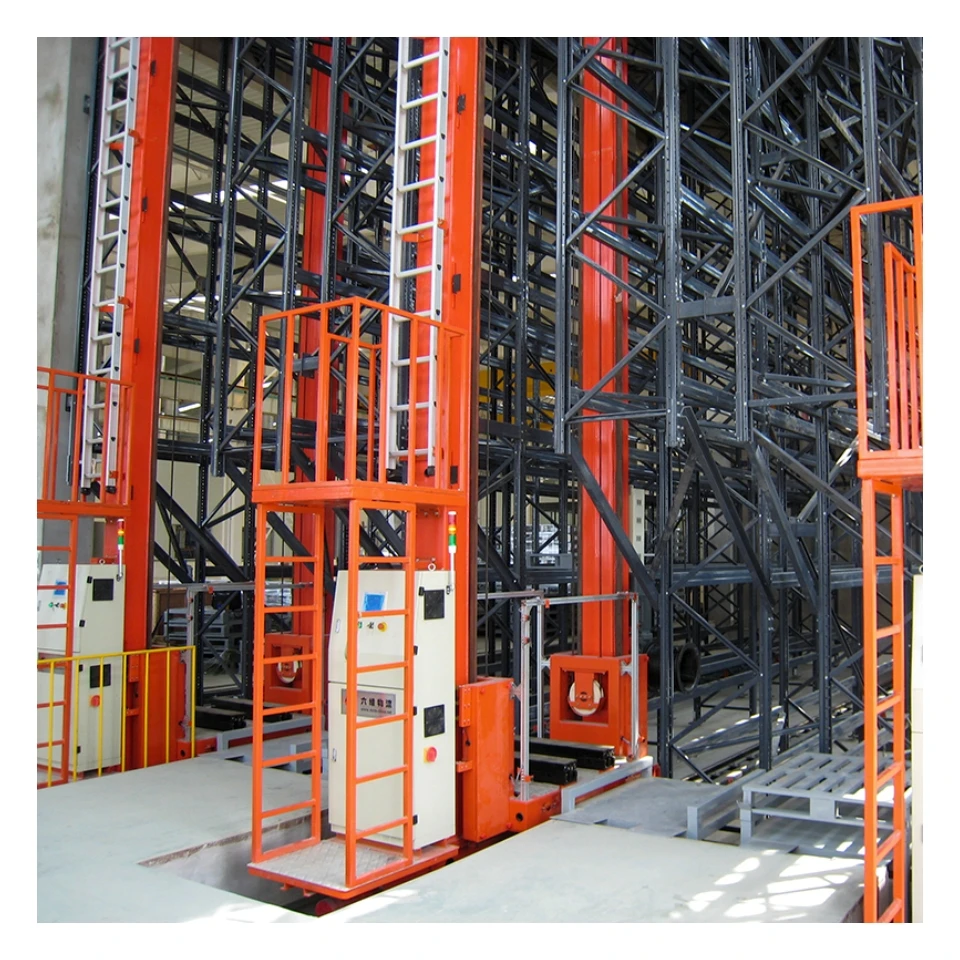
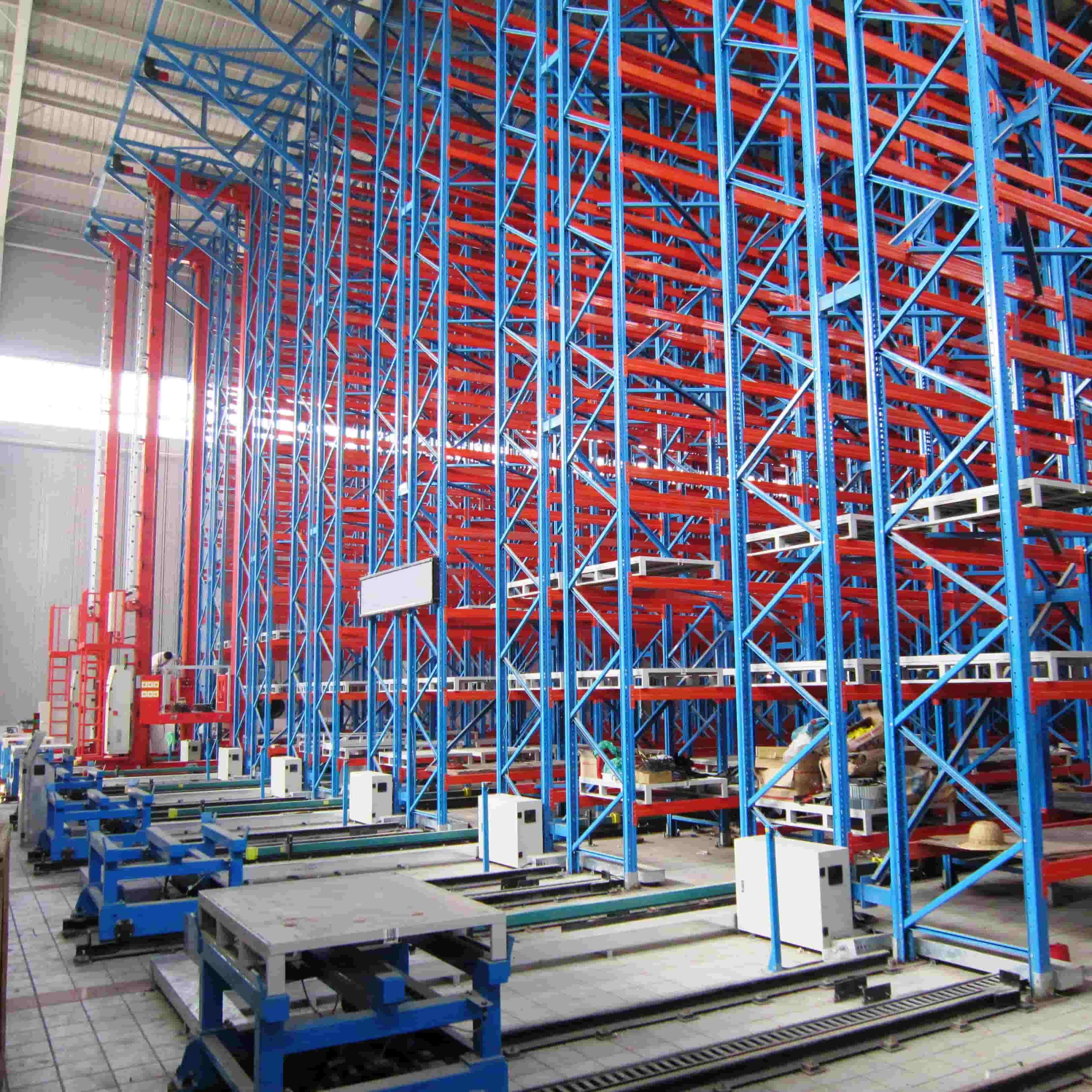
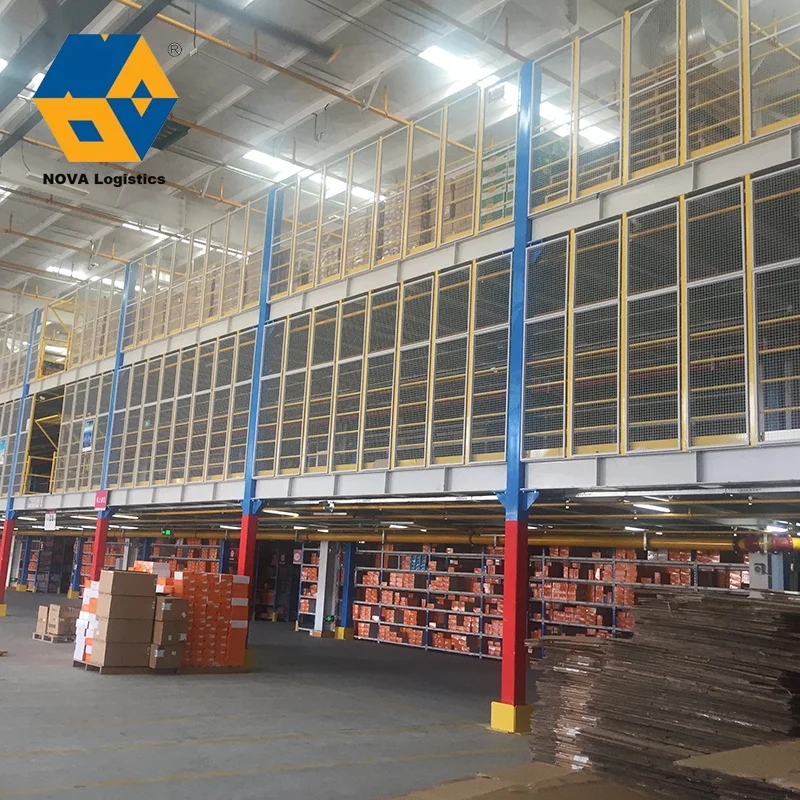
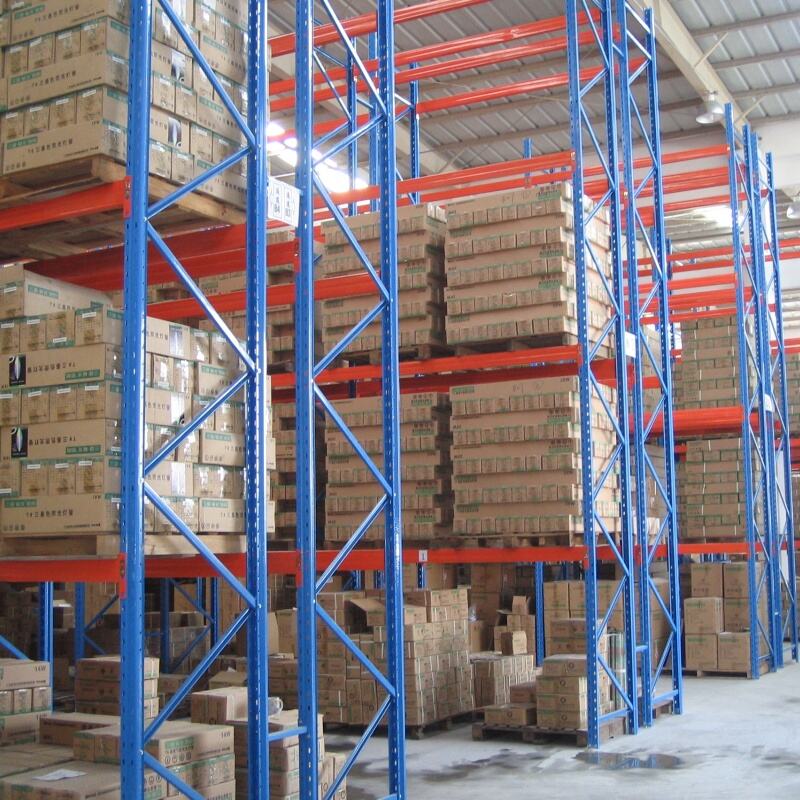
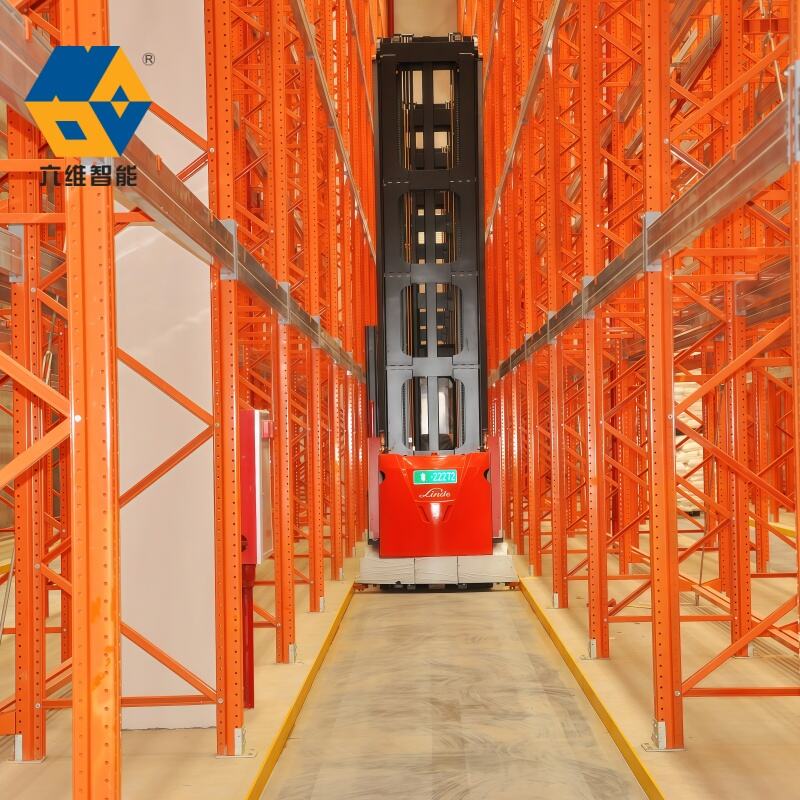
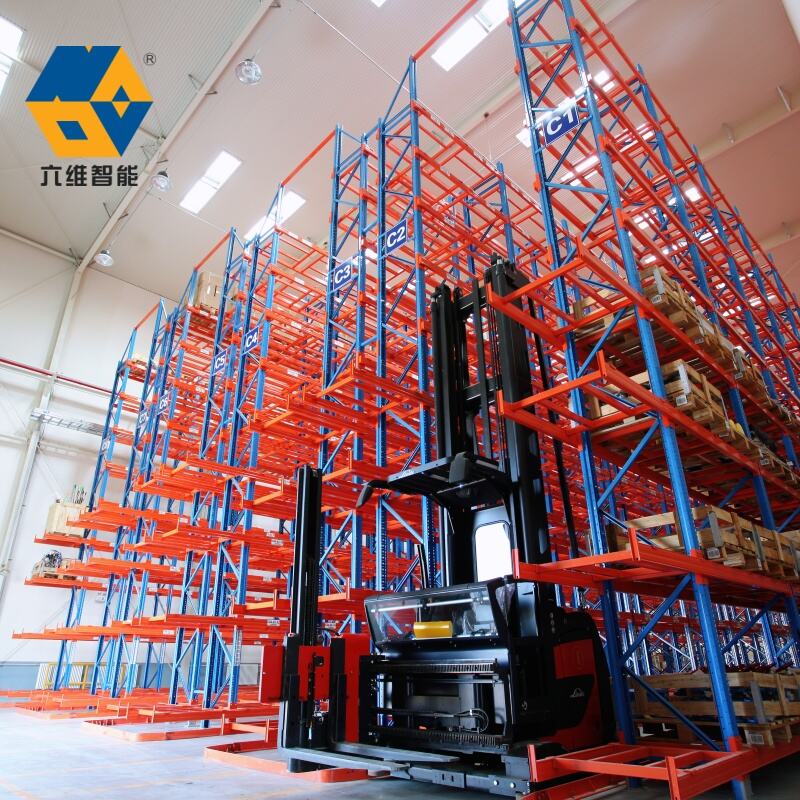
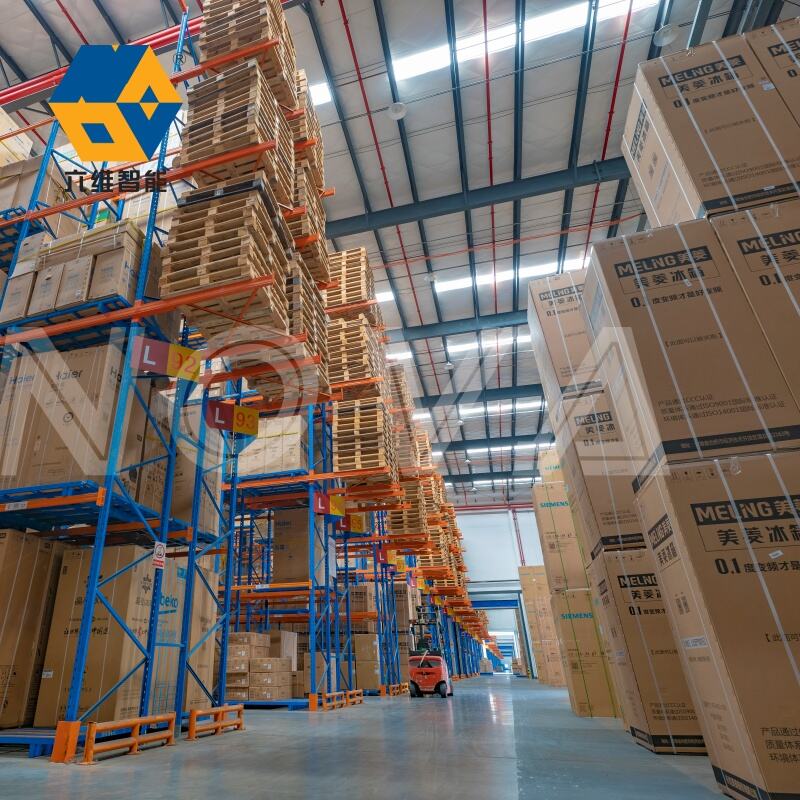
A pallet storage warehouse represents a sophisticated logistics facility specifically designed to accommodate palletized goods with maximum efficiency and organization. This specialized storage solution serves as the backbone of modern supply chain operations, enabling businesses to manage inventory systematically while optimizing available space. The primary function of a pallet storage warehouse revolves around receiving, storing, and dispatching goods that are mounted on pallets, which are flat transport structures that support goods in a stable fashion while being lifted by forklifts or pallet jacks. These warehouses incorporate advanced racking systems that allow vertical stacking of palletized merchandise, dramatically increasing storage capacity within a defined footprint. The technological features integrated into contemporary pallet storage warehouse facilities include automated retrieval systems, warehouse management software, barcode scanning technology, and climate control mechanisms that maintain optimal conditions for stored products. Radio frequency identification tags and real-time inventory tracking systems provide instant visibility into stock levels, locations, and movement patterns throughout the facility. Modern pallet storage warehouse designs emphasize accessibility, safety protocols, and operational efficiency through strategic layout planning that minimizes travel distances and maximizes throughput. The applications of pallet storage warehouse solutions span across diverse industries including manufacturing, retail distribution, food and beverage, pharmaceuticals, automotive parts, consumer electronics, and e-commerce fulfillment. These facilities accommodate various pallet types and sizes, supporting both standard and custom configurations to meet specific product requirements. The structural design of a pallet storage warehouse typically features high ceilings to maximize vertical storage potential, wide aisles to facilitate material handling equipment movement, and reinforced flooring capable of supporting substantial weight loads. Loading docks equipped with levelers and dock seals ensure efficient transfer of goods between trucks and warehouse interior spaces, while proper lighting and ventilation systems create safe working environments for personnel operating within these facilities.


New Products

The implementation of a pallet storage warehouse delivers substantial operational benefits that directly impact business profitability and customer satisfaction levels. First and foremost, these facilities maximize space utilization by enabling vertical storage that can increase capacity by three to five times compared to floor-level storage methods, allowing businesses to store more inventory without expanding their physical footprint or relocating to larger premises. This vertical approach reduces real estate costs significantly, as companies can achieve higher storage density within existing buildings rather than investing in additional square footage. The systematic organization inherent in pallet storage warehouse operations dramatically improves inventory accuracy, as each pallet occupies a designated location that can be tracked through management systems, reducing instances of lost or misplaced stock that plague less organized facilities. Operational efficiency receives a major boost through standardized handling procedures, as forklifts and other material handling equipment can quickly access and retrieve palletized goods without extensive searching or manual sorting, cutting order fulfillment times substantially and enabling faster delivery to customers. Worker safety improves considerably within pallet storage warehouse environments because proper racking systems eliminate hazardous stacking practices, reduce manual lifting requirements, and create clear pathways that minimize accident risks associated with cluttered or disorganized storage areas. The flexibility of pallet storage warehouse systems accommodates seasonal demand fluctuations and business growth, as racking configurations can be adjusted or expanded without major disruptions to ongoing operations, providing scalability that adapts to changing business needs. Inventory visibility becomes transparent through integrated tracking technologies, giving managers real-time insights into stock levels, turnover rates, and product locations, which facilitates better purchasing decisions and prevents both stockouts and overstock situations that tie up capital unnecessarily. Product protection receives enhanced attention in pallet storage warehouse facilities, where goods remain elevated above floor level, reducing exposure to water damage, pests, and contamination while allowing for controlled environmental conditions that preserve product quality throughout storage duration. The streamlined processes within pallet storage warehouse operations reduce labor costs per unit handled, as workers can move entire pallets containing multiple items simultaneously rather than handling individual pieces, multiplying productivity without increasing headcount. Loading and unloading operations proceed more smoothly because standardized pallet dimensions align with truck bed heights and widths, minimizing transfer time at docks and reducing vehicle dwell time that creates bottlenecks during peak periods.

Latest News

How Do Pallet Rack Systems Support Safer Inventory Management?

20

May

How Do Pallet Rack Systems Support Safer Inventory Management?

Warehouse safety is not a matter of chance — it is a direct result of the systems, structures, and processes that organizations put in place. Among all the variables that influence how safely a facility operates, the design and organization of storag...
View More
How Do You Choose the Right Longspan Rack for Changing Inventory Types?

13

Jan

How Do You Choose the Right Longspan Rack for Changing Inventory Types?

Modern warehouses face constant challenges in adapting their storage systems to accommodate varying inventory types and fluctuating stock levels. A longspan rack system offers the versatility and adaptability needed to handle these dynamic requiremen...
View More
How Can Automated Storage Systems Boost Supply Chain Performance?

05

Feb

How Can Automated Storage Systems Boost Supply Chain Performance?

Modern supply chains face unprecedented challenges in managing inventory, reducing costs, and maintaining operational efficiency. Companies worldwide are turning to advanced warehouse automation technologies to address these growing demands. An autom...
View More
How Can a Shuttle Rack Improve Inventory Management Efficiency?

16

Mar

How Can a Shuttle Rack Improve Inventory Management Efficiency?

Modern warehouses face unprecedented challenges in managing inventory efficiently while maximizing storage capacity. Traditional storage systems often fall short of meeting the demands of high-density storage requirements and rapid inventory turnover...
View More

Get a Free Quote

Our representative will contact you soon.
Email
Name
Company Name
Message
0/1000

pallet storage warehouse

Advanced Space Optimization Through Vertical Storage Solutions

Advanced Space Optimization Through Vertical Storage Solutions

The cornerstone advantage of implementing a pallet storage warehouse lies in its revolutionary approach to space optimization through vertical storage methodologies that transform underutilized cubic space into valuable inventory capacity. Traditional storage methods that rely primarily on floor-level placement waste the substantial vertical dimension available within warehouse structures, leaving vast amounts of potential storage space completely unused above ground level. A properly configured pallet storage warehouse employs multi-level racking systems that extend upward to near-ceiling heights, often reaching twenty to forty feet or more depending on building specifications and equipment capabilities. This vertical expansion strategy enables businesses to multiply their effective storage capacity by factors of three to six times without requiring any additional land acquisition or building construction, representing extraordinary value from existing infrastructure investments. The economic implications prove substantial when considering that commercial real estate costs continue rising in most markets, making horizontal expansion prohibitively expensive for many operations. By maximizing vertical dimensions, companies avoid costly facility relocations or warehouse additions that would drain capital budgets and disrupt established operations. The systematic organization of palletized goods within vertical racking structures creates logical storage zones that can be categorized by product type, velocity classification, or customer assignment, facilitating intuitive navigation and rapid retrieval during order fulfillment processes. High-density storage configurations such as drive-in racking, push-back systems, and automated storage and retrieval solutions further concentrate inventory within compact footprints, achieving storage densities that traditional methods cannot approach. This space efficiency translates directly into reduced occupancy costs per unit stored, improving overall warehouse economics and enhancing return on investment for storage infrastructure. The vertical approach also preserves valuable floor space for operational activities including receiving areas, quality control stations, packing zones, and shipping staging areas that require open floor plans for efficient workflow. Material handling equipment specifically designed for pallet storage warehouse environments, including reach trucks, order pickers, and narrow-aisle forklifts, enables safe access to elevated storage positions while maintaining productivity standards. The implementation of vertical storage within a pallet storage warehouse creates opportunities for sophisticated inventory management strategies such as first-in-first-out rotation for perishable goods, batch tracking for regulated products, and ABC analysis positioning that places high-velocity items in easily accessible locations while storing slower-moving inventory in higher positions.
Enhanced Operational Efficiency Through Standardization and Automation

Enhanced Operational Efficiency Through Standardization and Automation

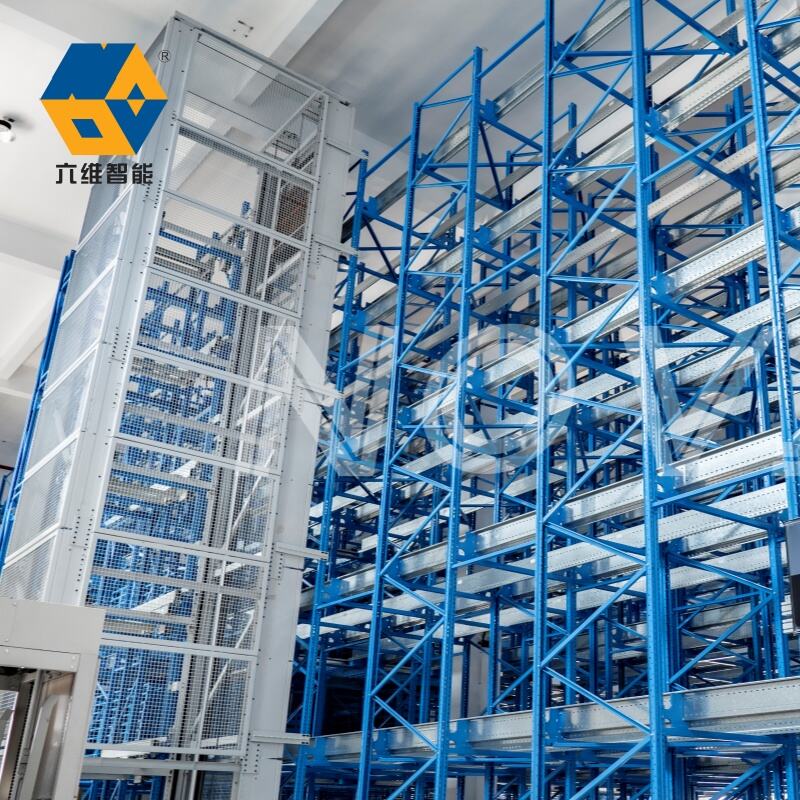
A pallet storage warehouse fundamentally transforms operational efficiency by introducing standardization across handling processes and creating opportunities for automation that dramatically accelerate throughput while reducing error rates. The standardized pallet platform serves as a universal interface that streamlines every stage of the material handling process, from receiving and put-away through order picking and shipping preparation. When products arrive at a pallet storage warehouse mounted on standard pallet sizes, material handling equipment can immediately engage with loads using consistent procedures regardless of product variations, eliminating the time-consuming adjustments and special handling requirements that slow operations in non-standardized environments. This uniformity enables training efficiency as workers learn one set of procedures applicable across diverse product categories rather than memorizing unique handling protocols for different items. The integration of warehouse management systems specifically designed for pallet storage warehouse operations provides digital orchestration of all facility activities, directing equipment operators to precise locations, optimizing travel paths to minimize distance and time, and maintaining accurate inventory records automatically as transactions occur. Barcode scanning and radio frequency identification technologies embedded throughout pallet storage warehouse workflows eliminate manual data entry errors that plague paper-based systems, ensuring inventory accuracy rates exceeding ninety-nine percent in well-managed facilities. The adoption of automation technologies within pallet storage warehouse environments ranges from semi-automated solutions like powered conveyor systems and automatic guided vehicles to fully automated storage and retrieval systems that require minimal human intervention for routine transactions. These automation investments deliver rapid return through labor cost reductions, extended operating hours without fatigue concerns, and consistent performance levels that human-only operations cannot sustain across full shifts. Order fulfillment speed increases dramatically within optimized pallet storage warehouse facilities as systematic organization and digital direction eliminate the searching and verification delays that consume substantial time in disorganized warehouses. The ability to process orders faster translates directly into competitive advantages through shorter lead times that attract customers valuing rapid delivery. Operational predictability improves substantially as standardized processes produce consistent timing that enables accurate scheduling of inbound receipts, outbound shipments, and workforce deployment. This predictability reduces the chaos and rush situations that generate errors, accidents, and employee stress in poorly organized facilities.
Improved Inventory Control and Product Protection Capabilities

Improved Inventory Control and Product Protection Capabilities

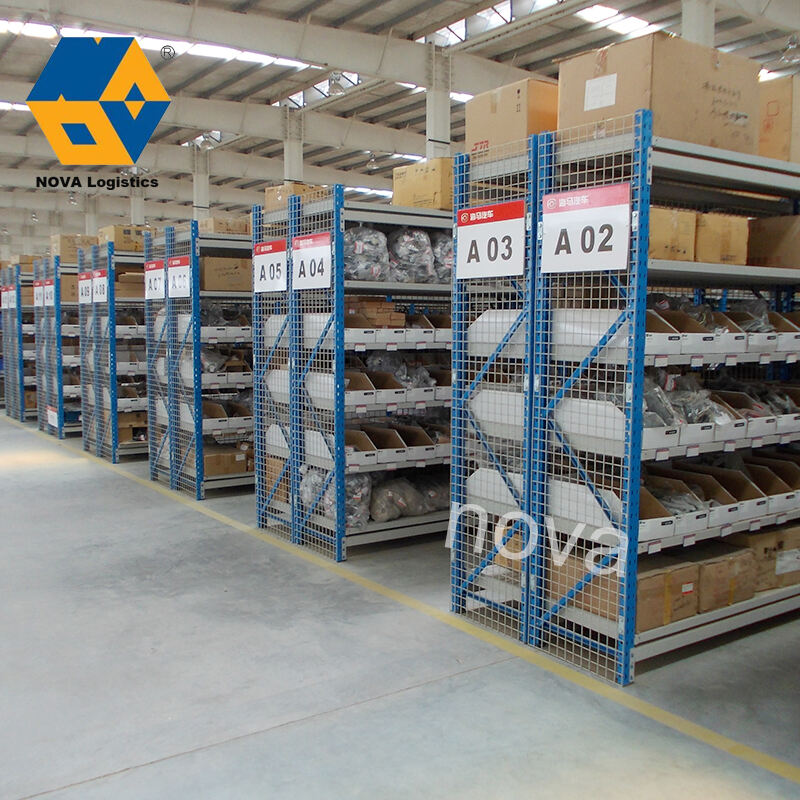
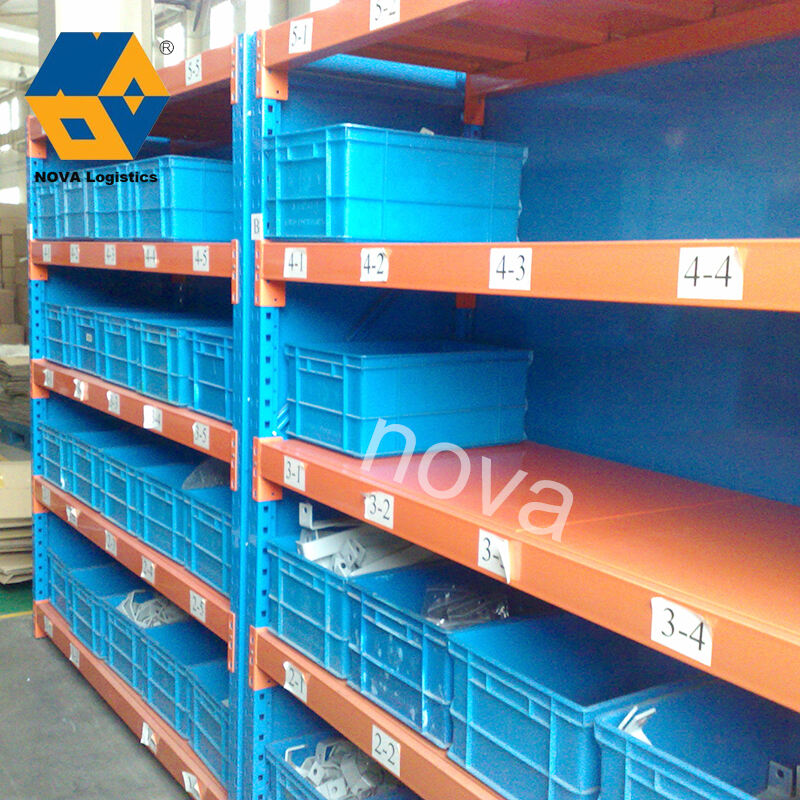
The sophisticated inventory control capabilities inherent in well-designed pallet storage warehouse systems provide businesses with unprecedented visibility and management precision that directly impacts profitability through reduced shrinkage, optimized stock levels, and enhanced product quality maintenance. Traditional storage approaches often suffer from inventory discrepancies caused by inadequate tracking systems, disorganized placement that conceals stock, and handling damage resulting from improper stacking or storage methods. A properly implemented pallet storage warehouse addresses these challenges through systematic location management where every pallet occupies a defined position within the racking structure, identified by aisle, bay, and level coordinates that create unambiguous address systems for inventory tracking. Modern warehouse management software maintains real-time records of inventory quantities and locations, updating automatically as material handling equipment operators scan barcodes during put-away and retrieval transactions, ensuring that system records accurately reflect physical reality within the facility. This location precision eliminates the inventory losses common in less organized warehouses where products become misplaced, forgotten in obscure corners, or buried behind other goods where they remain undiscovered until obsolescence renders them unsaleable. The cycle counting processes facilitated by organized pallet storage warehouse systems enable frequent verification of inventory accuracy without requiring full facility shutdowns for annual physical counts, detecting and correcting discrepancies before they accumulate into significant financial impacts. Product rotation management becomes controllable within pallet storage warehouse environments as date-coded inventory can be systematically tracked and retrieved in first-expired-first-out sequences, crucial for perishable goods, dated materials, and products subject to obsolescence risks. The elevated storage positions within pallet racking systems provide inherent protection against floor-level hazards including water damage from flooding or spills, pest intrusion, and contamination from ground-level sources that threaten product integrity in floor-stacked arrangements. Climate control systems integrated into pallet storage warehouse facilities maintain consistent temperature and humidity levels throughout the storage volume, preserving product quality for sensitive items including pharmaceuticals, electronics, food products, and materials susceptible to environmental degradation. The structural organization of a pallet storage warehouse facilitates lot tracking and batch segregation essential for regulated industries where traceability requirements mandate clear identification and separation of different production runs, enabling rapid recall execution if quality issues emerge.

Get a Free Quote

Our representative will contact you soon.
Email
Name
Company Name
Message
0/1000

Get a Free Quote

Our representative will contact you soon.
Email
Name
Company Name
Message
0/1000