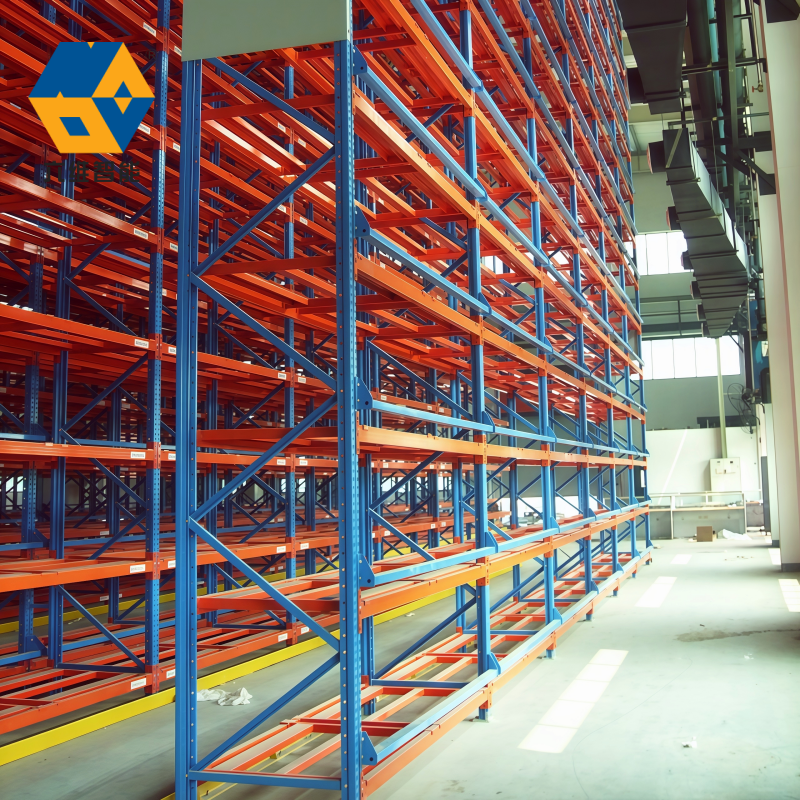
storage warehouse shelving
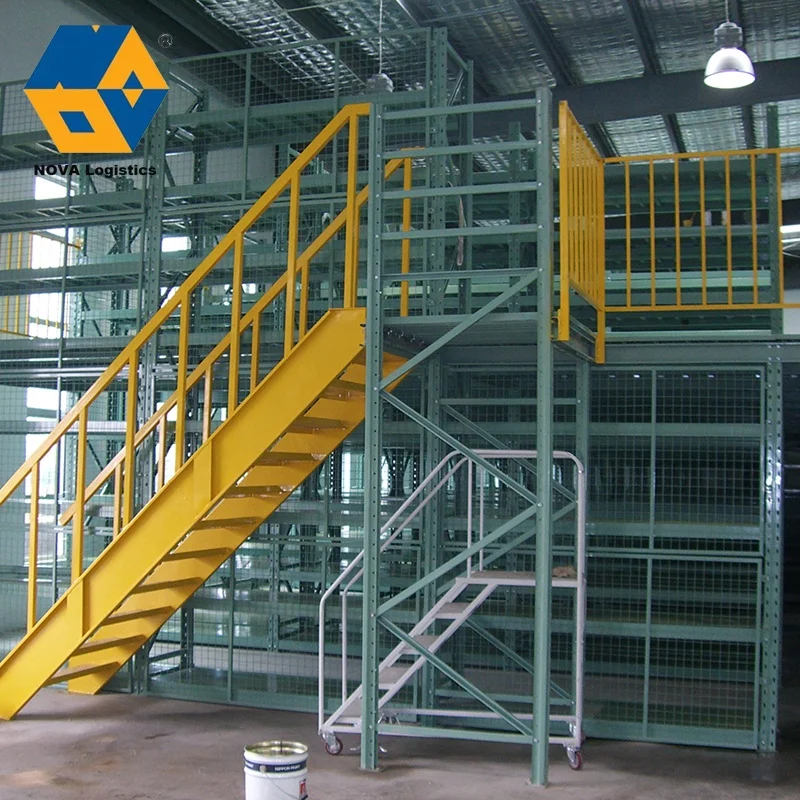
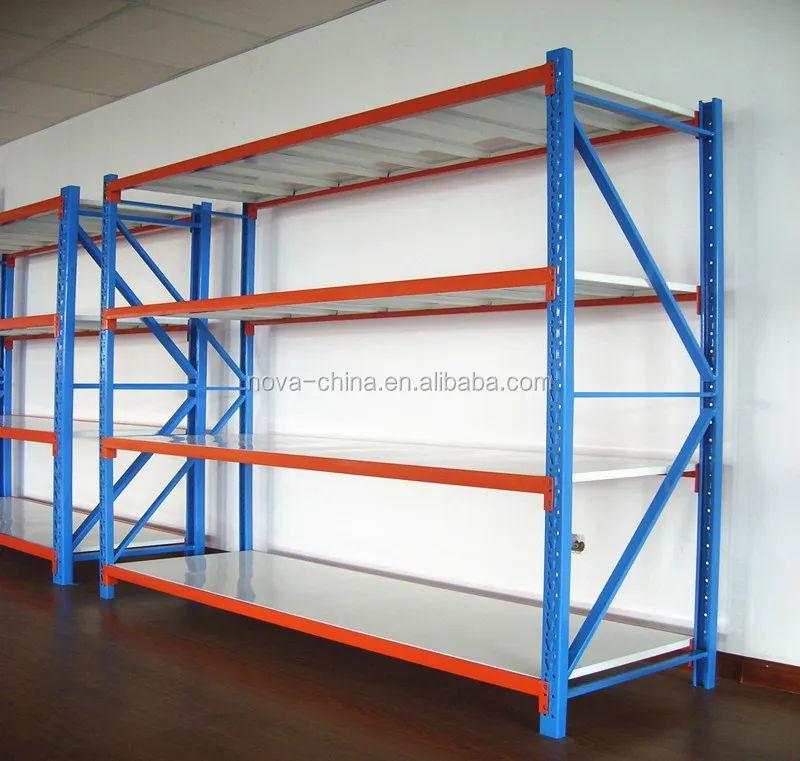
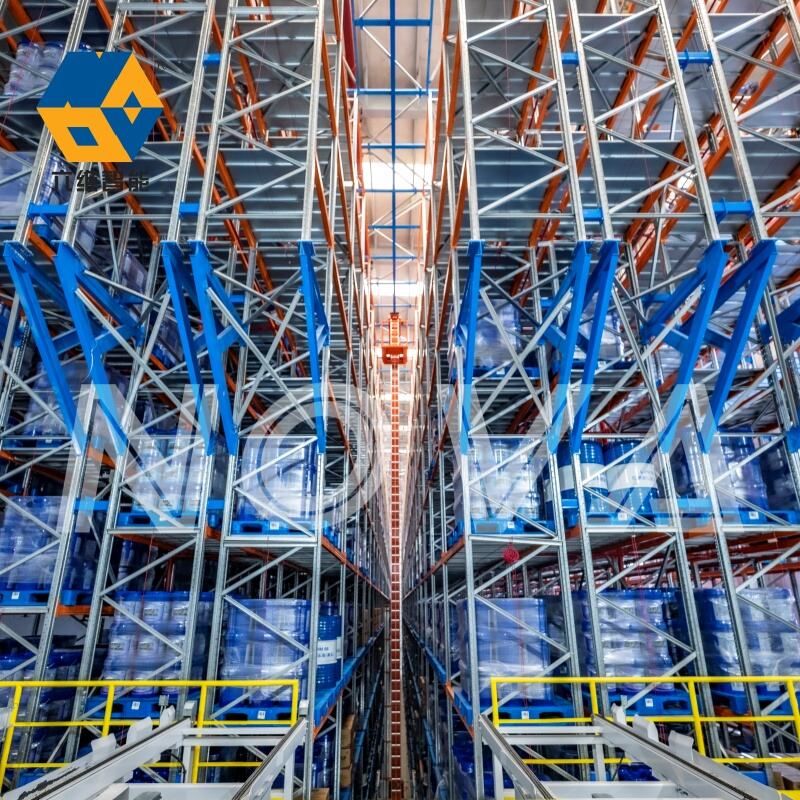
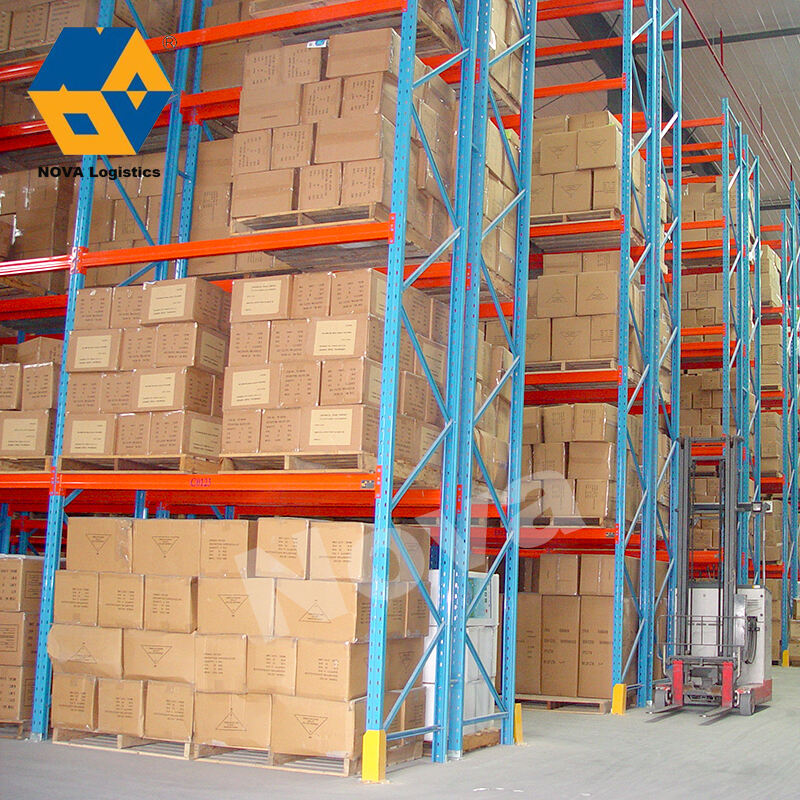
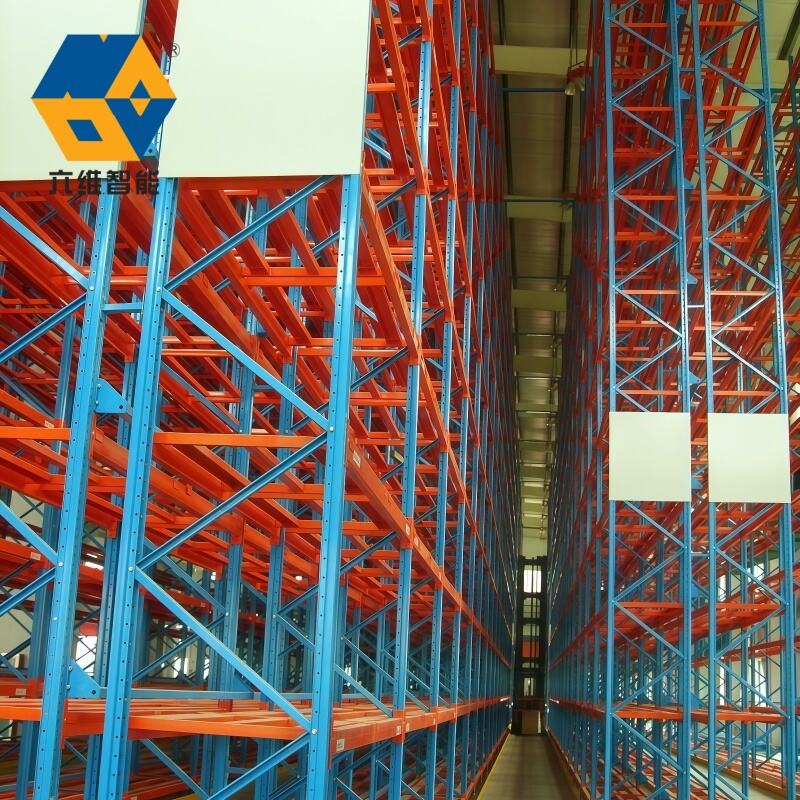
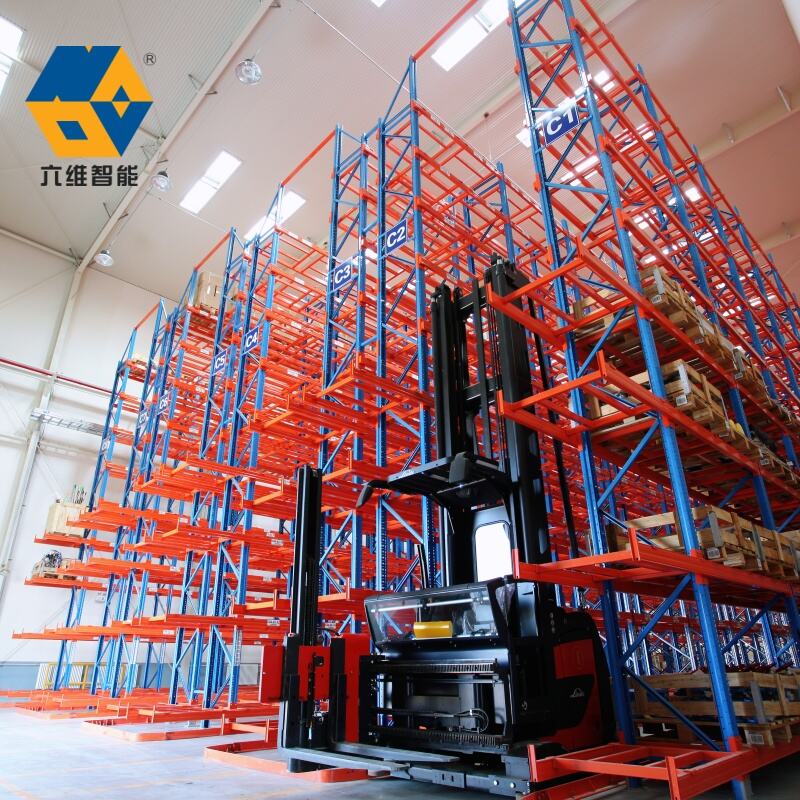
Storage warehouse shelving represents an essential infrastructure component for modern businesses seeking to maximize their spatial efficiency and operational productivity. These robust systems provide organized frameworks for storing inventory, materials, and products within commercial facilities, distribution centers, and manufacturing plants. The primary functions of storage warehouse shelving include optimizing vertical space utilization, facilitating systematic inventory management, and ensuring safe accessibility to stored items. By implementing well-designed shelving solutions, organizations can transform chaotic storage areas into streamlined operations that support rapid order fulfillment and accurate stock tracking. The technological features of contemporary storage warehouse shelving have evolved significantly, incorporating adjustable beam levels, reinforced steel construction, and modular configurations that adapt to changing business requirements. These systems accommodate diverse load capacities, ranging from lightweight archive boxes to heavy industrial components weighing several tons per shelf level. Advanced shelving units integrate seamlessly with warehouse management systems, enabling real-time inventory visibility and automated stock replenishment processes. The applications of storage warehouse shelving span numerous industries, including retail distribution, automotive parts storage, pharmaceutical inventory management, food and beverage warehousing, and e-commerce fulfillment operations. Manufacturing facilities utilize these systems for raw material staging and finished goods storage, while logistics providers depend on them for cross-docking operations and temporary inventory holding. The versatility of storage warehouse shelving makes it suitable for temperature-controlled environments, hazardous material storage, and high-security applications. Modern shelving designs incorporate safety features such as frame protectors, row spacers, and seismic bracing to prevent accidents and structural failures. The installation process typically involves professional assessment of load requirements, floor capacity evaluation, and compliance verification with local building codes and safety regulations, ensuring that each storage warehouse shelving system delivers optimal performance throughout its operational lifespan.

 EN
EN