Industrial Racking Prices Guide: Compare Costs, Benefits & Solutions 2024

All Categories

Get a Free Quote

Our representative will contact you soon.
Email
Name
Company Name
Message
0/1000

industrial racking prices

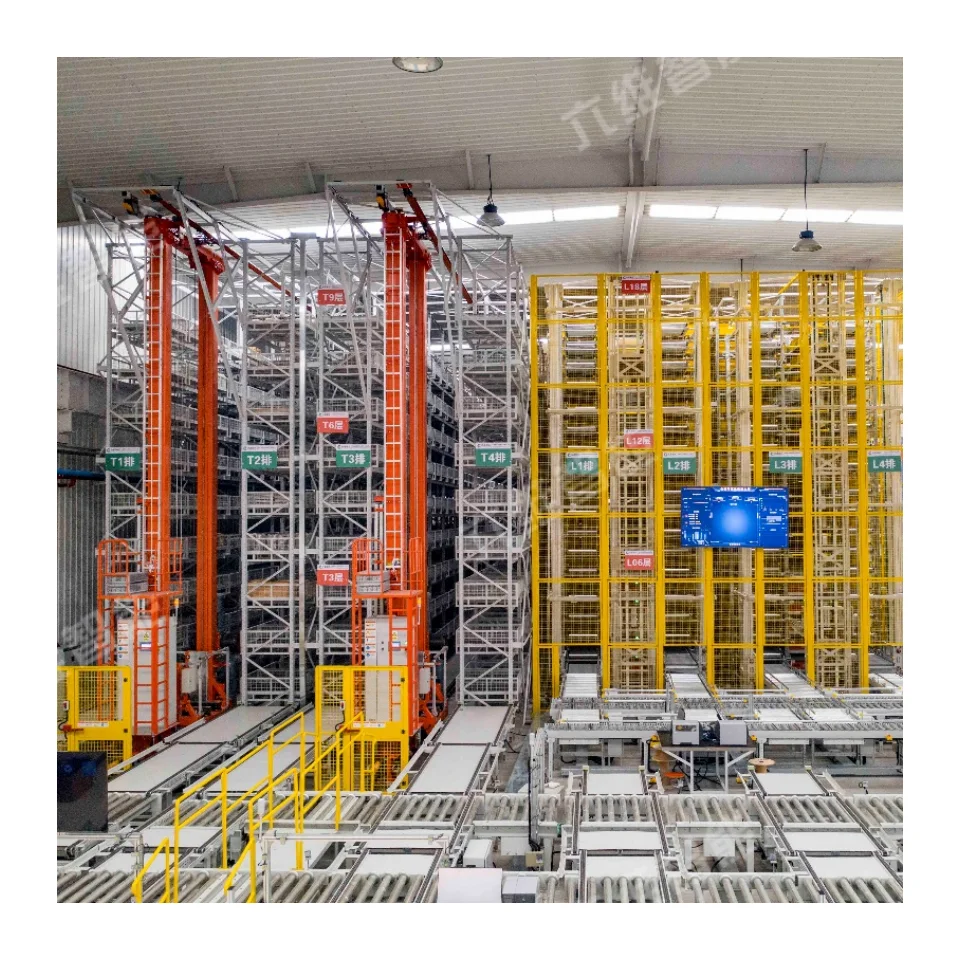
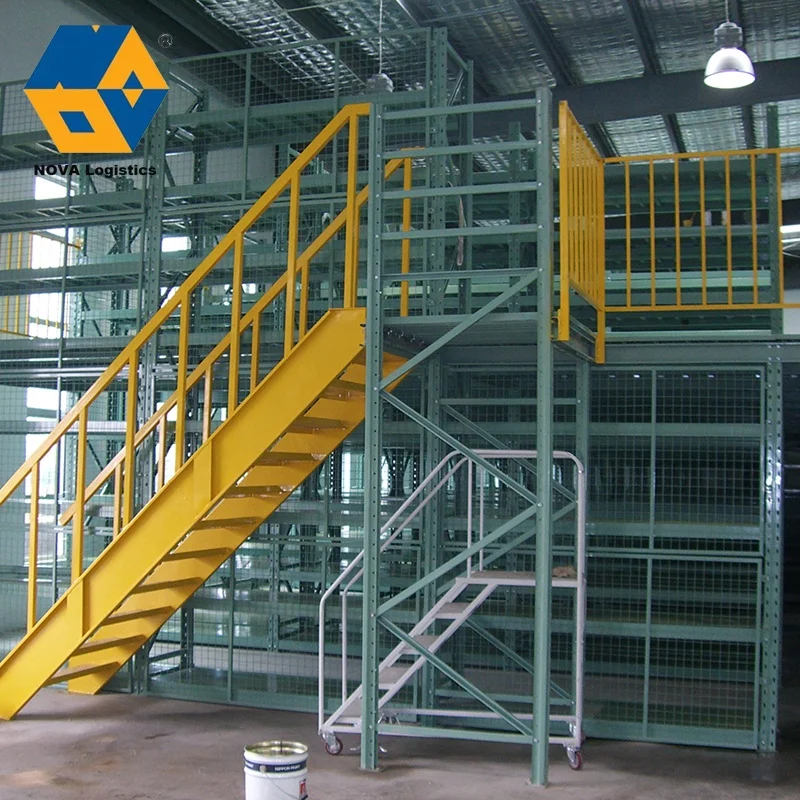
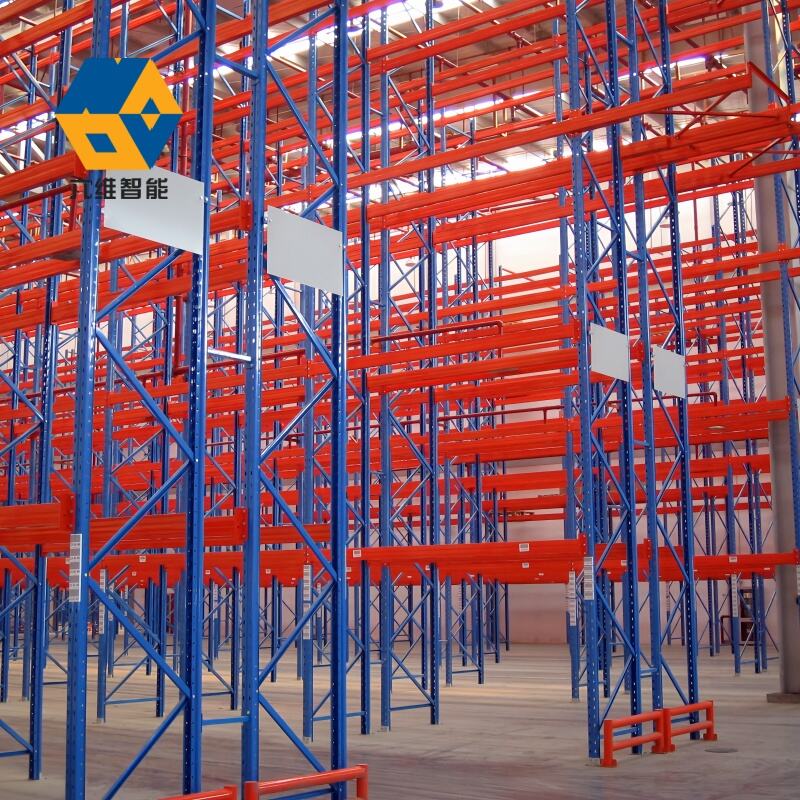
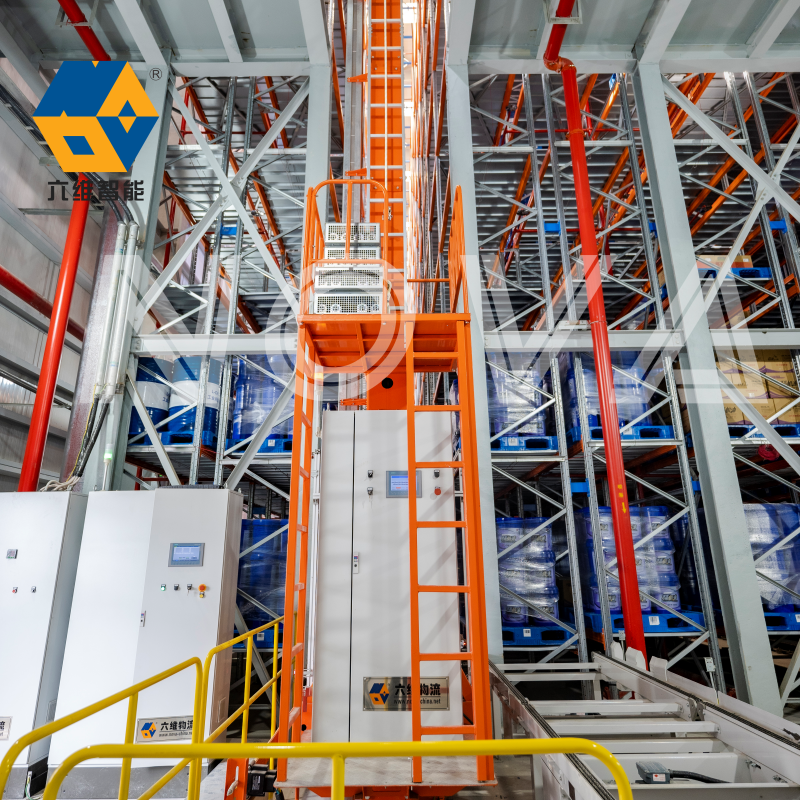
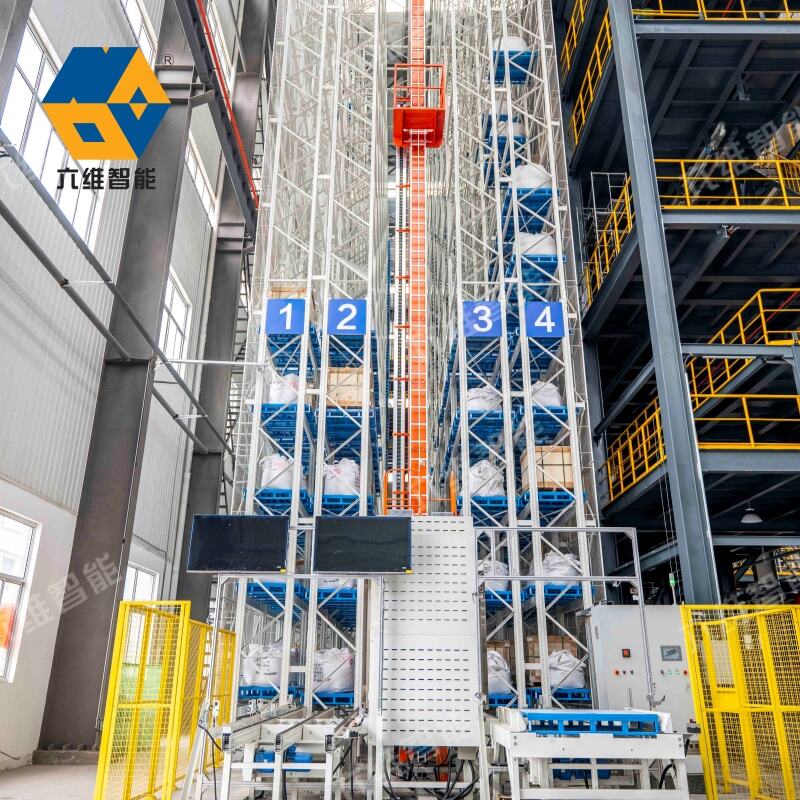
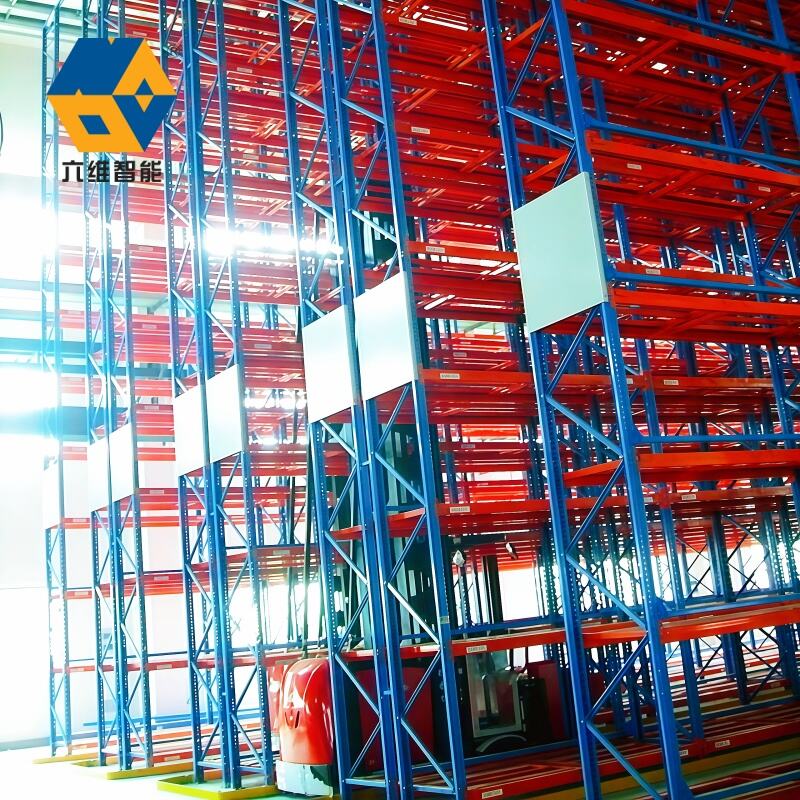
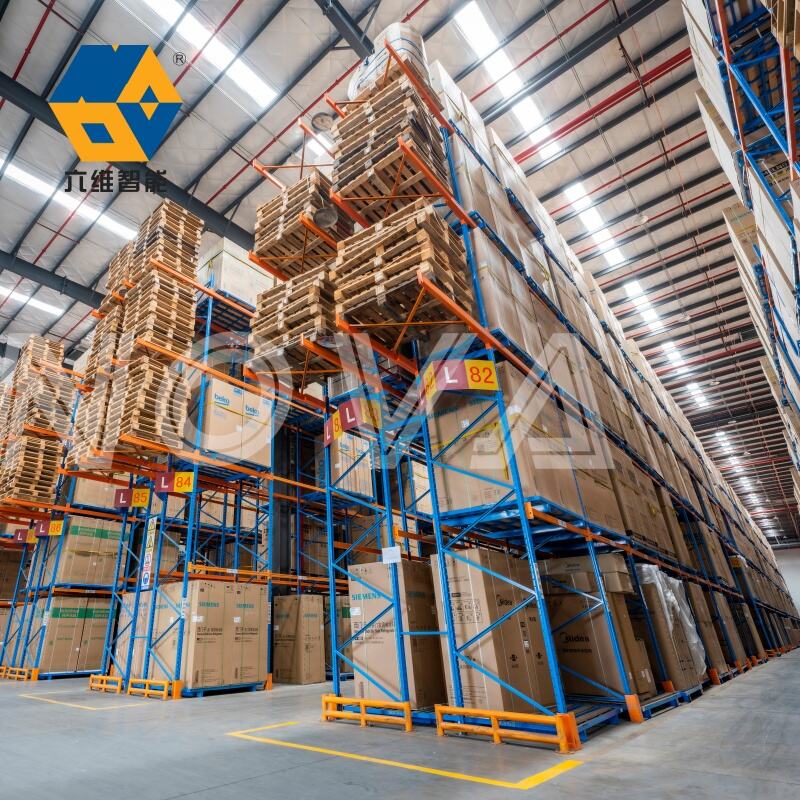
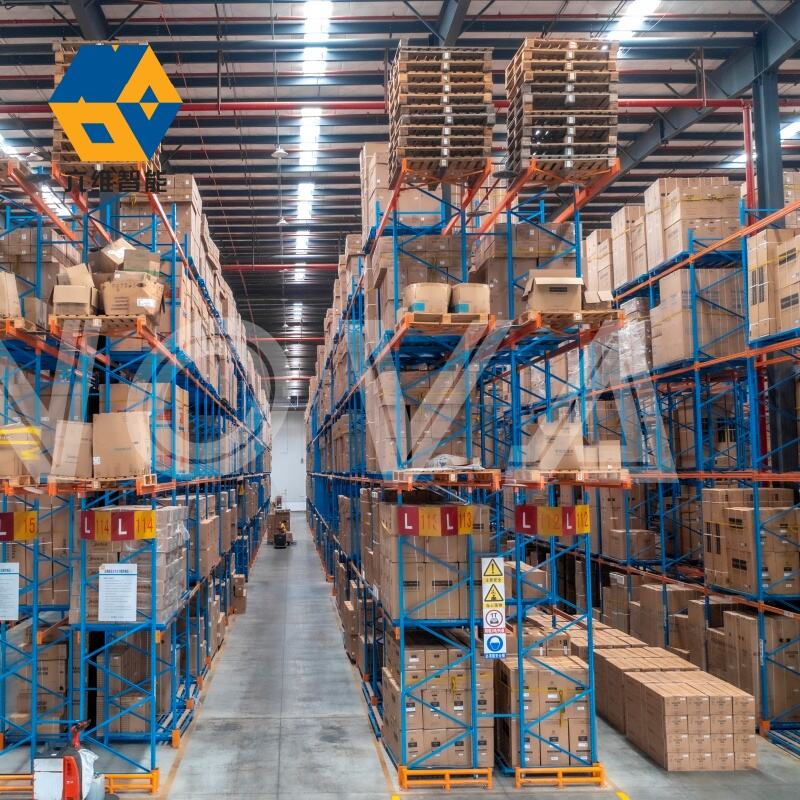
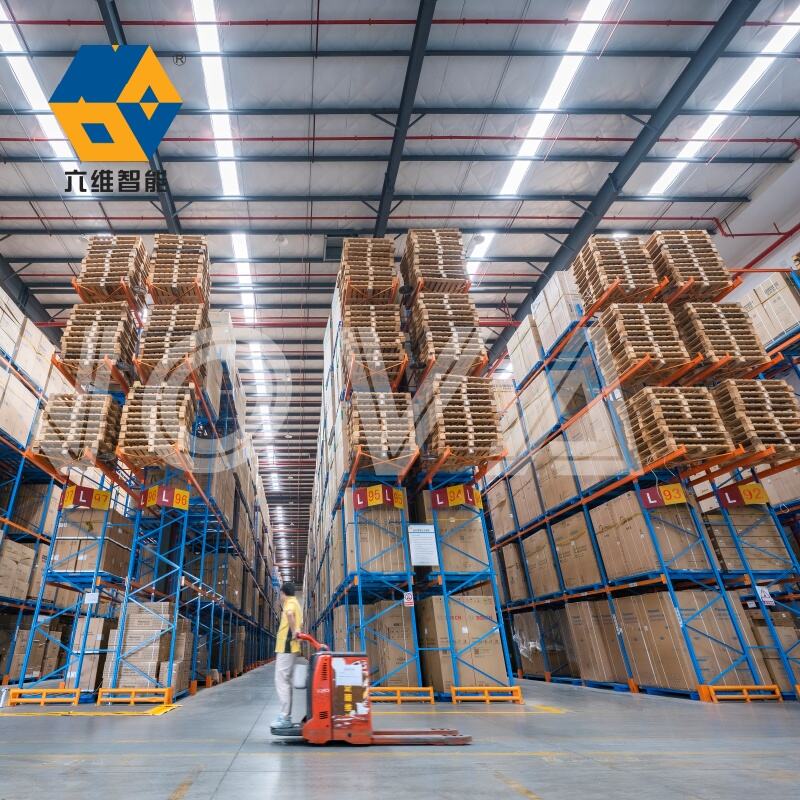
Understanding industrial racking prices requires a comprehensive look at what drives costs in warehouse storage solutions. Industrial racking systems represent critical infrastructure investments for businesses seeking to optimize their storage capacity and operational efficiency. The pricing structure for these systems varies significantly based on multiple factors including load capacity, dimensions, materials, configuration complexity, and installation requirements. When evaluating industrial racking prices, organizations must consider not just the initial purchase cost but the complete lifecycle value proposition. Modern industrial racking encompasses diverse categories from selective pallet racks and drive-in systems to push-back configurations and automated storage retrieval systems. Each type serves specific operational needs and comes with distinct pricing considerations. The main functions of industrial racking include maximizing vertical space utilization, organizing inventory systematically, facilitating efficient material handling operations, and ensuring workplace safety through proper load distribution. Technological features influencing industrial racking prices include adjustable beam levels, integrated safety components like column protectors and frame guards, specialized coatings for corrosion resistance, and compatibility with warehouse management systems. Advanced options may incorporate seismic reinforcement, fire-resistant materials, or specialized finishes for temperature-controlled environments. Applications span manufacturing facilities, distribution centers, retail backrooms, cold storage warehouses, automotive parts storage, and e-commerce fulfillment centers. The price spectrum ranges from basic starter bay systems beginning around several hundred dollars to comprehensive automated installations reaching hundreds of thousands. Material choice significantly impacts industrial racking prices, with options including hot-rolled steel, cold-formed steel, and specialty alloys each offering different strength-to-cost ratios. Load capacity requirements directly correlate with pricing, as heavier-duty systems demand thicker materials and more robust engineering. Installation complexity, facility preparation needs, and regional labor costs further influence total project expenditure, making professional assessment essential for accurate budgeting.

Popular Products

When businesses investigate industrial racking prices, they discover substantial advantages that justify the investment and deliver measurable returns. The foremost benefit is dramatic space optimization that transforms underutilized cubic footage into productive storage capacity. By capitalizing on vertical space, companies reduce their facility footprint requirements or avoid costly building expansions, generating significant real estate savings. This spatial efficiency directly impacts industrial racking prices by offering superior value per square foot of usable storage compared to floor-stacking alternatives. Improved inventory accessibility represents another compelling advantage, as properly configured racking systems allow workers to locate and retrieve items quickly without moving multiple pallets. This accessibility reduces labor hours spent searching for products and minimizes handling damage from unnecessary material movement. Enhanced organization capabilities enable better inventory rotation practices, particularly important for businesses managing perishable goods or products with expiration dates. The safety improvements delivered by professional racking installations cannot be overstated. Quality systems include engineered load ratings, proper anchoring, and safety features that protect both personnel and inventory from collapse risks associated with inadequate storage methods. This safety enhancement reduces workplace injury potential and associated insurance costs while protecting valuable inventory investments. Operational efficiency gains manifest through streamlined picking processes, optimized traffic flow patterns, and compatibility with material handling equipment like forklifts and order pickers. These efficiency improvements accelerate order fulfillment cycles and increase daily throughput without adding labor costs. The scalability factor makes industrial racking prices particularly attractive for growing businesses, as modular systems expand incrementally to match increasing inventory volumes without requiring complete facility overhauls. Durability considerations further justify industrial racking prices, with quality systems delivering decades of service life when properly maintained, spreading the initial investment across extended operational periods. The flexibility to reconfigure layouts as business needs evolve provides adaptability that fixed storage solutions cannot match. Companies can adjust beam heights, add or remove levels, and modify bay widths to accommodate changing product mixes without purchasing entirely new systems. This reconfiguration capability protects the initial capital investment against obsolescence. Professional racking systems also enhance company image when visible to clients or partners, demonstrating organizational competence and operational sophistication. For businesses pursuing lean manufacturing or just-in-time inventory strategies, appropriate racking configurations support these methodologies by enabling precise inventory positioning and visual management techniques. The return on investment from industrial racking prices typically materializes within months through combined savings in labor efficiency, space utilization, inventory accuracy, and damage reduction, making this capital expenditure one of the most financially justified facility improvements available.

Practical Tips

How Does a Rack System Support Better Warehouse Safety Standards?

20

May

How Does a Rack System Support Better Warehouse Safety Standards?

Warehouse safety is a critical operational priority for any facility that handles significant volumes of inventory, equipment, or materials. At the center of most modern warehouse safety strategies is the rack system — a structural solution that orga...
View More
How Automated Storage and Retrieval Systems Enhance Inventory Accuracy

05

Feb

How Automated Storage and Retrieval Systems Enhance Inventory Accuracy

Modern warehouses face unprecedented challenges in maintaining accurate inventory levels while managing increasing order volumes and customer expectations. Traditional manual tracking methods have become insufficient for businesses seeking competitiv...
View More
How Does Automation Transform Storage and Retrieval Processes?

05

Feb

How Does Automation Transform Storage and Retrieval Processes?

Modern warehouses and distribution centers are experiencing a revolutionary transformation through advanced technology solutions that streamline operations and maximize efficiency. The implementation of sophisticated automated storage and retrieval s...
View More
Maintenance Tips for Long-Lasting Heavy Duty Pallet Racks

16

Mar

Maintenance Tips for Long-Lasting Heavy Duty Pallet Racks

Industrial warehouses rely heavily on robust storage solutions to maintain efficient operations and maximize space utilization. Heavy duty pallet racks form the backbone of modern warehouse infrastructure, supporting thousands of pounds of inventory ...
View More

Get a Free Quote

Our representative will contact you soon.
Email
Name
Company Name
Message
0/1000

industrial racking prices

Cost-Effective Customization Options That Match Your Operational Requirements

Cost-Effective Customization Options That Match Your Operational Requirements

One of the most significant aspects influencing industrial racking prices is the extensive customization capability that allows businesses to design storage solutions perfectly aligned with their specific operational demands. This customization advantage ensures companies pay only for features they actually need while avoiding unnecessary expenditures on capabilities that provide no value to their particular applications. The customization spectrum begins with fundamental decisions about racking types, where organizations select from selective, drive-in, push-back, cantilever, or specialized configurations based on their inventory characteristics and retrieval frequency requirements. Each configuration type carries different industrial racking prices reflecting the engineering complexity and material requirements involved. Selective racking offers the most economical entry point with straightforward designs providing direct access to every pallet position, making it ideal for operations with diverse SKU profiles requiring frequent access. Drive-in systems command higher industrial racking prices due to their specialized rail configurations but deliver exceptional storage density for high-volume, low-variety inventory profiles. Dimensional customization allows precise fitting to facility constraints, maximizing usable capacity within existing buildings without expensive structural modifications. Businesses specify exact bay widths, depth configurations, and vertical heights that correspond to their particular pallet sizes, product dimensions, and clear height limitations. This dimensional precision prevents wasted space from oversized bays or unusable capacity from undersized configurations. Load capacity customization ensures structural adequacy without over-engineering, as beam and frame specifications match actual weight requirements. Companies storing lightweight products avoid paying premium industrial racking prices for heavy-duty components they do not need, while those handling dense materials receive appropriately engineered systems that ensure safety and longevity. Finish and coating options provide another customization dimension affecting industrial racking prices, with choices ranging from standard paint finishes to galvanized coatings or specialized epoxy treatments for corrosive environments. Temperature-controlled facilities benefit from finishes that withstand condensation and temperature fluctuations without deterioration. Accessory integration possibilities include wire decking, pallet supports, backstops, dividers, and specialized attachments that enhance functionality for particular product types. These accessories incrementally adjust industrial racking prices while delivering targeted performance improvements. The customization advantage extends to phased implementation strategies where businesses install core systems initially and expand incrementally as budgets allow and needs grow, spreading industrial racking prices across multiple fiscal periods while maintaining system compatibility and avoiding redundant investments.
Long-Term Durability That Protects Your Investment Across Decades

Long-Term Durability That Protects Your Investment Across Decades

Understanding industrial racking prices requires appreciating the exceptional durability that quality systems deliver, transforming what initially appears as a significant capital expenditure into one of the most cost-effective facility investments when evaluated across its operational lifespan. Superior durability stems from multiple engineering and material factors that distinguish professional industrial racking from inferior alternatives. The structural steel construction used in quality racking systems provides inherent strength and resilience that maintains structural integrity under continuous loading cycles spanning decades. Unlike wood or plastic alternatives that degrade from moisture exposure, pest infestation, or material fatigue, properly maintained steel racking retains its load-bearing capabilities indefinitely. This longevity consideration fundamentally alters the cost equation surrounding industrial racking prices, as the per-year expense diminishes significantly when spread across twenty, thirty, or more years of productive service. The engineering precision in quality racking systems ensures proper load distribution that prevents stress concentrations and premature failure points. Manufacturers employ computer-aided design and finite element analysis to optimize component geometry, eliminating weak points while minimizing material usage for cost efficiency. This engineering rigor justifies premium industrial racking prices by delivering reliability that eliminates unexpected failure costs, replacement expenses, and operational disruptions from system collapse. Protective coatings and surface treatments included in quality systems defend against environmental factors that compromise lesser products. Powder-coat finishes, galvanization, or specialized coatings create barriers against moisture, chemical exposure, and atmospheric corrosion that would otherwise initiate rust formation and progressive weakening. These protective measures maintain both structural integrity and aesthetic appearance throughout extended service lives, preserving the facility's professional appearance while protecting the functional investment. The modularity inherent in professional racking systems contributes to durability value by allowing damaged components to be replaced individually without system-wide replacement. When forklifts impact uprights or beams sustain damage, businesses replace only affected sections rather than entire installations, dramatically reducing repair costs compared to integrated systems requiring complete replacement after damage incidents. This repairability factor effectively extends system life indefinitely when organizations implement proper maintenance protocols. The resale and relocation value of quality racking systems provides another durability dimension affecting total cost considerations related to industrial racking prices. When businesses relocate, expand, or reconfigure operations, existing racking systems can be disassembled, relocated, and reinstalled in new configurations or even sold to recover significant portions of initial investments. This residual value and reusability distinguishes industrial racking from many capital expenditures that become worthless once installed or when operational needs change.
Comprehensive Safety Features That Protect Personnel and Inventory Assets

Comprehensive Safety Features That Protect Personnel and Inventory Assets

Safety considerations represent paramount concerns when evaluating industrial racking prices, as the protective features incorporated into quality systems deliver value far exceeding their incremental costs through injury prevention, inventory protection, and regulatory compliance. Comprehensive safety begins with engineered load capacity ratings that undergo rigorous testing and certification processes. Reputable manufacturers provide detailed load specifications for every component, ensuring uprights, beams, and connectors possess adequate strength for intended applications with appropriate safety factors. These engineering certifications justify industrial racking prices by providing documented assurance that systems will perform safely under specified conditions, protecting organizations from liability exposure associated with inadequate storage infrastructure. Column protectors represent essential safety features that absorb forklift impacts that would otherwise damage structural uprights, potentially compromising entire rack sections. These protective devices, factored into industrial racking prices, function as sacrificial barriers that deform during impacts while preserving the integrity of load-bearing columns. The relatively modest cost of column protectors delivers disproportionate value by preventing catastrophic failures that could injure workers, destroy inventory, and halt operations during emergency repairs or replacements. Frame anchoring systems secure racking to facility floors, preventing tip-over incidents from seismic activity, unbalanced loading, or impact forces. Professional installations include engineered anchoring specifications that account for floor composition, rack height, and loading configurations. This anchoring consideration influences industrial racking prices through specialized hardware and installation labor but provides fundamental stability assurance that protects human life and capital assets. Safety decking and pallet supports prevent items from falling through beam levels, creating hazards in lower rack sections or aisles where workers operate. Wire mesh decking, solid steel panels, or specialized support bars contain loads within designated areas while maintaining visibility and fire suppression system effectiveness. These safety components incrementally increase industrial racking prices while dramatically reducing injury risks from falling objects. Load beam safety clips or locking mechanisms prevent accidental beam dislodgement that could trigger progressive collapse sequences. These simple devices ensure beams remain properly seated in upright connections despite vibrations, impacts, or improper loading practices. The minimal cost addition to industrial racking prices from these clips provides essential redundancy in system integrity. Aisle marking and clearance specifications incorporated into professional racking layouts ensure adequate maneuvering space for material handling equipment, reducing collision frequency and associated damage. Properly designed layouts account for equipment turning radii, operator sightlines, and traffic flow patterns that minimize accident potential. Compliance with regulatory standards including OSHA requirements, local building codes, and industry standards like RMI specifications represents another safety dimension affecting industrial racking prices. Systems designed and installed to these standards help organizations avoid citation penalties, maintain insurance coverage, and demonstrate due diligence in workplace safety obligations. The documentation, engineering certifications, and professional installation services that ensure compliance justify premium industrial racking prices through risk mitigation and legal protection that informal storage solutions cannot provide.


Get a Free Quote

Our representative will contact you soon.
Email
Name
Company Name
Message
0/1000

Get a Free Quote

Our representative will contact you soon.
Email
Name
Company Name
Message
0/1000