Premium Steel Warehouse Racking Solutions - Maximize Storage Capacity & Safety

All Categories

Get a Free Quote

Our representative will contact you soon.
Email
Name
Company Name
Message
0/1000

steel warehouse racking

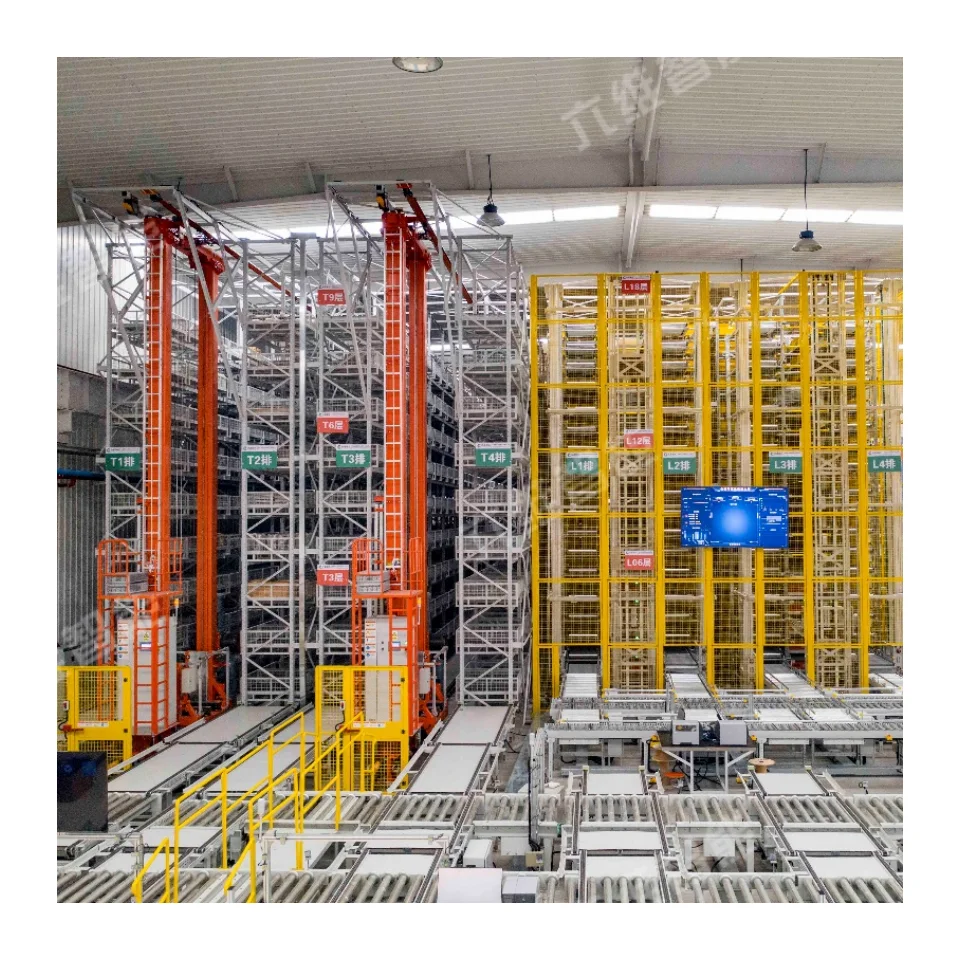
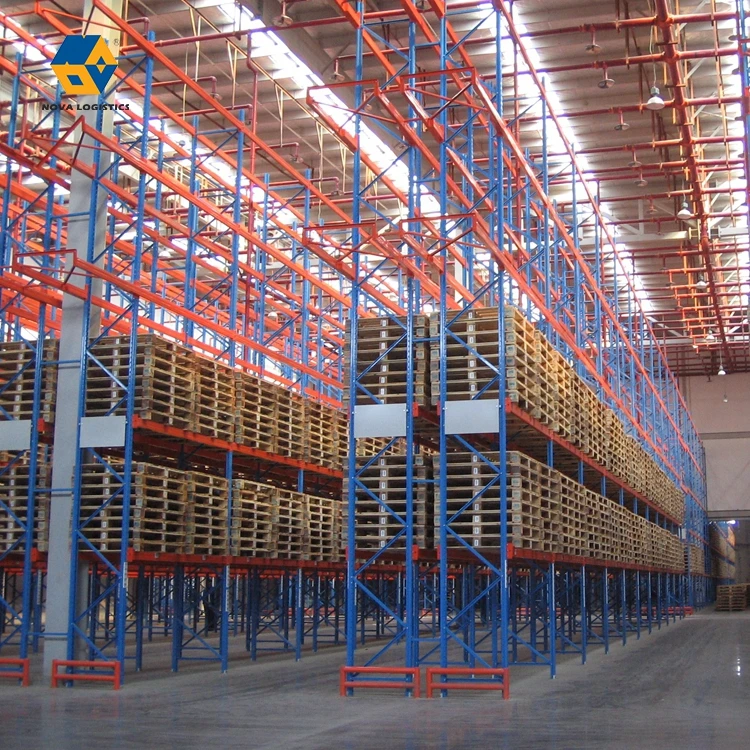
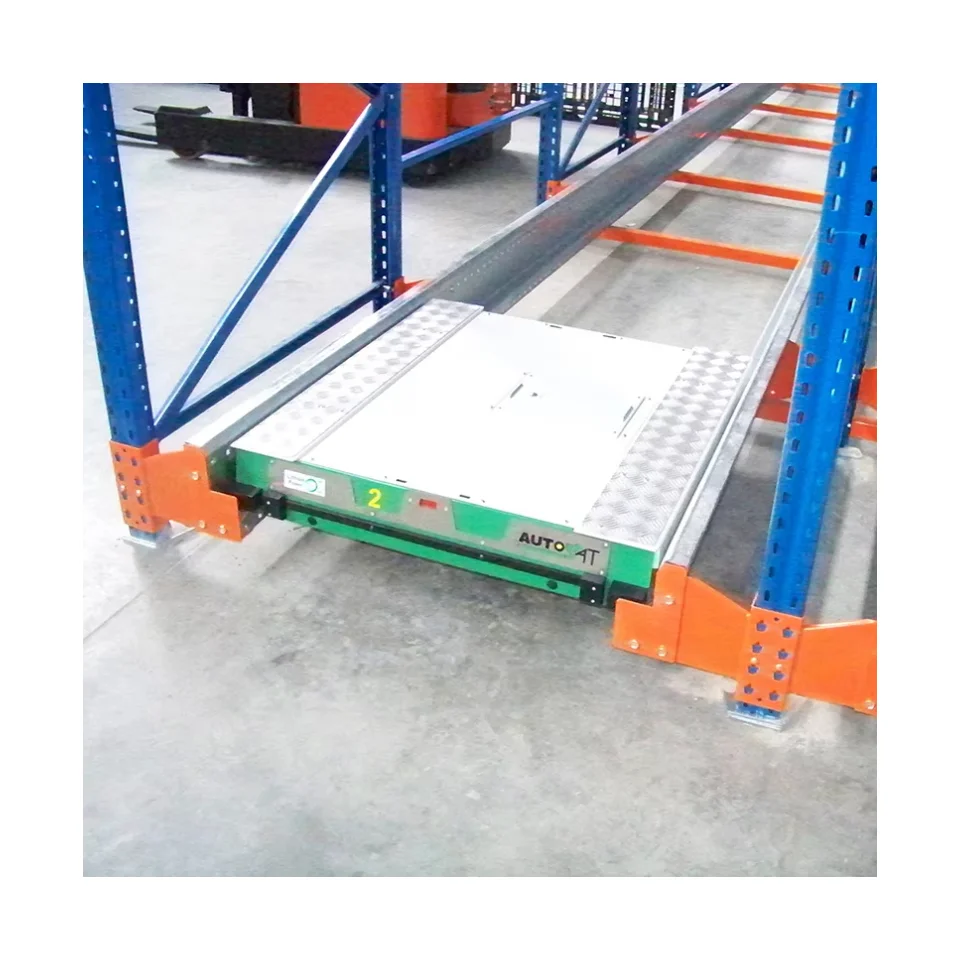
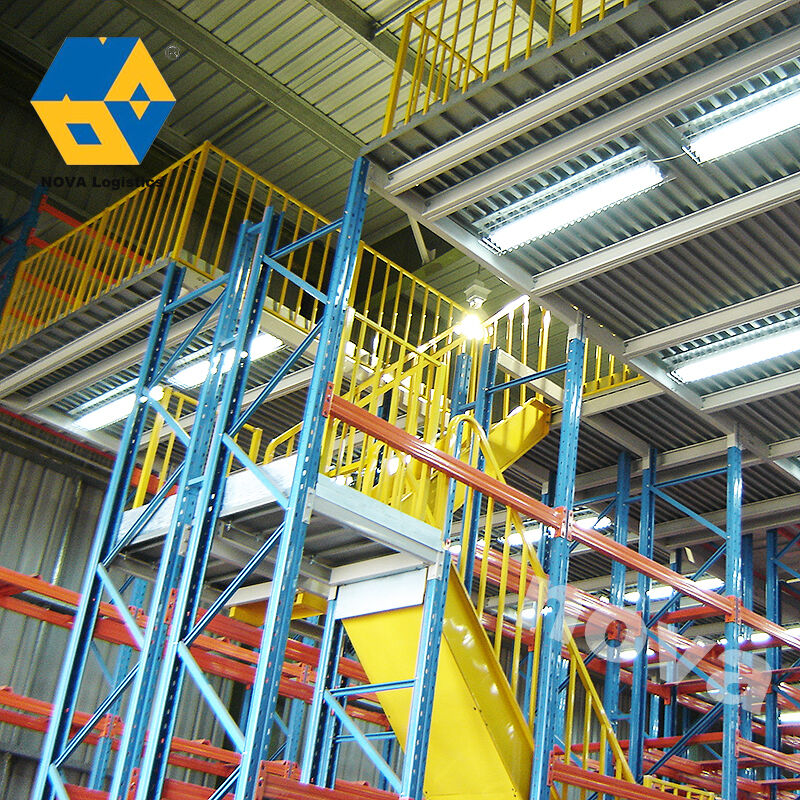
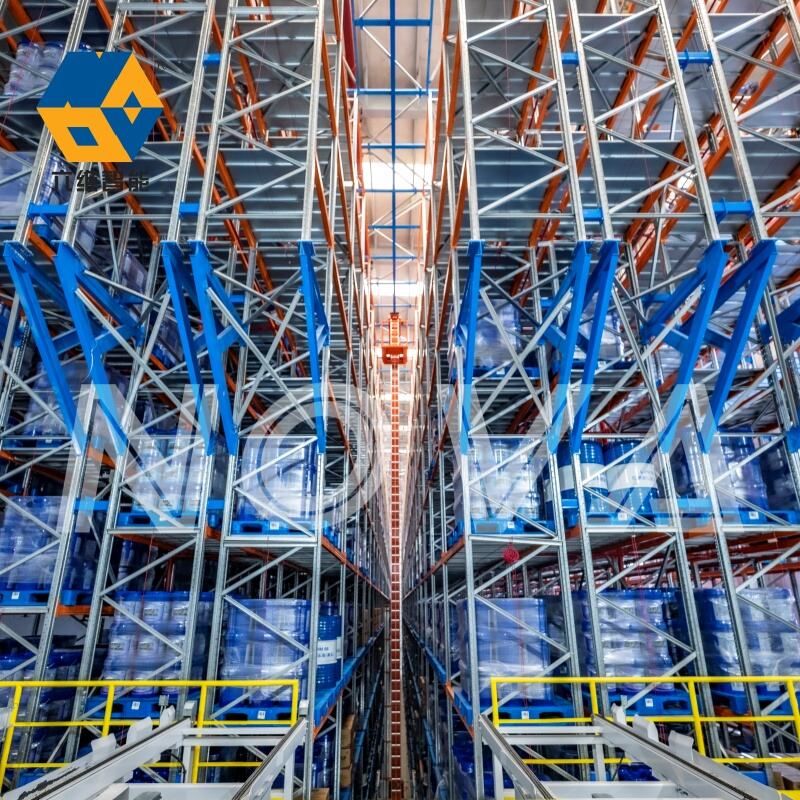
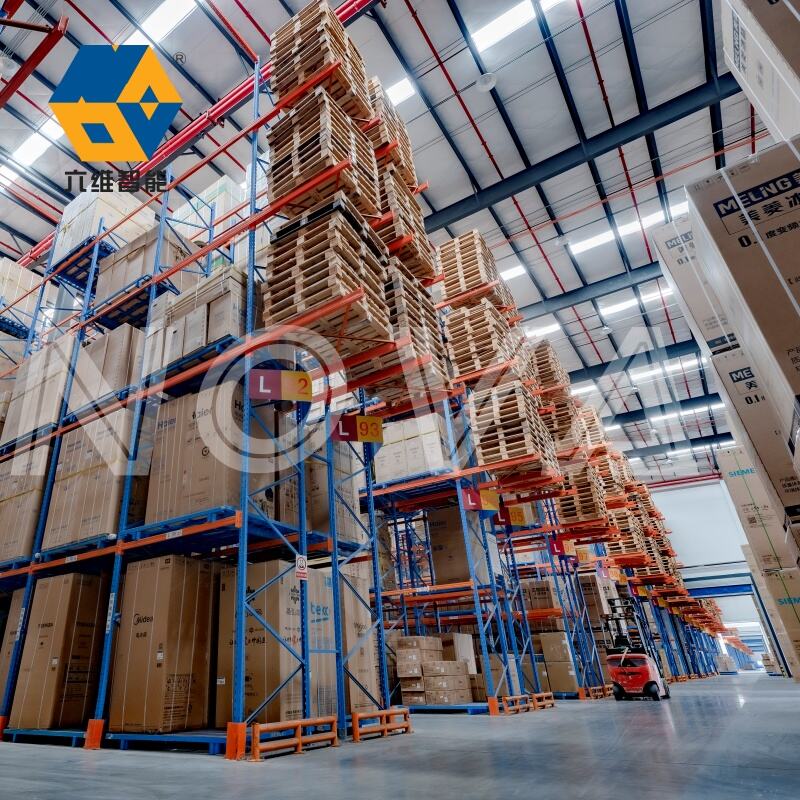
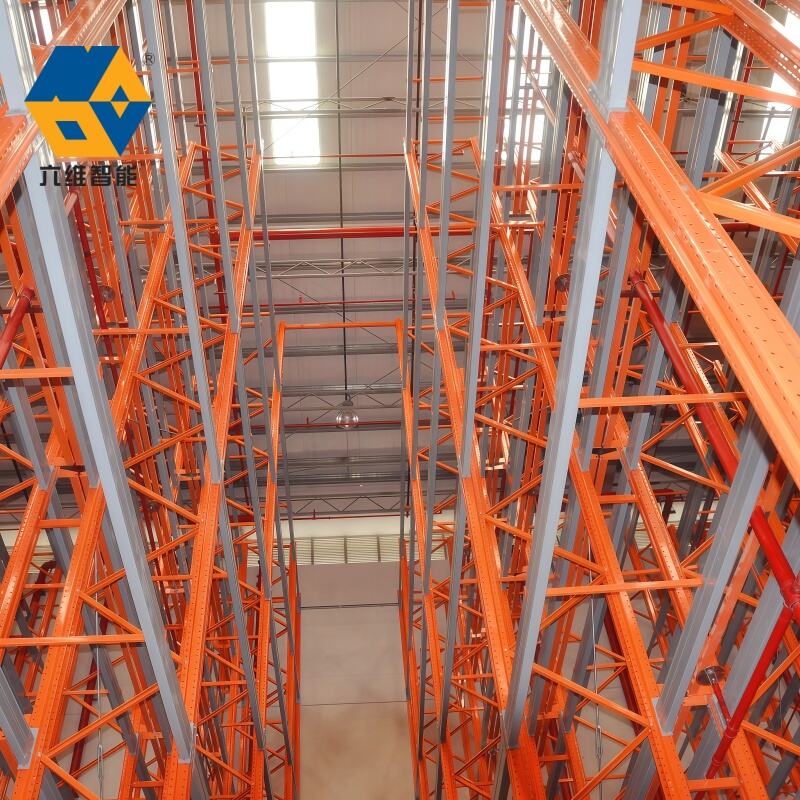
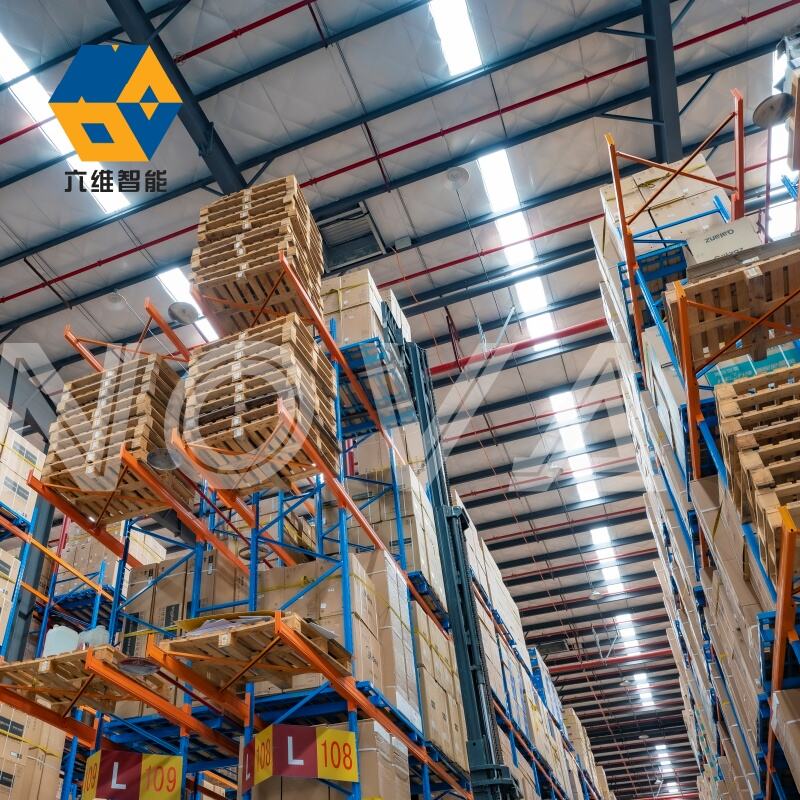
Steel warehouse racking represents a fundamental storage solution designed to maximize vertical space utilization while providing organized, accessible storage for businesses across diverse industries. This robust structural system consists of upright frames, horizontal beams, and various supporting components engineered from high-grade steel materials to create reliable shelving configurations. The primary function of steel warehouse racking involves transforming underutilized vertical space into productive storage areas, enabling businesses to store inventory, raw materials, finished products, and equipment in an orderly manner that facilitates efficient retrieval and inventory management. Technological features include adjustable beam levels that accommodate varying product dimensions, load-bearing capacities ranging from light-duty to heavy-duty applications, and modular designs that allow customization based on specific warehouse layouts and operational requirements. Modern steel warehouse racking systems incorporate advanced engineering principles to ensure structural integrity, with reinforced connections, safety clips, and protective measures that prevent accidental beam displacement. Applications span manufacturing facilities, distribution centers, retail operations, automotive parts storage, pharmaceutical warehouses, food and beverage distribution, e-commerce fulfillment centers, and cold storage environments. These versatile systems support selective pallet racking for direct access to individual pallets, drive-in configurations for high-density storage of similar products, push-back systems for multiple pallet depths, and cantilever designs for long or irregularly shaped items. The installation process involves professional assessment of floor loading capacity, seismic considerations, and workflow optimization to create storage solutions that enhance operational productivity. Steel warehouse racking serves as the backbone infrastructure for modern supply chain operations, providing the organizational framework necessary for efficient warehouse management, inventory control, order fulfillment, and space optimization that directly impacts business profitability and customer satisfaction levels.


New Product Releases

Implementing steel warehouse racking delivers immediate space optimization benefits that transform wasted vertical areas into valuable storage real estate, allowing businesses to store significantly more inventory within existing facilities without expensive building expansions. This vertical utilization reduces the cost per square foot of storage space and delays or eliminates the need for additional warehouse locations. The durability advantage cannot be overstated, as quality steel construction withstands decades of continuous use in demanding industrial environments, resisting impacts, supporting heavy loads consistently, and maintaining structural integrity through temperature fluctuations and humidity variations. This longevity translates into exceptional return on investment compared to alternative storage methods that require frequent replacement or repair. Accessibility improvements enable workers to locate and retrieve specific items quickly, reducing labor hours spent searching for products and minimizing order fulfillment times that directly affect customer satisfaction. Organized storage created by properly configured steel warehouse racking reduces inventory losses from misplaced items, damage from improper stacking, and expiration of time-sensitive products that go unnoticed in disorganized storage areas. Safety enhancements protect both workers and inventory, as engineered racking systems eliminate unstable stacking practices, reduce the risk of falling objects, and create clear aisles for material handling equipment operation. The flexibility advantage allows businesses to reconfigure storage layouts as inventory profiles change, adjusting beam heights, adding sections, or modifying configurations without complete system replacement. This adaptability proves invaluable for growing businesses or operations with seasonal inventory fluctuations. Inventory management becomes more effective with clearly designated storage locations, enabling accurate stock counts, first-in-first-out rotation for perishable goods, and efficient cycle counting procedures that maintain inventory accuracy. Professional appearance creates positive impressions for customers, partners, and auditors who visit facilities, demonstrating organizational competence and operational professionalism. The investment in steel warehouse racking pays dividends through reduced operating costs, improved worker productivity, decreased product damage, enhanced safety records, and increased storage capacity that supports business growth without proportional increases in facility costs or staffing requirements, making it one of the most cost-effective improvements any warehouse operation can implement for immediate and long-term operational benefits.

Tips And Tricks

How Do Heavy Duty Rack Structures Improve Warehouse Safety?

20

May

How Do Heavy Duty Rack Structures Improve Warehouse Safety?

Warehouse safety is not an accidental outcome — it is the direct result of thoughtful infrastructure decisions. Among the most impactful of those decisions is the choice to invest in a properly engineered heavy duty rack system. These structures are ...
View More
How Can a Mezzanine Improve Workflow and Storage Organization?

13

Jan

How Can a Mezzanine Improve Workflow and Storage Organization?

Modern warehouses face increasing pressure to maximize storage capacity while maintaining efficient workflow operations. A warehouse mezzanine offers an innovative solution that transforms vertical space into valuable storage and operational areas. T...
View More
What Makes Automated Storage and Retrieval Systems Ideal for Modern Warehouses?

05

Feb

What Makes Automated Storage and Retrieval Systems Ideal for Modern Warehouses?

Modern warehouses face unprecedented challenges in managing inventory efficiently while meeting growing customer demands for faster delivery times. The implementation of an automated storage and retrieval system represents a transformative solution t...
View More
Why Is Automated Storage and Retrieval System Adoption Growing Globally?

05

Feb

Why Is Automated Storage and Retrieval System Adoption Growing Globally?

The global logistics landscape is experiencing a revolutionary transformation as businesses increasingly recognize the strategic importance of automated storage and retrieval system implementation. Companies across industries are embracing these soph...
View More

Get a Free Quote

Our representative will contact you soon.
Email
Name
Company Name
Message
0/1000

steel warehouse racking

Exceptional Load-Bearing Capacity for Heavy Industrial Applications

Exceptional Load-Bearing Capacity for Heavy Industrial Applications

Steel warehouse racking systems distinguish themselves through remarkable load-bearing capabilities that accommodate the demanding storage requirements of heavy industrial operations, manufacturing facilities, and distribution centers handling substantial inventory weights. The engineering behind these systems involves precise calculations of stress distribution, material strength properties, and structural reinforcement techniques that ensure each component performs reliably under maximum rated loads. Upright frames constructed from cold-rolled steel profiles provide vertical support with exceptional resistance to compression forces, while horizontal beams engineered with specific cross-sectional geometries distribute weight evenly across support points. This sophisticated design allows individual beam levels to support loads ranging from 2000 to 5000 pounds or more, depending on configuration and beam spacing, making steel warehouse racking suitable for storing automotive components, industrial machinery, building materials, packaged goods, and virtually any product requiring secure elevated storage. The structural integrity extends beyond individual components to the complete system, where frame-to-beam connections utilize specialized locking mechanisms that prevent accidental displacement while allowing intentional adjustments for changing storage needs. Safety factors built into engineering specifications ensure systems operate well within acceptable stress limits, providing comfortable margins that account for dynamic loading conditions, impact forces from material handling equipment, and potential overloading scenarios. This robust construction eliminates the sagging, bending, or failure issues associated with inadequate storage solutions, protecting valuable inventory from damage and preventing dangerous collapse situations that threaten worker safety. Businesses benefit from the confidence that their storage infrastructure will perform consistently regardless of the products being stored, seasonal inventory increases, or operational intensity variations. The heavy-duty nature of steel warehouse racking also supports compliance with workplace safety regulations and insurance requirements, as properly engineered and installed systems meet or exceed industry standards for structural performance. Furthermore, the load capacity enables efficient space utilization by allowing higher stacking of heavy items that would otherwise require ground-level storage consuming valuable floor space, effectively multiplying the functional capacity of existing facilities without compromising safety or accessibility for warehouse personnel and material handling equipment operators.
Modular Design Flexibility for Customized Storage Solutions

Modular Design Flexibility for Customized Storage Solutions

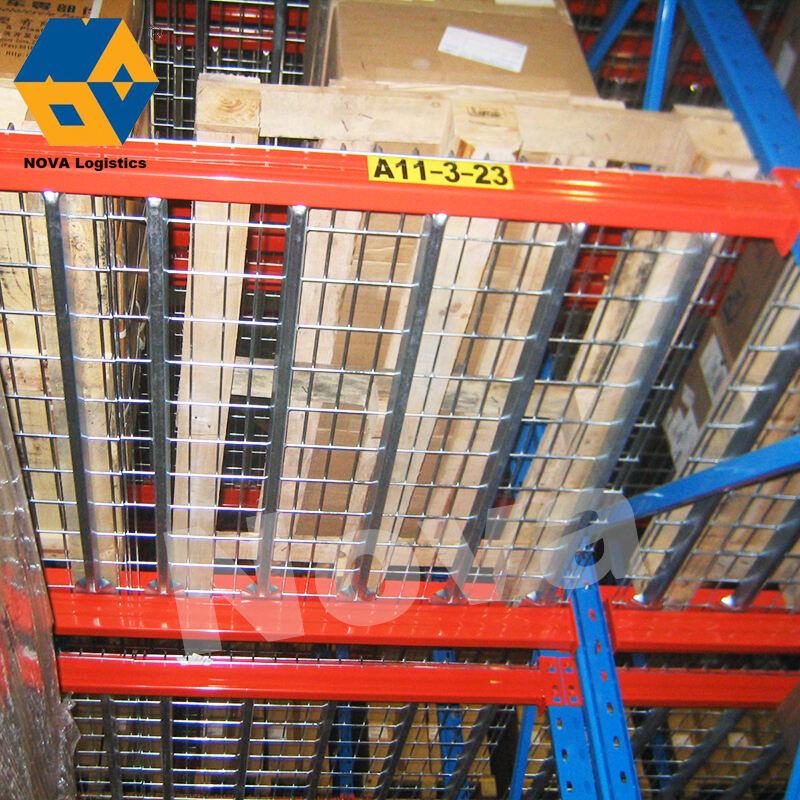
The modular architecture of steel warehouse racking delivers unparalleled flexibility for creating customized storage solutions precisely matched to unique operational requirements, facility dimensions, and inventory characteristics that vary significantly across different businesses and industries. This adaptability begins with the fundamental design principle of interchangeable components that work together in countless configurations, allowing warehouse managers to design layouts that maximize available space while accommodating specific product dimensions, access patterns, and material flow requirements. Upright frames available in various heights enable full utilization of vertical clearance, while beam lengths in multiple sizes create storage bays perfectly sized for pallet dimensions, container widths, or specialized equipment. The adjustment capability proves particularly valuable, as beam levels can be repositioned at precise intervals to accommodate changing inventory profiles without requiring new equipment purchases or complete system replacement. Businesses experiencing growth, product line expansions, or seasonal variations benefit tremendously from this reconfiguration capability, adjusting storage density, access patterns, and capacity allocation as operational needs evolve. The modular approach also facilitates phased implementation, allowing companies to install initial configurations that meet immediate needs while preserving the option to expand systems as budgets allow or requirements increase. This scalability reduces upfront capital requirements and spreads investment costs over time while maintaining complete compatibility between original and additional components. Specialized accessories further enhance customization possibilities, including wire decking for supporting non-palletized items, dividers for organizing smaller products within larger bays, backstops preventing pallets from pushing through rear openings, and row spacers maintaining proper aisle widths. These supplementary elements transform basic steel warehouse racking into sophisticated storage solutions addressing specific operational challenges unique to individual facilities. The compatibility between components from quality manufacturers ensures businesses can source replacement parts, expansion sections, or upgrade elements without compatibility concerns that would force complete system replacement. This standardization protects long-term investment value and simplifies maintenance planning. Design flexibility extends to aesthetic considerations as well, with powder-coated finishes available in various colors that support facility organization through color-coding systems, enhance professional appearance, and provide corrosion protection extending system lifespan in challenging environmental conditions including temperature extremes, humidity variations, and chemical exposure common in industrial settings.
Enhanced Workplace Safety Through Engineered Structural Integrity

Enhanced Workplace Safety Through Engineered Structural Integrity

Steel warehouse racking prioritizes workplace safety through engineered structural integrity that protects personnel, inventory, and facility infrastructure from hazards associated with improper storage practices and inadequate shelving systems. The safety advantages begin with predictable, tested performance characteristics that eliminate the uncertainty and risk inherent in makeshift storage solutions or systems operating beyond designed capacity limits. Professional engineering ensures each component meets specific strength requirements verified through rigorous testing protocols that simulate real-world loading conditions, impact scenarios, and environmental stresses. This validation process provides documented assurance that systems will perform as specified when properly installed and operated within rated parameters. Frame anchoring systems secure structures firmly to concrete floors, preventing movement, tipping, or shifting that could result from seismic activity, accidental impacts, or unbalanced loading conditions. These anchor points distribute forces safely into building foundations, maintaining system stability regardless of operational dynamics. Beam safety locks represent critical protective features that prevent horizontal members from accidentally dislodging during loading operations, equipment contact, or seismic events, ensuring stored materials remain securely supported at all times. Column protectors shield vulnerable upright frames from forklift impacts that could compromise structural integrity, absorbing collision energy and preserving the load-bearing capacity of primary structural elements. Clear aisle configurations created by properly planned steel warehouse racking installations improve visibility for equipment operators, reduce congestion in high-traffic areas, and provide emergency egress routes meeting fire safety code requirements. The organized storage environment eliminates unstable floor stacking practices where products balanced precariously create falling hazards threatening worker safety and product integrity. Inventory stored on engineered racking systems remains secure at designated elevations, accessible through controlled retrieval methods rather than risky climbing or unstable ladder usage. Load capacity placards clearly display weight limits for each beam level, providing operators with essential information preventing dangerous overloading situations that could precipitate structural failure. Regular inspection protocols become straightforward with steel warehouse racking, as visual assessment can identify damaged components, missing safety hardware, or concerning deflection requiring corrective action before hazardous conditions develop. This proactive maintenance capability reduces accident risk and extends system service life. Compliance with occupational safety regulations becomes significantly easier when storage infrastructure meets recognized industry standards for design, installation, and operation, reducing liability exposure and supporting positive safety culture development. The investment in quality steel warehouse racking demonstrates organizational commitment to employee welfare, reducing injury rates, workers compensation costs, and productivity losses associated with unsafe working conditions that plague operations relying on inadequate storage methods.

Get a Free Quote

Our representative will contact you soon.
Email
Name
Company Name
Message
0/1000

Get a Free Quote

Our representative will contact you soon.
Email
Name
Company Name
Message
0/1000