Palletized Automated Warehouse Solutions: Maximize Efficiency and Storage Capacity

All Categories

Get a Free Quote

Our representative will contact you soon.
Email
Name
Company Name
Message
0/1000

palletized automated warehouse

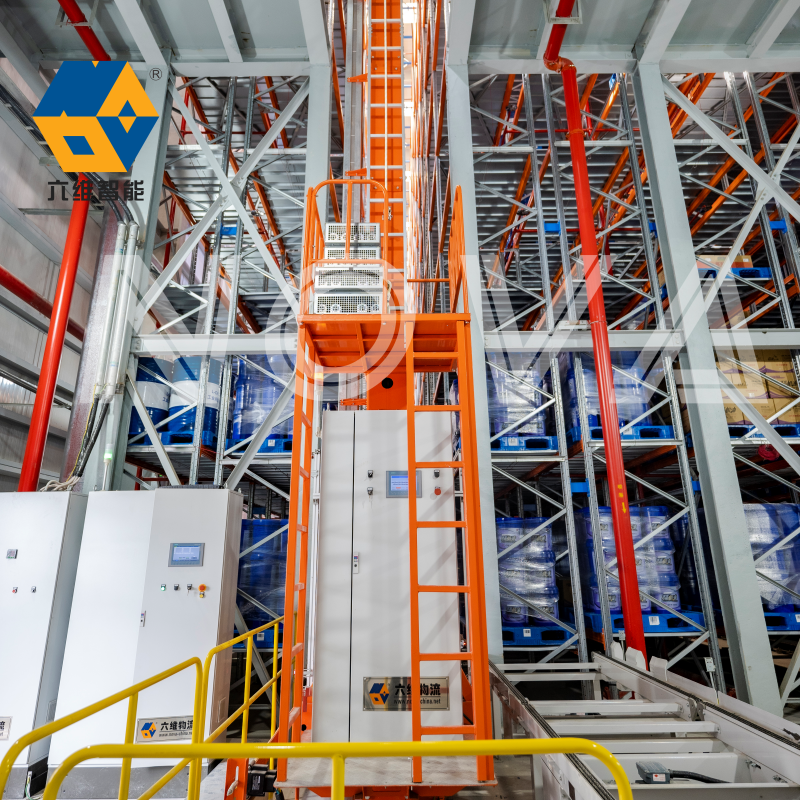
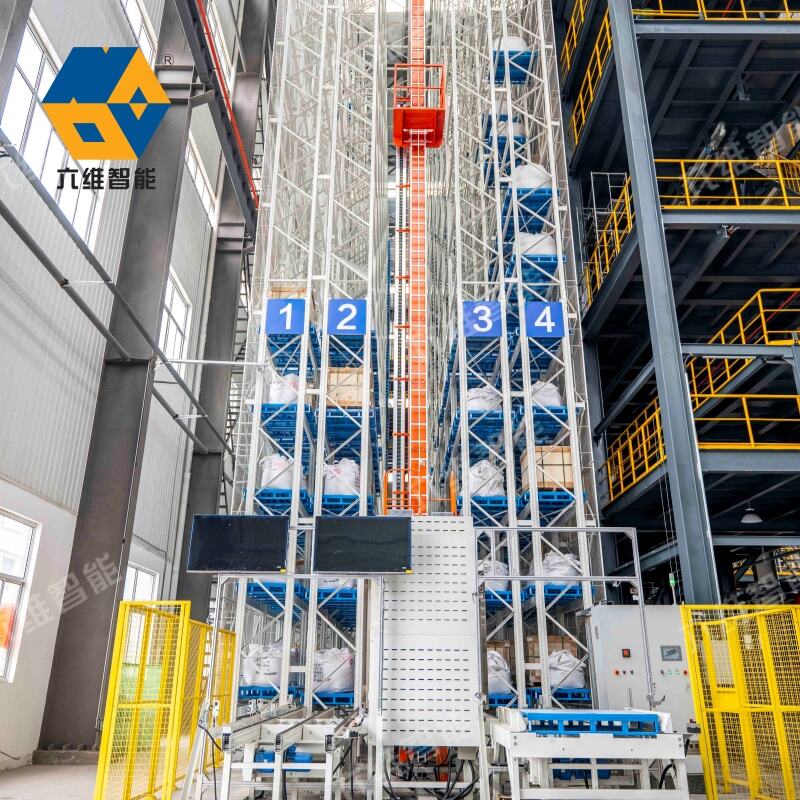
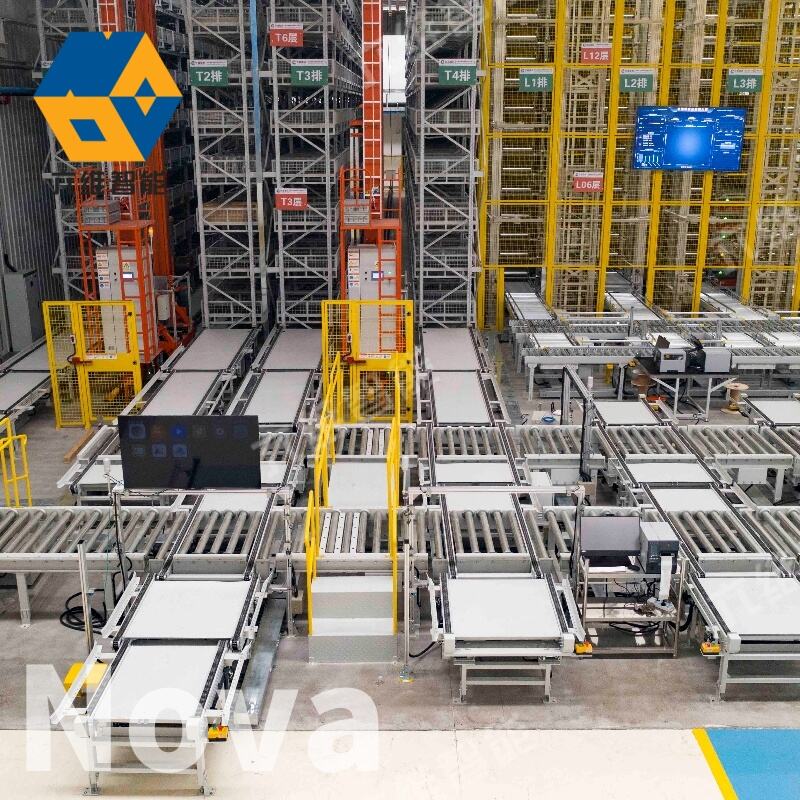
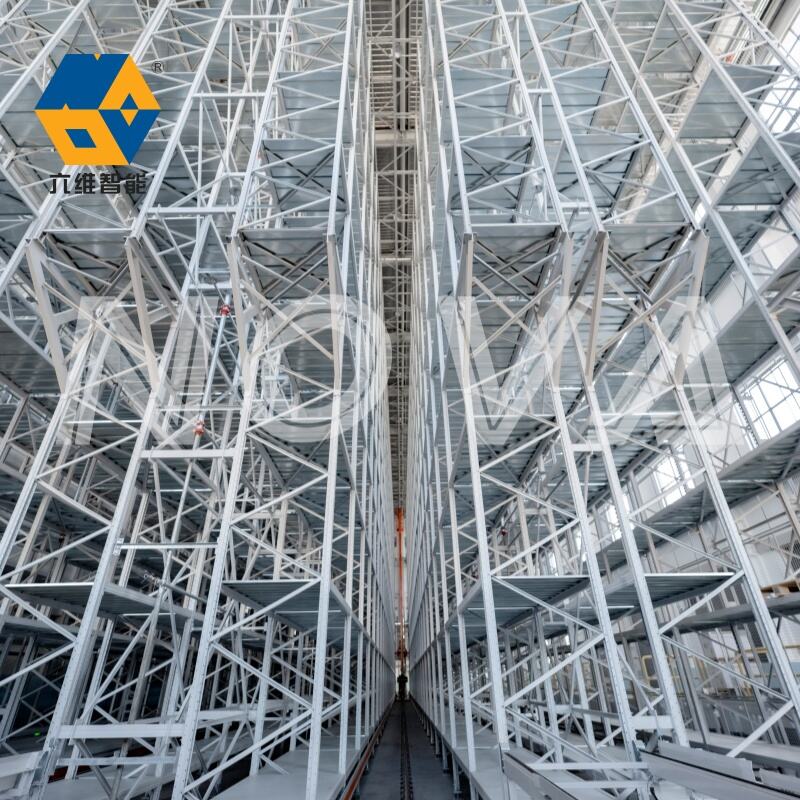
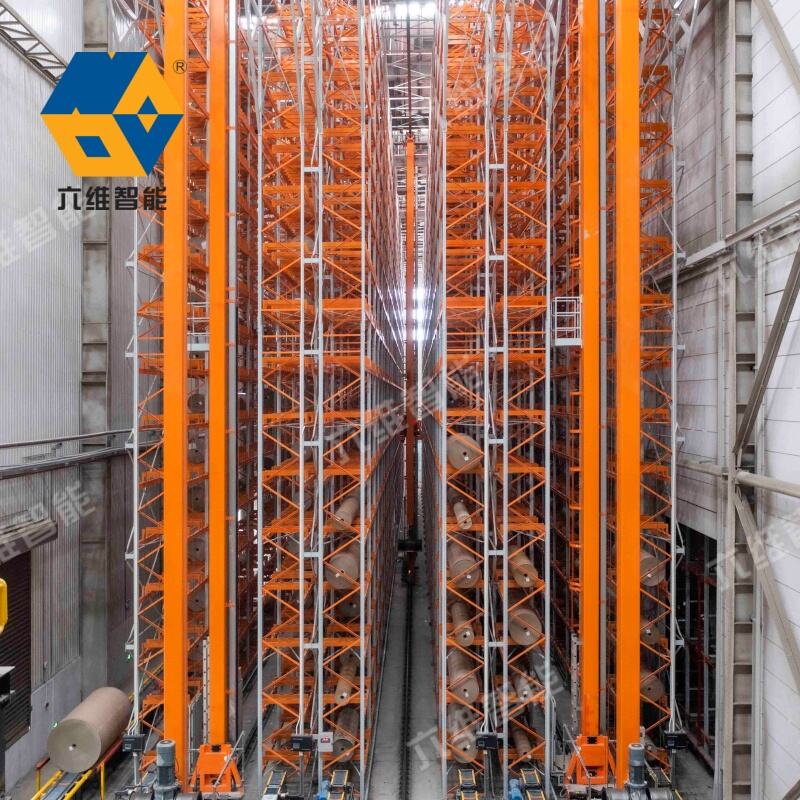
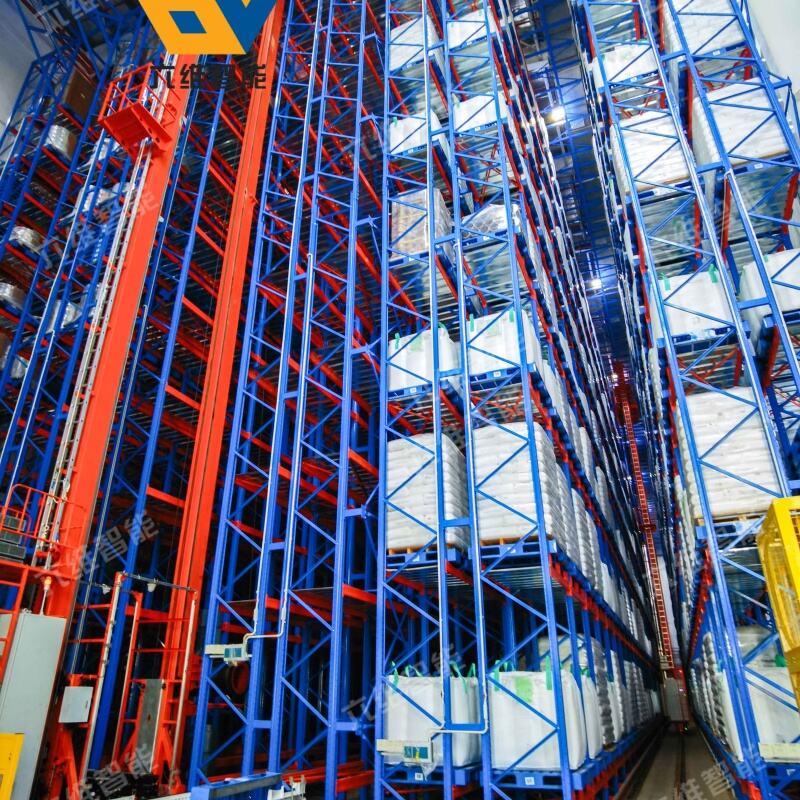
A palletized automated warehouse represents a sophisticated storage solution that revolutionizes how businesses manage their inventory and distribution operations. This advanced system combines cutting-edge technology with intelligent design to create a seamless, efficient storage environment capable of handling large volumes of palletized goods with minimal human intervention. At its core, a palletized automated warehouse utilizes automated storage and retrieval systems, commonly known as AS/RS, which work in conjunction with warehouse management software to orchestrate the movement, storage, and retrieval of products mounted on standard pallets. The main functions of a palletized automated warehouse include high-density storage, rapid retrieval of goods, precise inventory management, and streamlined order fulfillment processes. These facilities typically feature towering storage racks that maximize vertical space utilization, automated stacker cranes that navigate aisles with precision, and conveyor systems that transport pallets throughout the facility. The technological features distinguishing a palletized automated warehouse include real-time tracking capabilities through barcode scanning or RFID technology, computerized control systems that optimize storage locations based on product characteristics and demand patterns, and integrated safety mechanisms that ensure smooth operations. Applications for palletized automated warehouses span numerous industries, including manufacturing, retail, food and beverage distribution, pharmaceutical storage, e-commerce fulfillment, and automotive parts management. Companies dealing with high-volume inventory turnover, seasonal demand fluctuations, or space constraints find particular value in implementing these systems. The palletized automated warehouse serves as a strategic asset that transforms traditional storage facilities into intelligent logistics hubs, enabling businesses to respond swiftly to market demands while maintaining stringent quality control standards and reducing operational costs associated with manual handling and storage inefficiencies.


New Products

Implementing a palletized automated warehouse delivers tangible benefits that directly impact your bottom line and operational efficiency. First and foremost, these systems dramatically increase your storage capacity without requiring additional floor space. By utilizing vertical space effectively, you can store up to three times more inventory compared to traditional warehouses with the same footprint. This space optimization translates into reduced real estate costs and the ability to consolidate multiple storage locations into a single, more manageable facility. Labor costs decrease significantly as automation handles the physically demanding and repetitive tasks of moving heavy pallets. Your workforce can redirect their efforts toward more valuable activities such as quality control, customer service, and strategic planning. The system operates continuously, working through nights, weekends, and holidays without fatigue, which means your operations never stop, and you can fulfill orders around the clock. Accuracy improvements represent another major advantage. Automated systems virtually eliminate picking errors, ensuring customers receive exactly what they ordered every time. This precision reduces returns, enhances customer satisfaction, and protects your brand reputation. Inventory visibility becomes real-time and comprehensive. You know exactly what products you have, where they are located, and how quickly they are moving. This transparency enables better forecasting, smarter purchasing decisions, and reduced holding costs for excess inventory. Safety conditions improve markedly as automation minimizes the need for workers to operate forklifts in congested areas or retrieve items from dangerous heights. Workplace injuries decline, insurance premiums decrease, and employee morale improves when people work in safer environments. Speed and throughput increase substantially. A palletized automated warehouse can process more orders in less time than manual operations, allowing you to serve more customers and capture additional market share. During peak seasons, the system scales effortlessly to handle demand spikes without hiring temporary staff or paying overtime wages. Energy efficiency receives a boost as modern systems incorporate LED lighting, optimized heating and cooling strategies, and equipment that consumes less power than traditional material handling machinery. These environmental benefits align with corporate sustainability goals while reducing utility expenses. The return on investment, while requiring initial capital, typically materializes within a few years through cumulative savings and revenue growth opportunities that automated capabilities unlock.

Tips And Tricks

How Does a Warehouse Mezzanine Increase Storage Capacity Efficiently?

13

Jan

How Does a Warehouse Mezzanine Increase Storage Capacity Efficiently?

Modern warehouse operations face mounting pressure to maximize storage capacity without expanding their physical footprint. A warehouse mezzanine represents one of the most effective solutions for increasing storage density while maintaining operatio...
View More
How Automated Storage and Retrieval Systems Enhance Inventory Accuracy

05

Feb

How Automated Storage and Retrieval Systems Enhance Inventory Accuracy

Modern warehouses face unprecedented challenges in maintaining accurate inventory levels while managing increasing order volumes and customer expectations. Traditional manual tracking methods have become insufficient for businesses seeking competitiv...
View More
How Does Automation Transform Storage and Retrieval Processes?

05

Feb

How Does Automation Transform Storage and Retrieval Processes?

Modern warehouses and distribution centers are experiencing a revolutionary transformation through advanced technology solutions that streamline operations and maximize efficiency. The implementation of sophisticated automated storage and retrieval s...
View More
How to Optimize Warehouse Space with Heavy Duty Pallet Racks?

16

Mar

How to Optimize Warehouse Space with Heavy Duty Pallet Racks?

Warehouse space optimization has become a critical concern for businesses seeking to maximize storage capacity while minimizing operational costs. The implementation of proper storage solutions can dramatically transform warehouse efficiency, with he...
View More

Get a Free Quote

Our representative will contact you soon.
Email
Name
Company Name
Message
0/1000

palletized automated warehouse

Exceptional Speed and Throughput Performance

Exceptional Speed and Throughput Performance

The speed at which a palletized automated warehouse operates fundamentally changes what businesses can accomplish in their supply chain operations. Unlike conventional storage facilities where workers manually locate and retrieve items using forklifts, automated systems execute these tasks in fractions of the time with unwavering consistency. Stacker cranes travel at impressive speeds along precision-guided rails, accelerating and decelerating smoothly while carrying loads weighing thousands of pounds. These machines can retrieve a pallet from storage and deliver it to a pickup station in under two minutes, regardless of whether the item sits near the ground or at heights exceeding 100 feet. This rapid cycle time means your facility can process hundreds of pallet movements per hour, transforming order fulfillment from a bottleneck into a competitive advantage. During peak demand periods such as holiday seasons or promotional events, this throughput capacity proves invaluable. While traditional warehouses struggle to keep pace and often require overtime shifts or temporary workers, a palletized automated warehouse maintains consistent performance levels without additional resources. The system simply runs longer hours if needed, processing orders as quickly at midnight as it does at noon. This reliability ensures you never miss delivery commitments or disappoint customers due to fulfillment delays. The speed advantage extends beyond simple retrieval operations. Automated systems can simultaneously handle multiple tasks, with different stacker cranes working independently in separate aisles while conveyor networks route pallets to various destinations throughout the facility. This parallel processing capability multiplies overall system productivity. Furthermore, the warehouse management software optimizes task sequencing, ensuring the system always works on the highest-priority orders first and batches related movements to minimize travel time. Speed and throughput directly impact your revenue potential. Faster order processing means you can accept orders later in the day and still ship the same day, extending your order cutoff times beyond what competitors offer. This flexibility attracts customers who value quick delivery and gives your sales team a powerful differentiator when competing for business. The ability to turn inventory quickly also improves cash flow, as products spend less time sitting idle and more time generating sales. For businesses operating on thin margins, these improvements in velocity can mean the difference between profitability and struggle.
Intelligent Space Utilization and Scalability

Intelligent Space Utilization and Scalability

Space represents one of the most expensive resources in warehousing, making efficient utilization a critical concern for any business managing physical inventory. A palletized automated warehouse addresses this challenge through intelligent design principles that maximize every cubic foot of available volume. Traditional warehouses waste significant space through wide aisles needed for forklift maneuvering, safety clearances around manual operations, and conservative stacking heights limited by equipment capabilities and safety regulations. Automated systems eliminate these constraints through narrow aisle configurations where stacker cranes operate in precisely defined pathways requiring minimal width. These compact aisles immediately reclaim floor space that can accommodate additional storage locations. Vertical space utilization reaches impressive heights as automated equipment safely accesses storage positions that would be impractical or dangerous for manual operations. Buildings designed for palletized automated warehouses often feature ceiling heights of 100 feet or more, with every vertical foot contributing usable storage capacity. This three-dimensional thinking transforms the economics of warehousing, allowing businesses to store vastly more inventory within existing facilities or downsize their real estate footprint while maintaining the same storage capacity. The financial implications are substantial. Reducing warehouse square footage lowers property taxes, utility costs, insurance premiums, and maintenance expenses. In expensive real estate markets, these savings can amount to hundreds of thousands of dollars annually. Alternatively, companies can use the freed space for value-added services such as kitting, light assembly, or custom packaging that generate additional revenue. Scalability represents another dimension of the space advantage. As your business grows, a palletized automated warehouse can expand vertically by adding higher rack levels or horizontally by extending aisles and adding equipment. This modular growth approach allows you to match storage capacity precisely to current needs while preserving the option to expand incrementally as demand increases. You avoid the difficult choice between investing in excess capacity upfront or outgrowing your facility prematurely. The intelligent warehouse management system continuously optimizes storage locations based on product characteristics, ensuring fast-moving items occupy easily accessible positions while slower products utilize available space efficiently. This dynamic allocation adapts automatically to changing inventory profiles and business conditions without requiring manual reorganization.
Enhanced Accuracy and Inventory Control

Enhanced Accuracy and Inventory Control

Accuracy in inventory management separates successful operations from those plagued by costly errors, customer complaints, and operational inefficiencies. A palletized automated warehouse elevates accuracy to levels unattainable through manual processes, creating a foundation of reliability that permeates every aspect of your business. The automated system tracks every pallet movement with precision, recording exact locations, quantities, and timestamps in the warehouse management software. Barcode scanners or RFID readers verify product identities at multiple points throughout the facility, ensuring the system always knows precisely what inventory exists and where it resides. This comprehensive visibility eliminates the discrepancies that plague traditional warehouses, where items get misplaced, counts become outdated, and phantom inventory creates planning problems. When accuracy reaches these elevated levels, the benefits cascade throughout your organization. Order fulfillment errors virtually disappear, meaning customers receive correct products in proper quantities every time. This reliability strengthens customer relationships, reduces the costs associated with returns and reshipments, and protects your brand reputation. Sales teams can confidently promise inventory availability knowing the system data reflects reality. Purchasing departments make better decisions using accurate inventory information, avoiding both stockouts that lose sales and overstock situations that tie up working capital. Financial reporting becomes more precise as physical inventory matches system records, simplifying audits and improving the accuracy of balance sheet valuations. Cycle counting processes become faster and more efficient because automated systems provide reliable baseline data requiring only periodic verification rather than exhaustive physical counts. Many facilities operating palletized automated warehouses achieve inventory accuracy rates exceeding 99.9 percent, a level that seems impossible in manual operations but becomes routine with automation. The system also enhances traceability for industries with strict regulatory requirements. Pharmaceutical companies, food distributors, and manufacturers with quality control obligations can track products by lot number, expiration date, or serial number with complete confidence. When recalls occur, the system instantly identifies affected inventory locations, enabling swift action that protects consumers and limits liability exposure. This traceability extends to chain of custody documentation, providing detailed records of every movement and transaction that stand up to regulatory scrutiny and audit requirements.

Get a Free Quote

Our representative will contact you soon.
Email
Name
Company Name
Message
0/1000

Get a Free Quote

Our representative will contact you soon.
Email
Name
Company Name
Message
0/1000