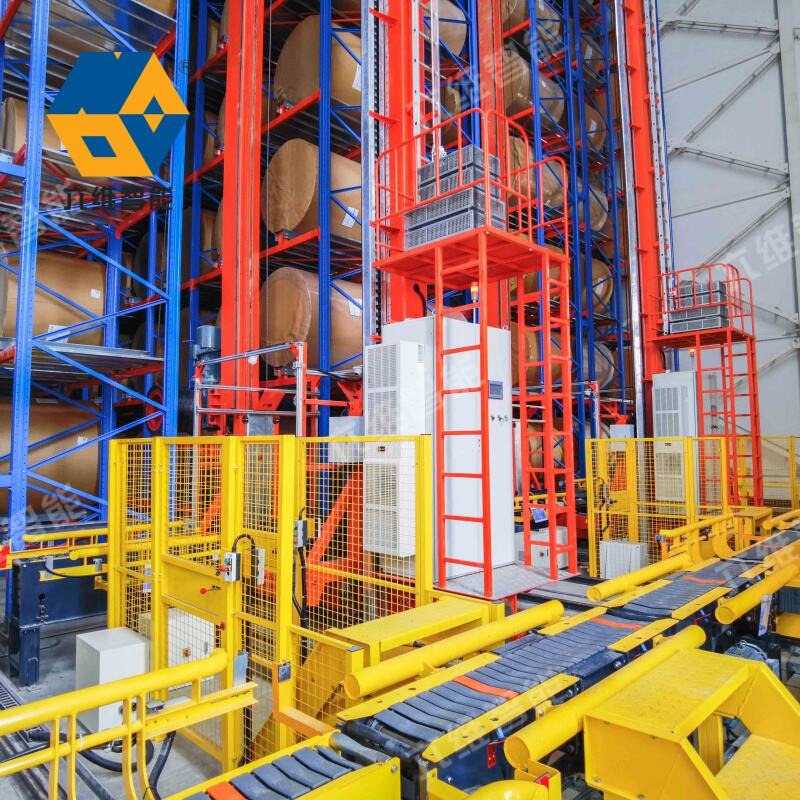
Dramatické snížení nákladů na práci za zároveň zvýšené bezpečnosti na pracovišti
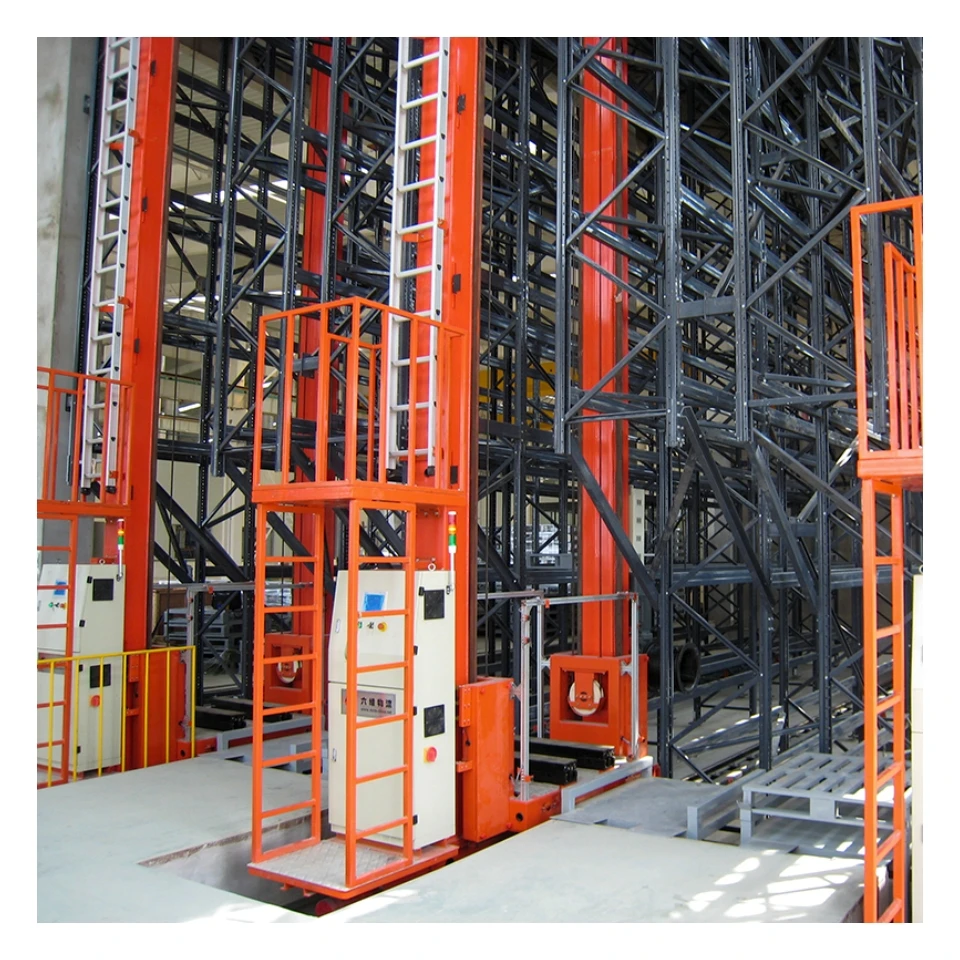
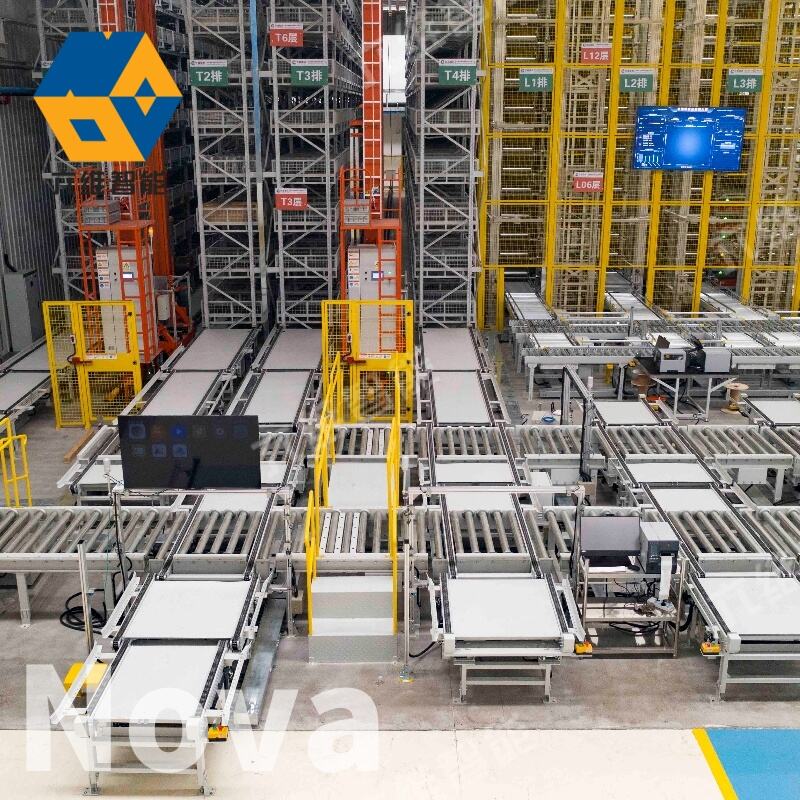
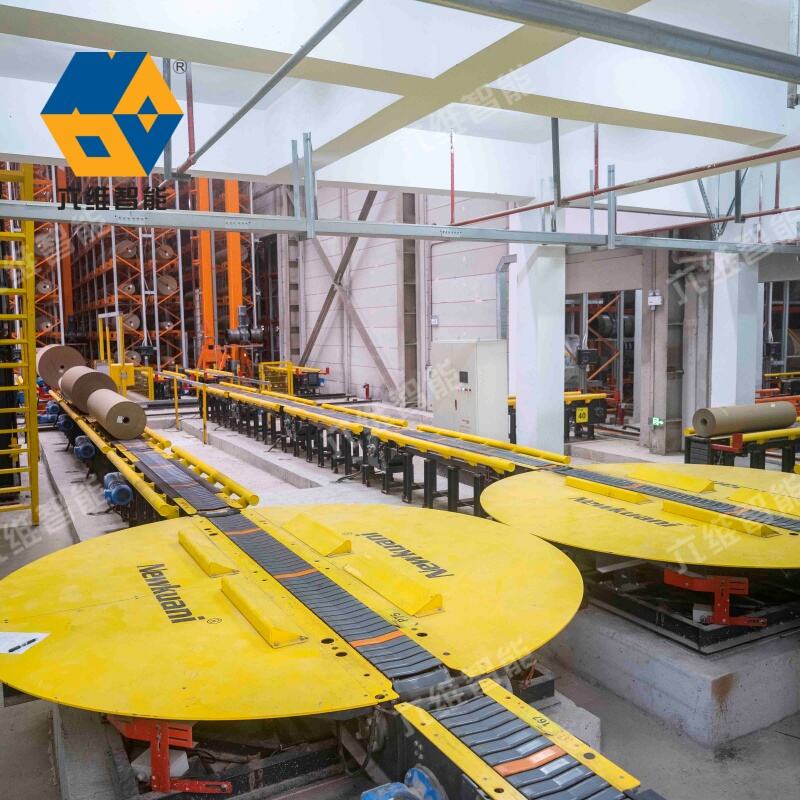
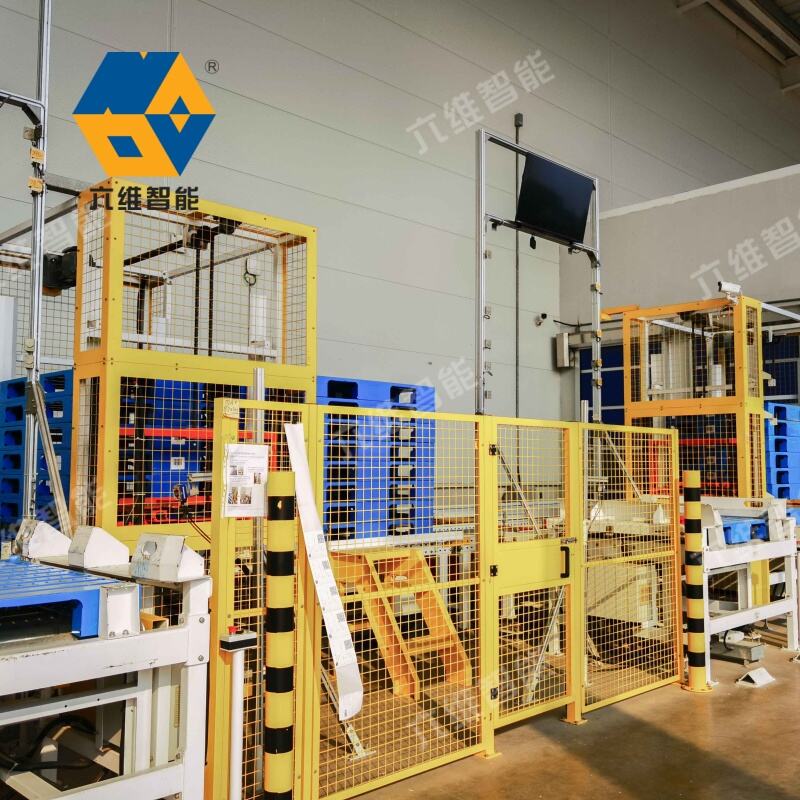
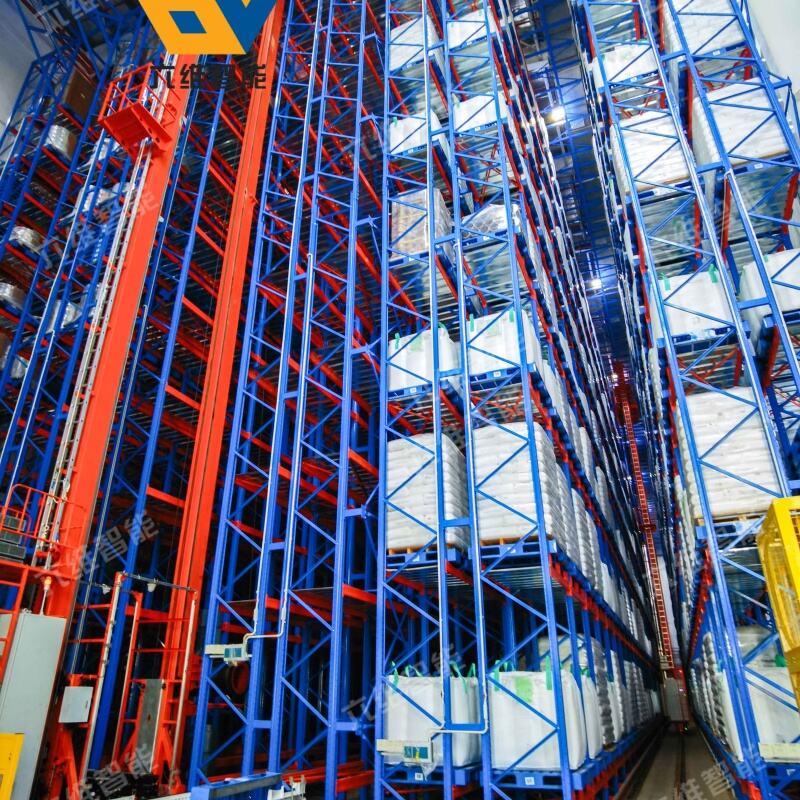
Automatické skladování ve skladu přináší výrazné snížení nákladů na práci a zároveň vytváří bezpečnější pracovní prostředí, čímž řeší dva klíčové problémy, kterým čelí provozovatelé skladů v dnešní konkurenční a regulované obchodní realitě. Práce představuje jednu z největších trvalých položek nákladů v tradičním skladování, kde náklady sahají daleko za hrubou mzdu – zahrnují například dávky zaměstnancům, školení, náklady na nahrazení zaměstnanců po odchodu, příplatek za přesčas a pojistné na úrazové pojištění zaměstnanců, čímž se automatické skladování ve skladu stává atraktivní investicí, která přináší výhody rok za rokem. Automatizací opakujících se úkolů, jako je vyhledávání položek, jejich přeprava a umisťování do skladu, se výrazně snižuje potřeba pracovní síly – často až o 40 až 70 procent, v závislosti na velikosti a konfiguraci provozu. Zbývající zaměstnanci přecházejí z fyzicky náročných úkolů do pozic dozorčích, údržbářských a řešitelů výjimečných situací, které nabízejí lepší pracovní podmínky, vyšší úroveň odborného rozvoje a zlepšenou spokojenost s prací, čímž se snižují míry odchodu zaměstnanců a související náklady na nábor nových pracovníků. Bezpečnostní výhody automatického skladování ve skladu jsou stejně významné: technologie eliminuje mnoho běžných skladových rizik, která způsobují úrazy – například nehody s vozíky, pády z výšky, poruchy způsobené opakovaným zvedáním (repetitivní zátěž) či srážky mezi zaměstnanci a stroji. Po zavedení automatického skladování ve skladu výrazně klesají nároky na úrazové pojištění zaměstnanců, protože zaměstnanci již neprovádějí nebezpečné činnosti, které způsobují většinu pracovních úrazů; to může vést ke snížení pojistného a zabránit ztrátám produktivity spojeným s nepřítomností zaměstnanců kvůli úrazu. Kontrolované a předvídatelné pohyby zařízení pro automatické skladování ve skladu vytvářejí uspořádanější prostředí ve srovnání s tradičními sklady, kde se vozíky, paletové vozíky a zaměstnanci pohybují současně v přeplněných uličkách, čímž se výrazně snižuje riziko nehod. Ergonomické výhody vyplývají z toho, že automatické skladování ve skladu přináší položky zaměstnancům ve vhodné výšce, aniž by bylo nutné se ohýbat, natahovat se či šplhat pro přístup k zásobám, což chrání dlouhodobé zdraví zaměstnanců a snižuje výskyt chronických poruch způsobených opakovanou zátěží. Dodržování předpisů o bezpečnosti a ochraně zdraví při práci se stává jednodušším díky automatickému skladování ve skladu, protože systém již ve své podstatě obsahuje bezpečnostní prvky, jako jsou senzory, bariéry a programové bezpečnostní protokoly, které brání neoprávněnému přístupu do nebezpečných oblastí. Předvídatelný a konzistentní výkon automatického skladování ve skladu také zvyšuje přesnost plánování, čímž se snižuje potřeba expedované dopravy nebo přesčasu pro nápravu provozních selhání – další faktor ovlivňující náklady, který zároveň udržuje úroveň služeb, jež zajišťují spokojenost zákazníků a jejich loajalitu vůči vaší firmě.

 EN
EN