Վերակազմավորվող դիզայն՝ ապահովելով բիզնեսի էվոլյուցիան և ճկունությունը
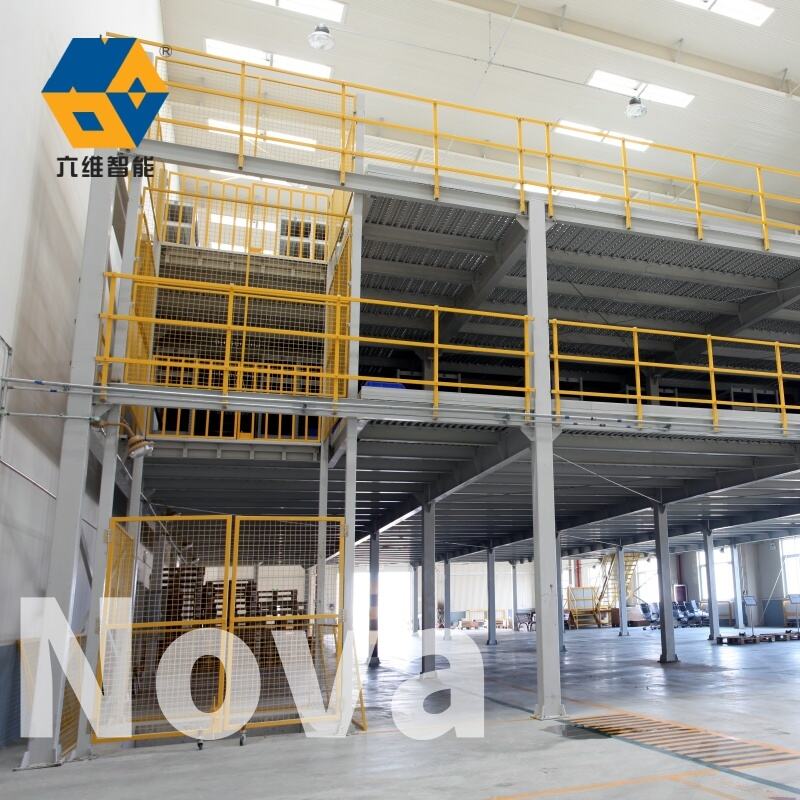
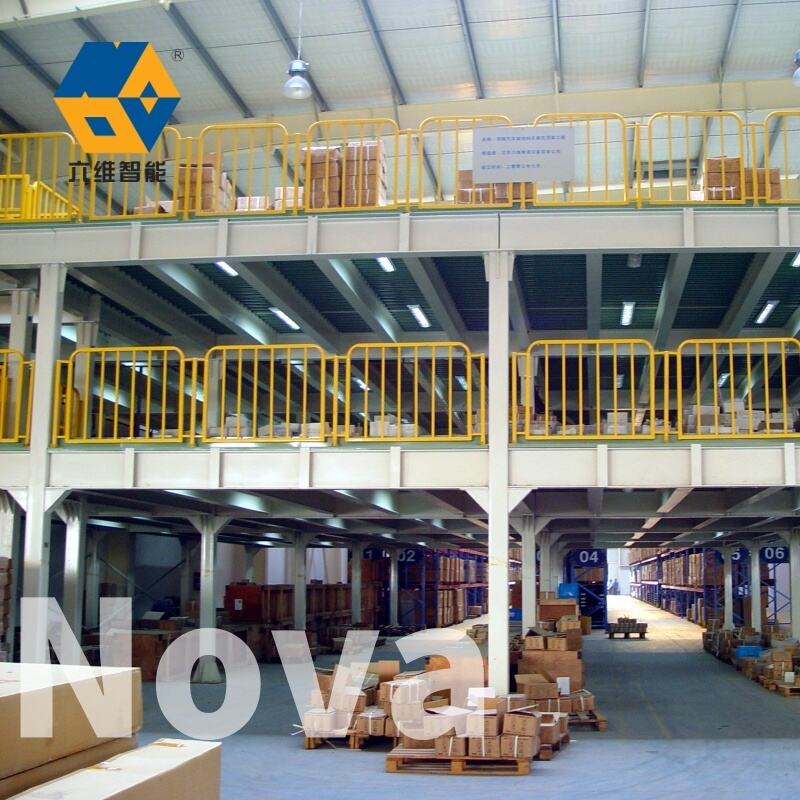
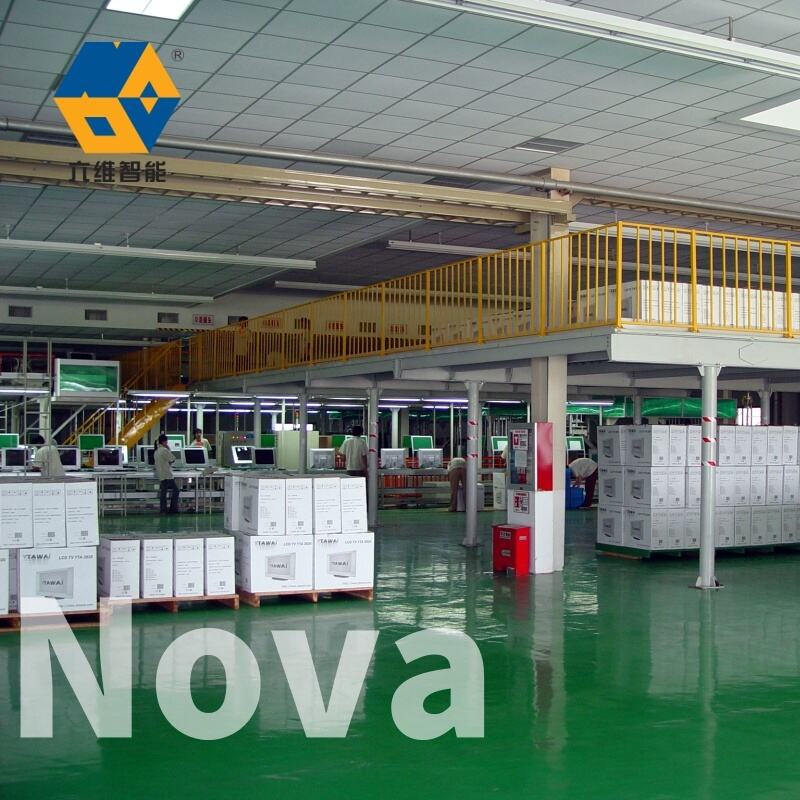
Մեզզանին գործարանային համակարգերի ներքին վերակազմակերպելիությունը ապահովում է բացառիկ երկարաժամկետ արժեք՝ աջակցելով բիզնեսի զարգացմանը, գործառնական փոփոխություններին և ռազմավարական շրջադարձերին՝ առանց օբյեկտների ամբողջական վերանորոգման կամ թանկարժեք մշտական մոդիֆիկացիաների անհրաժեշտության: Այս ճկունության առավելությունը լուծում է ժամանակակից արտադրողների և դիստրիբյուտորների առջև ծառացած հիմնարար մարտահրավերը, որոնք պետք է արագ հարմարվեն փոփոխվող շուկայական պահանջարկին, արտադրանքի տեսականիի տատանումներին, տեխնոլոգիական առաջընթացին և աճի հետագծերին, որոնք ստատիկ օբյեկտները դարձնում են հնացած: Ի տարբերություն մշտական պատերի, ֆիքսված հատակի մակարդակների և անշարժ ենթակառուցվածքների ստեղծման ավանդական շինարարության, մեզզանին գործարանի բաղադրիչները օգտագործում են մոդուլային պտուտակավոր միացման դիզայններ, որոնք նպաստում են ապագա փոփոխությունների, ընդլայնումների, կրճատումների կամ ամբողջական վերակազմակերպումների իրականացմանը՝ բիզնեսի կարիքների զարգացմանը զուգընթաց: Ընկերությունները կարող են ավելացնել բաժիններ՝ աճին հարմարվելու համար, հեռացնել մասեր, եթե անհրաժեշտ է փոքրացնել, կարգավորել առաստաղի բարձրությունը մակարդակների միջև՝ ավելի բարձր սարքավորումները տեղավորելու համար, տեղափոխել աստիճաններն ու մուտքի կետերը՝ երթևեկության հոսքը օպտիմալացնելու համար, կամ նույնիսկ ապամոնտաժել և տեղափոխել ամբողջ մեզզանին գործարանային կառույցները տարբեր օբյեկտներ՝ բիզնեսի տեղափոխությունների ընթացքում: Այս հարմարվողականությունը տարածվում է ֆունկցիոնալ վերօգտագործման վրա, որտեղ պահեստավորման համար նախատեսված տարածքները կարող են վերածվել արտադրական գոտիների, վարչական տարածքները կարող են վերածվել որակի վերահսկման լաբորատորիաների, կամ փաթեթավորման կայանները կարող են վերածվել հավաքման տարածքների՝ համեմատաբար պարզ վերակազմակերպման նախագծերի միջոցով, որոնք ավարտվում են օրերի ընթացքում, այլ ոչ թե ամիսների ընթացքում: Մոդուլային բնույթը նաև աջակցում է փուլային ներդրման ռազմավարություններին՝ թույլ տալով բիզնեսներին տեղադրել մեզզանին գործարանի սկզբնական հատվածներ՝ լուծելով անմիջական հզորության սահմանափակումները, միաժամանակ պլանավորելով հետագա փուլերը՝ համապատասխանեցնելով բյուջեի մատչելիությանը և պահանջարկի աճին, խուսափելով նախնական խոշոր կապիտալ ներդրումների ֆինանսական ծանրաբեռնվածությունից: Մեզզանին գործարանի շինարարությունը կարգավորող ինժեներական չափորոշիչները ապահովում են տարբեր նախագծի փուլերի, արտադրողների և տեխնիկական բնութագրերի բաղադրիչների համատեղելիությունը՝ վստահություն ներշնչելով, որ ապագա փոփոխությունները անխափան կերպով կինտեգրվեն առկա կառուցվածքների հետ: Այս վերակազմաձևման գործնական բիզնես հետևանքները ներառում են հնացման ռիսկի նվազեցում, կապիտալ ներդրումների պաշտպանություն՝ երկարացված օգտակար կյանքի միջոցով, գործառնական ճշգրտումներ պահանջող շուկայական հնարավորություններին արձագանքելու ընդլայնված կարողություն և վարձակալության ճկունության բարելավում վարձակալության այն բիզնեսների համար, որոնք գործում են վարձակալված օբյեկտներում, որտեղ մշտական փոփոխությունները բարդություններ են առաջացնում: Ֆինանսական պլանավորման առավելությունները բխում են հաշվապահական մոտեցումներից, որոնք վերակազմաձևվող մեզզանին գործարանային համակարգերը դասակարգում են որպես շարժական սարքավորումներ, այլ ոչ թե մշտական բարելավումներ, հնարավոր է՝ առաջարկելով ամորտիզացիայի առավելություններ և խուսափելով կապիտալացված վարձակալության բարելավման դասակարգումներից, որոնք արժեք չեն տալիս, եթե բիզնեսները տեղափոխվեն: Հաճախորդների հաջողության պատմությունները հաճախ ընդգծում են վերակազմաձևման առավելությունները, որտեղ բիզնեսները հայտնում են տասնամյակների գործունեության ընթացքում բազմաթիվ օբյեկտների վերակազմաձևումների մասին, աջակցելով արտադրանքի գծի փոփոխություններին, ավտոմատացման ինտեգրմանը, աշխատուժի ընդլայնմանը և ռազմավարական վերադիրքավորմանը՝ առանց օբյեկտի լքման կամ խոշոր շինարարական նախագծերի պահանջի, որոնք կխաթարեն գործունեությունը և կծանրաբեռնեն կապիտալ բյուջեները:

 EN
EN