Mezzanine Factory Solutions: Maximize Space, Boost Efficiency & Cut Costs

All Categories

Get a Free Quote

Our representative will contact you soon.
Email
Name
Company Name
Message
0/1000

mezzanine factory

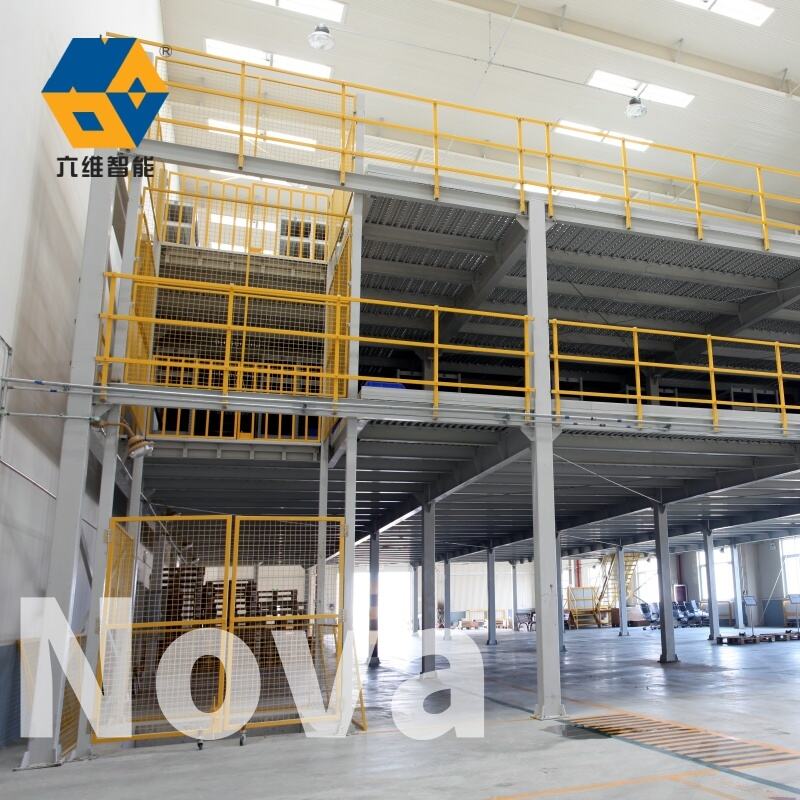
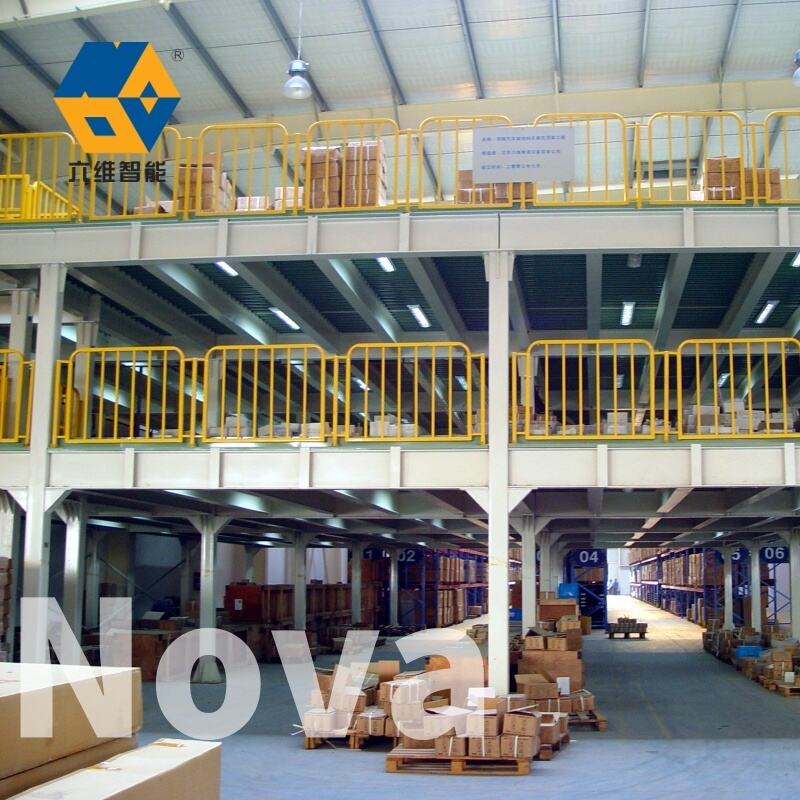
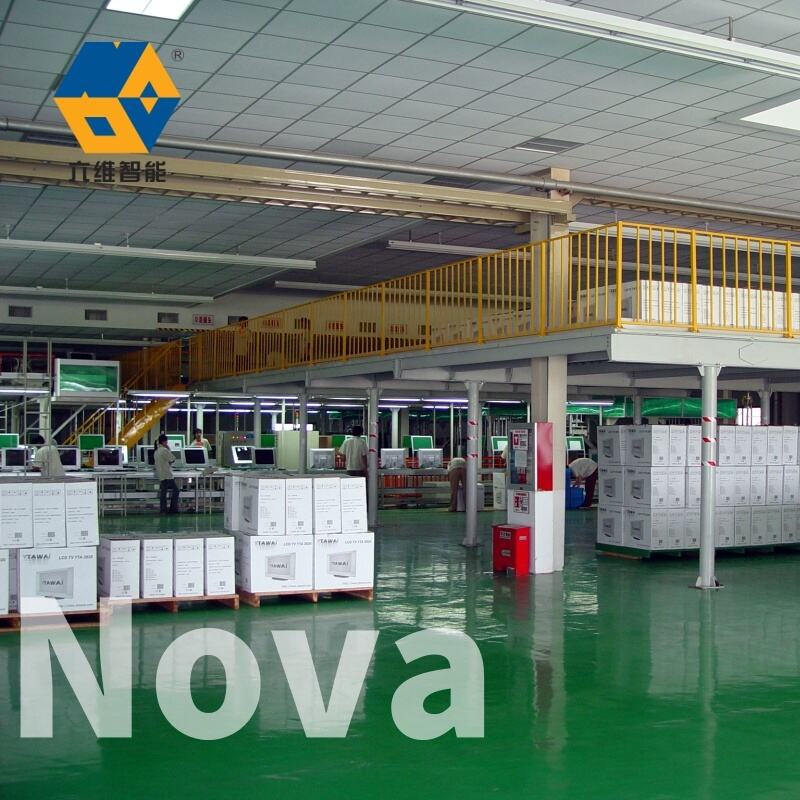
A mezzanine factory represents an innovative industrial facility design that maximizes vertical space utilization through the installation of intermediate floors between the main floor and ceiling. This architectural approach transforms conventional single-level manufacturing spaces into multi-tiered production environments, effectively doubling or tripling usable square footage without expanding the building footprint. The mezzanine factory concept has become increasingly popular among manufacturers seeking to optimize operational efficiency while managing real estate costs. These structures typically feature robust steel frameworks engineered to support heavy machinery, inventory storage systems, assembly lines, and workforce activities across multiple levels. The main functions of a mezzanine factory encompass production workflow optimization, inventory management, quality control stations, packaging operations, and administrative oversight areas. Technological features include modular construction systems that allow for rapid installation and future reconfiguration, integrated safety railings and staircases, adjustable load-bearing capacities ranging from light-duty storage to heavy industrial equipment support, and compatibility with material handling systems such as conveyors, lifts, and automated retrieval mechanisms. Advanced mezzanine factory designs incorporate climate control considerations, proper lighting distribution across levels, and electrical infrastructure planning to support modern manufacturing equipment. Applications span diverse industries including automotive parts manufacturing, electronics assembly, food processing and distribution, pharmaceutical production, textile manufacturing, e-commerce fulfillment centers, and general warehousing operations. The versatility of mezzanine factory configurations enables businesses to create dedicated zones for different production stages, separate raw materials from finished goods, establish quality inspection areas, and position supervisory personnel with optimal visibility over operations. This spatial organization enhances workflow efficiency, reduces material transportation distances, and facilitates better communication among teams working on interconnected production tasks within the same facility footprint.

New Products

The primary advantage of implementing a mezzanine factory lies in its exceptional space optimization capabilities, allowing businesses to expand operational capacity without the substantial costs associated with building additions or relocating to larger facilities. Companies can typically increase their usable floor space by fifty to one hundred percent through strategic mezzanine installation, which translates directly into enhanced production capacity and revenue potential. This space multiplication occurs vertically, meaning businesses maximize their existing real estate investment while avoiding additional property taxes, land acquisition costs, and construction expenses that new building projects would require. The financial benefits extend beyond initial cost savings, as mezzanine factory structures generally qualify as equipment rather than permanent building modifications, potentially offering favorable depreciation schedules and tax treatment. Installation timelines represent another significant advantage, with most mezzanine factory projects completing within weeks rather than the months or years required for traditional construction, minimizing business disruption and accelerating return on investment. The modular nature of these systems provides remarkable flexibility for future modifications, enabling businesses to reconfigure layouts as production needs evolve, add or remove sections, or even relocate the entire structure to different facilities if circumstances change. Operational efficiency gains materialize through improved workflow organization, as businesses can strategically position different production stages, storage areas, and support functions across multiple levels to create logical material flow patterns that reduce handling time and labor costs. Worker productivity often increases in mezzanine factory environments because employees spend less time transporting materials over long horizontal distances and can access tools, components, and workstations more conveniently within compact vertical arrangements. Safety improvements emerge from better spatial organization, with designated pathways, clearly defined work zones, and elevated supervisor positions that enhance oversight and rapid response to potential hazards. The mezzanine factory approach also supports lean manufacturing principles by facilitating just-in-time inventory positioning, reducing work-in-process accumulation, and creating visual management opportunities where supervisors can monitor multiple production areas simultaneously. Energy efficiency benefits arise from concentrated operations within smaller footprints, reducing heating, cooling, and lighting requirements compared to sprawling single-level facilities. Environmental considerations favor mezzanine factory solutions as they minimize land use, reduce construction waste, and utilize recyclable steel components that align with sustainable business practices increasingly valued by customers and stakeholders.

Tips And Tricks

How Do Pallet Rack Systems Support Safer Inventory Management?

20

May

How Do Pallet Rack Systems Support Safer Inventory Management?

Warehouse safety is not a matter of chance — it is a direct result of the systems, structures, and processes that organizations put in place. Among all the variables that influence how safely a facility operates, the design and organization of storag...
View More
How Do You Choose the Right Longspan Rack for Changing Inventory Types?

13

Jan

How Do You Choose the Right Longspan Rack for Changing Inventory Types?

Modern warehouses face constant challenges in adapting their storage systems to accommodate varying inventory types and fluctuating stock levels. A longspan rack system offers the versatility and adaptability needed to handle these dynamic requiremen...
View More
What Makes Automated Storage and Retrieval Systems Ideal for Modern Warehouses?

05

Feb

What Makes Automated Storage and Retrieval Systems Ideal for Modern Warehouses?

Modern warehouses face unprecedented challenges in managing inventory efficiently while meeting growing customer demands for faster delivery times. The implementation of an automated storage and retrieval system represents a transformative solution t...
View More
Comparing Heavy Duty Racks with Standard Pallet Rack Systems

16

Mar

Comparing Heavy Duty Racks with Standard Pallet Rack Systems

When it comes to optimizing warehouse storage capacity and operational efficiency, selecting the right pallet racking system becomes a critical decision that impacts both immediate functionality and long-term profitability. The choice between heavy d...
View More

Get a Free Quote

Our representative will contact you soon.
Email
Name
Company Name
Message
0/1000

mezzanine factory

Customizable Load Capacity Engineering for Diverse Industrial Applications

Customizable Load Capacity Engineering for Diverse Industrial Applications

The engineering excellence behind mezzanine factory construction enables precise customization of load-bearing capacities to match specific operational requirements across various industries. This technical advantage proves crucial for businesses handling different product weights, machinery specifications, and storage density needs within a single facility. Structural engineers design each mezzanine factory system with calculated load ratings that accommodate everything from light-duty office environments supporting fifty pounds per square foot to heavy industrial applications requiring capacities exceeding three hundred pounds per square foot. This customization extends throughout the entire structure, allowing different sections to feature varying load capacities based on their intended functions, such as lighter ratings for administrative areas and higher capacities for equipment-intensive production zones or dense inventory storage. The foundation of this capability rests in advanced steel fabrication techniques that utilize high-strength materials, precision-welded connections, and engineered beam configurations that distribute weight efficiently across support columns and down to the existing building floor. Businesses investing in a mezzanine factory benefit from this engineering precision through enhanced operational flexibility, as they can confidently position heavy machinery, automated equipment, bulk material storage, and high-density pallet racking systems on upper levels without compromising structural integrity or worker safety. The load capacity customization also future-proofs facilities by incorporating design margins that accommodate potential equipment upgrades, process changes, or increased storage density as businesses grow and evolve. Professional engineers conduct thorough assessments of existing building structures before mezzanine factory installation, evaluating floor slab capacity, column spacing, ceiling height, and lateral stability to ensure seamless integration between new mezzanine components and original building elements. This comprehensive approach prevents costly retrofitting needs and ensures compliance with building codes, occupational safety regulations, and insurance requirements. The practical value for customers manifests in operational confidence, knowing their mezzanine factory infrastructure can reliably support current activities while providing scalability for future expansion without requiring structural reinforcement or capacity upgrades that would disrupt operations and incur additional expenses.
Rapid Installation Methodology Minimizing Business Disruption

Rapid Installation Methodology Minimizing Business Disruption

The installation methodology employed in mezzanine factory construction delivers exceptional value through accelerated project timelines that minimize operational disruption and expedite return on investment for businesses seeking capacity expansion. Unlike traditional building construction requiring extensive site preparation, foundation work, and weather-dependent processes, mezzanine factory systems arrive as prefabricated components manufactured to exact specifications in controlled factory environments, ensuring superior quality control and dimensional accuracy. This prefabrication approach transforms on-site installation into an efficient assembly process rather than a construction project, with experienced installation teams typically completing projects in two to six weeks depending on complexity and size. The rapid timeline stems from several technical advantages inherent in modular mezzanine factory design, including bolt-together connections that eliminate welding delays and associated safety precautions, pre-engineered components that fit together with minimal field adjustments, and systematic installation sequences that progress logically from foundational columns through beam placement to decking and safety features. Businesses maintaining ongoing operations during installation benefit enormously from this speed, as they can often continue production activities in unaffected areas while installation proceeds in designated zones, avoiding the complete shutdowns and revenue losses associated with traditional expansion projects. The prefabrication quality also ensures superior structural performance compared to field-constructed alternatives, as factory-controlled manufacturing environments enable precise cutting, drilling, welding, and finishing operations impossible to replicate on construction sites. Project planning for mezzanine factory installation involves detailed coordination between facility managers, engineers, and installation teams to establish optimal sequencing that protects existing equipment, maintains safety protocols, and minimizes interference with regular business activities. Professional installers utilize specialized equipment including telescopic forklifts, mobile cranes, and precision leveling tools to position components accurately and safely, working efficiently within occupied facilities without creating extended disruption periods. The business case for rapid installation extends beyond immediate operational continuity to encompass financial advantages such as reduced labor costs, minimized temporary facility rental needs, accelerated revenue generation from expanded capacity, and improved cash flow management through shorter periods between capital investment and productivity gains. Customer testimonials consistently highlight installation speed as a decisive factor in mezzanine factory selection, particularly for businesses facing seasonal demand pressures, lease expiration deadlines, or competitive market conditions requiring swift capacity responses.
Reconfigurable Design Supporting Business Evolution and Flexibility

Reconfigurable Design Supporting Business Evolution and Flexibility

The inherent reconfigurability of mezzanine factory systems provides exceptional long-term value by supporting business evolution, operational changes, and strategic pivots without requiring complete facility overhauls or costly permanent modifications. This flexibility advantage addresses a fundamental challenge facing modern manufacturers and distributors who must adapt quickly to changing market demands, product mix variations, technological advancements, and growth trajectories that render static facilities obsolete. Unlike conventional construction creating permanent walls, fixed floor levels, and immovable infrastructure, mezzanine factory components employ modular bolt-together designs that facilitate future modifications, expansions, reductions, or complete reconfigurations as business needs evolve. Companies can add sections to accommodate growth, remove portions if downsizing becomes necessary, adjust ceiling heights between levels to accommodate taller equipment, relocate staircases and access points to optimize traffic flow, or even disassemble and relocate entire mezzanine factory structures to different facilities during business relocations. This adaptability extends to functional repurposing, where areas initially designed for storage can transition to production zones, administrative spaces can convert to quality control laboratories, or packaging stations can transform into assembly areas through relatively simple reconfiguration projects completed in days rather than months. The modular nature also supports phased implementation strategies, allowing businesses to install initial mezzanine factory sections addressing immediate capacity constraints while planning subsequent phases aligned with budget availability and demand growth, avoiding the financial strain of large upfront capital investments. Engineering standards governing mezzanine factory construction ensure compatibility between components from different project phases, manufacturers, and specifications, providing confidence that future modifications will integrate seamlessly with existing structures. The practical business implications of this reconfigurability include reduced obsolescence risk, protection of capital investments through extended useful life, enhanced ability to respond to market opportunities requiring operational adjustments, and improved lease flexibility for businesses operating in rented facilities where permanent modifications create complications. Financial planning benefits emerge from accounting treatments that classify reconfigurable mezzanine factory systems as movable equipment rather than permanent improvements, potentially offering depreciation advantages and avoiding capitalized leasehold improvement classifications that provide no value if businesses relocate. Customer success stories frequently emphasize reconfigurability benefits, with businesses reporting multiple facility reconfigurations over decades of operation, supporting product line changes, automation integration, workforce expansions, and strategic repositioning without requiring facility abandonment or major construction projects that would disrupt operations and strain capital budgets.

Get a Free Quote

Our representative will contact you soon.
Email
Name
Company Name
Message
0/1000

Get a Free Quote

Our representative will contact you soon.
Email
Name
Company Name
Message
0/1000