Გაუმჯობესებული უსაფრთხოების სტანდარტები და შემცირებული ექსპლუატაციური რისკები
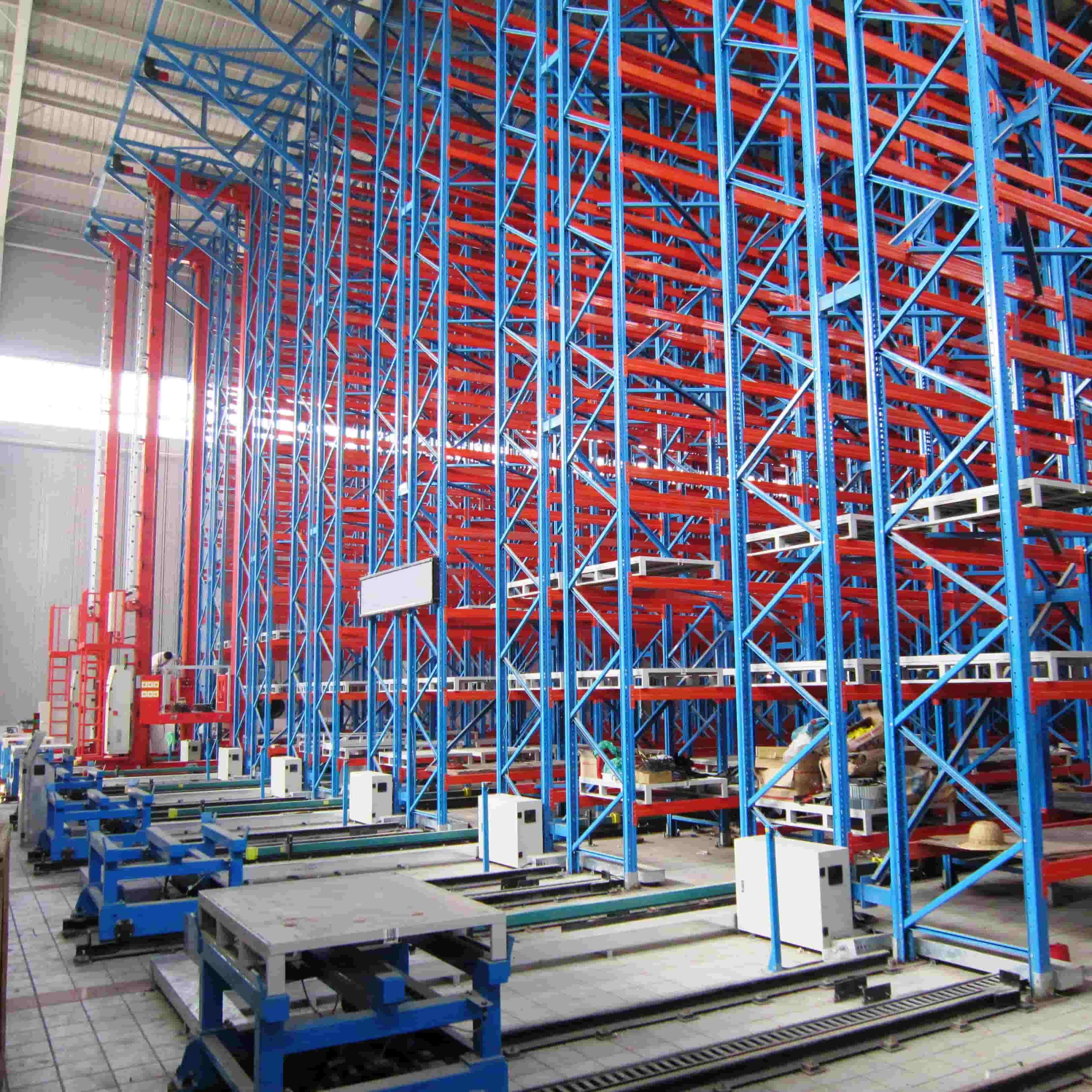
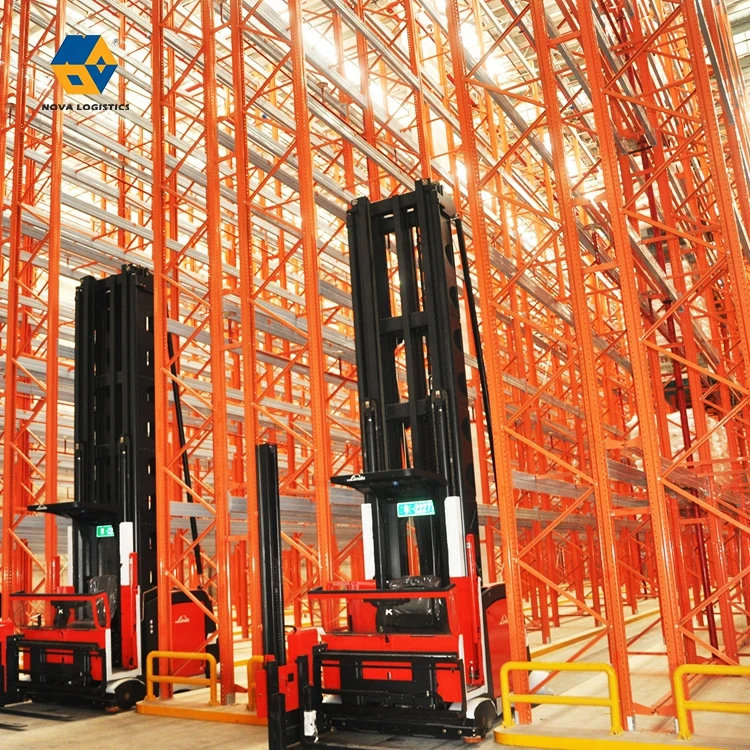
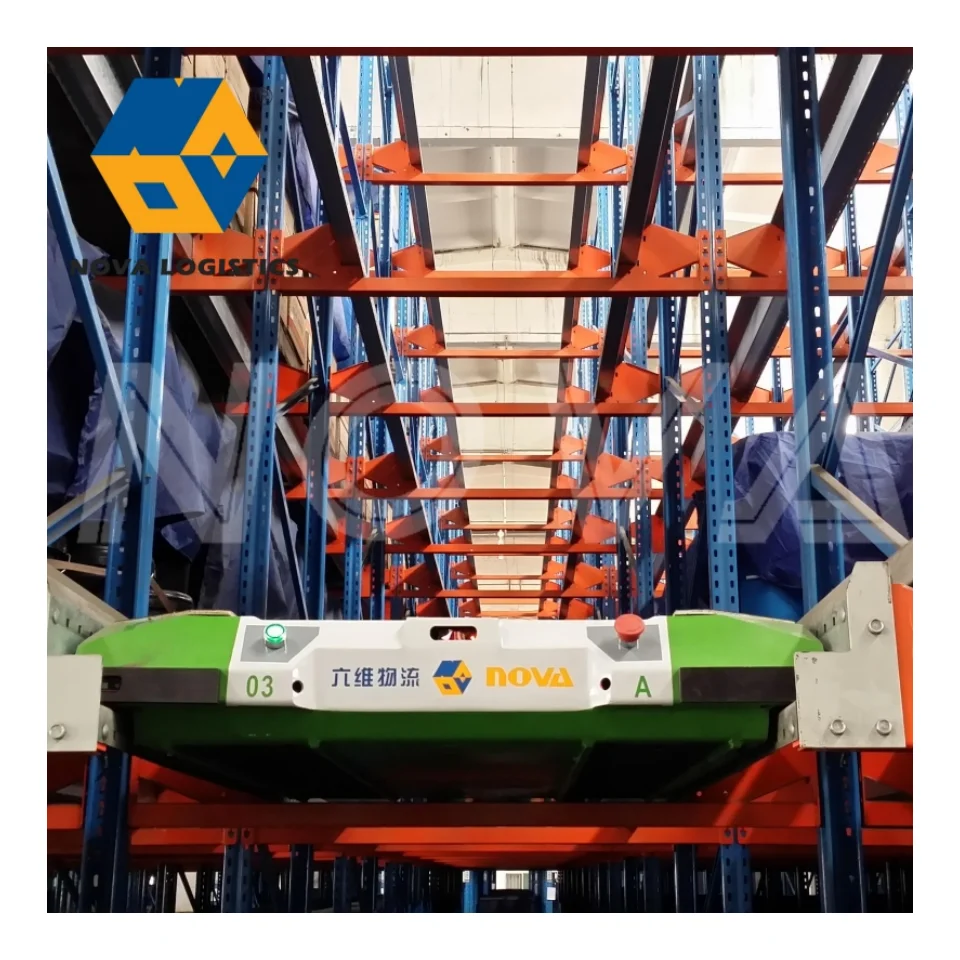
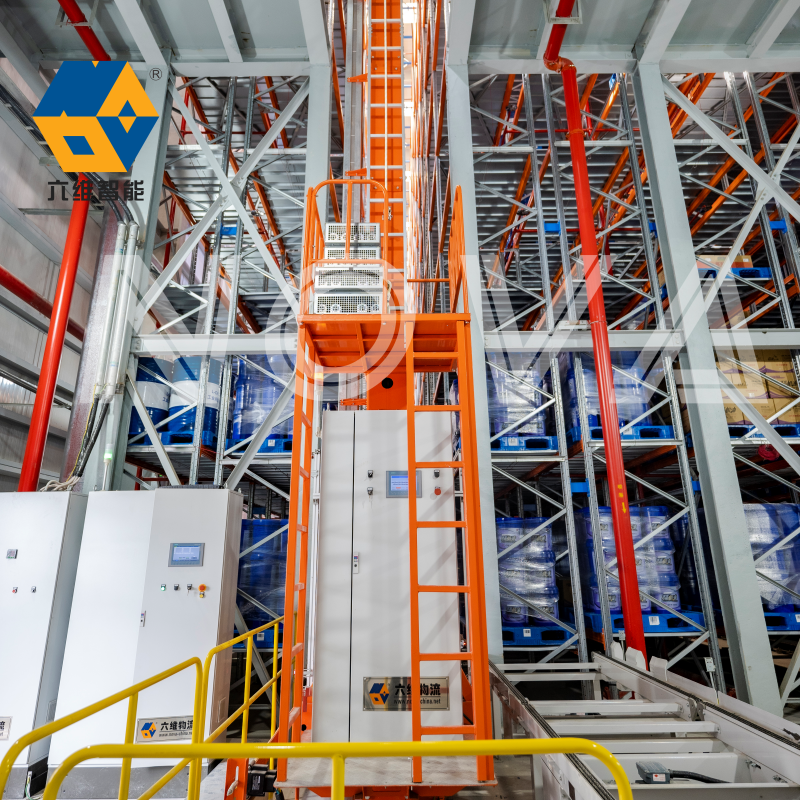
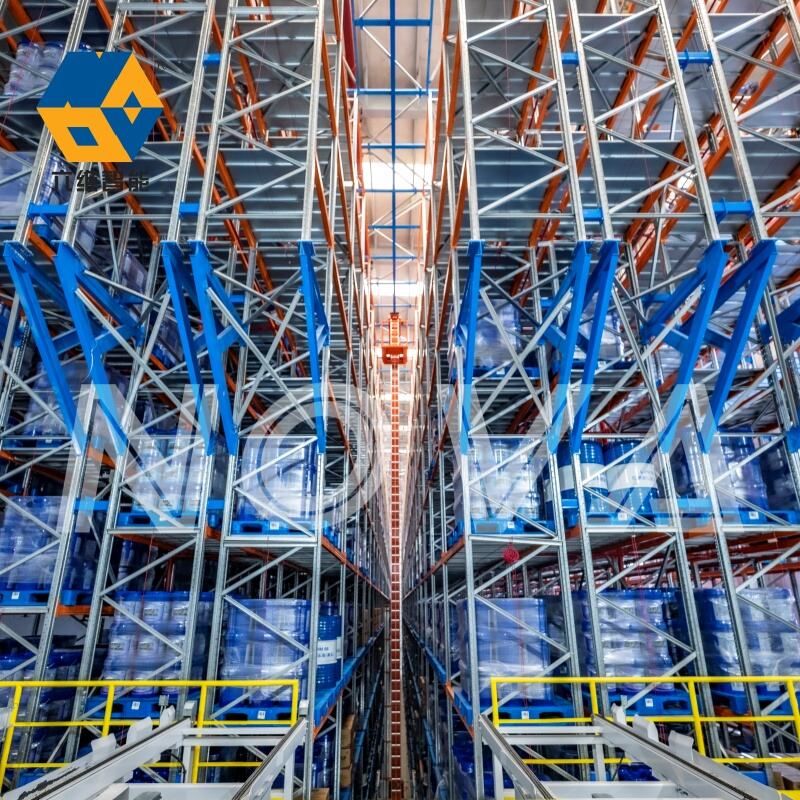
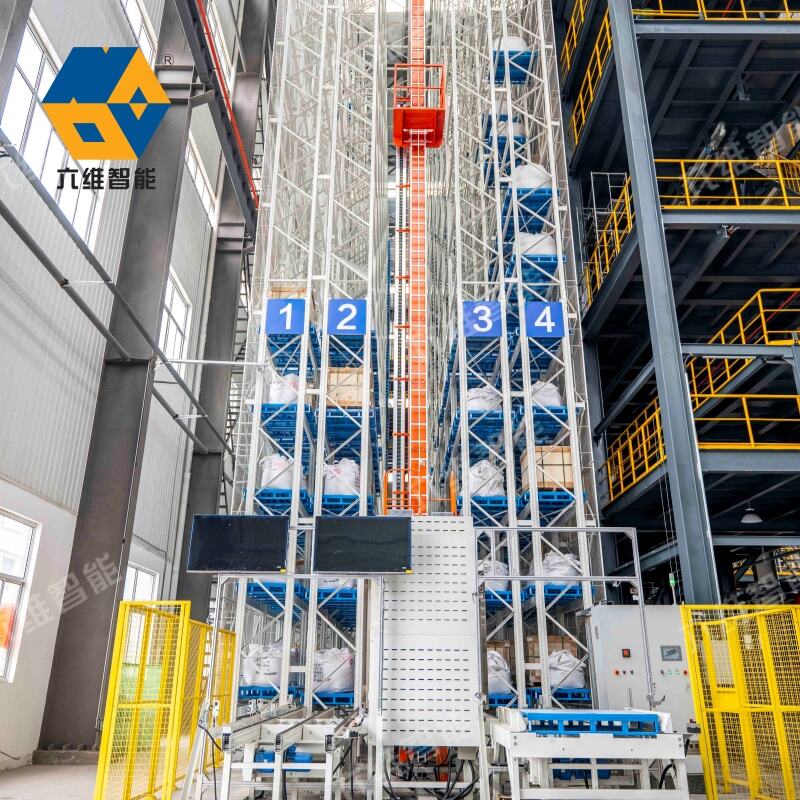
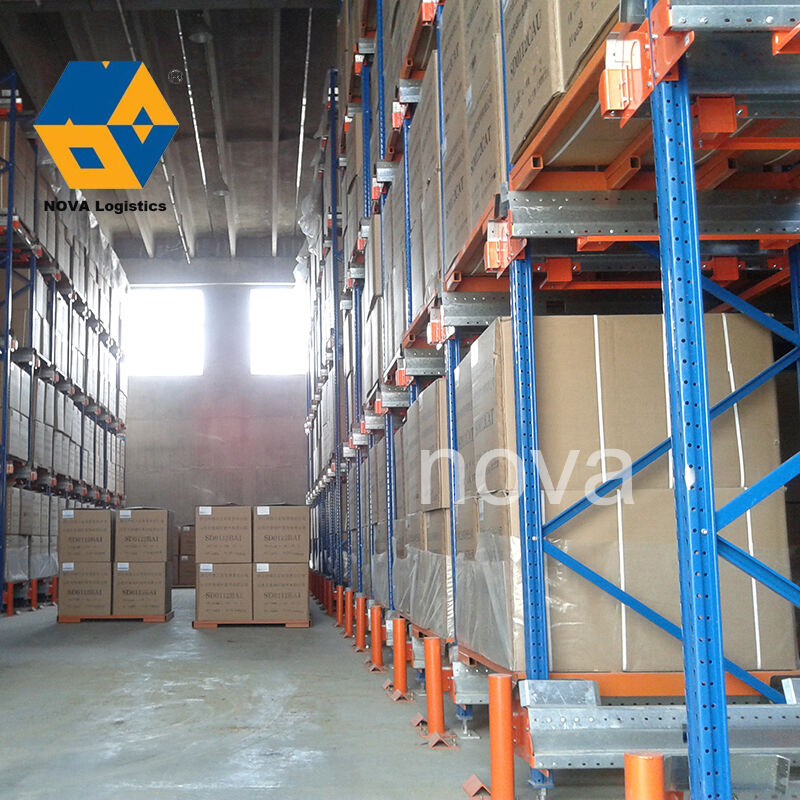
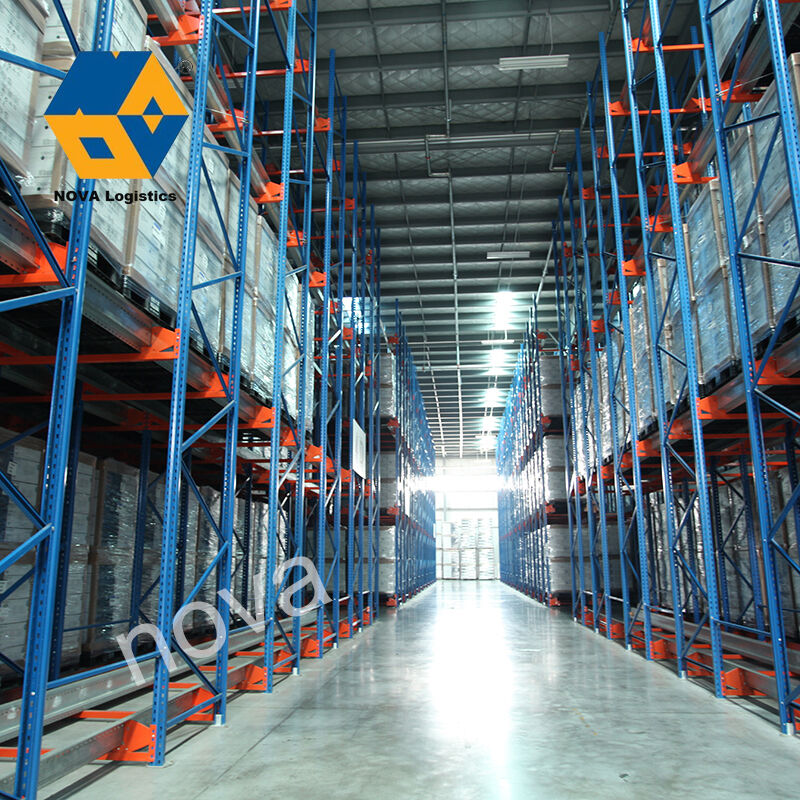
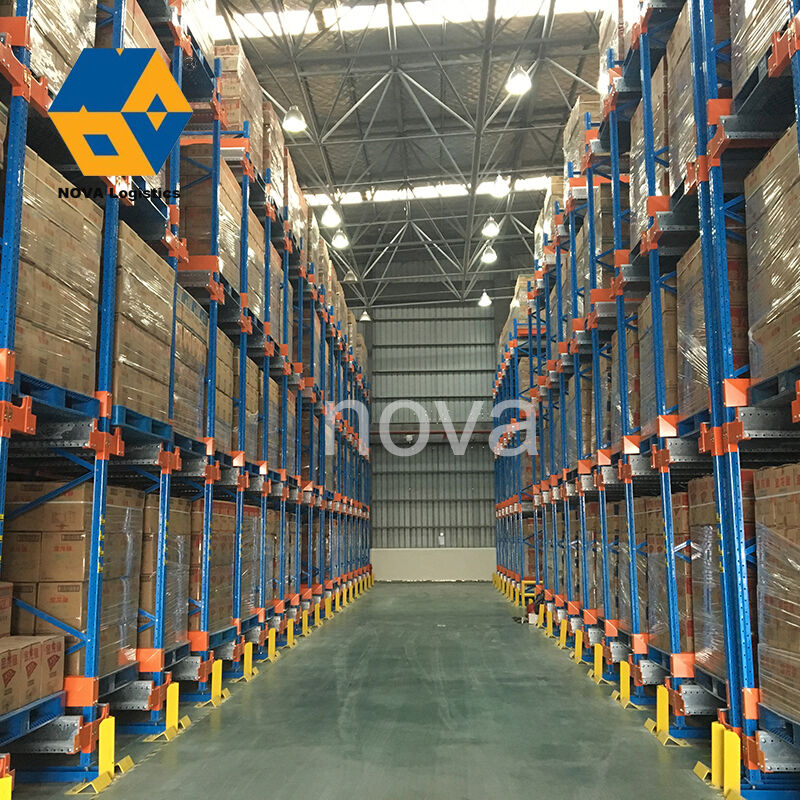
Შატლური საცავების სისტემა ძირესად ამაღლებს სამუშაო ადგილის უსაფრთხოებას, რადგან ამოაძალებს ადამიანის ოპერატორებს საშიშროების სრულად შეიცავდა გარემოებიდან და ავტომატიზაციას ახდენს მაღალი რისკის მქონე მასალების გადაადგილების აქტივობებს. ტრადიციული საწყობის ოპერაციები მოიცავს ფორკლიფტების მოძრაობას ვიწრო აისლებში მაღალ სიმაღლეზე, რაც მნიშვნელოვნად ამაღლებს შეჯახების, ჩამოვარდნილი ტვირთის, რეიკების დაზიანების და სავალდებულო პირების შეხების შესაძლებლობას. სტატისტიკა მუდმივად აჩვენებს, რომ ფორკლიფტებთან დაკავშირებული ავარიები არის საწყობებში დამახინჯებისა და სიკვდილის ერთ-ერთი მთავარი მიზეზი, რაც მნიშვნელოვნად იზრდება მუშაკების კომპენსაციის, აღჭურვილობის დაზიანების, წარმოების დაკარგვის და რეგულატორული შესაბამობის გარეშე დამატებითი ხარჯების სახით. შატლური საცავების სისტემა ამ უსაფრთხოების საკითხებს ამოწყობს ავტომატიზებული შატლების დაცულ არხებში შეზღუდვით, სადაც მუშაკები ჩვეულებრივი ექსპლუატაციის დროს არ შედიან. ამ მოწყობილობებსა და პერსონალს შორის ფიზიკური გამოყოფა მნიშვნელოვნად ამცირებს ავარიების ალბათობას და ქმნის საწყობის უფრო უსაფრთხო სამუშაო გარემოს. ავტომატიზებული სატრანსპორტო საშუალებები მუშაობენ სიზუსტის მაღალი დონის სენსორული სისტემებით, რომლებიც აღიქვამენ ბარიერებს, შესაბამისად აკონტროლებენ სიჩქარეს და ასრულებენ მოძრაობას მუდმივი სიზუსტით, რაც არის ადამიანის შეცდომების მიზეზების ამოღება. ფორკლიფტების ოპერატორებისგან განსხვავებით, რომლებიც შეიძლება განიცადონ დაღლილობა, ყურადღების გაფანტულობა ან გადაწყვეტილების შეცდომები, შატლური სისტემები უწყვეტი ექსპლუატაციის განმავლობაში მყარად ინარჩუნებენ მაღალი სტანდარტების შესრულებას. ტექნოლოგია მოიცავს რამდენიმე რეზერვულ უსაფრთხოების ფუნქციას, მათ შორის ავარიული გაჩერების მექანიზმებს, ავტომატურ შეჯახების თავიდან აცილებას, ტვირთის სტაბილურობის მონიტორინგს და უსაფრთხოების გარანტირებული ენერგომომარაგების სისტემებს, რომლებიც საშიშროების სიტუაციების წარმოქმნას თავიდან აცილებენ. მუშაკები შატლური საცავების სისტემასთან ურთიერთობას ამყოფებიან განსაკუთრებით შერჩეულ ტვირთის ჩასასმელ სადგურებში, რომლებიც ერგონომიკურად არის დიზაინირებული და დაცული ბარიერებით, რაც უზრუნველყოფს სასტუმრო პალეტების სასურველი გაცვლას მოძრავი მანქანების ან მაღალ სიმაღლეზე მოთავსებული ტვირთის გარეშე გამოყენებას. ეს კონტროლირებადი ურთიერთობის წერტილი საშუალებას აძლევს სრულყოფილი უსაფრთხოების პროტოკოლების განხორციელებას, მათ შორის ვიზუალური გაფრთხილებები, ფიზიკური დაცვის საშუალებები და პროცედურული საზღვრები, რომლებიც ეფექტურად იცავენ პერსონალს. ფორკლიფტების მოძრაობის შემცირება მთლიანად საწყობში ქმნის უფრო მშვიდ და მოწესრიგებულ სამუშაო გარემოს, სადაც მიმდინარე ავარიების რაოდენობა მცირდება და საწყობის მუშაკების სტრესი კლებულობს. ავარიების დაბალი მაჩვენებლები პირდაპირ ხარჯების შემცირებას ნიშნავს — სამომავლო დაზღვევის პრემიების შემცირება, მუშაკების კომპენსაციის მოთხოვნების რაოდენობის შემცირება, აღჭურვილობის რემონტის ხარჯების შემცირება და რეგულატორული ჯარიმების ან შენიშვნების მინიმალური რაოდენობა. ფინანსური მაჩვენებლების გარდა, გაუმჯობესებული უსაფრთხოება ამაღლებს თანამშრომლების მოტივაციას, ამცირებს მობრუნების მაჩვენებლებს და საშუალებას აძლევს თქვენს კომპანიას მიიღოს პასუხისმგებლობის მქონე დამსაქმებლის რეპუტაცია, რომელიც მუშაკების კეთილდღეობას უპირორიტეტებს. შატლური საცავების სისტემა ასევე უკეთ იცავს საწყობის სასტუმრო საქონელს, რადგან მინიმიზაციას ახდენს ხელით მომსახურების დროს მომხდარ დაზიანებას, რაც საქონლის ხარისხის შენარჩუნებას და საწყობის ინციდენტების გამო საქონლის გამოყოფის შემცირებას უზრუნველყოფს.

 EN
EN