Shuttle Storage System: Automated High-Density Warehouse Solutions for Maximum Efficiency

All Categories

Get a Free Quote

Our representative will contact you soon.
Email
Name
Company Name
Message
0/1000

shuttle storage system

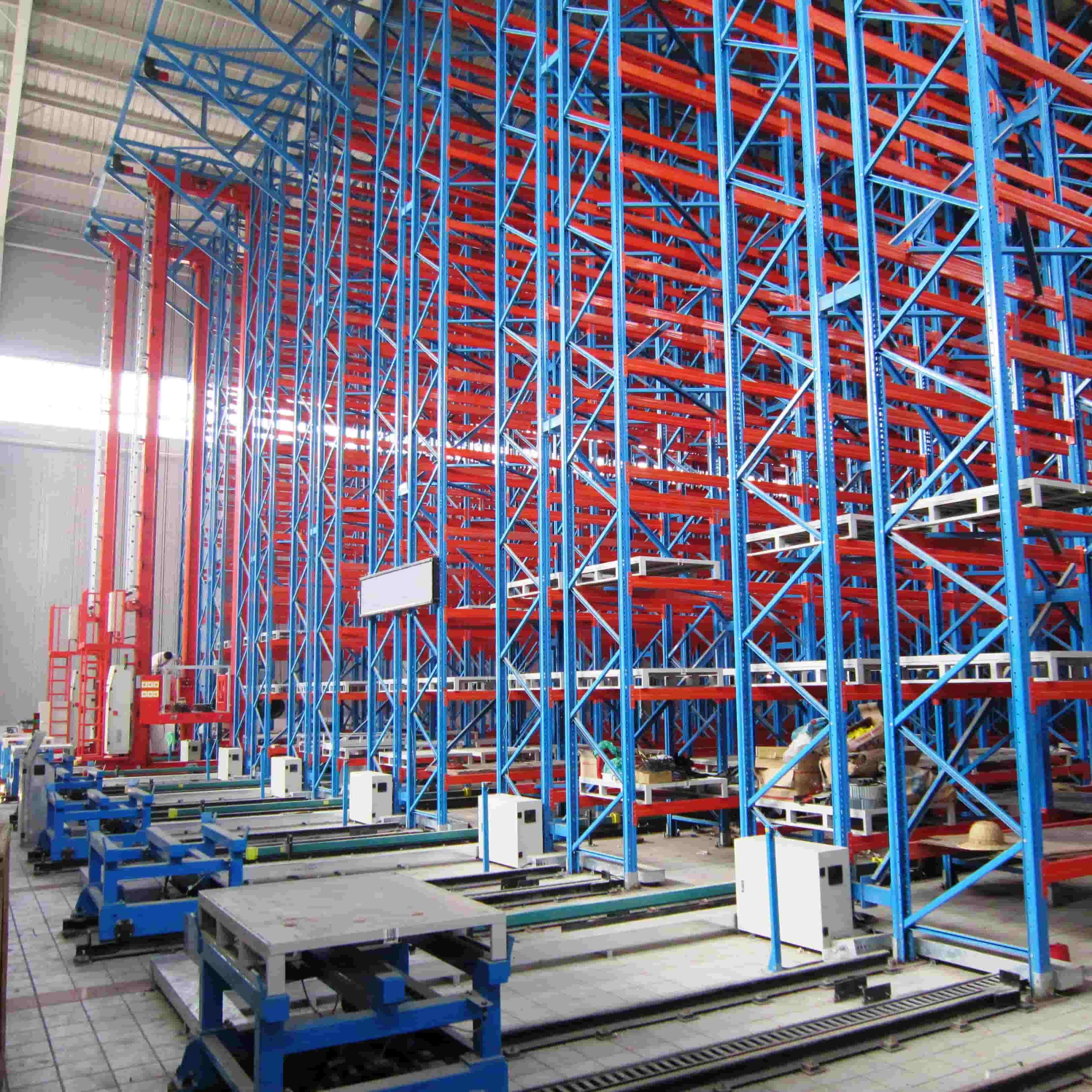
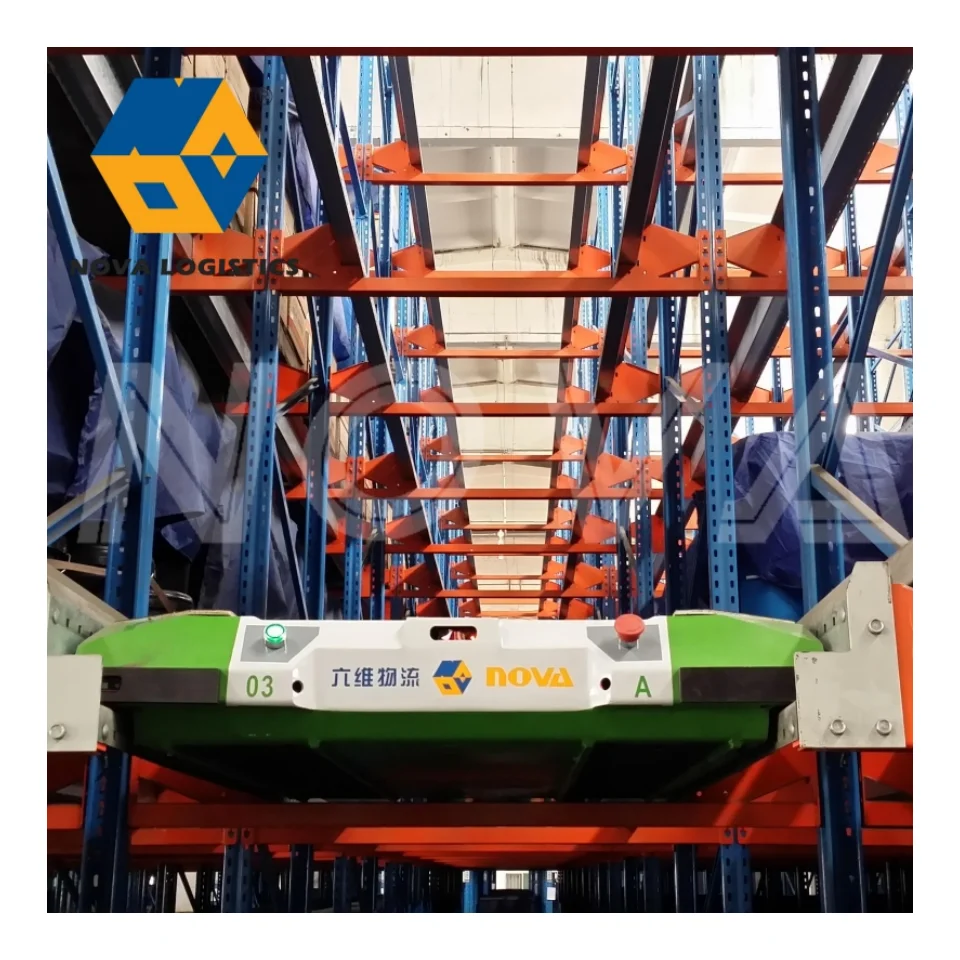
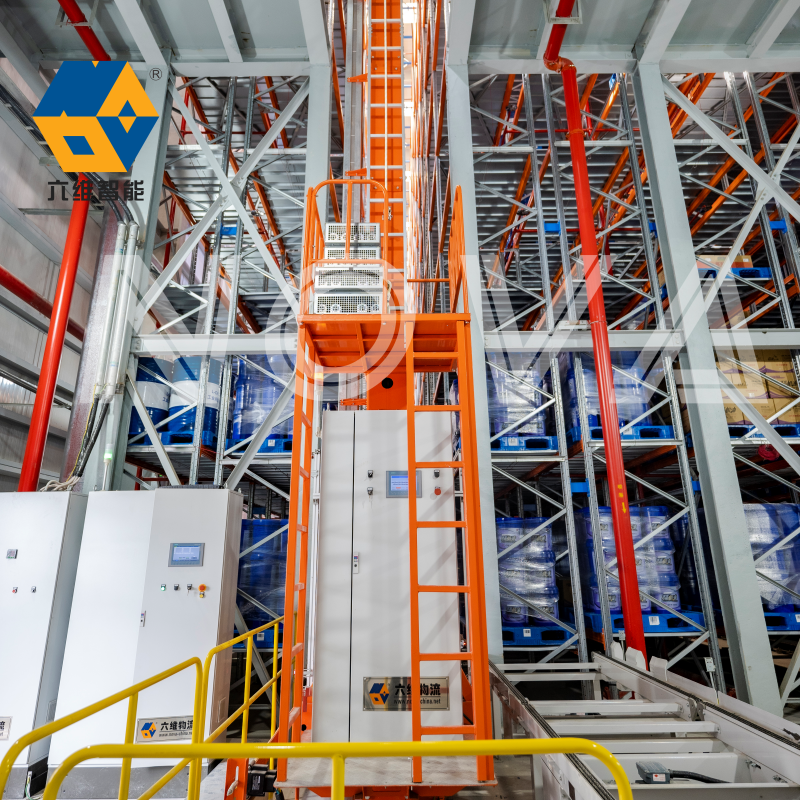
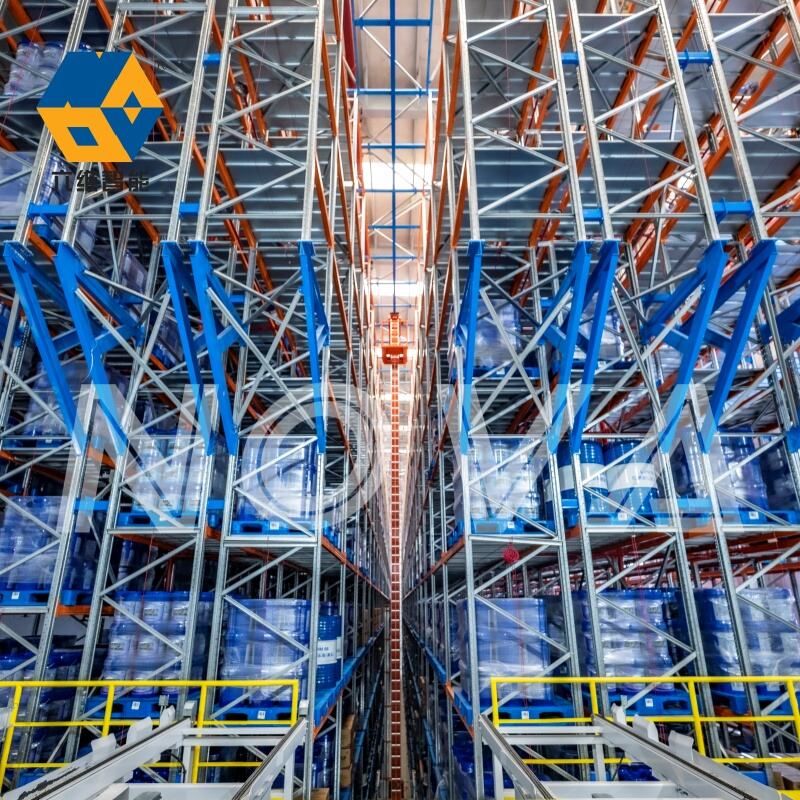
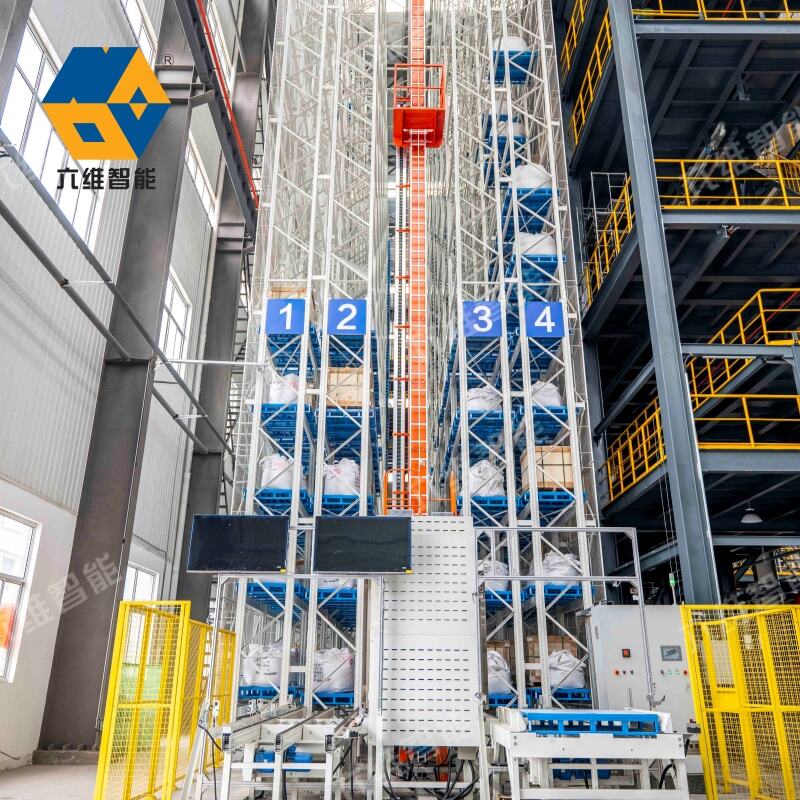
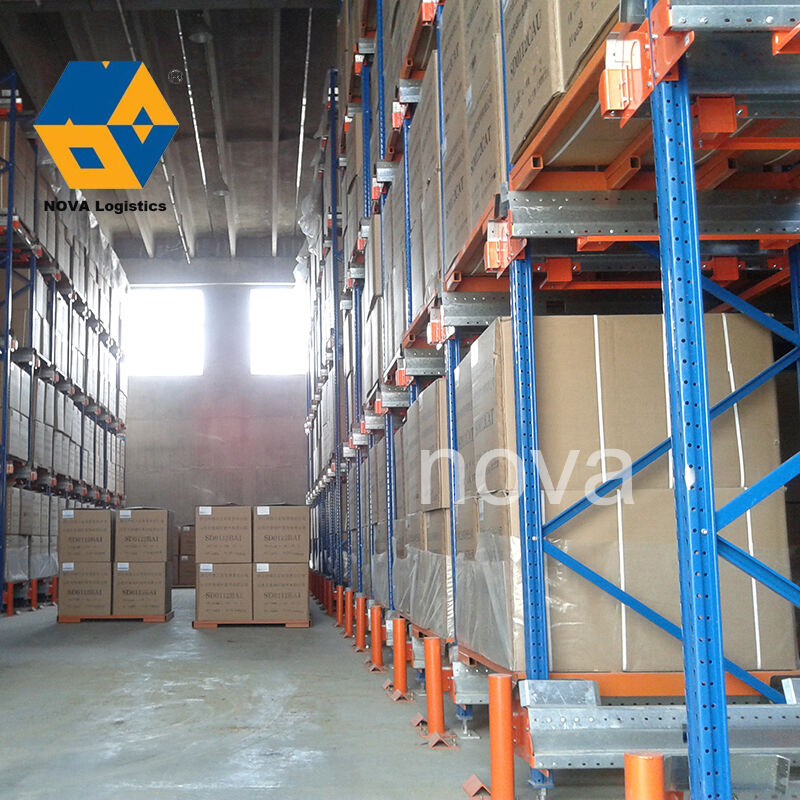
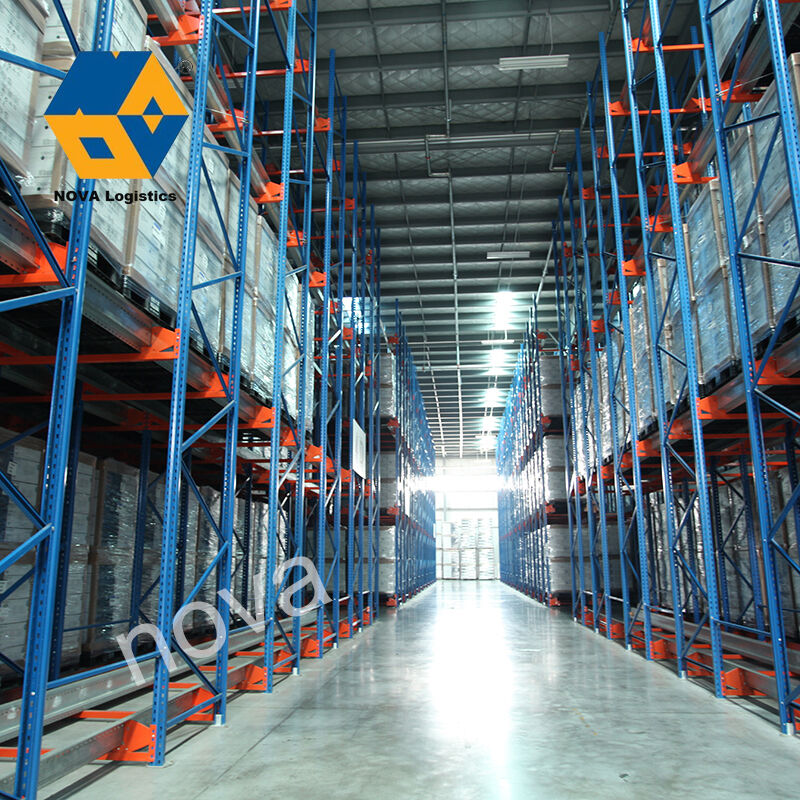
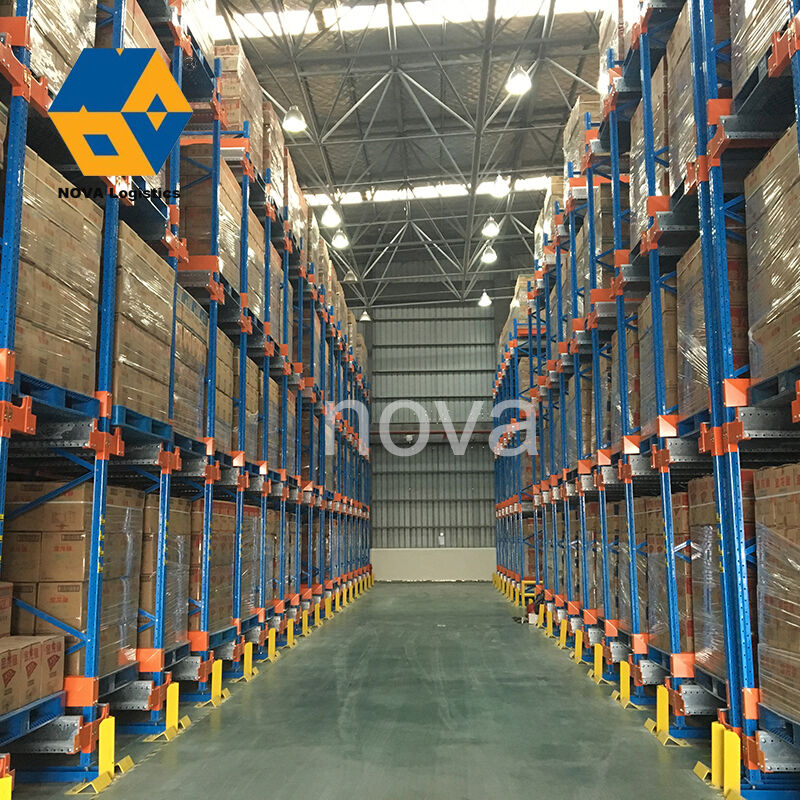
The shuttle storage system represents a cutting-edge automated warehousing solution designed to revolutionize modern inventory management and material handling operations. This intelligent storage technology combines high-density racking structures with automated shuttle vehicles that move horizontally along guided rails within storage channels. The shuttle storage system operates as a semi-automated or fully automated mechanism where shuttle cars transport pallets or containers to designated storage locations, eliminating the need for forklifts to enter aisles. The main functions of this innovative system include rapid storage and retrieval of goods, inventory organization, space optimization, and seamless integration with warehouse management software. The shuttle storage system utilizes advanced sensors, programmable logic controllers, and wireless communication technology to ensure precise positioning and safe operation. These systems can handle various load capacities, typically ranging from 500 to 3000 kilograms per pallet, accommodating diverse storage requirements across industries. The technological features include remote control operation, automatic charging capabilities, intelligent traffic management, and real-time data synchronization with enterprise resource planning systems. Applications of the shuttle storage system span multiple sectors including food and beverage distribution, pharmaceutical storage, cold chain logistics, manufacturing, e-commerce fulfillment centers, and third-party logistics providers. The system proves particularly valuable in environments requiring high-volume throughput, temperature-controlled storage, or operations with limited floor space. By implementing a shuttle storage system, facilities can achieve storage density increases of up to 80 percent compared to conventional racking methods while maintaining efficient access to inventory. The technology supports both FIFO and LIFO inventory management strategies, providing flexibility for different product types and rotation requirements.

New Products

Implementing a shuttle storage system delivers substantial operational improvements that directly impact your bottom line and daily warehouse efficiency. First and foremost, this technology dramatically increases your available storage capacity without requiring facility expansion. By eliminating wide forklift aisles, you can utilize up to 85 percent of your warehouse floor space for actual storage, compared to just 40 percent with traditional systems. This means you store more products in the same building, avoiding costly construction or relocation expenses. The shuttle storage system also accelerates your order fulfillment speed significantly. Automated shuttles retrieve products faster than manual methods, reducing picking times by up to 60 percent during peak periods. Your staff can focus on value-added tasks rather than driving forklifts through narrow aisles, improving overall productivity and worker satisfaction. Safety improvements represent another major advantage, as the shuttle storage system minimizes accidents related to forklift operations inside racking structures. Fewer vehicle movements in storage areas mean reduced collision risks, less product damage, and lower insurance costs. Your employees work in safer conditions with less exposure to potential hazards. Energy efficiency becomes noticeably better with shuttle technology compared to traditional material handling equipment. Modern shuttles consume significantly less power than multiple forklifts operating continuously, and many systems feature regenerative braking and smart power management. You will observe reduced electricity bills and a smaller carbon footprint. The shuttle storage system provides exceptional inventory accuracy through integrated tracking technology. Real-time location data ensures you always know exactly where products are stored, reducing misplaced items and inventory discrepancies. This precision supports better demand forecasting and purchasing decisions. Scalability offers tremendous flexibility as your business grows. You can expand the shuttle storage system incrementally by adding more shuttles, extending racking rows, or increasing vertical storage levels without overhauling your entire operation. Labor cost reduction becomes evident as fewer operators manage larger storage volumes. The system requires minimal supervision once programmed, allowing you to optimize staffing levels and redirect personnel to customer-facing activities. Temperature-controlled environments benefit especially from shuttle systems because automated operations reduce the time doors remain open and minimize heat transfer. This advantage proves crucial for preserving product quality in cold storage facilities while lowering refrigeration costs substantially.

Practical Tips

How Do You Choose the Right Longspan Rack for Changing Inventory Types?

13

Jan

How Do You Choose the Right Longspan Rack for Changing Inventory Types?

Modern warehouses face constant challenges in adapting their storage systems to accommodate varying inventory types and fluctuating stock levels. A longspan rack system offers the versatility and adaptability needed to handle these dynamic requiremen...
View More
How Automated Storage and Retrieval Systems Enhance Inventory Accuracy

05

Feb

How Automated Storage and Retrieval Systems Enhance Inventory Accuracy

Modern warehouses face unprecedented challenges in maintaining accurate inventory levels while managing increasing order volumes and customer expectations. Traditional manual tracking methods have become insufficient for businesses seeking competitiv...
View More
What Makes Automated Storage and Retrieval Systems Ideal for Modern Warehouses?

05

Feb

What Makes Automated Storage and Retrieval Systems Ideal for Modern Warehouses?

Modern warehouses face unprecedented challenges in managing inventory efficiently while meeting growing customer demands for faster delivery times. The implementation of an automated storage and retrieval system represents a transformative solution t...
View More
How Does Automation Transform Storage and Retrieval Processes?

05

Feb

How Does Automation Transform Storage and Retrieval Processes?

Modern warehouses and distribution centers are experiencing a revolutionary transformation through advanced technology solutions that streamline operations and maximize efficiency. The implementation of sophisticated automated storage and retrieval s...
View More

Get a Free Quote

Our representative will contact you soon.
Email
Name
Company Name
Message
0/1000

shuttle storage system

Maximum Space Utilization Through High-Density Storage Configuration

Maximum Space Utilization Through High-Density Storage Configuration

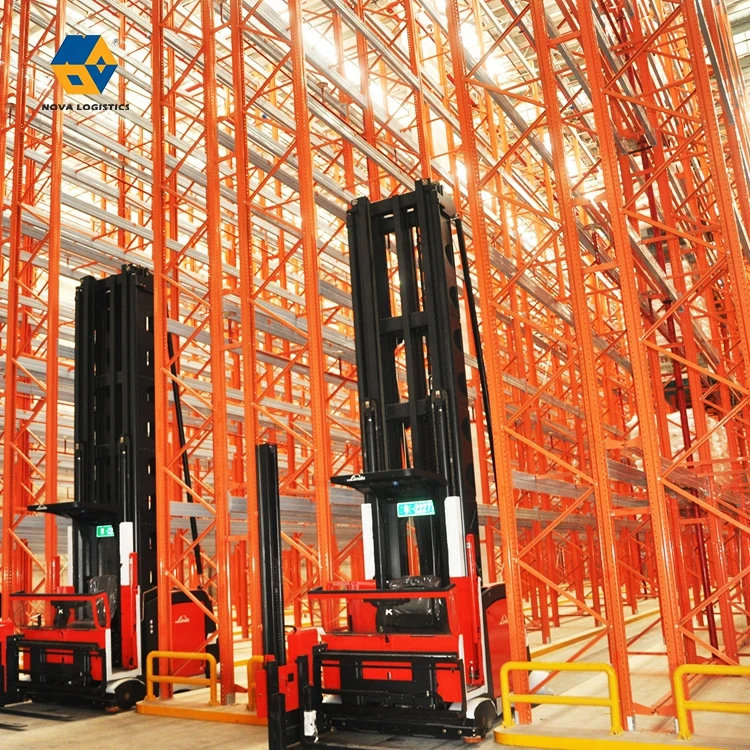
The shuttle storage system transforms warehouse space utilization by implementing a high-density storage configuration that fundamentally changes how facilities organize inventory. Traditional warehousing requires wide aisles to accommodate forklift maneuvering, typically consuming 60 percent or more of total floor space for navigation rather than storage. The shuttle storage system eliminates this inefficiency by employing narrow channels where automated shuttles operate, allowing aisles to be reduced to the absolute minimum width necessary for the shuttle device itself. This architectural advantage enables facilities to install additional racking rows in the same footprint, effectively doubling or even tripling storage positions compared to conventional layouts. The vertical storage capability further enhances density, with systems commonly reaching heights of 12 to 15 meters or more, depending on building specifications and safety regulations. Each storage channel becomes an independent high-capacity zone where multiple pallets queue in depth, creating storage lanes that can hold 10, 20, or even 40 pallets deep depending on your inventory characteristics and throughput requirements. This deep-lane storage proves ideal for businesses managing large quantities of similar SKUs, seasonal products, or buffer stock that does not require immediate access. The shuttle storage system adapts to various pallet sizes and weights, supporting standard configurations while also accommodating custom dimensions when necessary. The space savings translate directly into financial benefits by deferring or eliminating expensive warehouse expansion projects, reducing rental costs in leased facilities, or allowing companies to consolidate multiple locations into a single optimized distribution center. Beyond immediate capacity gains, the shuttle storage system provides strategic advantages for growing businesses by creating reserve capacity within existing facilities. As inventory volumes increase seasonally or through business growth, the system absorbs additional stock without operational disruption or emergency overflow storage arrangements. The technology also improves storage environment control, particularly valuable for temperature-sensitive products, because compact storage configurations reduce the total volume requiring climate conditioning, thereby lowering HVAC operating expenses substantially while maintaining optimal product preservation conditions throughout the facility.
Enhanced Operational Speed and Productivity Through Automation

Enhanced Operational Speed and Productivity Through Automation

The shuttle storage system delivers remarkable improvements in operational speed and overall productivity by automating the most time-consuming aspects of warehouse material handling. In traditional operations, forklift operators spend considerable time traveling through aisles, positioning vehicles precisely, raising loads to appropriate heights, and navigating safely through congested areas. The shuttle storage system streamlines these processes by deploying specialized automated vehicles that move along fixed rails with optimal speed and precision, eliminating variability in operator skill levels and reducing cycle times consistently. Each shuttle operates independently within its designated channel, enabling simultaneous storage and retrieval activities across multiple aisles without traffic conflicts or waiting periods. This parallel processing capability multiplies throughput capacity, particularly during peak operational periods when order volumes surge and time pressures intensify. Warehouse managers can deploy additional shuttles to meet increased demand, creating a scalable productivity model that adjusts to business fluctuations without proportional increases in labor costs. The shuttle storage system integrates seamlessly with warehouse management software, receiving storage instructions automatically and executing tasks without manual intervention. This digital integration eliminates paperwork delays, reduces data entry errors, and ensures real-time inventory visibility throughout the storage and retrieval process. Operators stationed at aisle entry points manage multiple shuttles simultaneously from fixed workstations, loading and unloading pallets as shuttles deliver them to accessible positions. This workstation-based approach reduces operator fatigue associated with continuous forklift operation, decreases physical strain, and enables workers to maintain consistent productivity throughout entire shifts. The system supports both batch processing for large orders and discrete picking for smaller requests, adapting operational modes to match specific workflow requirements. Advanced shuttle storage system configurations incorporate automatic shuttle charging, allowing continuous 24-hour operations without interruption for battery maintenance. The technology monitors shuttle performance continuously, predicting maintenance needs before failures occur and scheduling service during low-activity periods to minimize operational impact. These reliability features ensure consistent productivity levels and prevent unexpected downtime that disrupts fulfillment schedules and customer commitments.
Improved Safety Standards and Reduced Operational Risks

Improved Safety Standards and Reduced Operational Risks

The shuttle storage system fundamentally enhances workplace safety by removing human operators from hazardous environments and automating high-risk material handling activities. Traditional warehouse operations involve forklifts navigating narrow aisles at elevated heights, creating significant potential for accidents including collisions, falling loads, rack damage, and pedestrian incidents. Statistics consistently show that forklift-related accidents represent one of the leading causes of warehouse injuries and fatalities, with substantial costs in terms of worker compensation, equipment damage, productivity losses, and regulatory compliance challenges. The shuttle storage system addresses these safety concerns by confining automated shuttles within protected channels where workers do not enter during normal operations. This physical separation between equipment and personnel dramatically reduces accident probability and creates inherently safer working conditions. The automated vehicles operate with precise sensor systems that detect obstacles, control speeds appropriately, and execute movements with consistent accuracy that eliminates human error factors. Unlike forklift operators who may experience fatigue, distraction, or judgment lapses, shuttle systems maintain unwavering performance standards throughout continuous operation. The technology includes multiple redundant safety features such as emergency stop mechanisms, automatic collision avoidance, load stability monitoring, and fail-safe power systems that prevent dangerous situations. Workers interact with the shuttle storage system at designated loading stations designed with ergonomic considerations and protective barriers, ensuring safe pallet exchange without exposure to moving machinery or elevated loads. This controlled interaction point enables comprehensive safety protocols including visual warnings, physical guards, and procedural safeguards that protect personnel effectively. The reduction in forklift traffic throughout the facility creates a calmer, more organized working environment with fewer near-miss incidents and reduced stress levels among warehouse staff. Lower accident rates translate into direct cost savings through reduced insurance premiums, fewer workers compensation claims, less equipment repair expenses, and minimal regulatory fines or citations. Beyond financial metrics, improved safety enhances employee morale, reduces turnover rates, and strengthens your company reputation as a responsible employer committed to workforce wellbeing. The shuttle storage system also protects inventory more effectively by minimizing handling damage that occurs during manual operations, preserving product quality and reducing write-offs due to warehouse incidents.

Get a Free Quote

Our representative will contact you soon.
Email
Name
Company Name
Message
0/1000

Get a Free Quote

Our representative will contact you soon.
Email
Name
Company Name
Message
0/1000