តម្លៃប៉ាត់សាក់ផ្ទុកប៉ាឡេត
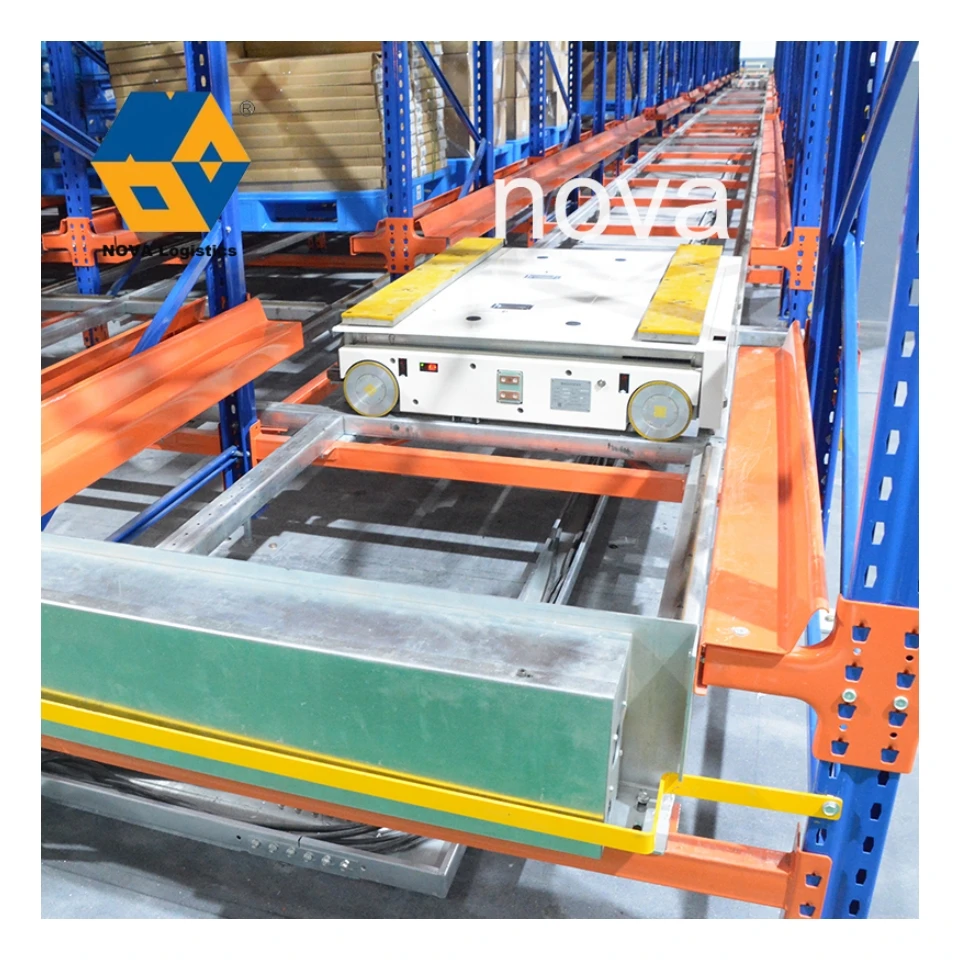
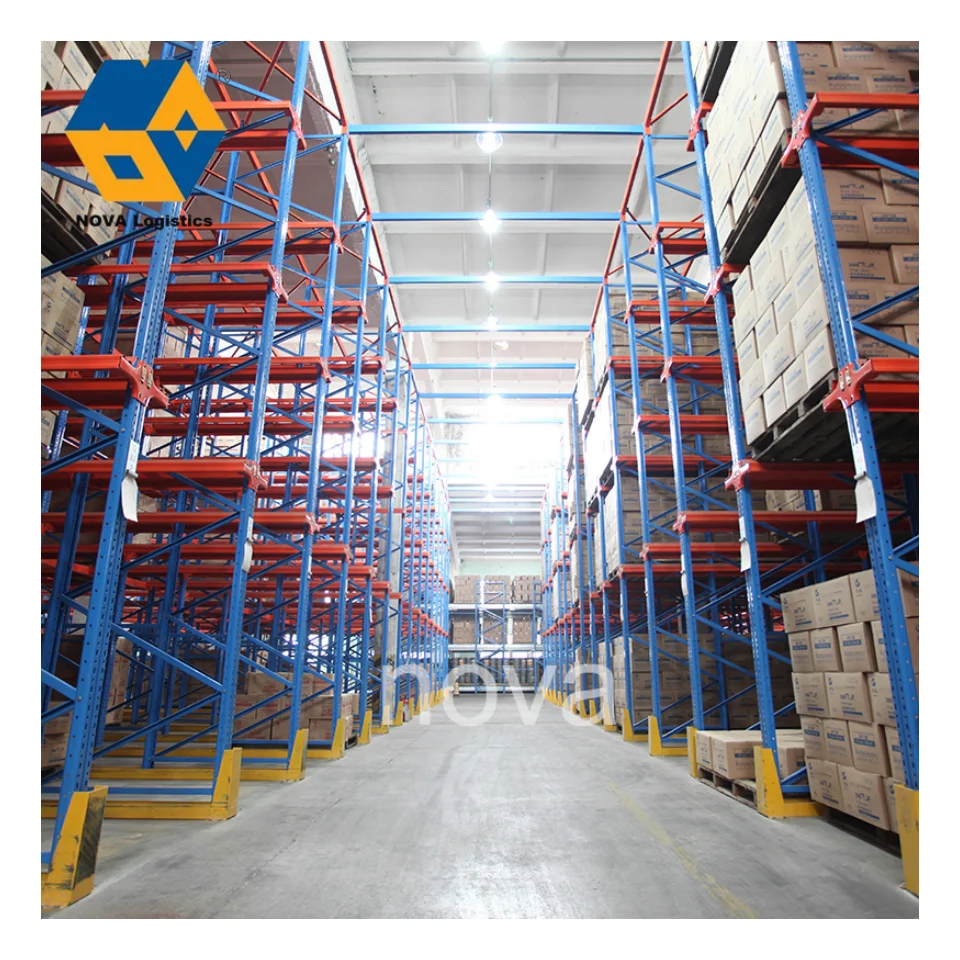
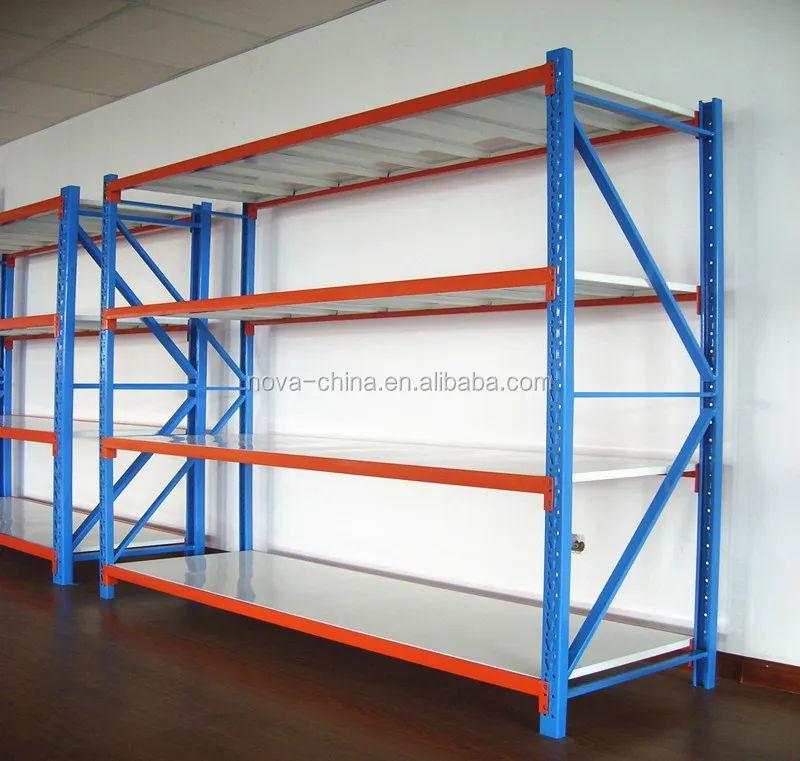
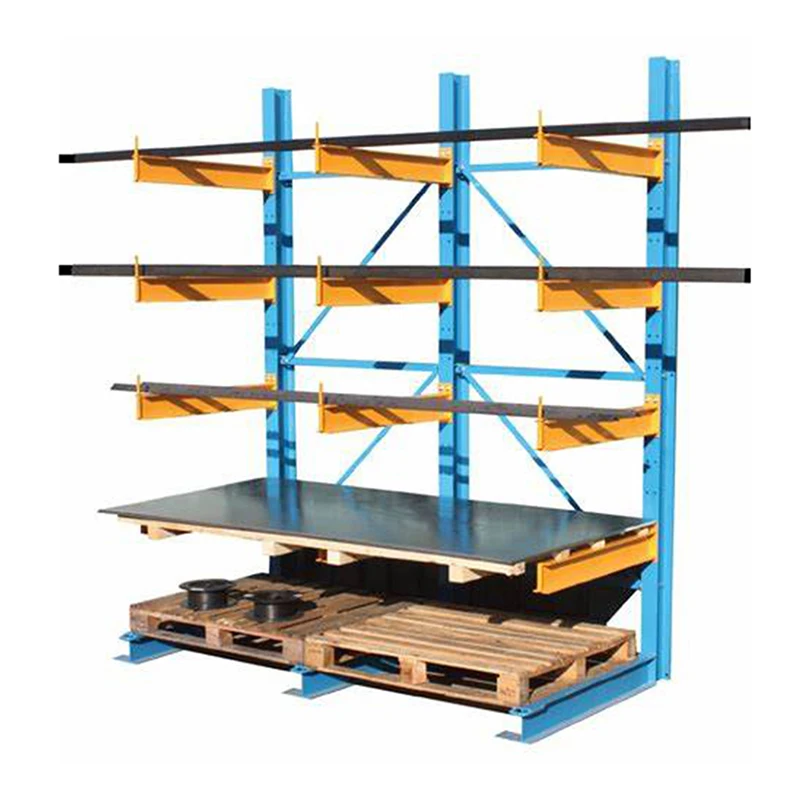
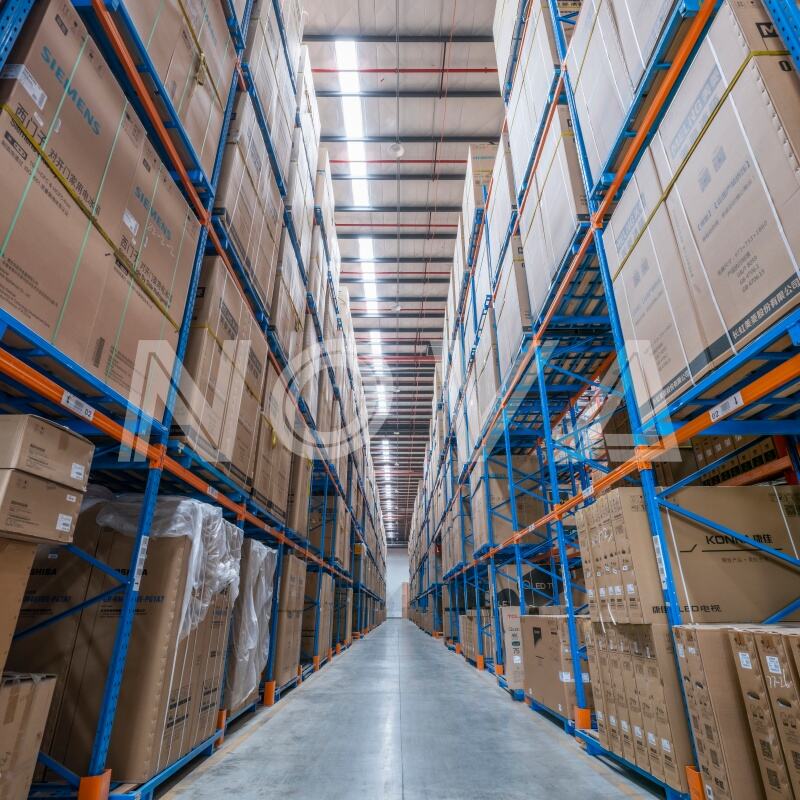
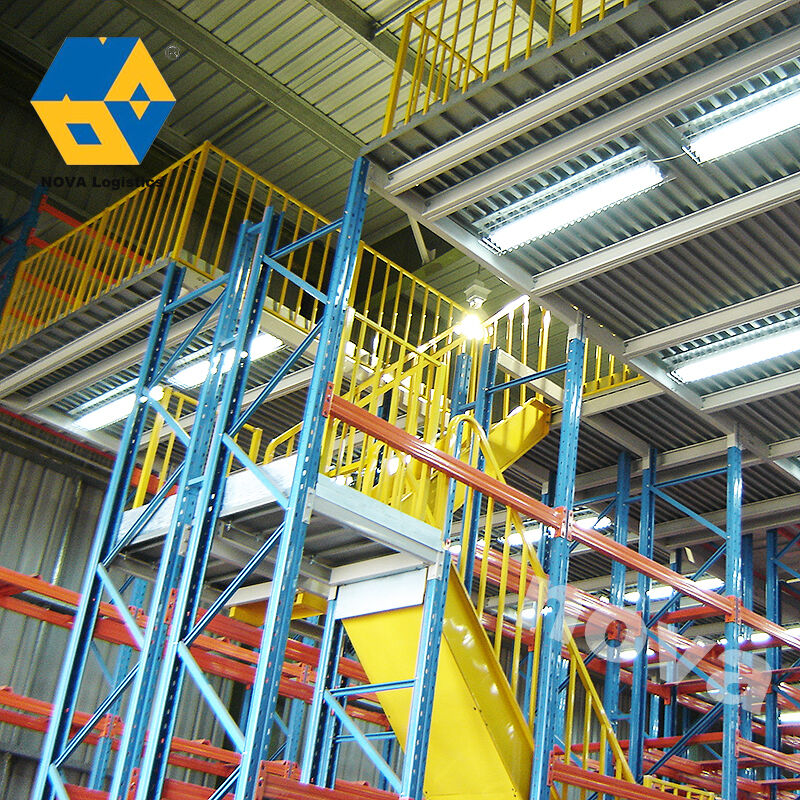
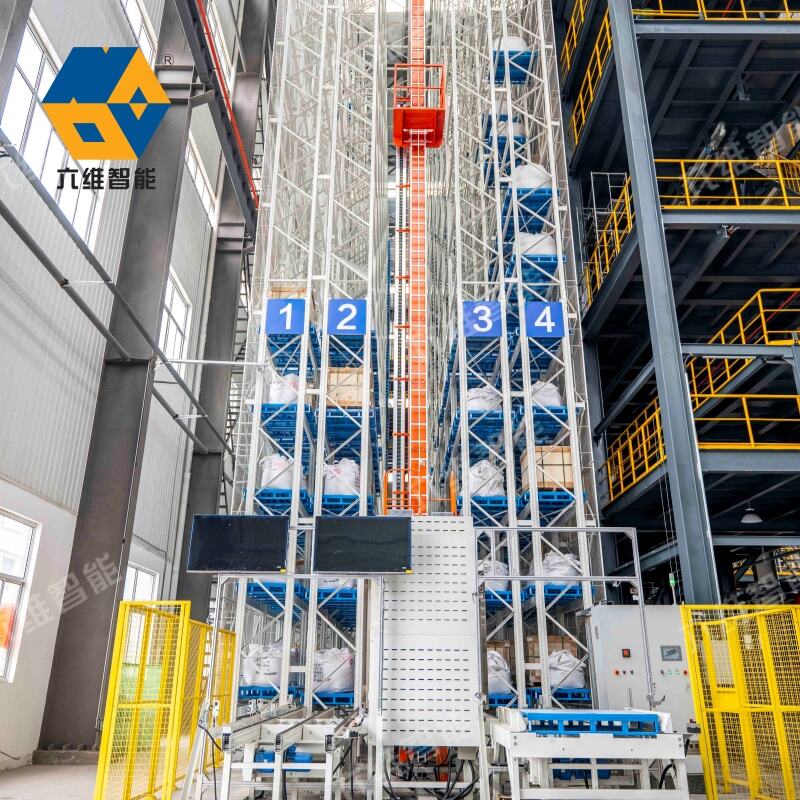
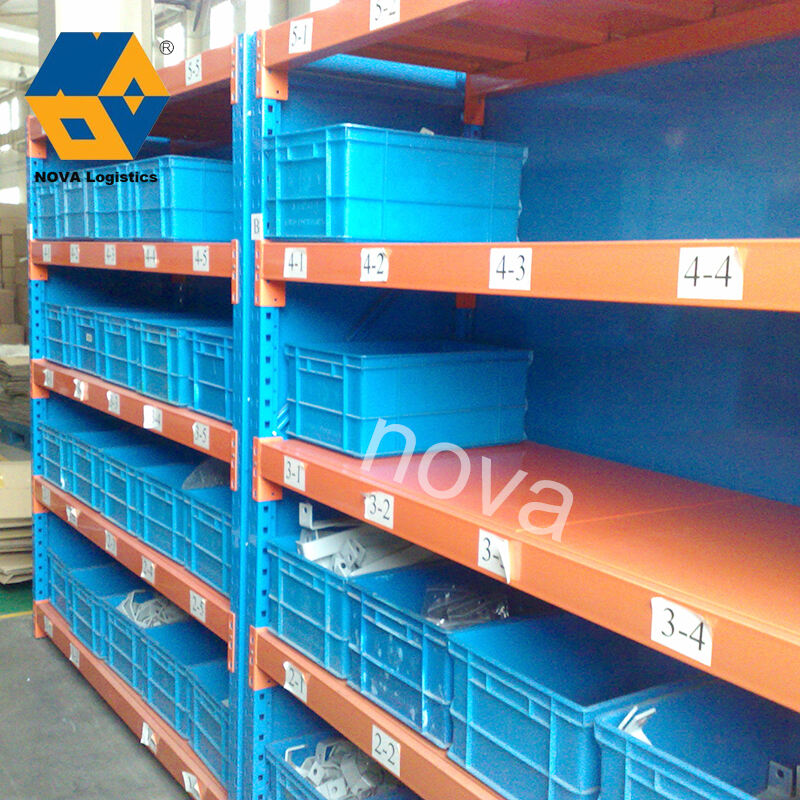
ការយល់ដឹងអំពីតម្លៃរបស់ប្រព័ន្ធប៉ាឡែត រ៉ាក់ (pallet rack) គឺជាការចាំបាច់សម្រាប់អាជីវកម្មដែលស្វែងរកដំណោះស្រាយស្តុកក្នុងរោងស្តុកដែលមានប្រសិទ្ធិភាព ដែលអាចប្រើប្រាស់ផ្ទៃក្នុងឱ្យបានកាន់តែច្រើន និងថែរក្សាបាននូវការគ្រប់គ្រងថវិកា។ តម្លៃរបស់ប្រព័ន្ធប៉ាឡែត រ៉ាក់ រួមបញ្ចូលគ្រប់គ្រាន់នូវរចនាសម្ព័ន្ធតម្លៃសរុបដែលទាក់ទងនឹងការទិញ ការដំឡើង និងការថែទាំប្រព័ន្ធស្តុកឧស្សាហកម្ម ដែលត្រូវបានរចនាឡើងដើម្បីរៀបចំទំនិញដែលបានដាក់ក្នុងប៉ាឡែត នៅក្នុងរោងស្តុក មជ្ឈមណ្ឌលចែកចាយ និងរោងផលិតកម្ម។ រចនាសម្ព័ន្ធតម្លៃនេះឆ្លុះបញ្ចាំងពីកត្តាជាច្រើន រួមមានការរចនាប្រព័ន្ធ តម្រូវការសមត្ថភាពទម្ងន់ ស្តង់ដារកម្ពស់ គុណភាពសម្ភារៈ និងស្មុគស្មាញនៃការដំឡើង។ យុទ្ធសាស្ត្រទាក់ទងនឹងតម្លៃប្រព័ន្ធប៉ាឡែត រ៉ាក់ សម័យទំនើប គិតគូរដល់ប្រភេទរ៉ាក់ផ្សេងៗគ្នា ដូចជា រ៉ាក់ប្រភេទជ្រើសរើស (selective racks) ប្រព័ន្ធដែលអាចបើកចូលបាន (drive-in systems) រ៉ាក់ប្រភេទប៉ុស-ប៉ាក់ (push-back configurations) និងរ៉ាក់ប្រភេទហូរឆ្លង (flow-through designs) ដែលនីមួយៗផ្តល់នូវមុខងារជាក់លាក់ ដែលសមស្របនឹងតម្រូវការប្រតិបត្តិការជាក់លាក់។ មុខងារសំខាន់ៗរបស់ប្រព័ន្ធប៉ាឡែត រ៉ាក់ គឺផ្តោតលើការប្រើប្រាស់ផ្ទៃឈរបានកាន់តែប្រសើរ ការរៀបចំស្តុកទំនិញឱ្យមានរបៀប ការធ្វើឱ្យកាន់តែងាយស្រួលសម្រាប់រថយន្តប៉ូក (forklifts) និងឧបករណ៍ដែលប្រើសម្រាប់ដឹកជញ្ជូនសម្ភារៈ និងការពង្រឹងសុវត្ថិភាពសម្រាប់ទំនិញដែលបានស្តុក។ លក្ខណៈបច្ចេកវិទ្យាដែលប៉ះពាល់ដល់តម្លៃរបស់ប្រព័ន្ធប៉ាឡែត រ៉ាក់ រួមមានដំណាំដែកសម័យទំនើប ការប៉ាក់ស៊ីល (powder-coat finishing) ដើម្បីការពារការឆ្លាក់ មេកានិកចាក់ចងកាន់បារ (beam locking mechanisms) ជម្រើសការពារសំពាធអាកាស (seismic reinforcement options) និងសារស្មីភាពជាមួយប្រព័ន្ធគ្រប់គ្រងរោងស្តុក (warehouse management systems)។ ការអនុវត្តរបស់ប្រព័ន្ធប៉ាឡែត រ៉ាក់ មានច្រើនប្រភេទ រួមមានមជ្ឈមណ្ឌលចែកចាយផ្នែកលក់រាយដែលត្រូវការស្តុកដង់ស៊ីខ្ពស់ មជ្ឈមណ្ឌលអាហារ និងភេសជ្ជៈដែលត្រូវការសមត្ថភាពបង្វិល FIFO (First In, First Out) រោងស្តុកផ្នែកយានយន្តដែលត្រូវការសមត្ថភាពទម្ងន់ខ្ពស់ ប្រតិបត្តិការផ្នែកឱសថដែលត្រូវការរចនាសម្ព័ន្ធដែលសមស្របនឹងការប៉ះពាល់តាមច្បាប់ និងមជ្ឈមណ្ឌលបំពេញការបញ្ជាទិញអេឡិកត្រូនិក (e-commerce fulfillment centers) ដែលផ្តោតលើប្រសិទ្ធិភាពការជ្រើសរើសទំនិញឱ្យបានលឿន។ ការវិនិយោគលើប្រព័ន្ធប៉ាឡែត រ៉ាក់ ដែលមានតម្លៃសមស្រប បណ្តាលមកពីប្រយោជន៍ប្រតិបត្តិការដែលបានទទួលបានយូរអង្វែង រួមមានការកាត់បន្ថយថ្លៃការងារតាមរយៈប្រសិទ្ធិភាពការងារដែលបានកែលម្អ ការកាត់បន្ថយការខូចខាតទំនិញដោយសារការរៀបចំស្តុកដែលមានរបៀប សមត្ថភាពពង្រីកបានដើម្បីសម្របទៅនឹងការ pertumbuhan អាជីវកម្ម និងការគោរពតាមច្បាប់សុវត្ថិភាព។ នៅពេលវាយតម្លៃតម្លៃរបស់ប្រព័ន្ធប៉ាឡែត រ៉ាក់ អាជីវកម្មគួរពិចារណាលើតម្លៃសរុបនៃការទិញ និងថែទាំ (total cost of ownership) ជាជាងតម្លៃទិញដំបូងតែប៉ុណ្ណោះ ដោយគិតគូរដល់ភាពធន់ តម្រូវការថែទាំ ភាពអាចកែប្រែបាន និងសមត្ថភាពពង្រីកដែលប៉ះពាល់ដល់តម្លៃយូរអង្វែង និងផលប្រកាសវិនិយោគ (return on investment) សម្រាប់ហេដ្ឋារចនាសម្ព័ន្ធរោងស្តុក។

 EN
EN