Automated Storage and Retrieval System in Logistics: Complete Guide to Warehouse Automation Solutions

All Categories

Get a Free Quote

Our representative will contact you soon.
Email
Name
Company Name
Message
0/1000

automated storage and retrieval system in logistics

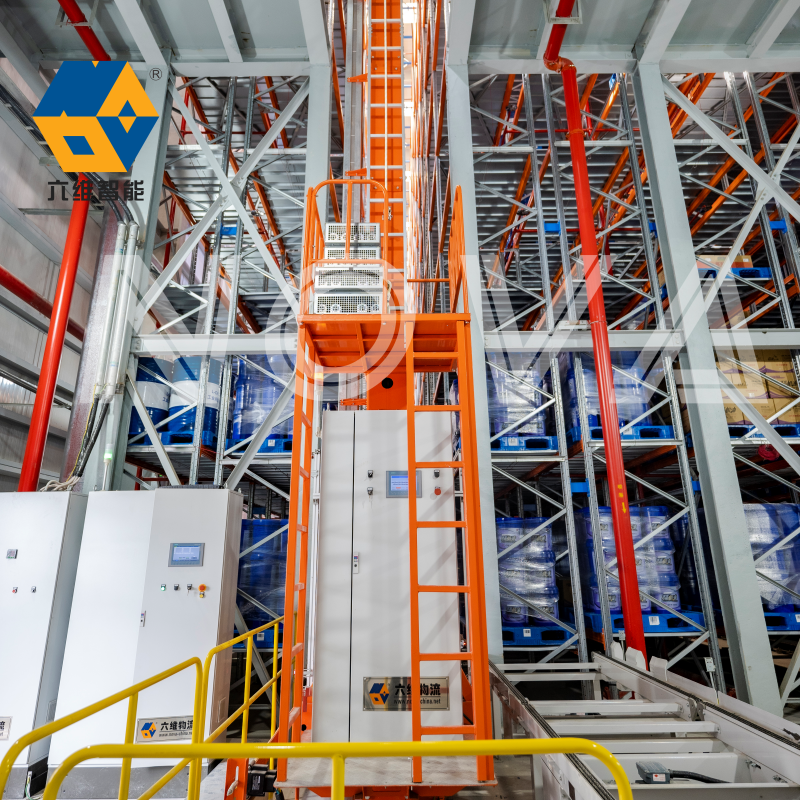
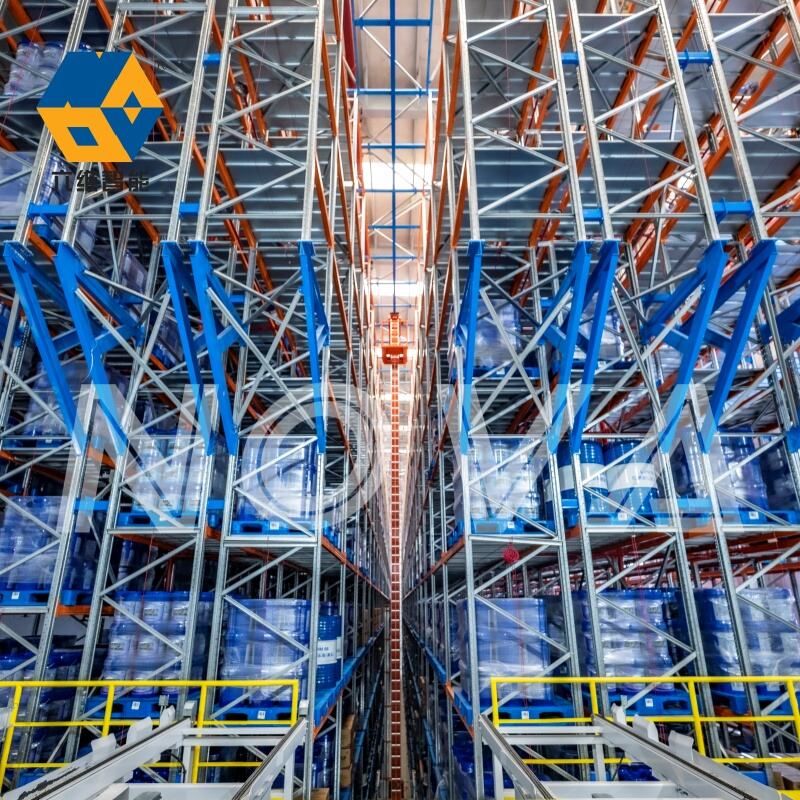
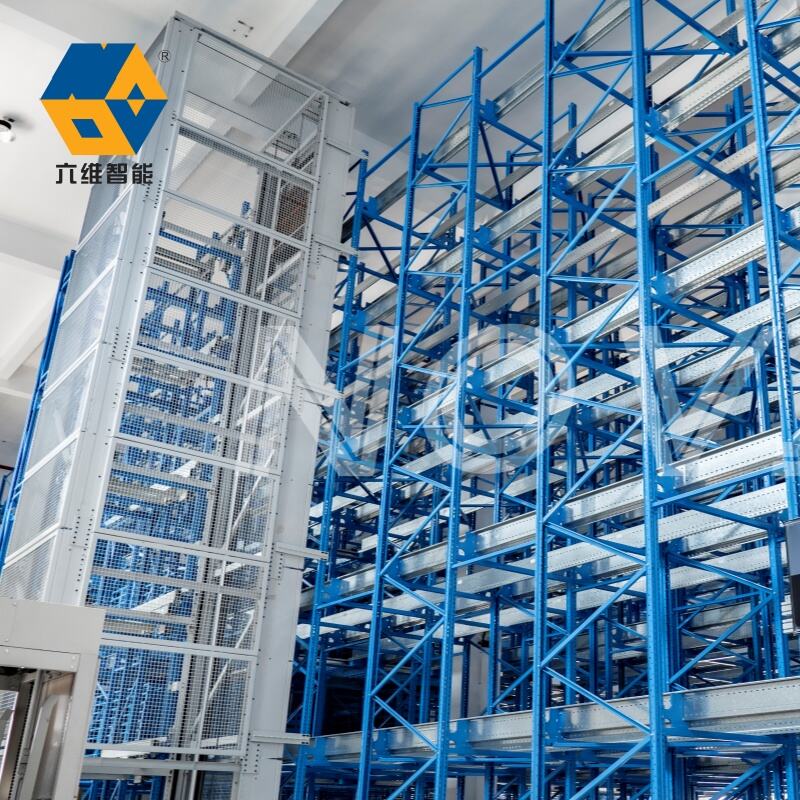
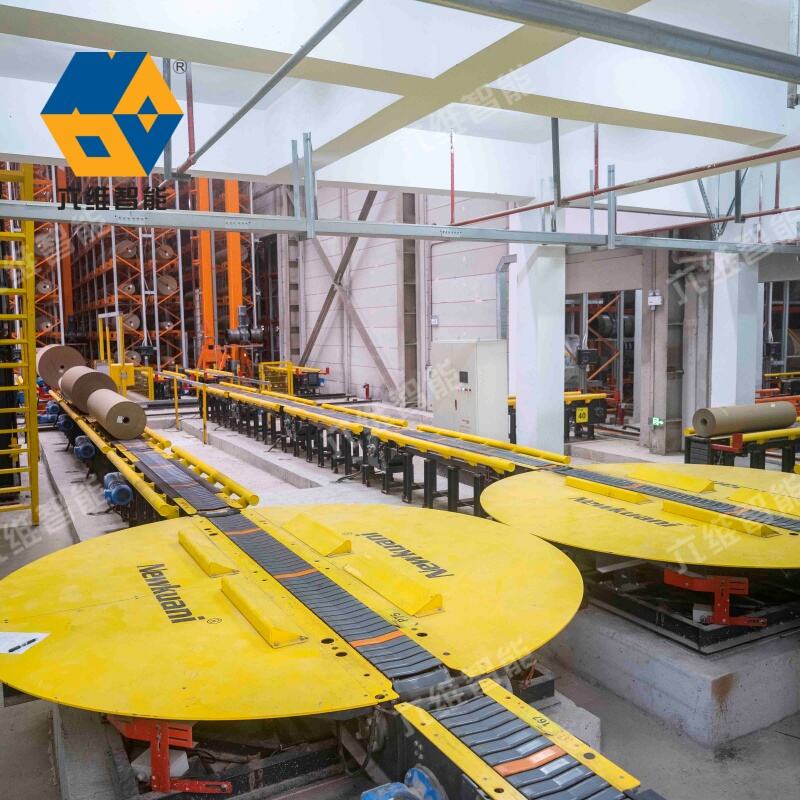
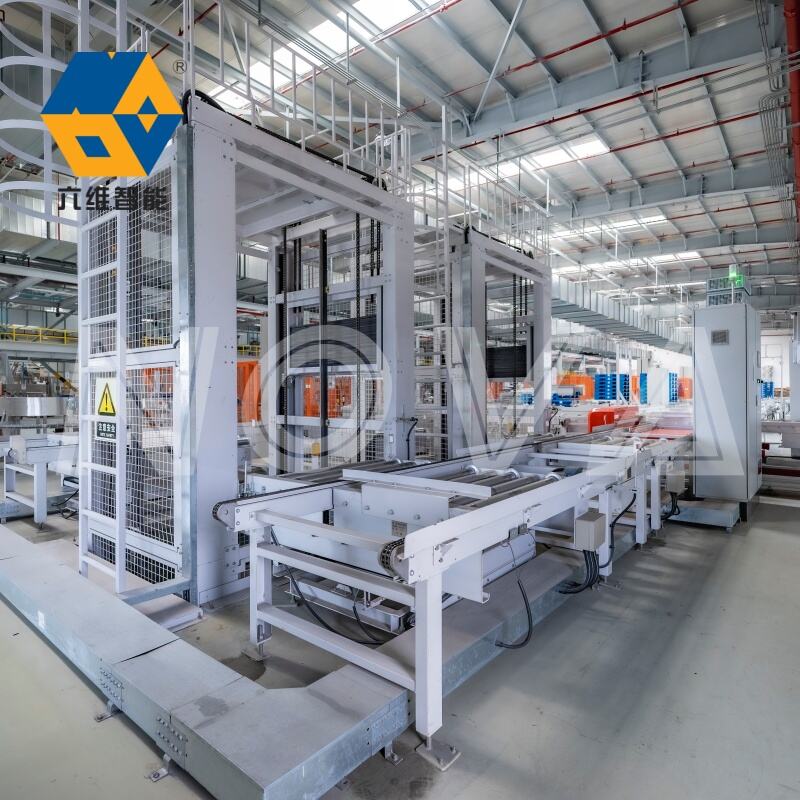
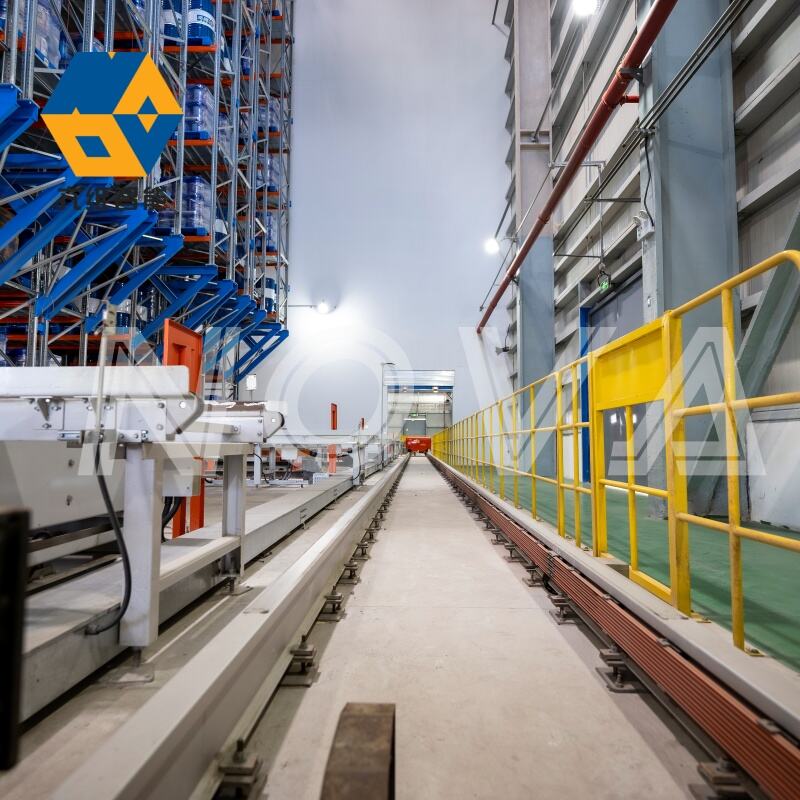
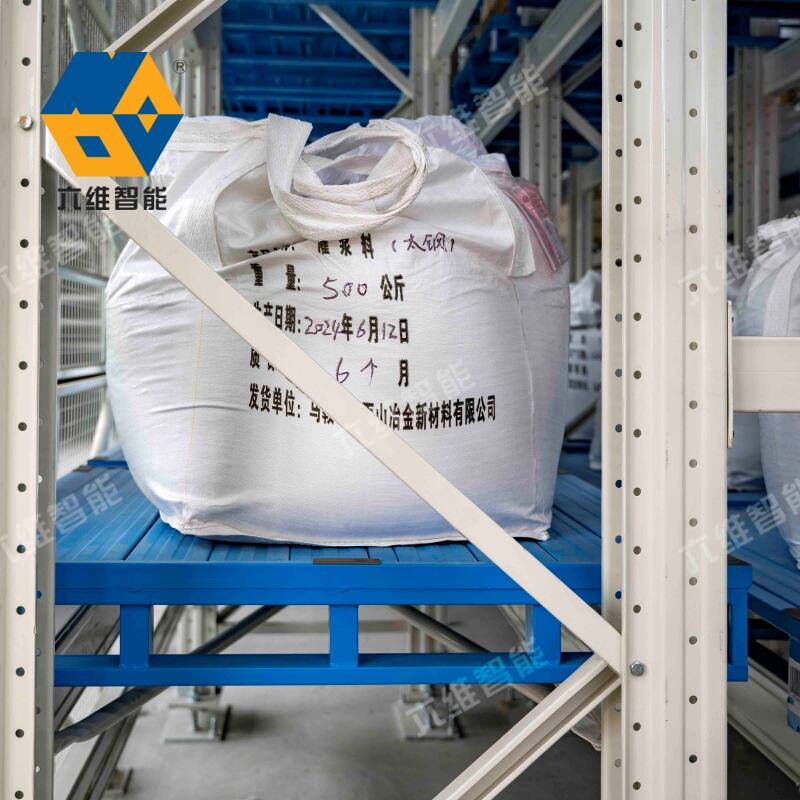
An automated storage and retrieval system in logistics represents a cutting-edge warehouse solution that transforms how businesses manage inventory and fulfill orders. This sophisticated technology combines computer-controlled machinery with intelligent software to automatically place goods into designated storage locations and retrieve them when needed. The automated storage and retrieval system in logistics eliminates manual handling processes, replacing traditional forklifts and human operators with precision-engineered equipment that operates with remarkable speed and accuracy. The main functions of this system include receiving incoming inventory, storing products in optimal locations based on predefined algorithms, retrieving items for order fulfillment, and maintaining real-time inventory tracking throughout the entire process. The technological features that power these systems are truly impressive. They incorporate advanced robotics, including stacker cranes that move vertically and horizontally along fixed rails, shuttle systems that transport goods across different storage levels, and conveyor networks that connect various zones within the facility. Sophisticated warehouse management software serves as the brain of the operation, coordinating all movements, optimizing storage density, and ensuring that every item can be located and retrieved within seconds. Sensor technology and barcode scanning provide continuous visibility into inventory status, while safety mechanisms protect both equipment and personnel. Applications of the automated storage and retrieval system in logistics span numerous industries. Manufacturing facilities use these systems to manage raw materials and finished goods efficiently. E-commerce companies rely on them to process thousands of orders daily with minimal error rates. Pharmaceutical distributors benefit from the temperature-controlled storage capabilities and precise tracking required for medical supplies. Automotive parts suppliers utilize these systems to manage vast catalogs of components. Food and beverage companies appreciate the ability to implement strict first-in-first-out rotation protocols. The versatility and scalability of the automated storage and retrieval system in logistics make it suitable for operations ranging from compact urban warehouses to massive distribution centers spanning hundreds of thousands of square feet.

New Product Recommendations

The automated storage and retrieval system in logistics delivers substantial benefits that directly impact your bottom line and operational efficiency. First and foremost, you will experience dramatic improvements in space utilization. These systems can increase your storage capacity by up to 85 percent compared to conventional warehousing methods. By building vertically and eliminating wide aisles needed for forklift traffic, you can store more products in the same footprint or achieve the same capacity in a much smaller facility, resulting in significant real estate cost savings. Your labor costs will decrease substantially because the system handles most material movement automatically. You will need fewer warehouse workers, and the staff you do employ can focus on value-added tasks rather than repetitive picking and moving activities. This reduction in manual labor also means fewer workplace injuries, lower insurance premiums, and decreased workers compensation claims. The speed advantage cannot be overstated. The automated storage and retrieval system in logistics can process orders in a fraction of the time required by manual methods. Items are retrieved and delivered to picking stations within minutes, enabling you to fulfill more orders per hour and meet tight delivery deadlines. This speed translates directly into higher customer satisfaction and the ability to handle peak demand periods without hiring temporary staff. Accuracy improves dramatically with automation. The system virtually eliminates picking errors that plague manual operations. You will see order accuracy rates exceeding 99.9 percent, which means fewer returns, less customer frustration, and reduced costs associated with correcting mistakes. Your inventory tracking becomes precise and real-time, ending the discrepancies between computer records and actual stock levels that cost businesses millions annually. Energy efficiency represents another practical advantage. Modern systems use LED lighting only in active zones, reducing electricity consumption significantly compared to fully lit traditional warehouses. The equipment itself operates on optimized paths that minimize energy waste. Climate control costs also decrease because automated facilities typically require less heating and cooling than spaces occupied by human workers. Security and inventory protection improve considerably. The automated storage and retrieval system in logistics operates in environments with restricted access, reducing theft and damage. Products remain in protective storage until the moment they are needed, minimizing handling and exposure. Temperature-sensitive items can be stored in precisely controlled conditions without subjecting workers to uncomfortable environments. Your business gains remarkable scalability and flexibility. As your operation grows, you can expand the system incrementally without completely redesigning your facility. Seasonal fluctuations become easier to manage because the automated storage and retrieval system in logistics maintains consistent performance regardless of volume. You can quickly adapt to new product lines or changing customer demands without extensive retraining or process modifications.

Latest News

How Automated Storage and Retrieval Systems Enhance Inventory Accuracy

05

Feb

How Automated Storage and Retrieval Systems Enhance Inventory Accuracy

Modern warehouses face unprecedented challenges in maintaining accurate inventory levels while managing increasing order volumes and customer expectations. Traditional manual tracking methods have become insufficient for businesses seeking competitiv...
View More
What Makes Automated Storage and Retrieval Systems Ideal for Modern Warehouses?

05

Feb

What Makes Automated Storage and Retrieval Systems Ideal for Modern Warehouses?

Modern warehouses face unprecedented challenges in managing inventory efficiently while meeting growing customer demands for faster delivery times. The implementation of an automated storage and retrieval system represents a transformative solution t...
View More
How Can Automated Storage Systems Boost Supply Chain Performance?

05

Feb

How Can Automated Storage Systems Boost Supply Chain Performance?

Modern supply chains face unprecedented challenges in managing inventory, reducing costs, and maintaining operational efficiency. Companies worldwide are turning to advanced warehouse automation technologies to address these growing demands. An autom...
View More
What Are Essential Safety Tips for Installing a Steel Platform?

16

Mar

What Are Essential Safety Tips for Installing a Steel Platform?

Industrial facilities worldwide rely on steel platforms to maximize vertical storage space and improve operational efficiency. These robust structures serve as elevated work areas, storage solutions, and access points in warehouses, manufacturing pla...
View More

Get a Free Quote

Our representative will contact you soon.
Email
Name
Company Name
Message
0/1000

automated storage and retrieval system in logistics

Maximized Storage Density and Space Optimization

Maximized Storage Density and Space Optimization

The automated storage and retrieval system in logistics revolutionizes how you utilize available space within your facility, delivering storage density that simply cannot be achieved through traditional warehousing methods. This transformative capability stems from several integrated design principles that work together to maximize every cubic inch of your building. Unlike conventional warehouses that require wide aisles for forklift operation, typically consuming 35 to 40 percent of floor space for movement corridors, automated systems operate with narrow aisles measured in inches rather than feet. The precision-guided machinery moves along fixed rails, requiring minimal clearance and allowing storage racks to be positioned much closer together. This fundamental difference immediately recovers thousands of square feet for actual product storage. The vertical dimension represents where the automated storage and retrieval system in logistics truly excels. While manual operations rarely utilize ceiling height above 20 feet due to safety concerns and equipment limitations, automated systems routinely operate at heights of 100 feet or more. Stacker cranes and shuttle systems effortlessly access upper levels that would be impractical or impossible for human workers. This vertical expansion can triple or quadruple your storage capacity without expanding your building footprint, which proves especially valuable in urban locations where land costs are prohibitive. The intelligent software continuously optimizes product placement based on turnover rates, dimensions, weight, and other factors. Fast-moving items can be positioned in easily accessible locations to minimize retrieval time, while slower-moving inventory occupies less convenient spaces. The system automatically consolidates partially filled storage locations, eliminating wasted space and maintaining maximum density as inventory levels fluctuate. This dynamic optimization happens continuously without human intervention, ensuring your facility always operates at peak efficiency. For businesses facing capacity constraints, the financial implications are profound. You can either store significantly more inventory in your existing building, eliminating the need for costly expansion or additional warehouses, or you can achieve your current storage requirements in a much smaller, less expensive facility. Property taxes, insurance, heating, cooling, and maintenance costs all decrease proportionally with reduced building size. Companies implementing the automated storage and retrieval system in logistics frequently report recovering enough floor space to add new production lines, staging areas, or value-added services within their existing walls, transforming space utilization from a constraint into a competitive advantage.

Unprecedented Speed and Throughput Capacity

Unprecedented Speed and Throughput Capacity

The operational velocity delivered by the automated storage and retrieval system in logistics fundamentally transforms your ability to fulfill customer orders and respond to market demands. This speed advantage manifests across every stage of the warehousing process, from receiving and putaway through picking and shipping, creating a competitive edge that directly impacts customer satisfaction and revenue generation. Traditional manual operations are constrained by human walking speed, fatigue, and the time required to locate items within sprawling warehouses. Workers may spend more time traveling between pick locations than actually retrieving products. The automated storage and retrieval system in logistics eliminates these inefficiencies by bringing products directly to stationary picking stations where operators work continuously without wasted motion. Stacker cranes travel at speeds exceeding 500 feet per minute horizontally and 100 feet per minute vertically, accessing any storage location in the facility within 60 to 90 seconds. Shuttle systems operating on multiple levels simultaneously can retrieve dozens of items concurrently, creating parallel processing capabilities that manual methods cannot match. The system operates 24 hours daily without breaks, shift changes, or productivity variations that affect human workers. During your peak seasons or promotional periods when order volumes spike dramatically, the automated storage and retrieval system in logistics maintains consistent performance without requiring temporary labor recruitment and training. This reliability proves invaluable for businesses facing unpredictable demand patterns or tight delivery windows. You can confidently commit to same-day shipping or next-day delivery promises knowing your fulfillment infrastructure can execute regardless of volume. The throughput capabilities scale impressively with system size. Moderate installations handle thousands of order lines per hour, while large implementations process tens of thousands of transactions daily. This high-volume capacity enables business models that would be impossible with manual operations, such as micro-fulfillment for rapid urban delivery or high-frequency replenishment for retail networks. Order batching becomes unnecessary because the automated storage and retrieval system in logistics retrieves items so quickly that processing orders sequentially remains efficient. This eliminates the complexity and delays associated with wave picking and batch consolidation strategies. Customers receive their complete orders faster, and your inventory turns more rapidly, improving cash flow and reducing holding costs. The speed extends beyond just retrieval operations. Receiving and putaway processes accelerate dramatically because the system immediately transports incoming goods to optimal storage locations based on real-time space availability and predicted demand patterns. Products become available for sale within minutes of arrival rather than hours or days later, improving inventory availability and revenue capture opportunities.
Superior Accuracy and Inventory Control Excellence

Superior Accuracy and Inventory Control Excellence

The precision and inventory management capabilities provided by the automated storage and retrieval system in logistics eliminate the costly errors and discrepancies that plague traditional warehousing operations, delivering accuracy levels that transform customer satisfaction and operational economics. This reliability stems from the elimination of human error in the picking process and the implementation of continuous, automated inventory tracking that maintains perfect alignment between physical stock and computer records. Manual picking operations typically achieve accuracy rates between 95 and 98 percent, which sounds acceptable until you calculate the impact. A 97 percent accuracy rate means three errors per 100 order lines, and with thousands of daily transactions, these mistakes accumulate rapidly into significant costs. Wrong items shipped must be returned, correct items must be reshipped at your expense, customer service teams spend hours resolving complaints, and customers lose confidence in your reliability. The automated storage and retrieval system in logistics achieves accuracy rates exceeding 99.9 percent by removing human judgment and fatigue from the equation. Computer-controlled machinery retrieves exactly the item specified by the warehouse management system, and barcode verification at multiple control points confirms correctness before products proceed to packing. This near-perfect accuracy transforms your operational costs and customer relationships. Product returns decrease dramatically, shipping costs for corrections disappear, customer service inquiries decline, and your reputation for reliability becomes a market differentiator. Customers who consistently receive correct orders on time become loyal advocates who generate repeat business and positive referrals. The inventory control advantages extend far beyond picking accuracy. The automated storage and retrieval system in logistics maintains continuous, real-time visibility into exact stock levels and locations. Every movement is recorded instantly, creating perfect traceability and eliminating the inventory discrepancies that force businesses to maintain safety stock buffers. You know precisely what you have, where it is located, and when it will be available, enabling confident commitments to customers and optimized purchasing decisions. Physical inventory counts become simplified or unnecessary because system records perfectly match actual stock. The labor-intensive, disruptive annual wall-to-wall counts that close facilities for days can be replaced with continuous cycle counting performed automatically during normal operations. The automated storage and retrieval system in logistics flags discrepancies immediately for investigation rather than allowing errors to compound over months. For regulated industries, the traceability provided by the automated storage and retrieval system in logistics proves invaluable. Pharmaceutical companies can instantly identify the specific storage location and history of any batch number, facilitating recalls or regulatory audits. Food distributors can enforce strict first-expired-first-out rotation, minimizing waste and ensuring freshness. Electronics manufacturers can track serialized components through assembly processes. This precision documentation reduces compliance risks and provides audit trails that satisfy regulatory requirements while simultaneously optimizing inventory turnover and reducing obsolescence costs that drain profitability.

Get a Free Quote

Our representative will contact you soon.
Email
Name
Company Name
Message
0/1000

Get a Free Quote

Our representative will contact you soon.
Email
Name
Company Name
Message
0/1000