ប្រព័ន្ធគ្រប់គ្រងការផ្ទុក និងទាញយកដោយស្វ័យប្រវ័ត្តក្នុងវិស័យហ្វ្លូជីស្ទិក
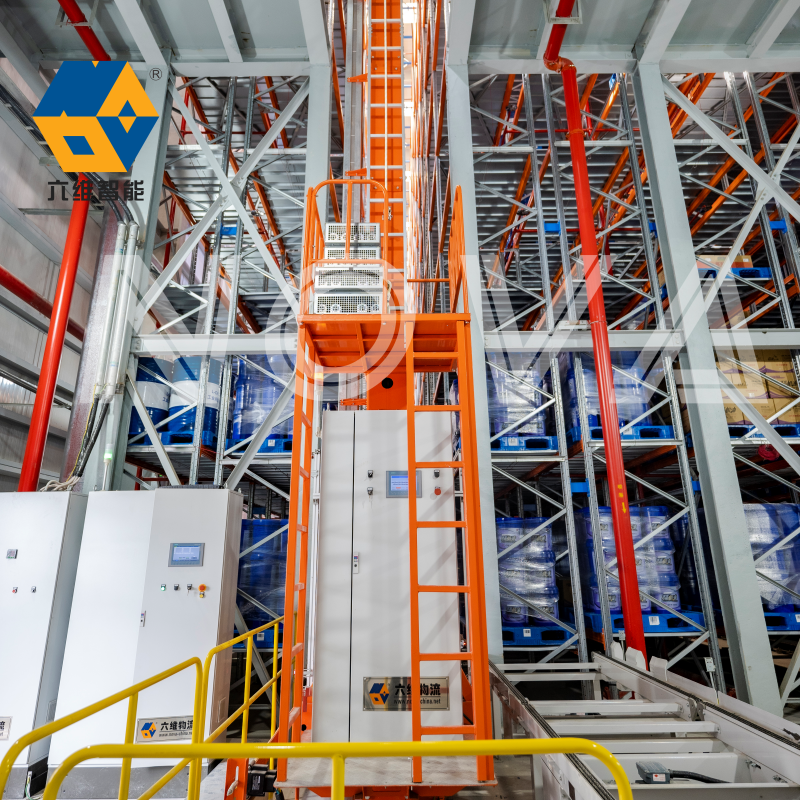
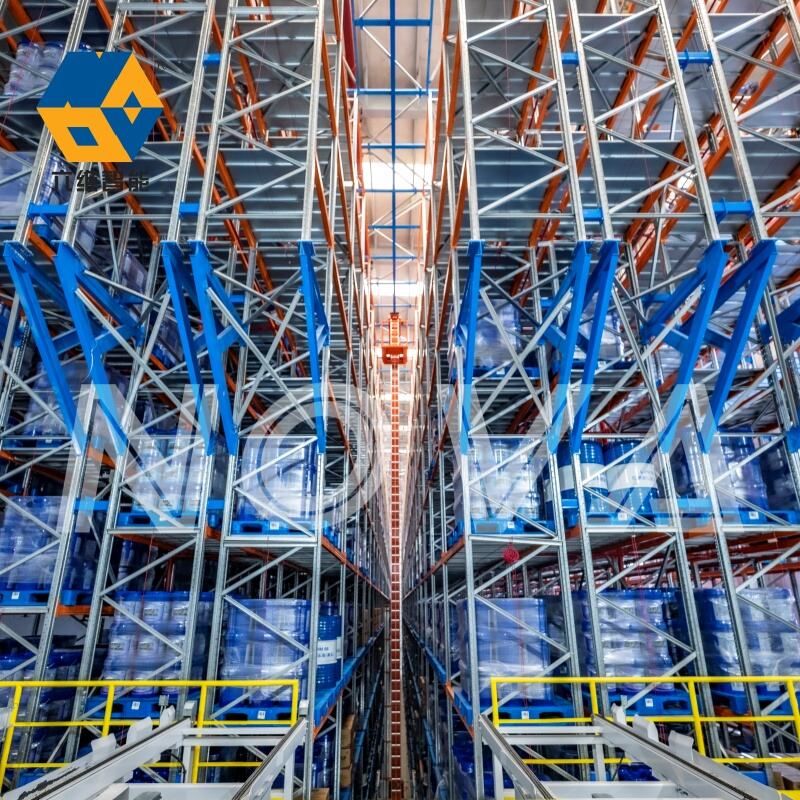
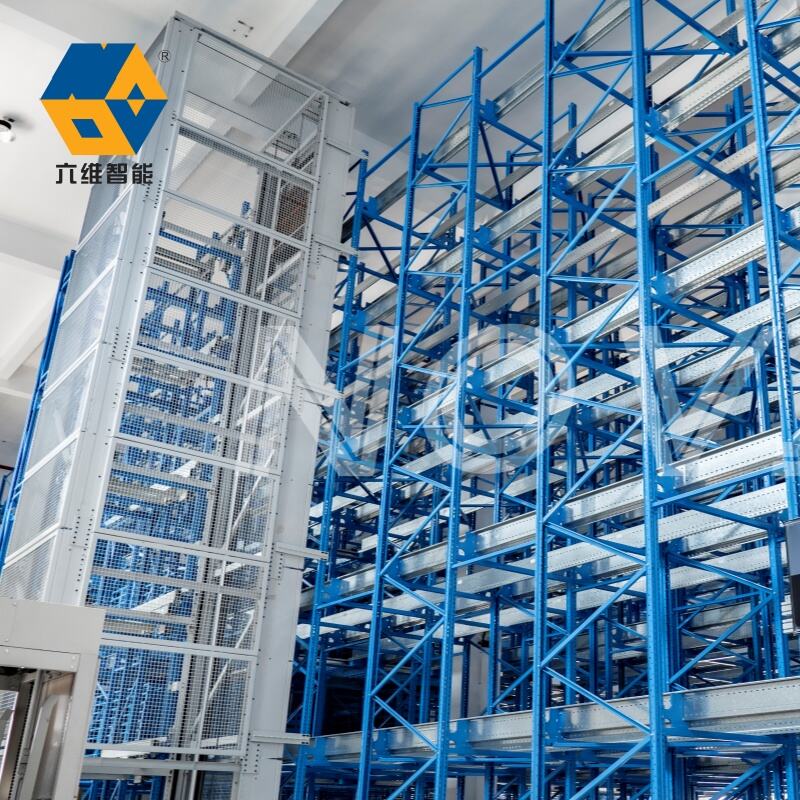
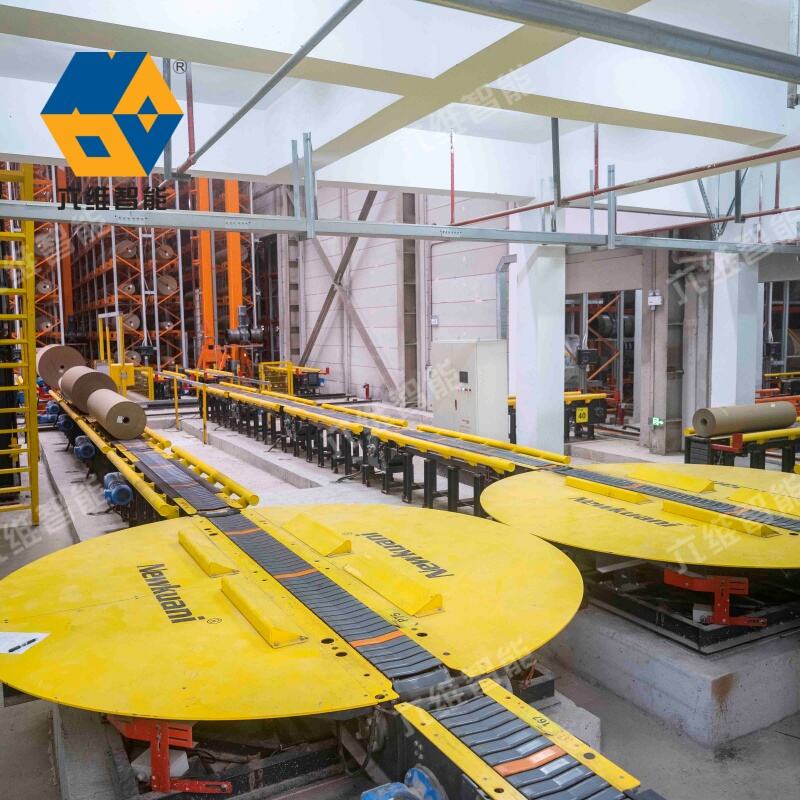
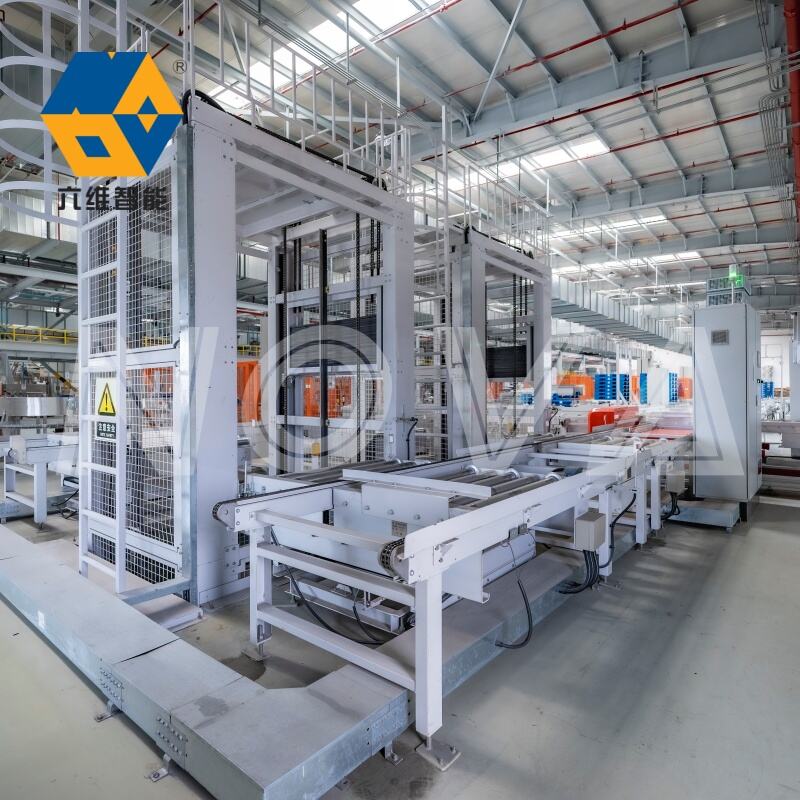
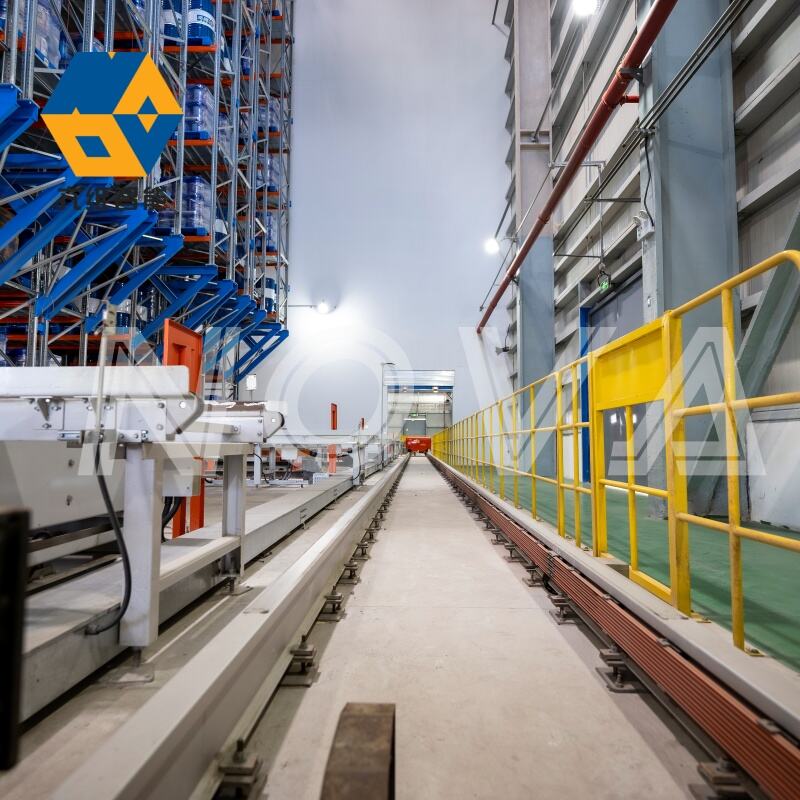
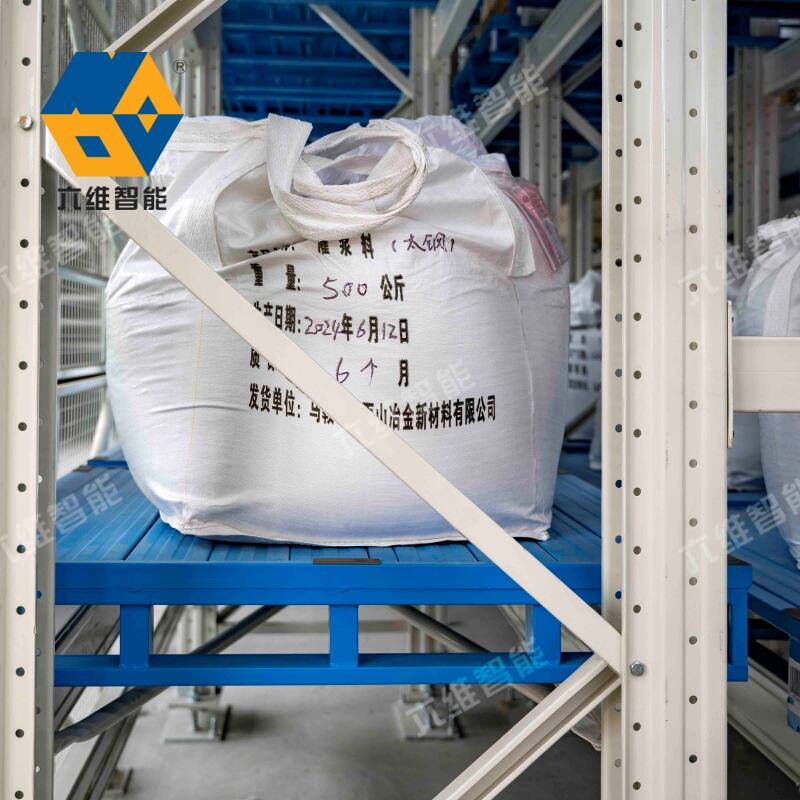
ប្រព័ន្ធផ្ទុក និងទាញយកដោយស្វ័យប្រវត្តិនៅក្នុងវិស័យភស្តុភារកម្ម តំណាងឱ្យដំណោះស្រាយឃ្លាំងទំនើបមួយ ដែលផ្លាស់ប្តូររបៀបដែលអាជីវកម្មគ្រប់គ្រងសារពើភ័ណ្ឌ និងបំពេញការបញ្ជាទិញ។ បច្ចេកវិទ្យាទំនើបនេះ រួមបញ្ចូលគ្នានូវគ្រឿងចក្រដែលគ្រប់គ្រងដោយកុំព្យូទ័រជាមួយនឹងកម្មវិធីឆ្លាតវៃ ដើម្បីដាក់ទំនិញដោយស្វ័យប្រវត្តិទៅក្នុងទីតាំងផ្ទុកដែលបានកំណត់ និងទាញយកវានៅពេលចាំបាច់។ ប្រព័ន្ធផ្ទុក និងទាញយកដោយស្វ័យប្រវត្តិនៅក្នុងវិស័យភស្តុភារកម្ម លុបបំបាត់ដំណើរការដោះស្រាយដោយដៃ ដោយជំនួសរថយន្តសម្រាប់លើកដាក់ទំនិញបែបប្រពៃណី និងប្រតិបត្តិករមនុស្សជាមួយនឹងឧបករណ៍ដែលត្រូវបានរចនាឡើងយ៉ាងជាក់លាក់ ដែលដំណើរការជាមួយនឹងល្បឿន និងភាពត្រឹមត្រូវគួរឱ្យកត់សម្គាល់។ មុខងារចម្បងនៃប្រព័ន្ធនេះរួមមាន ការទទួលសារពើភ័ណ្ឌចូល ការរក្សាទុកផលិតផលនៅទីតាំងល្អបំផុតដោយផ្អែកលើក្បួនដោះស្រាយដែលបានកំណត់ជាមុន ការទាញយករបស់របរសម្រាប់ការបំពេញការបញ្ជាទិញ និងការរក្សាការតាមដានសារពើភ័ណ្ឌពេលវេលាជាក់ស្តែងពេញមួយដំណើរការទាំងមូល។ លក្ខណៈពិសេសបច្ចេកវិទ្យាដែលផ្តល់ថាមពលដល់ប្រព័ន្ធទាំងនេះគឺពិតជាគួរឱ្យចាប់អារម្មណ៍។ ពួកវារួមបញ្ចូលមនុស្សយន្តទំនើប រួមទាំងស្ទូចដាក់ឥវ៉ាន់ដែលផ្លាស់ទីបញ្ឈរ និងផ្ដេកតាមផ្លូវដែកថេរ ប្រព័ន្ធរថយន្តដែលដឹកជញ្ជូនទំនិញឆ្លងកាត់កម្រិតផ្ទុកផ្សេងៗគ្នា និងបណ្តាញដឹកជញ្ជូនដែលភ្ជាប់តំបន់ផ្សេងៗនៅក្នុងកន្លែង។ កម្មវិធីគ្រប់គ្រងឃ្លាំងទំនើបបម្រើជាខួរក្បាលនៃប្រតិបត្តិការ សម្របសម្រួលចលនាទាំងអស់ បង្កើនប្រសិទ្ធភាពដង់ស៊ីតេផ្ទុក និងធានាថារាល់របស់របរអាចត្រូវបានកំណត់ទីតាំង និងទាញយកបានក្នុងរយៈពេលប៉ុន្មានវិនាទី។ បច្ចេកវិទ្យាឧបករណ៍ចាប់សញ្ញា និងការស្កេនបាកូដផ្តល់នូវភាពមើលឃើញជាបន្តបន្ទាប់ទៅក្នុងស្ថានភាពសារពើភ័ណ្ឌ ខណៈពេលដែលយន្តការសុវត្ថិភាពការពារទាំងឧបករណ៍ និងបុគ្គលិក។ ការអនុវត្តប្រព័ន្ធផ្ទុក និងទាញយកដោយស្វ័យប្រវត្តិនៅក្នុងវិស័យភស្តុភារកម្មគ្របដណ្តប់លើឧស្សាហកម្មជាច្រើន។ រោងចក្រផលិតប្រើប្រាស់ប្រព័ន្ធទាំងនេះដើម្បីគ្រប់គ្រងវត្ថុធាតុដើម និងទំនិញសម្រេចប្រកបដោយប្រសិទ្ធភាព។ ក្រុមហ៊ុនពាណិជ្ជកម្មអេឡិចត្រូនិកពឹងផ្អែកលើពួកគេដើម្បីដំណើរការការបញ្ជាទិញរាប់ពាន់ជារៀងរាល់ថ្ងៃជាមួយនឹងអត្រាកំហុសតិចតួចបំផុត។ អ្នកចែកចាយឱសថទទួលបានអត្ថប្រយោជន៍ពីសមត្ថភាពផ្ទុកដែលគ្រប់គ្រងសីតុណ្ហភាព និងការតាមដានយ៉ាងច្បាស់លាស់ដែលត្រូវការសម្រាប់ការផ្គត់ផ្គង់វេជ្ជសាស្ត្រ។ អ្នកផ្គត់ផ្គង់គ្រឿងបន្លាស់រថយន្តប្រើប្រាស់ប្រព័ន្ធទាំងនេះដើម្បីគ្រប់គ្រងកាតាឡុកដ៏ធំទូលាយនៃសមាសធាតុ។ ក្រុមហ៊ុនផលិតម្ហូបអាហារ និងភេសជ្ជៈពេញចិត្តចំពោះសមត្ថភាពក្នុងការអនុវត្តពិធីការបង្វិលចូលមុនចេញមុនយ៉ាងតឹងរ៉ឹង។ ភាពបត់បែន និងលទ្ធភាពធ្វើមាត្រដ្ឋាននៃប្រព័ន្ធផ្ទុក និងទាញយកដោយស្វ័យប្រវត្តិនៅក្នុងវិស័យភស្តុភារកម្មធ្វើឱ្យវាសមស្របសម្រាប់ប្រតិបត្តិការចាប់ពីឃ្លាំងទីក្រុងតូចៗរហូតដល់មជ្ឈមណ្ឌលចែកចាយដ៏ធំដែលលាតសន្ធឹងរាប់រយរាប់ពាន់ហ្វីតការ៉េ។
 EN
EN