Жақсартылған қауіпсіздік және жұмыс істеу қауіпінің төмендеуі
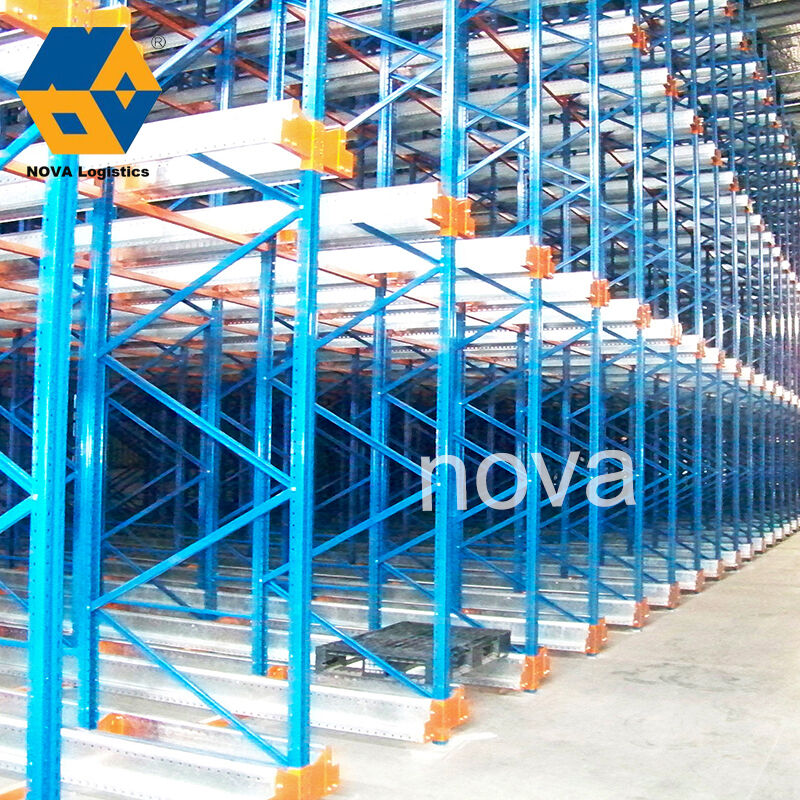
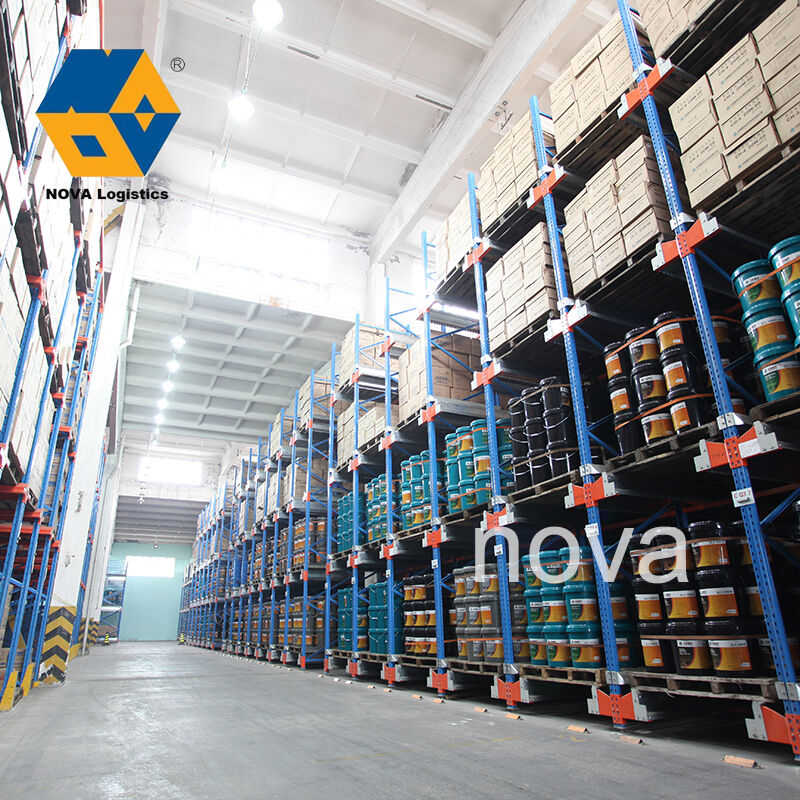
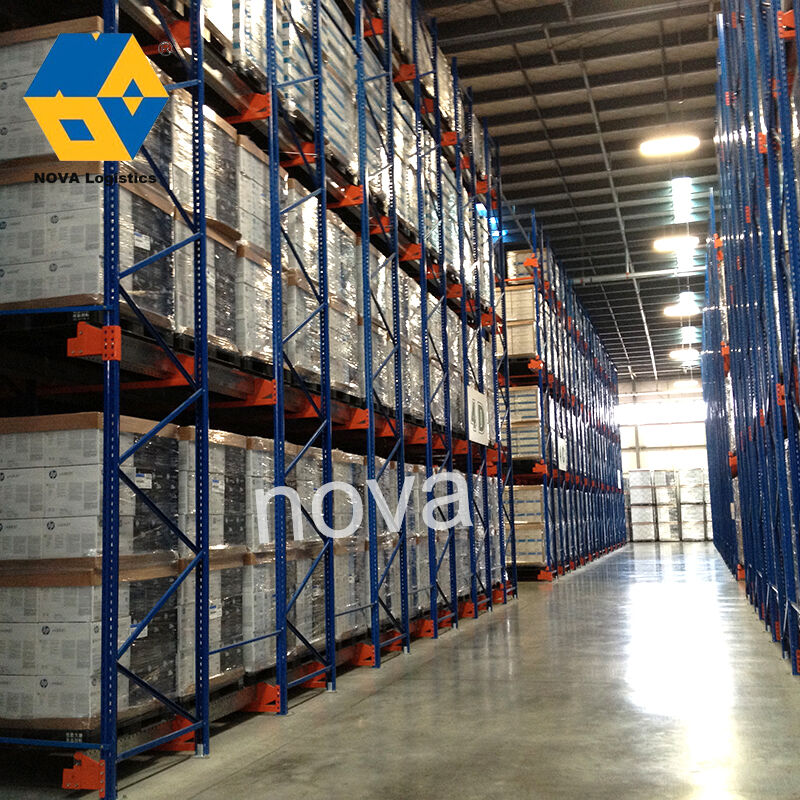
Ракеттік шаттл жұмысшыларды, қоймадағы тауарларды және инфрақұрылымды қорғайтын, сонымен қатар жұмыс орнындағы апаттарға байланысты жауапкершілікке тартылу қаупін және операциялық кедергілерді азайтатын түрлендіруші қауіпсіздік жақсартуларын енгізеді. Дәстүрлі қойма жағдайларында көптеген қауіп-қатерлер болады: тауар көтергіштердің соқтығысуы, жаяу адамдарға қатысты апаттар, түсетін жүктер, қайталанатын кернеуден туындайтын жарақаттар, сондай-ақ отындың шығарынды газдарына ұшырау. Ракеттік шаттл бұл қауіптерді жұмысшыларды қауіпті материалдарды өңдеу жағдайларынан алыстау арқылы автоматтандыру арқылы жүйелі түрде шешеді. Тауарларды сақтау өткелдерінде тауар көтергіштердің қозғалысын болдырмау арқылы қоймадағы ең көп таралған жарақаттар мен өлім-жітімнің негізгі себебін әлдеқайда азайтасыз. Тығыз аймақтарда қозғалатын тауар көтергіштер басқа көліктермен, жаяу адамдармен, рақтар құрылымдарымен және сақталып тұрған өнімдермен тұрақты түрде соқтығысу қаупін туғызады. Ракеттік шаттл жалпы қозғалыс аймақтарынан бөлек орналасқан арнайы жолдарда компьютерлік басқарумен алдын ала белгіленген бағыттар бойынша қозғалады; оның күрделі кедергілерді анықтау жүйесі апаттарды болдырмауға көмектеседі. Бұл қауіпсіздік датчиктері кенеттен пайда болған кедергілерді тез анықтап, шаттлдың қозғалысын дер кезінде тоқтатады, осылайша құрылғылар мен шектеулі аймаққа кездейсоқ кіріп кетуі мүмкін қызметкерлерді қорғайды. Автоматтандыру сонымен қатар қайталанатын қолмен жүк көтерумен байланысты қауіптерді де жояды: арқаның зақымдануы, бұлшық еттердің созылуы және ұзақ сменалар бойынша ауыр жабдықтарды көтеру, созылу және басқару нәтижесінде пайда болатын жинақталған травматикалық аурулар. Бұл физикалық талап етілетін тапсырмалардан қызметкерлерді алыстау арқылы сіз қызметкерлерге төленетін компенсациялар бойынша талаптарды, медициналық шығындарды, уақыт жоғалтуға байланысты жарақаттарды, сонымен қатар жұмыс орнындағы апаттарға байланысты өндірістің төмендеуі мен қызметкерлердің рухани көтерілуінің төмендеуі сияқты жанама шығындарды азайтасыз. Ракеттік шаттл сіздің құрылысыңыздағы эргономикалық жақсартуларға үлес қосады, өйткені қызметкерлер тауарларды қолданып, жабдыққа шығып немесе жоғары орналасқан сақтау орындарына созылып алу орнына ыңғайлы таңдау станцияларында өнімдермен әрекеттеседі. Тауарлардың зақымдануын азайту – бұл қауіптерді болдырмаудың тағы бір бағыты, өйткені ракеттік шаттл паллеттерді қолмен жүргізілетін операцияларда кездесетін соқтығысу, сығылу және дұрыс емес өңдеу қаупін болдырмайтындай тұрақты дәлдікпен өңдейді. Бұл ұқыпты өңдеу тауарлардың құнын қорғайды, жазылуларды азайтады және өнім сапасын сақтайды, бұл әсіресе зақымданған жағдайда қатты қаржылық шығындарға әкелетін жұқа өнімдер, дәл компоненттер немесе премиум-сапалы өнімдер үшін маңызды. Тауарлардың зақымдануын азайту сіздің тұтынушылармен қатынасыңызға да оң әсер етеді, өйткені олар зақымданбаған тауарларды күтеді және зақымданған жеткізілім алғаннан кейін тұтынушылар тағамдық тәртібін өзгертуі мүмкін. Экологиялық қауіпсіздікті жақсартуға іштен жану қозғалтқыштары бар дизельді немесе пропанды тауар көтергіштердің шығарынды газдарын болдырмау кіреді, бұл жұмыс жағдайларын жақсартады және «жаңылтпайтын» ғимараттар сертификаттарын немесе корпоративтік тұрақты дамуға бағытталған міндеттемелерді қолдайды. Аккумуляторлы шаттлдар тікелей шығарынды газдарын шығармайды, осылайша жабық қоймалардағы ауа сапасын жақсартады және қызметкерлерді зиянды шығарынды газдарға ұшыратуды болдырмайды. Өрт қаупі де азаяды, өйткені аккумуляторлық технология іштен жану қозғалтқыштары бар жабдықтарға тән ашық от, ыстық қозғалтқыштар мен отын сақтау қаупін болдырмайды. Ракеттік шаттл жүйесінде техникалық қызмет көрсету қажеттіліктерін апаттар болғанға дейін анықтайтын толық мониторинг пен диагностикалау мүмкіндіктері бар, осылайша қауіпсіздікке қатер тудыруы немесе операциялық кедергілерге әкелуі мүмкін кенеттен болатын жарамсыздануларды болдырмайды. Болжамды техникалық қызмет көрсету туралы хабарландырулар сізге жоспарланған тоқтату кезінде жабдықтың қызмет көрсетуін жоспарлауға мүмкіндік береді, осылайша жабдық әрқашан оптималды жағдайда ұсталады және жабдықтың өнімділігінің төмендеуі немесе жұмыс істеу кезіндегі компоненттердің ақауына байланысты қауіптерді азайтады.

 EN
EN