Drive In Storage Rack Systems: Maximize Warehouse Space with High-Density Storage Solutions

All Categories

Get a Free Quote

Our representative will contact you soon.
Email
Name
Company Name
Message
0/1000

drive in storage rack

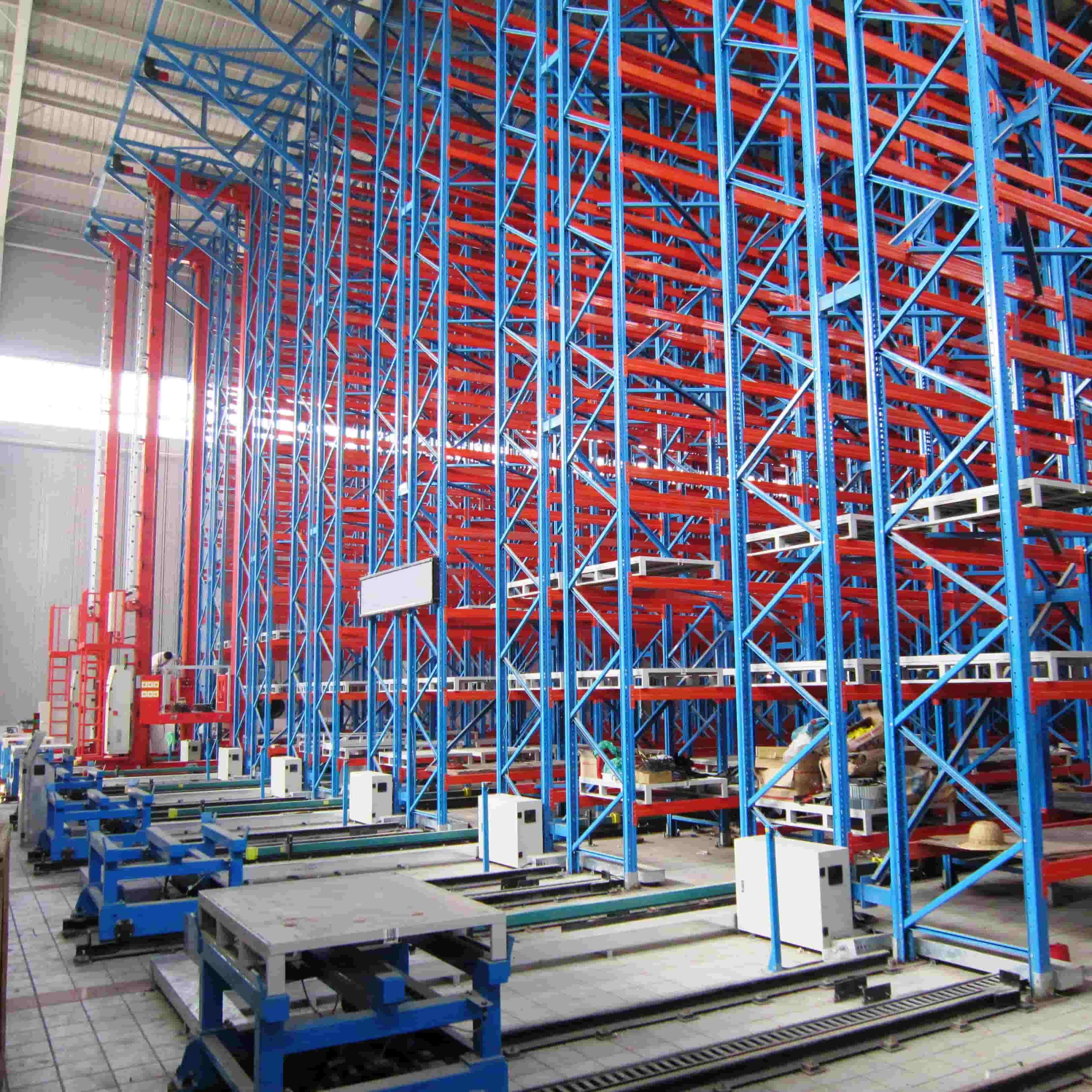
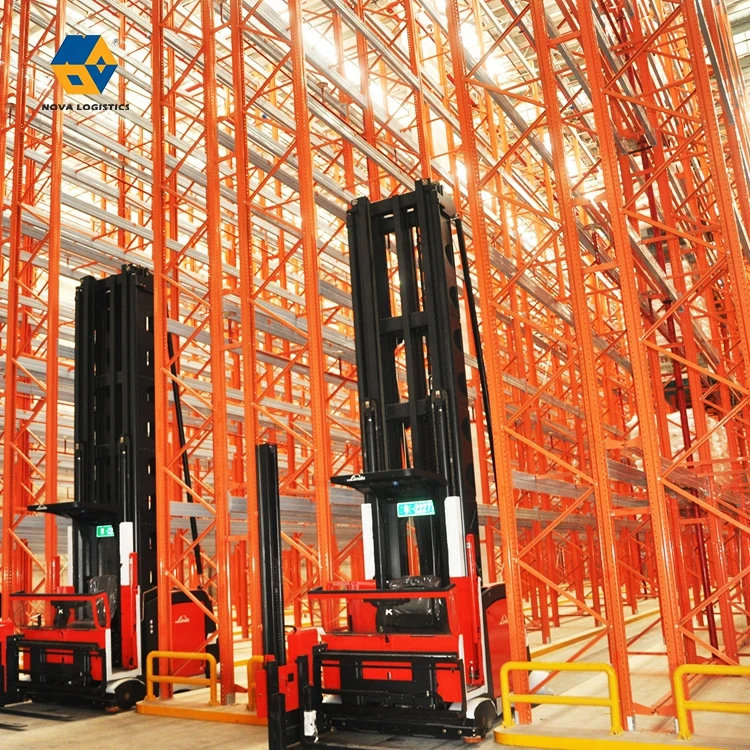
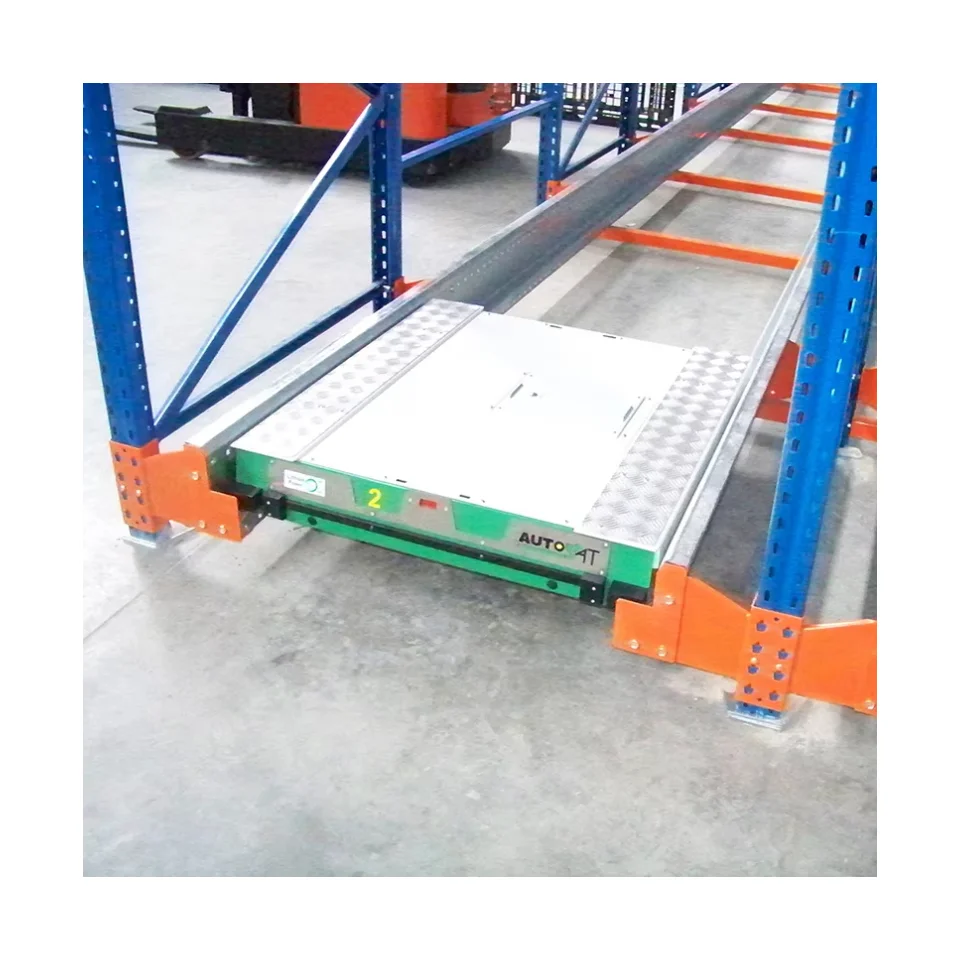
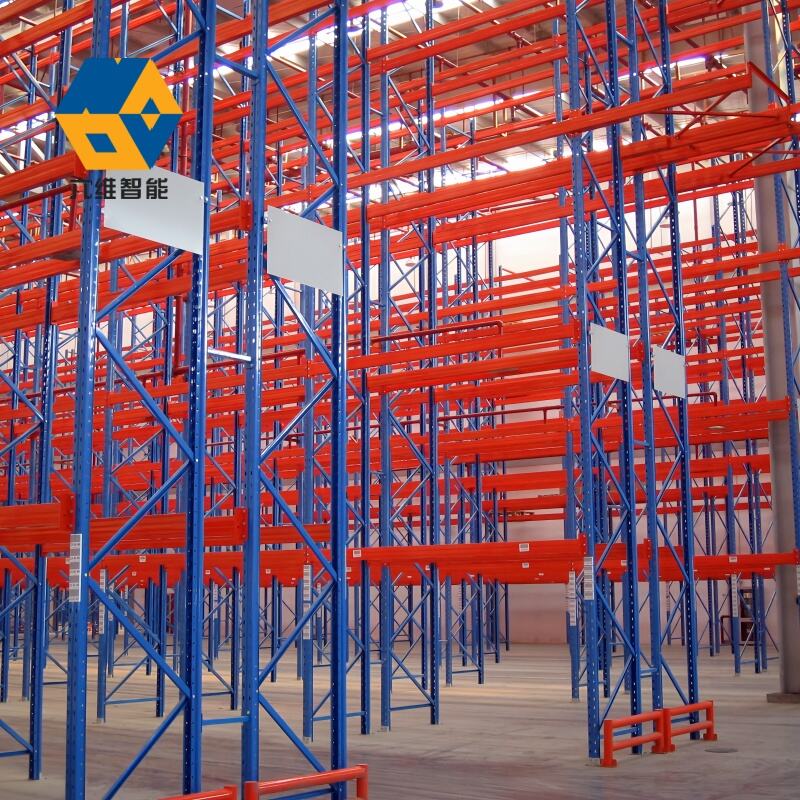
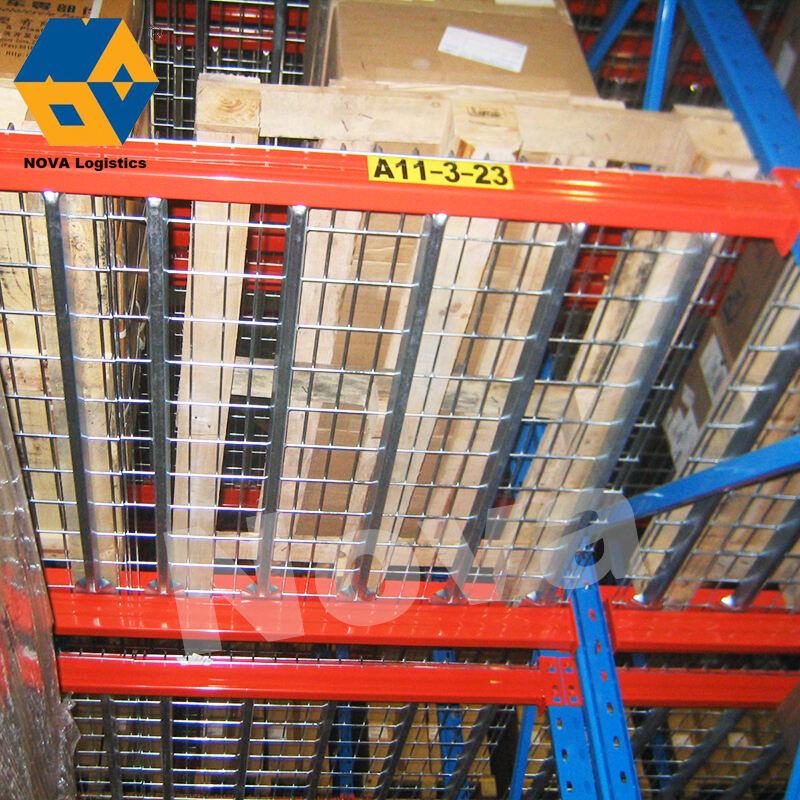
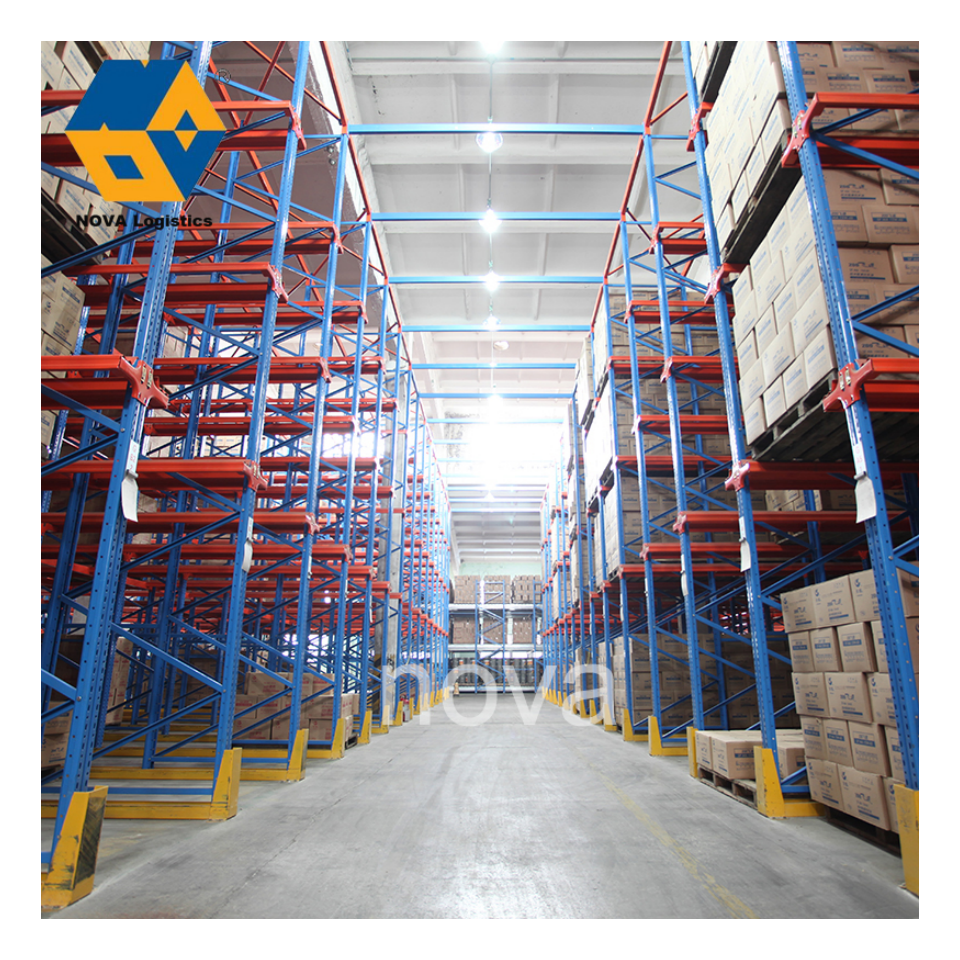
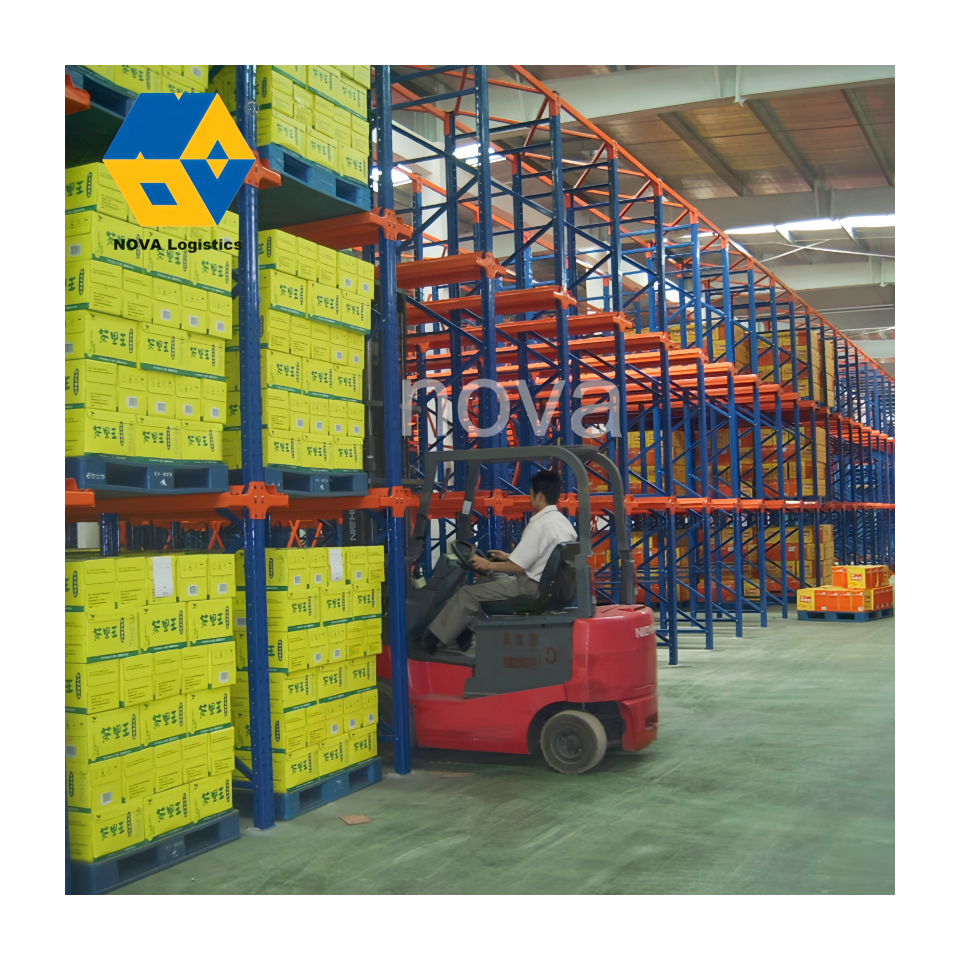
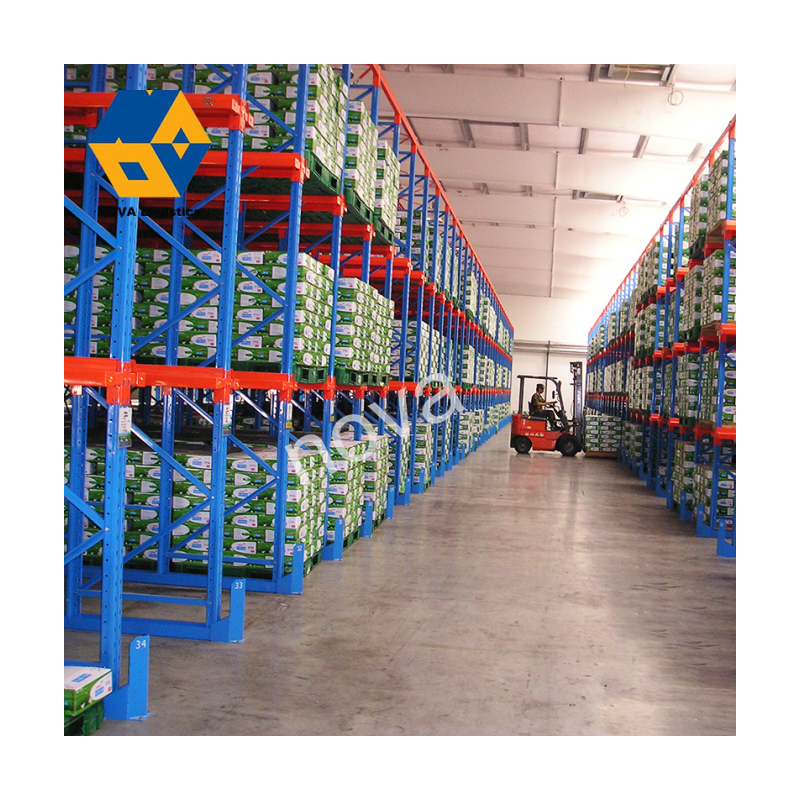
The drive in storage rack represents an innovative warehousing solution designed to maximize storage capacity while minimizing floor space requirements. This high-density storage system allows forklifts to drive directly into the rack structure to access pallets stored in depth, eliminating the need for multiple aisles between rack rows. The fundamental design principle centers on creating continuous storage blocks where pallets are stored from front to back along supporting rails. As a last-in-first-out inventory management system, this racking configuration proves particularly effective for storing large quantities of similar products with consistent SKUs. The structural framework consists of upright frames connected by horizontal rails that support pallets on both sides, creating a lane-based storage approach. Each lane accommodates multiple pallets positioned one behind another, typically ranging from two to ten pallets deep depending on facility requirements and product turnover rates. The drive in storage rack utilizes vertical space efficiently through multi-level configurations, often reaching heights of twenty-five feet or more when combined with appropriate material handling equipment. The technological design incorporates reinforced steel construction with protective features including guide rails, column guards, and rear stops to prevent forklift damage and ensure operational safety. These systems integrate seamlessly with existing warehouse management software to track inventory positions and optimize storage allocation. Manufacturing facilities, cold storage operations, food and beverage distribution centers, and seasonal product warehouses frequently implement this storage methodology. The drive in storage rack demonstrates particular value in environments where inventory velocity follows predictable patterns and product homogeneity allows batch storage. By consolidating storage into dense blocks rather than dispersing products across numerous aisles, facilities achieve remarkable space utilization improvements compared to traditional selective racking approaches, often increasing storage capacity by thirty-five to forty-five percent within identical footprints while maintaining accessibility for standard forklift operations.

New Products

Choosing a drive in storage rack delivers substantial practical benefits that directly impact your bottom line through improved space efficiency and operational cost reduction. The most immediate advantage comes from dramatically increased storage density, allowing your facility to store significantly more products within the same square footage compared to conventional racking systems. This space optimization translates into tangible financial benefits by postponing or eliminating expensive warehouse expansion projects, reducing rental costs per stored unit, and maximizing the return on your existing real estate investment. Your facility can store thirty-five to fifty percent more inventory without expanding physical boundaries, which represents substantial capital savings. The system reduces construction and infrastructure costs because fewer aisles mean less concrete flooring, reduced lighting requirements, and decreased climate control expenses in temperature-controlled environments. For cold storage facilities, this advantage becomes particularly valuable as refrigeration costs per pallet decrease substantially when storage density increases. Your material handling efficiency improves through simplified putaway processes since operators follow straightforward procedures when loading pallets into designated lanes. The system works exceptionally well for businesses managing large quantities of similar products, enabling bulk storage that simplifies inventory tracking and reduces administrative complexity. Your picking operations benefit from consolidated storage locations that reduce travel time when retrieving full pallets for order fulfillment or production requirements. The structural design provides excellent stability for storing heavy products, with weight capacities accommodating standard industrial loads while maintaining safety standards. Your facility gains flexibility in vertical space utilization, as these systems can be configured to various heights matching your building dimensions and forklift capabilities. The initial investment typically delivers rapid payback periods through immediate capacity gains and operational savings. Your maintenance requirements remain minimal since the robust steel construction withstands daily forklift traffic with proper operational protocols. Insurance costs may decrease as the organized storage approach reduces product damage risks and improves overall warehouse safety profiles. The system accommodates various pallet sizes and weight specifications through customizable configurations matching your specific product characteristics. Your inventory turnover becomes more predictable with the last-in-first-out flow, which suits many manufacturing and distribution applications perfectly. The installation process causes minimal disruption to ongoing operations, allowing your facility to maintain productivity during implementation phases while gaining immediate capacity benefits as each section becomes operational.

Latest News

How Does a Rack System Support Better Warehouse Safety Standards?

20

May

How Does a Rack System Support Better Warehouse Safety Standards?

Warehouse safety is a critical operational priority for any facility that handles significant volumes of inventory, equipment, or materials. At the center of most modern warehouse safety strategies is the rack system — a structural solution that orga...
View More
How Do Heavy Duty Rack Structures Improve Warehouse Safety?

20

May

How Do Heavy Duty Rack Structures Improve Warehouse Safety?

Warehouse safety is not an accidental outcome — it is the direct result of thoughtful infrastructure decisions. Among the most impactful of those decisions is the choice to invest in a properly engineered heavy duty rack system. These structures are ...
View More
What Makes Automated Storage and Retrieval Systems Ideal for Modern Warehouses?

05

Feb

What Makes Automated Storage and Retrieval Systems Ideal for Modern Warehouses?

Modern warehouses face unprecedented challenges in managing inventory efficiently while meeting growing customer demands for faster delivery times. The implementation of an automated storage and retrieval system represents a transformative solution t...
View More
How Does Automation Transform Storage and Retrieval Processes?

05

Feb

How Does Automation Transform Storage and Retrieval Processes?

Modern warehouses and distribution centers are experiencing a revolutionary transformation through advanced technology solutions that streamline operations and maximize efficiency. The implementation of sophisticated automated storage and retrieval s...
View More

Get a Free Quote

Our representative will contact you soon.
Email
Name
Company Name
Message
0/1000

drive in storage rack

Exceptional Space Utilization Through High-Density Storage Configuration

Exceptional Space Utilization Through High-Density Storage Configuration

The drive in storage rack transforms warehouse space efficiency by eliminating the multiple aisles required in traditional selective racking systems, replacing them with continuous storage blocks that maximize every square foot of available floor space. This fundamental design advantage allows facilities to increase storage capacity by thirty-five to fifty percent within identical footprints, delivering immediate return on investment without requiring building expansions or additional real estate acquisitions. The system achieves this remarkable density by allowing forklifts to enter directly into the rack structure through access aisles, traveling along guided lanes to deposit or retrieve pallets stored in depth. Each storage lane accommodates multiple pallets positioned sequentially from front to back, typically ranging from two to ten positions deep depending on inventory characteristics and turnover requirements. This configuration proves particularly advantageous for businesses storing large quantities of homogeneous products where multiple pallets of identical SKUs can be grouped together efficiently. The vertical dimension adds another layer of space optimization, as these systems typically incorporate multiple levels that extend upward to twenty-five feet or higher when appropriate material handling equipment is available. By combining depth and height dimensions, facilities achieve volumetric storage efficiency that dramatically outperforms traditional approaches. The reduced aisle requirement translates directly into lower facility costs across multiple dimensions including reduced concrete flooring installation, decreased lighting infrastructure, diminished heating and cooling expenses, and lower overall building square footage needs. For temperature-controlled environments such as cold storage facilities, pharmaceutical warehouses, or food distribution centers, the space efficiency advantage becomes even more valuable as refrigeration and climate control costs represent major operational expenses. Concentrating more product into less space means lower energy consumption per stored pallet, creating ongoing operational savings that compound year after year. The system also enables better utilization of expensive urban warehouse locations where real estate costs are premium, allowing businesses to maintain operations in strategically advantageous locations rather than relocating to distant, less convenient facilities. Installation flexibility allows the drive in storage rack to adapt to existing building configurations, maximizing awkward spaces and unusual dimensions that might otherwise remain underutilized with conventional racking approaches.
Robust Structural Design Ensuring Safety and Operational Reliability

Robust Structural Design Ensuring Safety and Operational Reliability

The drive in storage rack incorporates sophisticated engineering principles and robust construction materials that ensure safe, reliable performance under demanding industrial conditions while protecting both personnel and inventory throughout daily operations. The structural framework utilizes heavy-gauge steel components specifically designed to withstand repeated forklift entry and exit cycles, supporting substantial weight loads across multiple levels without compromising stability or safety margins. Upright frames feature reinforced profiles engineered to distribute vertical loads evenly while resisting lateral forces generated during forklift maneuvers within the rack structure. Horizontal rails are manufactured from high-strength steel with precision-formed profiles that provide stable pallet support while guiding forklift movement along designated travel paths. The system incorporates multiple integrated safety features including guide rails mounted at forklift entry points to direct equipment along proper travel lanes, preventing collisions with structural components that could compromise rack integrity or create safety hazards. Column protectors shield critical upright frames from accidental forklift impacts, absorbing minor collisions that inevitably occur during routine operations without transmitting damaging forces to primary structural elements. Rear stops positioned at the back of each storage lane prevent pallets from being pushed too far during loading operations, eliminating the risk of products falling behind the rack structure where they become inaccessible or create hazardous conditions. The modular design philosophy allows facilities to configure systems matching specific operational requirements, selecting appropriate depths, heights, and load capacities aligned with product characteristics and material handling equipment specifications. Manufacturing processes employ advanced welding techniques and quality control protocols ensuring consistent structural integrity across all components, with protective powder coating finishes providing corrosion resistance that extends service life in challenging environments including cold storage, coastal locations, or chemical exposure conditions. The system design accounts for seismic considerations in earthquake-prone regions, incorporating engineering specifications that maintain stability during ground movement events. Regular inspection protocols remain straightforward, allowing facility managers to identify potential issues before they compromise safety or operational efficiency, with replacement components readily available to minimize downtime during maintenance activities. The proven track record of drive in storage rack installations across diverse industries demonstrates reliability under various operational intensities and environmental conditions, providing confidence for businesses considering implementation.
Streamlined Operations Supporting Efficient Inventory Management

Streamlined Operations Supporting Efficient Inventory Management

The drive in storage rack facilitates smooth, efficient warehouse operations through its intuitive design that simplifies material handling processes while supporting systematic inventory management approaches suited to high-volume distribution and manufacturing environments. The last-in-first-out inventory flow inherent to this system aligns perfectly with applications involving large quantities of similar products, seasonal merchandise, or manufacturing components where stock rotation is less critical than storage density and accessibility. Forklift operators quickly master the straightforward procedures for loading and retrieving pallets, following clearly defined travel lanes that minimize training requirements and reduce operational errors that can damage products or equipment. The systematic lane-based organization creates logical storage zones that integrate seamlessly with warehouse management systems, enabling accurate inventory tracking and efficient space allocation that optimizes product placement based on turnover rates and retrieval frequency. Facilities can designate specific lanes for particular product categories, customers, or date codes, maintaining organized storage that supports first-expired-first-out protocols even within the last-in-first-out structural framework through strategic lane assignment and rotation. The consolidated storage approach reduces travel distances during putaway operations, as operators can deposit multiple pallets of similar products in quick succession within the same lane rather than navigating throughout the facility to reach scattered locations. Retrieval efficiency improves through predictable product locations and reduced search time, particularly when retrieving full pallets for order fulfillment or production line replenishment. The system accommodates various operational strategies including dedicated lane assignments for specific products, shared lanes for similar items, or dynamic allocation based on current inventory levels and anticipated demand patterns. Integration with barcode scanning, RFID technology, or other automated identification systems enhances accuracy while maintaining real-time visibility into inventory positions throughout the storage structure. The drive in storage rack supports lean manufacturing principles by positioning raw materials and components in close proximity to production areas, minimizing material movement and reducing work-in-process inventory levels. Distribution centers benefit from the ability to store large quantities of fast-moving products in accessible locations that support high-volume order fulfillment operations without sacrificing storage capacity for slower-moving items. The system flexibility allows facilities to adjust lane depths and configurations as product mixes evolve, accommodating business growth and changing market demands without requiring complete system replacement or extensive modifications to existing infrastructure.

Get a Free Quote

Our representative will contact you soon.
Email
Name
Company Name
Message
0/1000

Get a Free Quote

Our representative will contact you soon.
Email
Name
Company Name
Message
0/1000