Drive In Storage Racks: High-Density Warehouse Solutions for Maximum Space Efficiency

All Categories

Get a Free Quote

Our representative will contact you soon.
Email
Name
Company Name
Message
0/1000

drive in storage racks

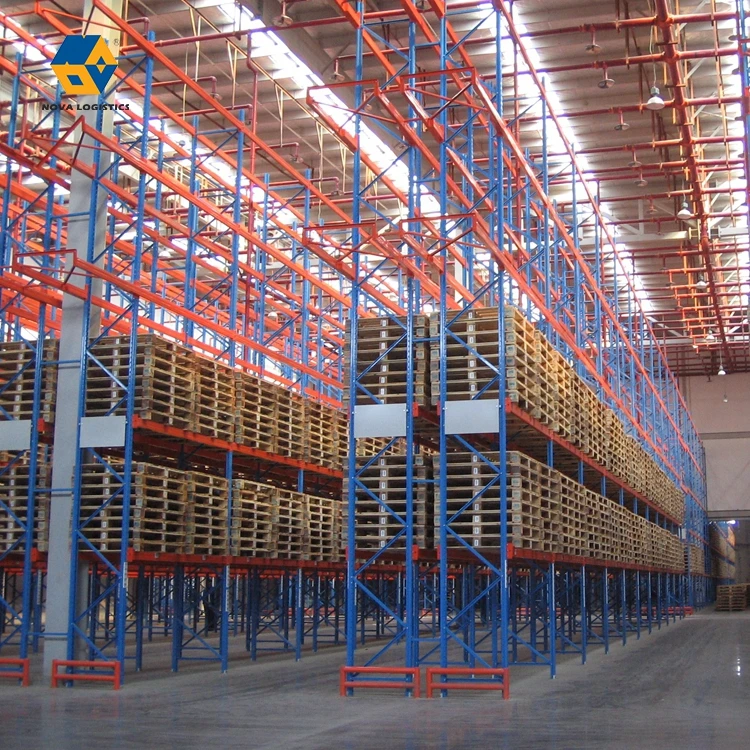
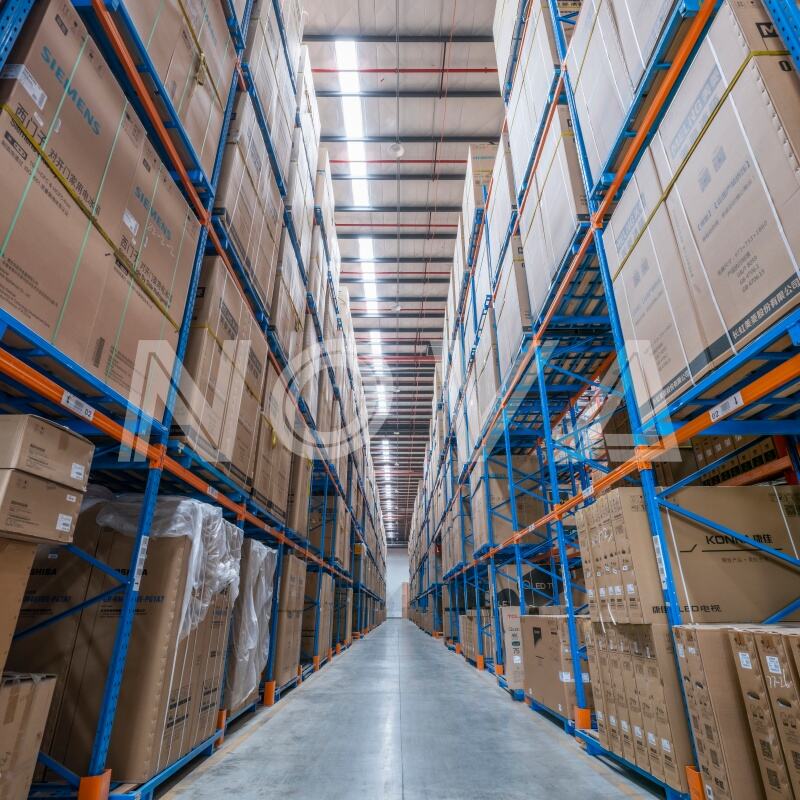
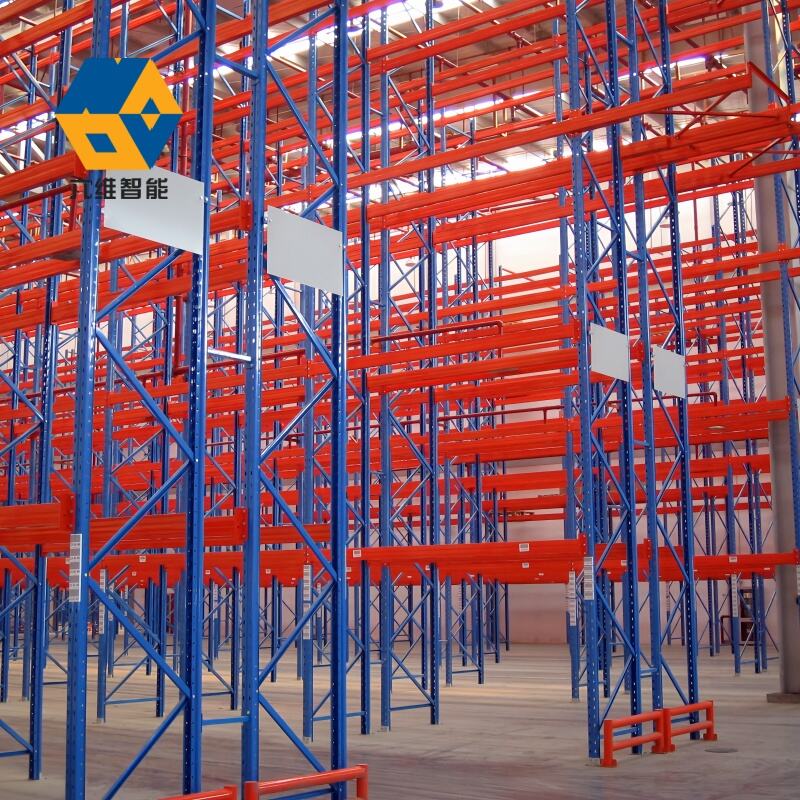
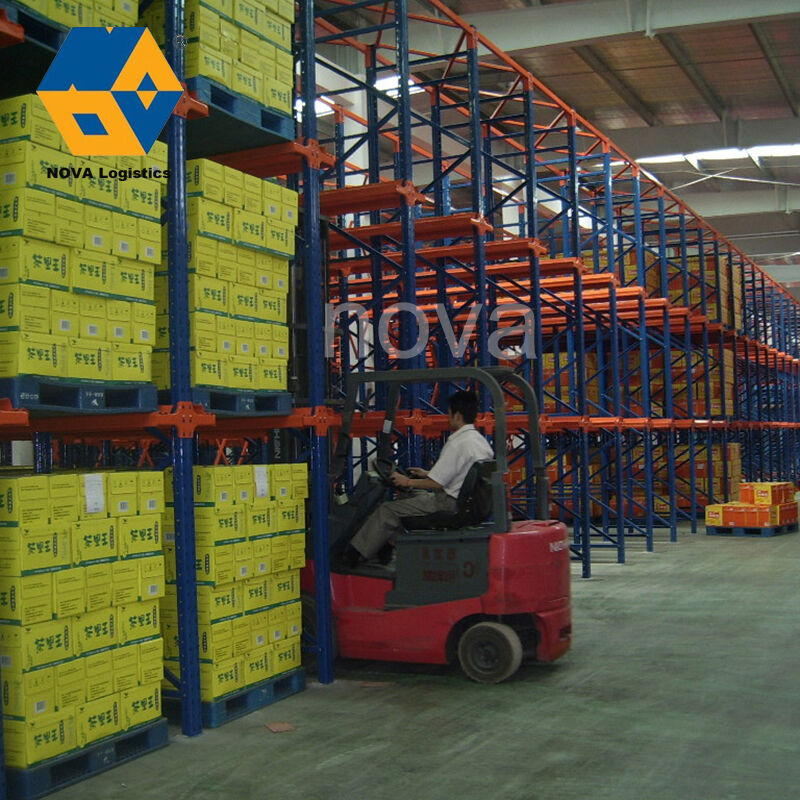
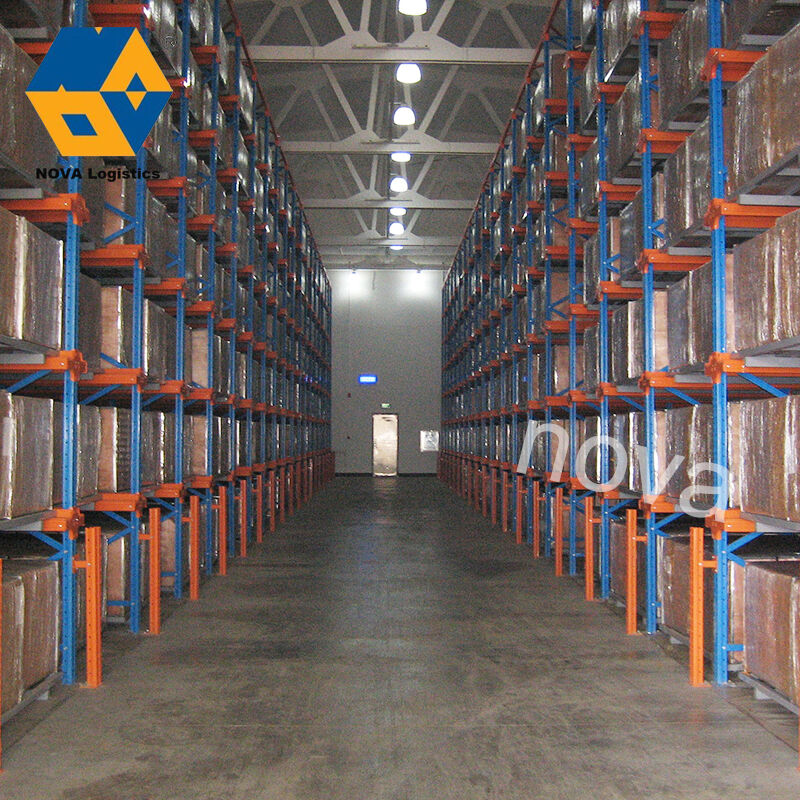
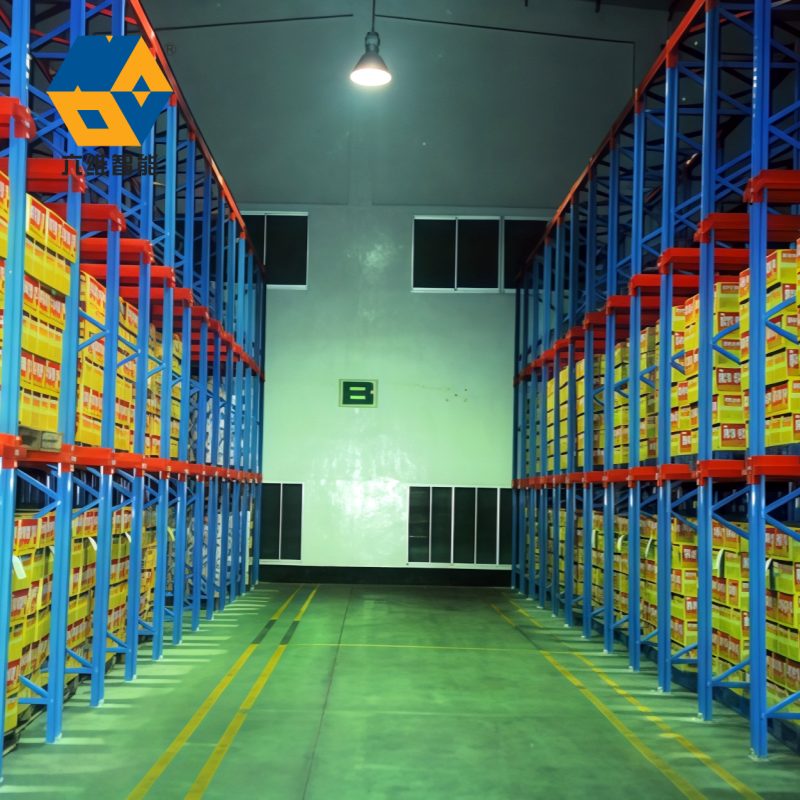
Drive in storage racks represent an innovative warehousing solution designed to maximize storage density by allowing forklifts to drive directly into the rack structure to access pallets. This high-density storage system eliminates the need for multiple aisles, making it an ideal choice for facilities storing large quantities of similar products. The fundamental design of drive in storage racks involves creating lanes or tunnels where pallets are stored in depth, typically ranging from two to ten pallets deep depending on the specific configuration and warehouse requirements. These racks operate on a last-in-first-out principle, making them particularly suitable for operations where product rotation is not a critical concern. The structural framework consists of upright columns, horizontal rails, and top tie beams that create a stable and secure environment for pallet storage. Drive in storage racks incorporate advanced engineering principles to ensure load-bearing capacity while maintaining accessibility. The rails are positioned at specific heights to accommodate standard pallet sizes, and the entire system is designed to withstand the dynamic forces generated by forklift traffic. Modern drive in storage racks feature robust construction using high-grade steel materials that undergo rigorous quality testing to meet international safety standards. The technological features include adjustable rail heights, modular components for easy expansion, and optional accessories such as guide rails and entry protectors to minimize accidental impacts. Applications for drive in storage racks span numerous industries including food and beverage distribution, cold storage facilities, manufacturing operations, and retail distribution centers. These systems prove especially valuable in environments where space optimization directly impacts operational costs and efficiency. The configuration flexibility allows businesses to customize the rack layout according to their specific inventory characteristics, forklift equipment capabilities, and building dimensions, ensuring optimal utilization of available cubic space while maintaining safe operational practices.

New Products

Drive in storage racks deliver substantial cost savings by dramatically increasing your storage capacity within existing warehouse space. You can store up to eighty-five percent more products compared to traditional selective racking systems because these racks eliminate unnecessary aisles. This space efficiency translates directly into reduced rental costs or delayed facility expansion expenses, providing immediate financial benefits for your business. The system allows you to make better use of vertical space, storing products higher while maintaining safe access through guided forklift lanes. Your operational efficiency improves because workers can quickly locate and retrieve products stored in organized lanes dedicated to specific SKUs. The straightforward design means your team requires minimal training to operate safely within the system, reducing onboarding time for new employees. Maintenance costs remain low because the simple structure contains fewer moving parts or complex mechanisms that could require frequent repairs or replacements. You gain better inventory control for products with similar characteristics or those that move together as batches. The dense storage configuration protects products from damage by reducing the handling frequency, as items remain securely positioned on rails until retrieval becomes necessary. Your warehouse organization improves dramatically because each lane can be designated for specific product types, making inventory management more systematic and reducing picking errors. The robust construction ensures long-term durability, providing reliable service for decades with minimal upkeep requirements. You benefit from improved energy efficiency in climate-controlled environments because the reduced aisle space means less cubic volume requires heating or cooling. The modular nature allows you to start with a smaller installation and expand progressively as your business grows, avoiding large upfront capital investments. Your return on investment accelerates because the increased storage density allows you to handle more inventory without moving to a larger facility. The system adapts well to various product types and weights, accommodating different pallet sizes and load requirements through simple rail adjustments. You experience fewer product damages from forklift collisions because the guided entry system naturally directs equipment along predetermined paths. The installation process proceeds quickly with minimal disruption to ongoing operations, allowing you to implement improvements without lengthy downtime periods that affect productivity and revenue generation.

Latest News

Which Pallet Rack Designs Fit Different Warehouse Applications Best?

20

May

Which Pallet Rack Designs Fit Different Warehouse Applications Best?

Selecting the right pallet rack design is one of the most consequential decisions a warehouse manager or logistics planner can make. The wrong configuration leads to wasted vertical space, inefficient picking workflows, and even serious safety risks....
View More
How Does a Rack System Support Better Warehouse Safety Standards?

20

May

How Does a Rack System Support Better Warehouse Safety Standards?

Warehouse safety is a critical operational priority for any facility that handles significant volumes of inventory, equipment, or materials. At the center of most modern warehouse safety strategies is the rack system — a structural solution that orga...
View More
How Can a Mezzanine Improve Workflow and Storage Organization?

13

Jan

How Can a Mezzanine Improve Workflow and Storage Organization?

Modern warehouses face increasing pressure to maximize storage capacity while maintaining efficient workflow operations. A warehouse mezzanine offers an innovative solution that transforms vertical space into valuable storage and operational areas. T...
View More
What Makes Automated Storage and Retrieval Systems Ideal for Modern Warehouses?

05

Feb

What Makes Automated Storage and Retrieval Systems Ideal for Modern Warehouses?

Modern warehouses face unprecedented challenges in managing inventory efficiently while meeting growing customer demands for faster delivery times. The implementation of an automated storage and retrieval system represents a transformative solution t...
View More

Get a Free Quote

Our representative will contact you soon.
Email
Name
Company Name
Message
0/1000

drive in storage racks

Maximum Space Utilization Through Intelligent Design

Maximum Space Utilization Through Intelligent Design

Drive in storage racks revolutionize warehouse space management by implementing an intelligent design philosophy that prioritizes cubic footage optimization. Unlike conventional storage systems that require multiple aisles for forklift access, drive in storage racks consolidate pathways into single entry points serving multiple storage positions. This architectural approach transforms wasted aisle space into productive storage areas, effectively multiplying your facility's capacity without expanding its physical footprint. The system achieves this remarkable efficiency by creating deep storage lanes where pallets stack consecutively, supported by continuous rails running the entire depth of the structure. Each lane functions as an independent storage tunnel, allowing your team to dedicate specific channels to individual product lines or batch numbers. This configuration proves particularly advantageous for businesses managing large quantities of homogeneous inventory, such as seasonal products, bulk commodities, or items with extended shelf lives. The vertical dimension receives equal attention in the design, with rack heights customizable to match your building's clear height specifications. By stacking products upward through multiple levels, you leverage gravitational stability while maintaining accessibility through standard forklift equipment. The engineering behind drive in storage racks accounts for load distribution patterns, ensuring that weight transfers safely through the rail system to the floor without creating stress concentrations that could compromise structural integrity. Modern installations incorporate computer-aided design tools that calculate optimal lane depths based on your specific product mix, forklift capabilities, and operational workflow patterns. This scientific approach eliminates guesswork and ensures your investment delivers maximum spatial efficiency. The resulting storage density often achieves ratios impossible with other racking systems, particularly when dealing with products that move in predictable patterns or complete batches. Businesses operating in expensive real estate markets find this space multiplication especially valuable, as it defers or eliminates costly facility expansions while accommodating inventory growth. The compact footprint also reduces ancillary costs associated with lighting, climate control, and facility maintenance, creating a cascading series of economic benefits that extend well beyond the initial storage capacity improvements.
Enhanced Operational Safety and Product Protection

Enhanced Operational Safety and Product Protection

Safety considerations form the cornerstone of drive in storage racks engineering, with multiple protective features integrated throughout the system to safeguard both personnel and inventory. The guided entry design naturally channels forklift traffic along predetermined paths, significantly reducing the risk of collisions with structural components or stored products. Heavy-duty guide rails installed at ground level provide tactile feedback to operators, helping them maintain proper alignment as they navigate into storage lanes. These guides prevent accidental contact with upright columns, which represent the most critical structural elements requiring protection from impact damage. The rail system supporting pallets incorporates safety factors exceeding standard requirements, ensuring that even if a forklift momentarily places uneven weight during deposit or retrieval operations, the structure maintains stability without deflection or failure. Upper frame levels include horizontal and diagonal bracing that creates a rigid box structure, preventing rack sway and maintaining precise vertical alignment of all components. This stability proves essential when forklifts operate at height, as any structural movement could create dangerous conditions for operators working elevated loads. Product protection benefits from the reduced handling frequency inherent in drive in storage racks configurations. Once positioned within a lane, pallets remain undisturbed until the retrieval sequence reaches their position, minimizing opportunities for accidental damage from repeated forklift interactions. The continuous rail support system distributes pallet weight across a larger contact area compared to traditional beam levels, reducing pressure points that could damage packaging or product bases. Optional accessories such as rear entry protectors, column guards, and rail reinforcements provide additional layers of protection in high-traffic areas or facilities with less experienced operators. The visual organization created by dedicated product lanes simplifies inventory verification and reduces errors that could lead to incorrect shipments or misplaced goods. Clear lane identification through signage and floor markings helps operators quickly locate required products while maintaining awareness of surrounding structures and safety zones. Regular inspection protocols become more straightforward because the repetitive structural pattern allows trained personnel to quickly identify any deviations from normal conditions, such as bent rails, displaced bracing, or damaged uprights requiring immediate attention before they escalate into serious safety concerns.
Flexible Scalability and Future-Ready Investment

Flexible Scalability and Future-Ready Investment

Drive in storage racks represent a forward-thinking investment that grows alongside your business through inherent scalability and adaptable configuration options. The modular construction methodology allows you to begin with a foundational installation addressing current requirements while preserving the ability to expand seamlessly as inventory volumes increase or product lines diversify. Individual rack sections connect through standardized joining methods, enabling horizontal expansion that extends existing lanes or adds entirely new storage channels without disrupting operational areas already in service. Vertical expansion opportunities exist where building height permits, with additional levels integrated into existing structures through engineered modifications that maintain safety standards and load-bearing specifications. This incremental growth capability protects your capital investment by eliminating the need for complete system replacements when business conditions change. The flexibility extends to configuration adjustments that accommodate shifting inventory characteristics over time. Rail positions adjust to different heights, allowing the same physical structure to store various pallet sizes or product heights as your merchandise mix evolves. Lane depths modify through addition or removal of rail sections, providing options to balance storage density against accessibility requirements based on product velocity changes. Businesses experiencing seasonal fluctuations benefit from this adaptability, reconfiguring sections temporarily for peak periods then returning to standard layouts during slower cycles. The universal design principles underlying drive in storage racks ensure compatibility with standard material handling equipment, eliminating concerns about specialized forklift requirements that could limit operational flexibility or increase equipment costs. Your existing fleet typically integrates seamlessly, though guidance systems and operator training optimize performance within the confined lane environments. Technology integration opportunities continue emerging as warehouse automation advances, with drive in storage racks serving as compatible foundations for semi-automated retrieval systems, inventory tracking sensors, and warehouse management software interfaces. Future-proofing extends to the durable construction quality that withstands decades of service while maintaining structural integrity and safety compliance. The simple mechanical design avoids dependence on proprietary components or obsolete technologies that could complicate maintenance and replacement part sourcing years after installation. This longevity ensures your investment continues delivering value throughout extended service life, providing reliable storage infrastructure that supports business growth without imposing constraints on operational evolution or strategic pivots into new market segments requiring different inventory management approaches.

Get a Free Quote

Our representative will contact you soon.
Email
Name
Company Name
Message
0/1000

Get a Free Quote

Our representative will contact you soon.
Email
Name
Company Name
Message
0/1000