Warehouse Pallet Automation Solutions: Advanced Systems for Modern Distribution Centers

All Categories

Get a Free Quote

Our representative will contact you soon.
Email
Name
Company Name
Message
0/1000

warehouse pallet automation

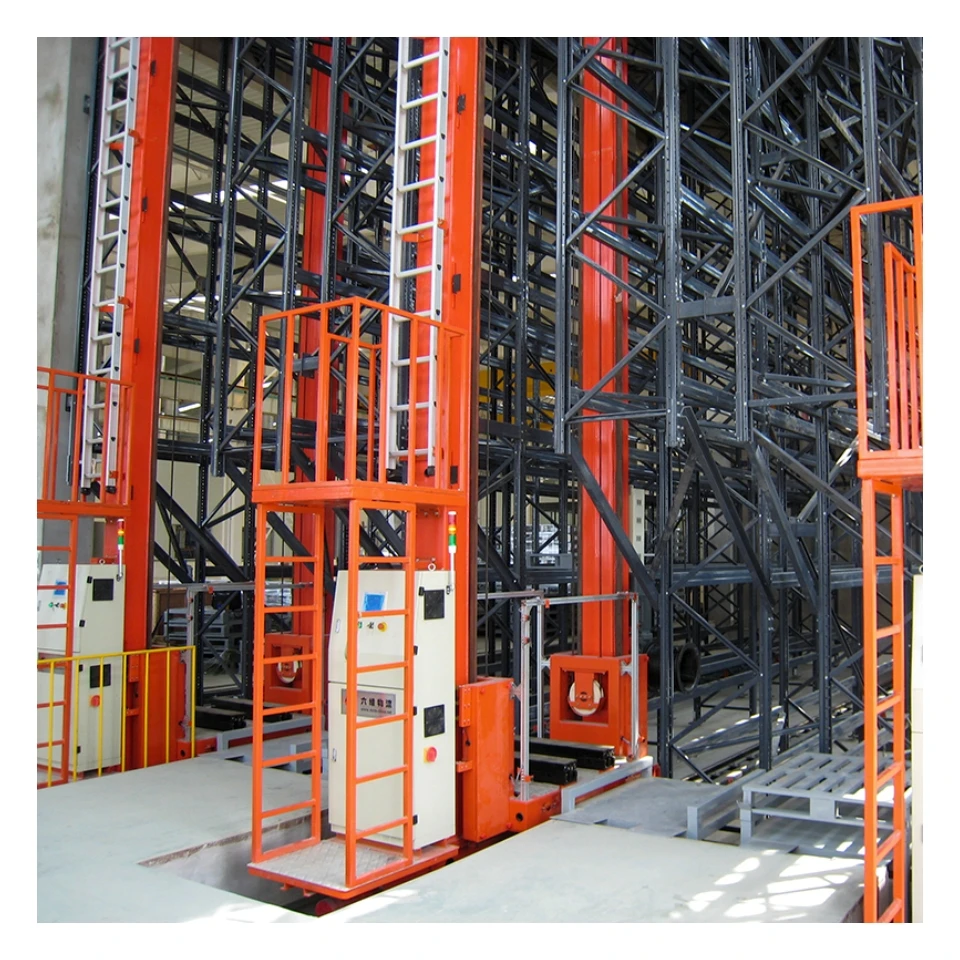
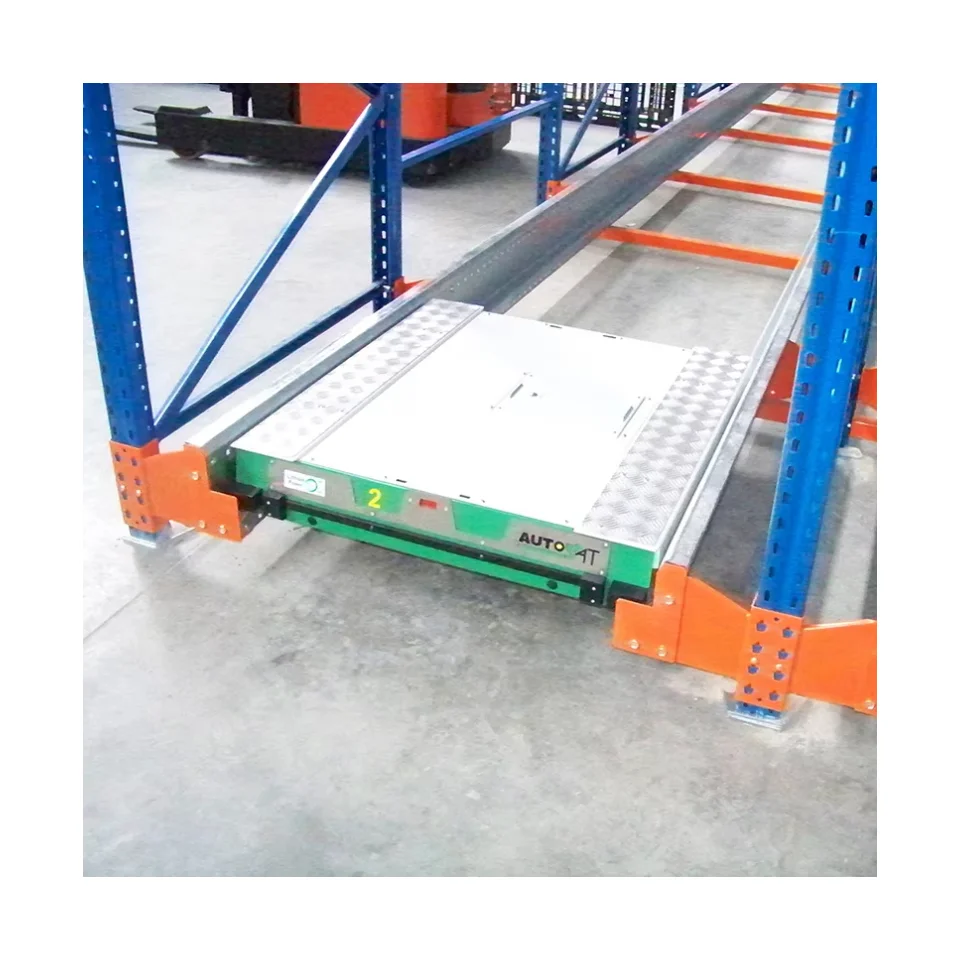
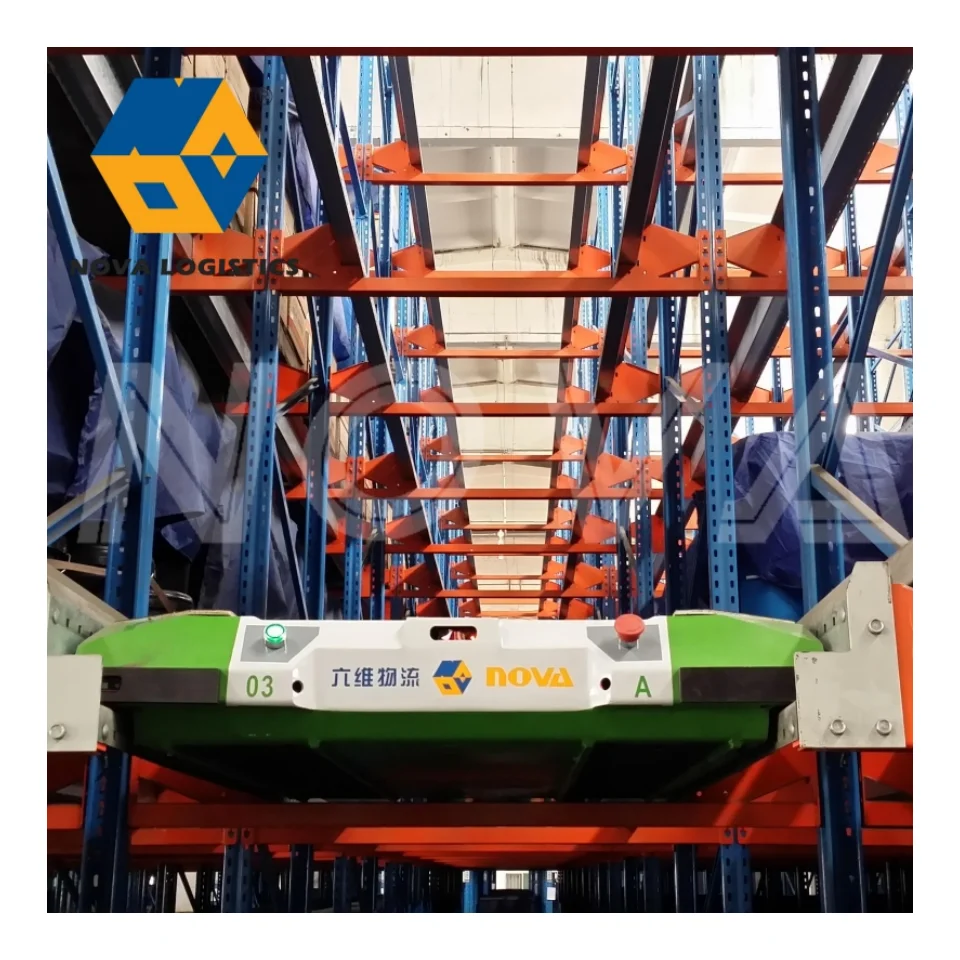
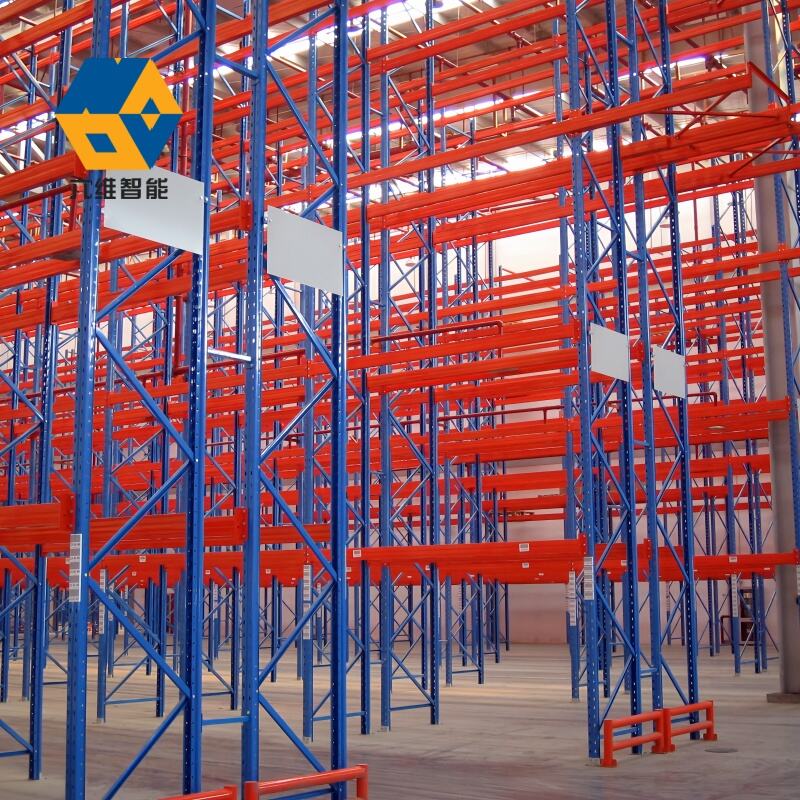
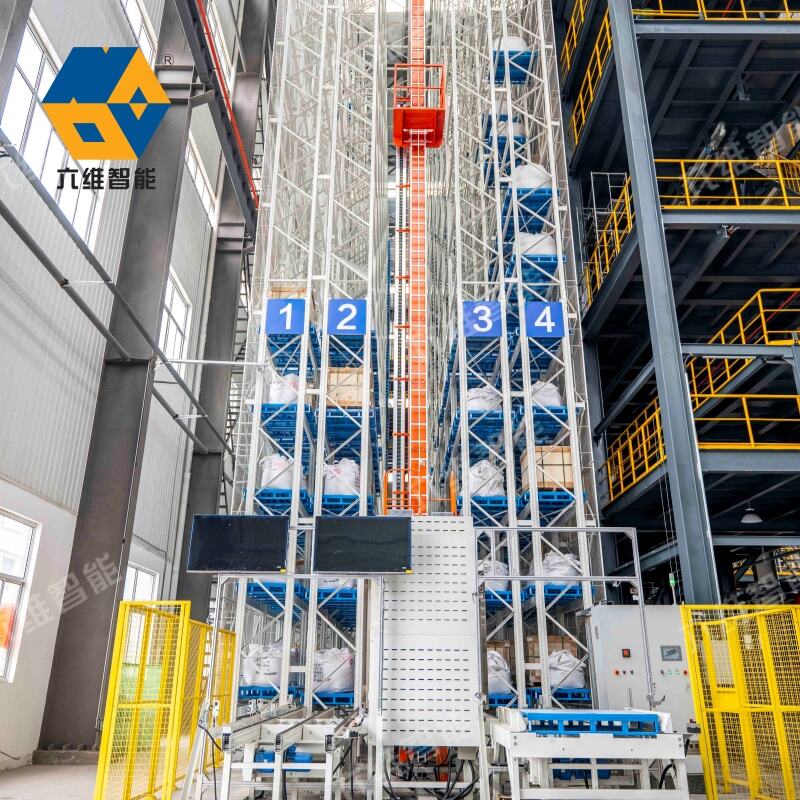
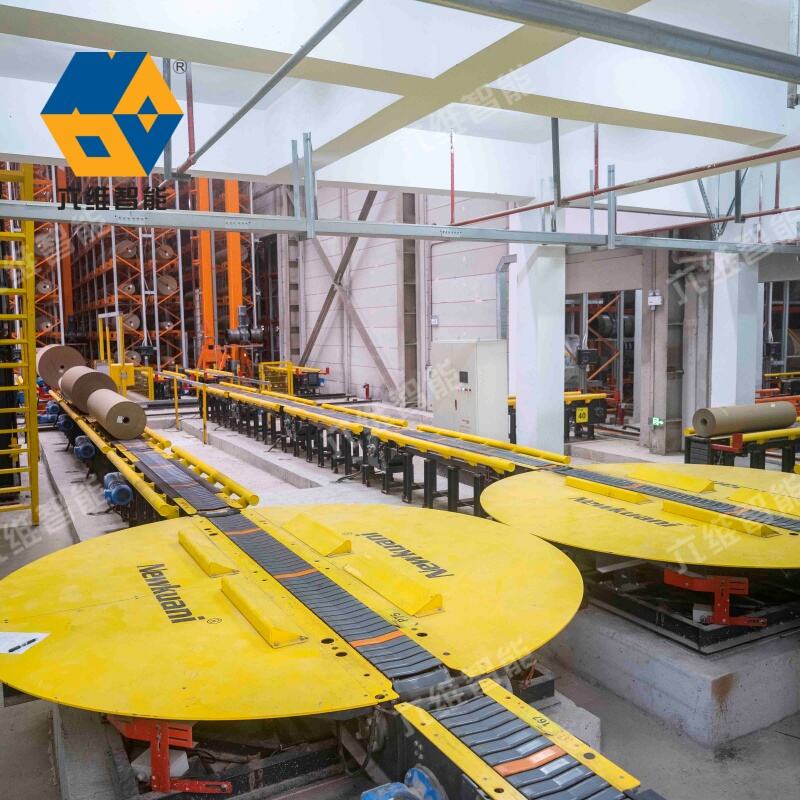
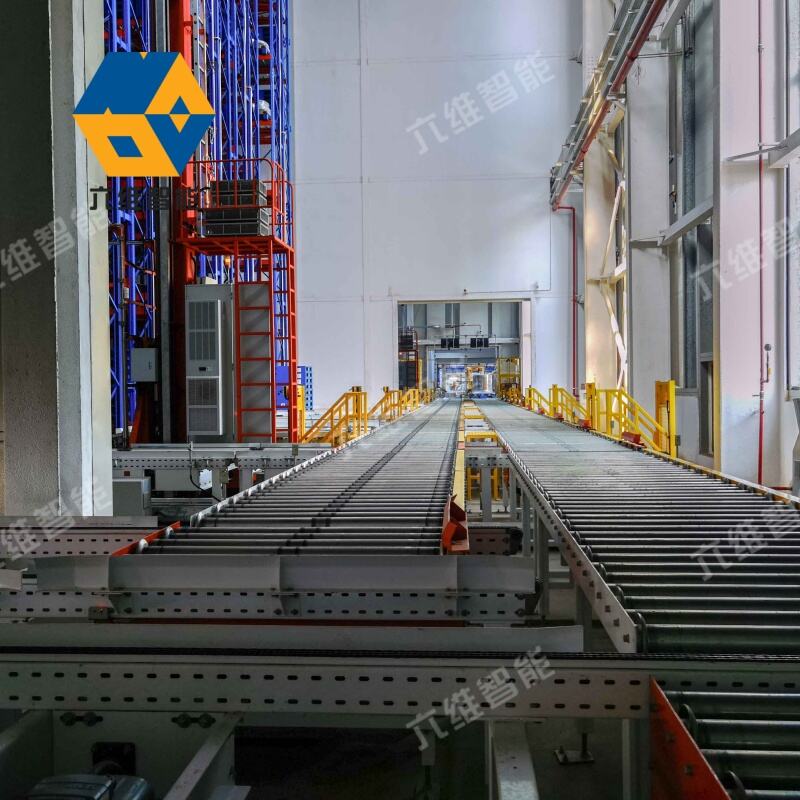
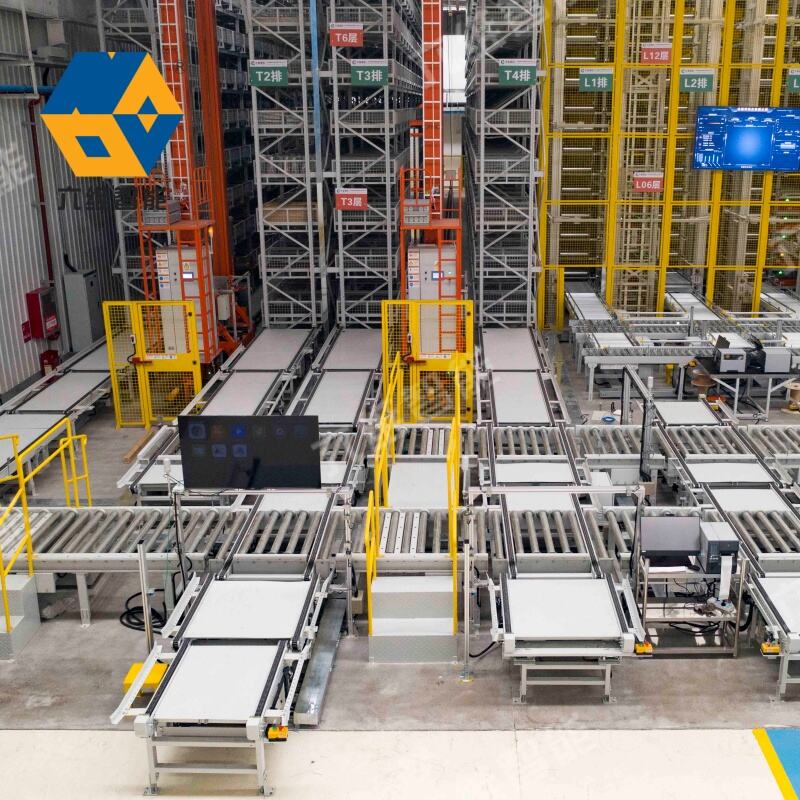
Warehouse pallet automation represents a transformative approach to modern logistics and distribution center operations, fundamentally changing how businesses handle materials throughout their supply chain. This sophisticated technology integrates automated guided vehicles, robotic systems, conveyor networks, and intelligent software platforms to move, store, and retrieve palletized goods without constant human intervention. The main functions of warehouse pallet automation encompass receiving incoming pallets, transporting them to designated storage locations, organizing inventory systematically, retrieving items when orders are placed, and preparing shipments for outbound delivery. The system operates through a central management platform that coordinates all activities, tracks inventory in real-time, and optimizes storage space utilization. Technological features include advanced sensor arrays that detect pallet dimensions and weight, machine vision systems that read barcodes and labels automatically, and artificial intelligence algorithms that determine optimal storage locations based on product velocity and accessibility requirements. These systems employ various handling mechanisms such as automated stacker cranes, shuttle systems that operate within high-density racking structures, and autonomous mobile robots that navigate warehouse floors independently. The applications of warehouse pallet automation span numerous industries including retail distribution, food and beverage processing, pharmaceutical manufacturing, automotive parts supply, and e-commerce fulfillment. Companies implement these solutions to manage high-volume operations where thousands of pallets move daily, facilities experiencing rapid growth requiring scalable infrastructure, and businesses seeking to reduce operational costs while improving accuracy. The technology adapts to different warehouse configurations, from small distribution centers handling several hundred pallets to massive facilities managing tens of thousands of storage positions across multiple levels and zones.

New Products

Implementing warehouse pallet automation delivers substantial practical benefits that directly impact your bottom line and operational efficiency. First and foremost, these systems dramatically increase productivity by operating continuously without breaks, enabling your facility to process significantly more pallets per shift compared to manual operations. Your warehouse can handle peak demand periods without hiring temporary workers or paying overtime wages, providing flexibility that traditional labor models cannot match. The automation reduces physical strain on your workforce, allowing employees to focus on supervisory roles and value-added tasks rather than repetitive lifting and driving equipment for hours each day. This shift improves workplace safety considerably, as automated systems eliminate the most common causes of warehouse injuries including forklift accidents, repetitive strain injuries, and falls from elevated surfaces. You will notice immediate improvements in inventory accuracy, as automated systems track every pallet movement precisely and update records instantly, eliminating the human errors that plague manual data entry and barcode scanning. This precision translates directly to better customer service, as you can promise delivery dates confidently and fulfill orders correctly the first time. Your storage capacity expands dramatically because automated systems can stack pallets higher and organize space more densely than traditional methods, often increasing capacity by thirty to forty percent within the same building footprint. The technology reduces energy consumption through optimized routing that minimizes unnecessary travel and lighting systems that illuminate only active work zones. You gain valuable operational insights through the data these systems generate, revealing patterns about product movement, identifying bottlenecks, and highlighting opportunities for further efficiency gains. Financial benefits extend beyond labor savings to include reduced product damage from careful automated handling, lower insurance premiums due to improved safety records, and decreased inventory holding costs through faster turnover. The systems scale easily as your business grows, accommodating additional pallets, expanded product lines, and new facility sections without major operational disruptions. Your competitive position strengthens as faster processing times and reliable accuracy attract customers who value dependable service. The automation also helps address labor shortages that challenge many regions, making your operations less vulnerable to workforce availability fluctuations while providing existing employees with more engaging and less physically demanding roles that improve retention and job satisfaction.

Practical Tips

How Does a Rack System Support Better Warehouse Safety Standards?

20

May

How Does a Rack System Support Better Warehouse Safety Standards?

Warehouse safety is a critical operational priority for any facility that handles significant volumes of inventory, equipment, or materials. At the center of most modern warehouse safety strategies is the rack system — a structural solution that orga...
View More
How Does Automation Transform Storage and Retrieval Processes?

05

Feb

How Does Automation Transform Storage and Retrieval Processes?

Modern warehouses and distribution centers are experiencing a revolutionary transformation through advanced technology solutions that streamline operations and maximize efficiency. The implementation of sophisticated automated storage and retrieval s...
View More
Maintenance Tips for Long-Lasting Heavy Duty Pallet Racks

16

Mar

Maintenance Tips for Long-Lasting Heavy Duty Pallet Racks

Industrial warehouses rely heavily on robust storage solutions to maintain efficient operations and maximize space utilization. Heavy duty pallet racks form the backbone of modern warehouse infrastructure, supporting thousands of pounds of inventory ...
View More
What Are Essential Safety Tips for Installing a Steel Platform?

16

Mar

What Are Essential Safety Tips for Installing a Steel Platform?

Industrial facilities worldwide rely on steel platforms to maximize vertical storage space and improve operational efficiency. These robust structures serve as elevated work areas, storage solutions, and access points in warehouses, manufacturing pla...
View More

Get a Free Quote

Our representative will contact you soon.
Email
Name
Company Name
Message
0/1000

warehouse pallet automation

Transformative Space Optimization and Storage Density Enhancement

Transformative Space Optimization and Storage Density Enhancement

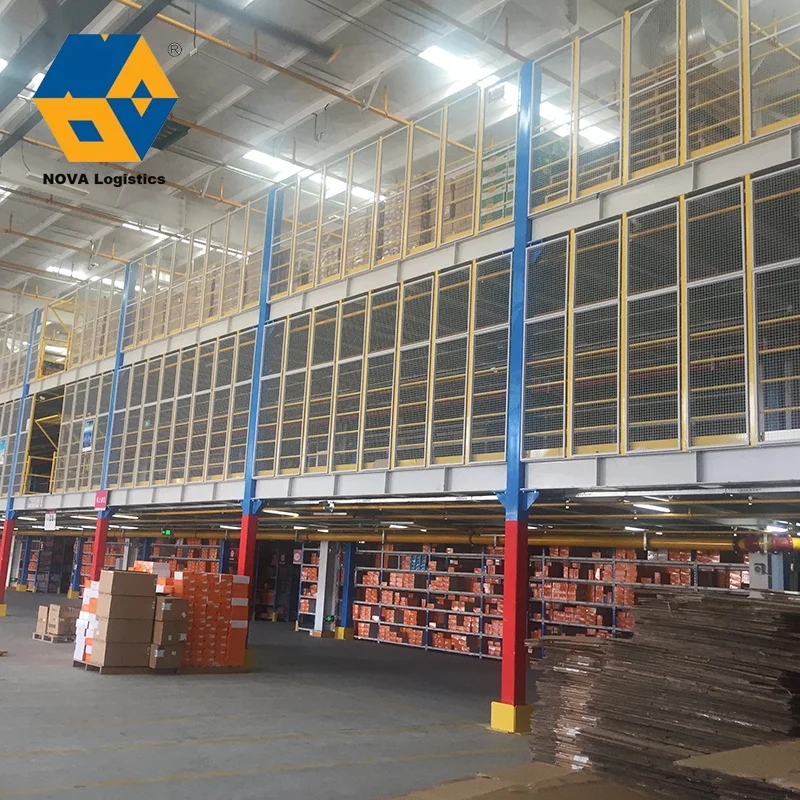
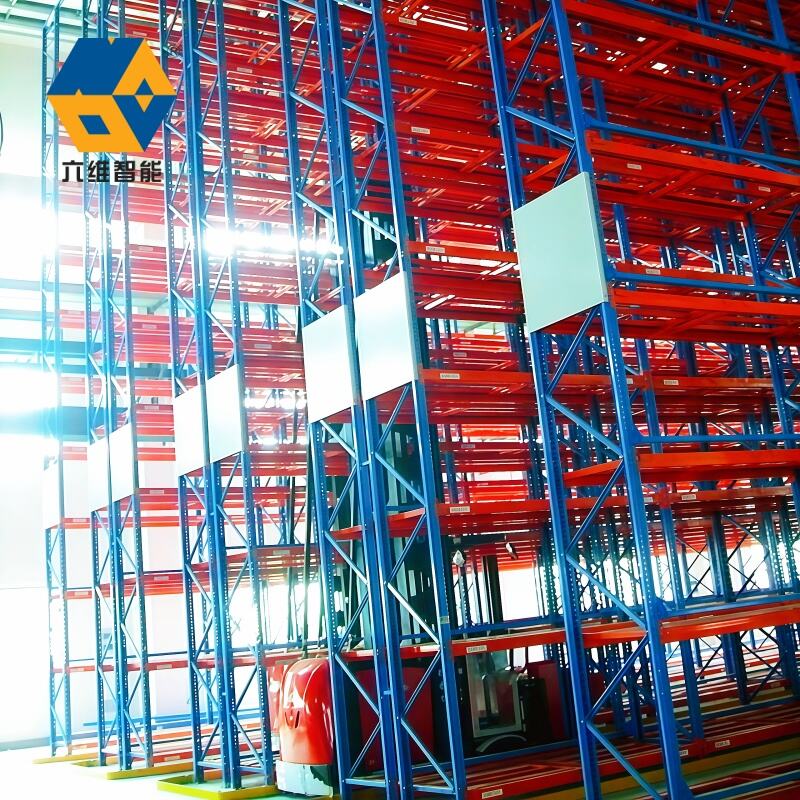
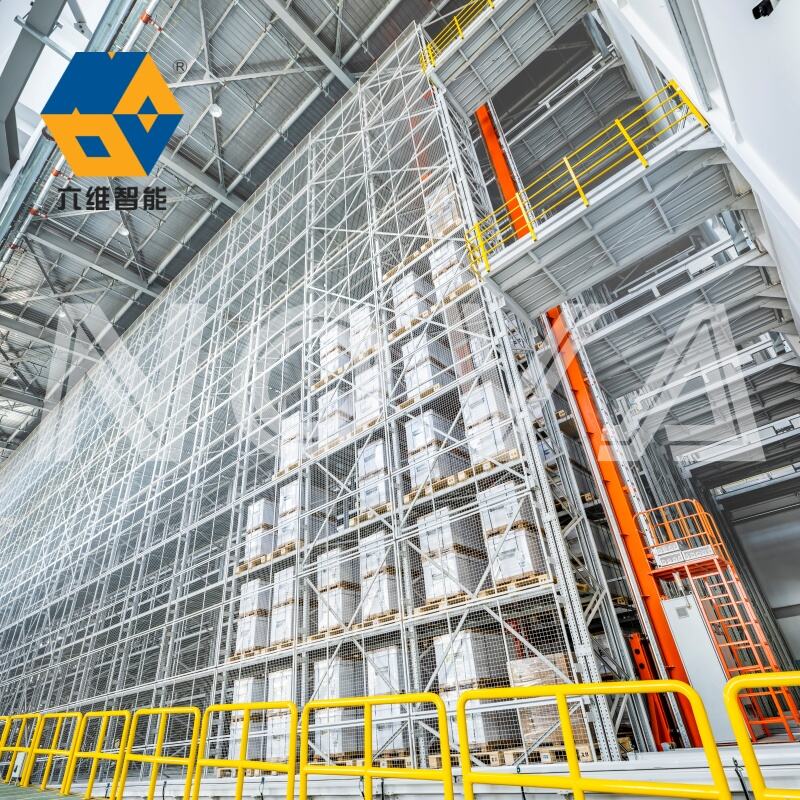
One of the most compelling advantages of warehouse pallet automation lies in its ability to revolutionize how you utilize every square foot of your facility. Traditional warehouse operations constrain storage density because human-operated equipment requires wide aisles for maneuvering, substantial clearance heights for safety, and accessible locations for workers to reach products efficiently. Warehouse pallet automation eliminates these limitations through precision-engineered systems that maximize vertical space and minimize aisle widths to just inches beyond pallet dimensions. Automated stacker cranes and shuttle systems operate in extremely narrow aisles with millimeter-level accuracy, safely stacking pallets to heights that would be impossible with conventional forklifts. This capability often allows businesses to double or even triple their storage capacity without expanding their building footprint, delivering enormous value in markets where real estate costs represent a significant operational expense. The financial implications extend beyond avoiding construction costs to include reduced heating and cooling expenses for smaller spaces, lower property taxes, and decreased maintenance requirements. The intelligent software managing warehouse pallet automation constantly optimizes storage locations based on product characteristics, order frequency, and seasonal demand patterns, ensuring fast-moving items occupy the most accessible positions while slower inventory utilizes higher or deeper storage areas. This dynamic allocation maintains operational efficiency as your product mix evolves, something static storage systems cannot achieve. The increased density also supports better inventory rotation practices, particularly crucial for perishable goods or products with expiration dates, as the system can automatically implement first-in-first-out protocols across thousands of storage positions simultaneously. Your warehouse becomes more adaptable to business changes, accommodating new product lines or seasonal inventory fluctuations without requiring physical reconfigurations that disrupt operations. The space efficiency extends to staging areas and loading docks, where automated systems can buffer pallets in compact arrangements rather than spreading them across large floor areas, freeing space for other value-generating activities and improving overall facility workflow.
Unprecedented Operational Consistency and Performance Reliability

Unprecedented Operational Consistency and Performance Reliability

Warehouse pallet automation delivers remarkable consistency that human-operated systems simply cannot match, creating a foundation of reliability that transforms your operational planning and customer commitments. Unlike manual processes where performance varies based on worker experience, fatigue levels, shift changes, and seasonal staffing challenges, automated systems maintain identical precision and speed twenty-four hours daily throughout the year. This consistency means you can accurately predict throughput rates, confidently commit to delivery schedules, and plan downstream operations with certainty that upstream processes will perform as expected. The reliability extends to inventory accuracy, where automated tracking achieves precision levels exceeding ninety-nine percent compared to the ninety-five percent or lower typical of manual systems, eliminating the costly discrepancies that force emergency shipments, disappoint customers, and require time-consuming cycle counting efforts. Your warehouse pallet automation system processes every transaction identically, following programmed protocols that ensure compliance with standard operating procedures without the variations that occur when different workers interpret instructions differently. This standardization proves particularly valuable for businesses managing multiple facilities, as automated sites operate with identical processes, generating comparable metrics and allowing centralized management to implement improvements systematically across the network. The technology also provides predictable maintenance windows, as systems monitor their own performance and alert managers to developing issues before failures occur, contrasting sharply with manual equipment where unexpected breakdowns disrupt operations unpredictably. The consistent performance enables lean inventory practices, as reliable throughput reduces the safety stock buffers needed to compensate for operational variability, freeing working capital while maintaining service levels. Your ability to take on new business improves dramatically, as you can demonstrate to potential customers the verifiable performance records that automated systems generate, differentiating your capabilities from competitors who cannot offer the same reliability guarantees. The consistency also enhances employee satisfaction, as workers no longer face the stress of trying to meet unrealistic expectations during understaffed shifts or dealing with the chaos that erupts when manual processes fall behind schedule.
Advanced Intelligence and Continuous Optimization Capabilities

Advanced Intelligence and Continuous Optimization Capabilities

The sophisticated software ecosystem that powers warehouse pallet automation represents an often-underestimated advantage that delivers compounding benefits as your operations mature. Modern warehouse pallet automation systems function as intelligent platforms that learn from every transaction, continuously refining their decision-making algorithms to improve performance without human intervention. The system analyzes historical patterns to predict future demand, positioning inventory proactively so that frequently ordered combinations of products cluster in adjacent locations, reducing retrieval times and accelerating order fulfillment. This predictive capability extends to maintenance scheduling, where machine learning algorithms detect subtle performance degradations that indicate impending component failures, allowing replacement during planned downtime rather than experiencing costly emergency repairs. Your warehouse pallet automation platform integrates seamlessly with enterprise resource planning systems, warehouse management software, and transportation management platforms, creating an information ecosystem where data flows automatically between systems, eliminating manual data transfers and the errors they introduce. The intelligence extends to energy management, where the system optimizes equipment activation patterns to minimize electricity consumption during peak-rate periods while ensuring performance targets remain met. You gain visibility into operational details that were previously invisible, as the system tracks metrics such as travel distances, dwell times, throughput rates by product category, and space utilization patterns, presenting this information through intuitive dashboards that highlight opportunities for improvement. The automation enables sophisticated inventory strategies such as dynamic slotting that continuously reorganizes storage locations based on real-time demand signals rather than periodic manual reviews. Your ability to test operational changes improves dramatically through simulation capabilities that model proposed modifications before implementation, reducing the risks associated with process improvements and accelerating your continuous improvement initiatives. The system adapts to seasonal patterns automatically, adjusting parameters such as buffer zones and retrieval sequences to match changing demand profiles without requiring manual reconfiguration. This intelligence transforms warehouse pallet automation from a simple mechanical replacement for manual labor into a strategic asset that enhances decision-making throughout your organization, providing supply chain leaders with the insights needed to optimize broader logistics networks and respond proactively to market changes.

Get a Free Quote

Our representative will contact you soon.
Email
Name
Company Name
Message
0/1000

Get a Free Quote

Our representative will contact you soon.
Email
Name
Company Name
Message
0/1000