Drive In Racks Warehouse Solutions - Maximize Storage Space & Efficiency

All Categories

Get a Free Quote

Our representative will contact you soon.
Email
Name
Company Name
Message
0/1000

drive in racks warehouse

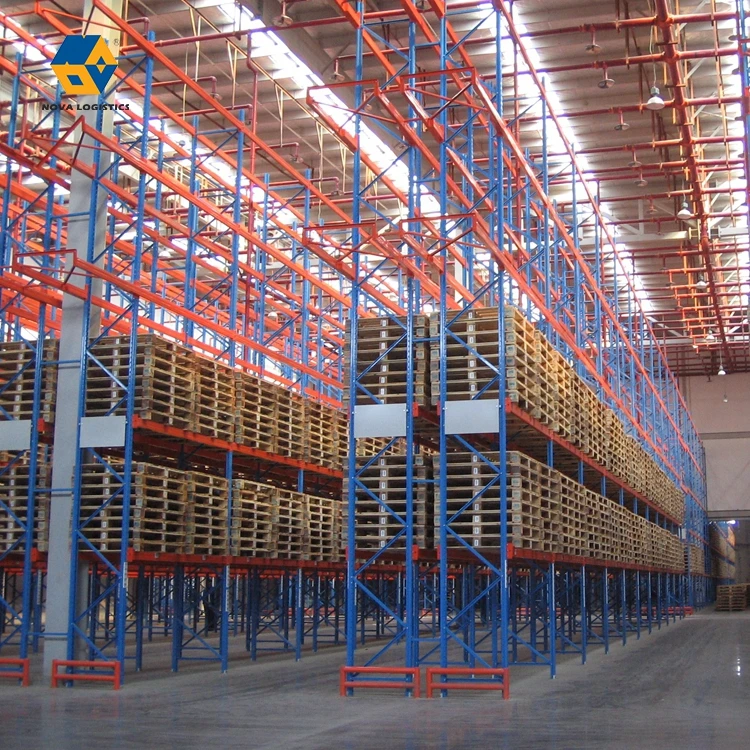
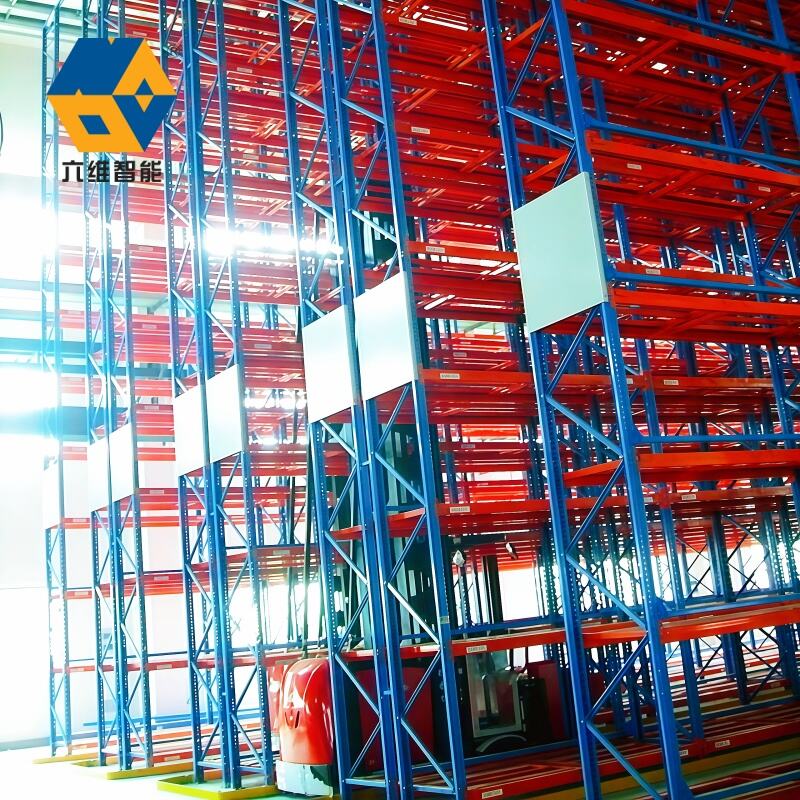
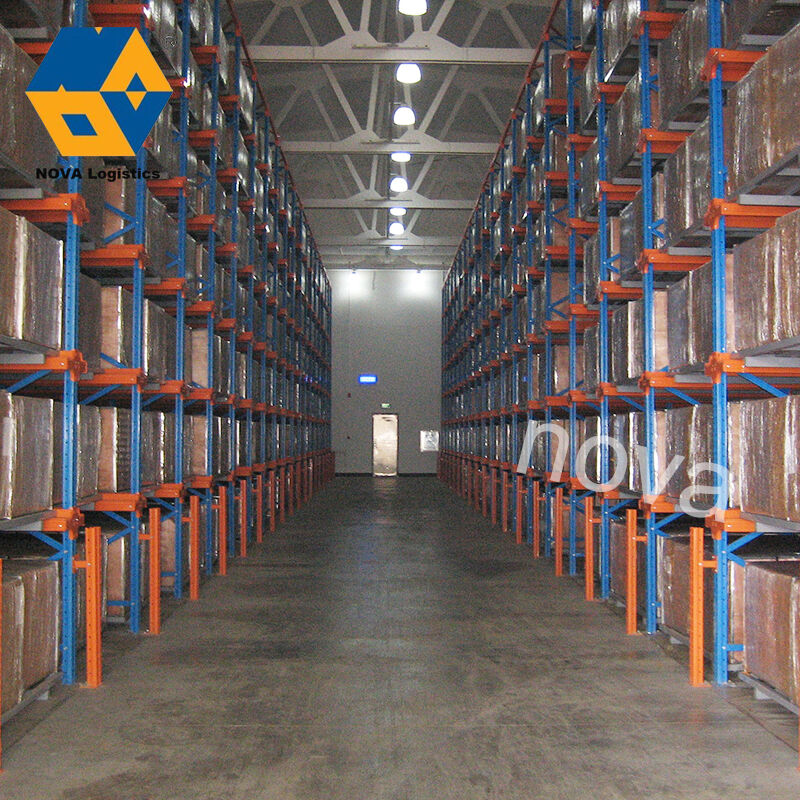
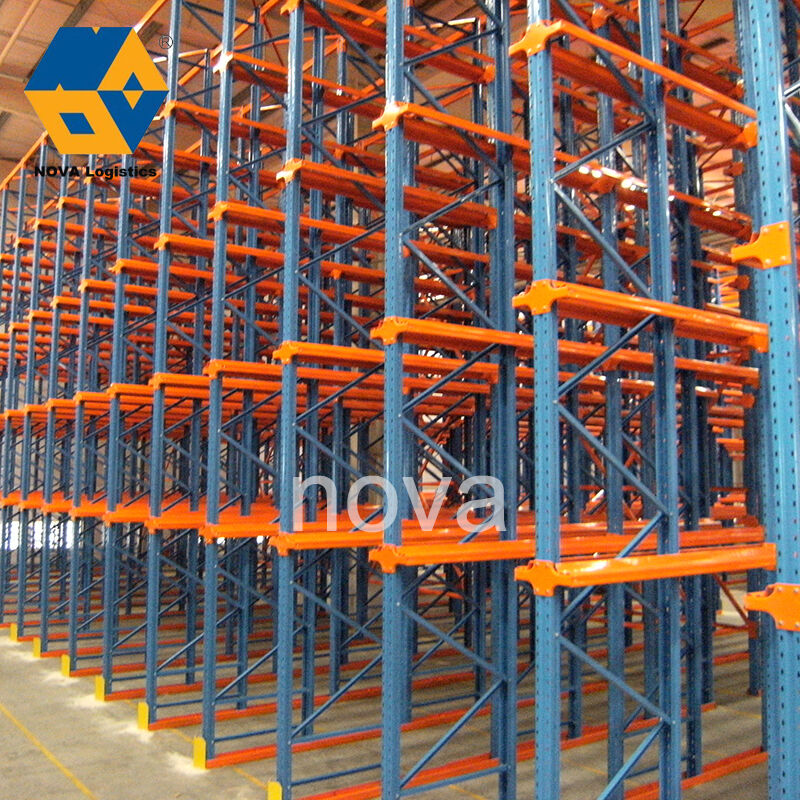
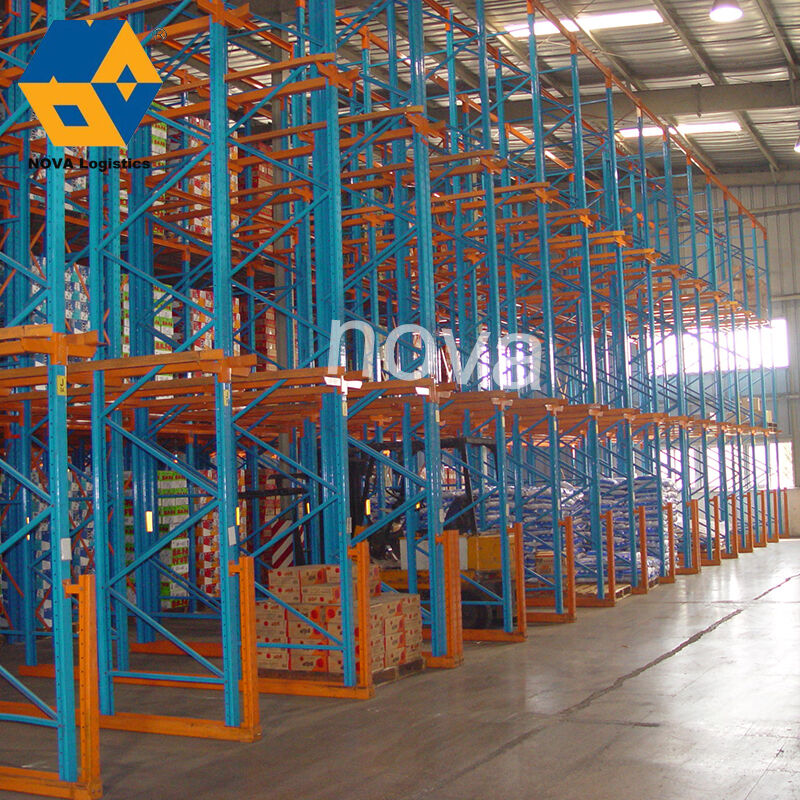
A drive in racks warehouse represents a sophisticated high-density storage solution designed to maximize available space by eliminating unnecessary aisles between rack structures. This innovative warehousing system allows forklifts to drive directly into the rack lanes to load and store pallets at multiple depth levels, creating a highly efficient storage configuration. The drive in racks warehouse operates on a Last-In-First-Out principle, making it particularly suitable for storing large quantities of homogeneous products with lower SKU diversity. The main functions of this system include optimizing vertical and horizontal space utilization, reducing operational footprint requirements, and providing systematic organization for bulk inventory management. The technological features incorporate robust structural engineering with heavy-duty steel construction, reinforced guide rails that ensure safe forklift navigation, and adjustable beam levels to accommodate various pallet heights. The framework typically includes entry rails, top ties, bracing systems, and floor-mounted anchors that guarantee structural stability even when loaded to maximum capacity. Modern drive in racks warehouse installations often integrate with warehouse management systems to track inventory positions and optimize retrieval sequences. Applications span numerous industries including food and beverage distribution, cold storage facilities, manufacturing operations, retail distribution centers, and pharmaceutical warehousing. The system proves especially valuable in temperature-controlled environments where space efficiency directly impacts operational costs. Companies dealing with seasonal products, non-perishable goods, or items with extended shelf life find this configuration particularly advantageous. The drive in racks warehouse accommodates standard pallet sizes while offering customization options to meet specific dimensional requirements, weight capacities, and operational workflows that align with diverse business needs across multiple sectors.

Popular Products

The drive in racks warehouse delivers substantial space savings compared to conventional selective racking systems, typically increasing storage capacity by forty to fifty percent within the same footprint. This dramatic improvement occurs because the design eliminates most aisle space, allowing businesses to store more inventory without expanding their facility or relocating to larger premises. Financial benefits extend beyond real estate savings, as companies reduce construction costs, lower heating and cooling expenses in climate-controlled environments, and minimize property taxes associated with warehouse square footage. The system simplifies inventory management for businesses handling large volumes of identical products, streamlining the receiving and retrieval processes. Workers can load multiple pallets in sequence without repositioning equipment between each placement, significantly reducing handling time and labor costs. The structural integrity of these systems supports heavy loads safely, with weight capacities often ranging from two thousand to four thousand pounds per pallet position, ensuring secure storage for diverse product types. Installation flexibility allows businesses to configure the drive in racks warehouse according to specific operational requirements, choosing lane depths, height configurations, and access patterns that align with their workflow. The robust construction using premium-grade steel provides longevity and durability, offering reliable performance for decades with minimal maintenance requirements. Businesses experience improved inventory turnover for products with consistent demand patterns, as the system facilitates bulk storage and systematic retrieval. The configuration protects stored goods from damage by providing defined storage locations with protective rails that guide forklift movement and prevent accidental collisions. Companies operating in expensive real estate markets gain competitive advantages by maximizing their existing space rather than incurring relocation expenses. The drive in racks warehouse adapts well to various forklift types and sizes, accommodating different operational equipment without requiring specialized machinery. Energy efficiency improves in refrigerated warehouses because the reduced aisle space means less cubic volume to cool or heat, resulting in lower utility bills and environmental impact. The system scales effectively as businesses grow, allowing phased expansion by adding lanes or extending existing configurations. Product consolidation becomes easier when similar items occupy dedicated lanes, reducing picking errors and improving order accuracy. The straightforward design means staff training requirements remain minimal, enabling workers to master the system quickly and maintain productivity during implementation periods.

Latest News

How Do You Choose the Right Longspan Rack for Changing Inventory Types?

13

Jan

How Do You Choose the Right Longspan Rack for Changing Inventory Types?

Modern warehouses face constant challenges in adapting their storage systems to accommodate varying inventory types and fluctuating stock levels. A longspan rack system offers the versatility and adaptability needed to handle these dynamic requiremen...
View More
How Automated Storage and Retrieval Systems Enhance Inventory Accuracy

05

Feb

How Automated Storage and Retrieval Systems Enhance Inventory Accuracy

Modern warehouses face unprecedented challenges in maintaining accurate inventory levels while managing increasing order volumes and customer expectations. Traditional manual tracking methods have become insufficient for businesses seeking competitiv...
View More
How Can Automated Storage Systems Boost Supply Chain Performance?

05

Feb

How Can Automated Storage Systems Boost Supply Chain Performance?

Modern supply chains face unprecedented challenges in managing inventory, reducing costs, and maintaining operational efficiency. Companies worldwide are turning to advanced warehouse automation technologies to address these growing demands. An autom...
View More
Maintenance Tips for Long-Lasting Heavy Duty Pallet Racks

16

Mar

Maintenance Tips for Long-Lasting Heavy Duty Pallet Racks

Industrial warehouses rely heavily on robust storage solutions to maintain efficient operations and maximize space utilization. Heavy duty pallet racks form the backbone of modern warehouse infrastructure, supporting thousands of pounds of inventory ...
View More

Get a Free Quote

Our representative will contact you soon.
Email
Name
Company Name
Message
0/1000

drive in racks warehouse

Maximum Space Utilization Through Intelligent Design

Maximum Space Utilization Through Intelligent Design

The drive in racks warehouse revolutionizes storage efficiency through its intelligent structural design that prioritizes maximum space utilization without compromising accessibility or safety. Unlike traditional racking systems that require aisles between every row, this configuration consolidates storage into continuous blocks where forklifts drive directly into the rack structure. This fundamental design principle eliminates seventy-five percent of typical aisle space, transforming previously wasted floor area into productive storage capacity. Businesses operating in high-cost facilities or regions with premium real estate prices discover immediate value through this space optimization. The vertical dimension receives equal attention, with systems typically ranging from sixteen to thirty-five feet in height, effectively utilizing the full cubic volume of the warehouse. Adjustable beam levels accommodate various product heights while maintaining structural integrity and load-bearing capacity throughout the framework. The engineering behind these systems incorporates precise calculations for weight distribution, ensuring safe operation even at maximum capacity across all levels. Entry guides and rail systems direct forklift operators along predetermined paths, preventing accidental impacts that could compromise structural stability. The space savings translate directly into cost reductions across multiple operational areas including reduced facility leasing or ownership expenses, lower insurance premiums based on facility size, decreased climate control costs in temperature-sensitive environments, and minimized lighting requirements due to fewer aisles. Companies handling seasonal inventory fluctuations benefit particularly from this design, as the system accommodates high-volume storage during peak periods without requiring temporary overflow facilities. The configuration proves equally effective for businesses with steady, predictable inventory levels who want to minimize their physical footprint while maintaining adequate stock levels. Distribution centers serving retail networks find the density particularly valuable for storing promotional items or products awaiting deployment to multiple locations. The intelligent design extends to customization options that address specific operational challenges, including variable lane depths to accommodate different inventory turnover rates, integration points for automated retrieval systems, and compatibility with various pallet types and dimensions commonly used across different industries and geographic regions.
Enhanced Operational Efficiency and Cost Reduction

Enhanced Operational Efficiency and Cost Reduction

The drive in racks warehouse transforms operational workflows by streamlining material handling processes and reducing the time and labor required for storage and retrieval activities. Forklift operators complete tasks more quickly because they access multiple storage positions from a single entry point rather than navigating through numerous aisles between separate rack rows. This efficiency improvement reduces labor hours needed for warehouse operations, allowing businesses to optimize staffing levels or redirect personnel to value-adding activities. The system minimizes forklift travel distances, which decreases equipment wear and tear, extends machinery lifespan, and reduces maintenance costs over time. Fuel consumption or battery usage declines proportionally with reduced travel requirements, contributing to operational cost savings and environmental sustainability goals. The straightforward storage pattern simplifies training for new warehouse staff, reducing onboarding time and associated costs while maintaining operational consistency. Inventory management becomes more systematic as products occupy dedicated lanes organized by SKU, purchase date, or other relevant criteria that align with business requirements. The Last-In-First-Out inventory flow suits numerous product types perfectly, particularly items with extended shelf lives or those where batch tracking takes priority over strict date rotation. Companies managing raw materials for manufacturing processes benefit from the bulk storage capabilities that keep production supplies readily accessible without occupying excessive floor space. The consolidated storage approach reduces the physical area requiring cleaning, maintenance, and monitoring, lowering facility management expenses and simplifying compliance with safety regulations. Damage rates typically decrease because products remain stationary once placed in their designated positions, experiencing less handling and movement compared to more dynamic storage systems. The protective guide rails and entry framework shield stored goods from accidental impacts during forklift operation, preserving product quality and reducing shrinkage from damaged inventory. Quality control processes benefit from the organized structure, as inspectors can easily locate and examine specific product batches when needed. The cost advantages accumulate across the entire operational lifecycle, from initial installation through decades of service, providing sustained return on investment that strengthens business competitiveness in increasingly challenging market conditions.
Versatile Applications Across Multiple Industries

Versatile Applications Across Multiple Industries

The drive in racks warehouse demonstrates remarkable versatility through successful implementations across diverse industries, each leveraging the system's unique characteristics to address specific operational challenges. Food and beverage distributors utilize these systems extensively for storing packaged goods, canned products, and bottled beverages where high volume storage of similar items remains paramount. The configuration proves especially valuable in cold storage and freezer applications where maximizing storage density directly reduces the expensive refrigerated space required and lowers ongoing energy costs associated with maintaining temperature-controlled environments. Pharmaceutical companies benefit from the organized bulk storage of packaged medications, medical supplies, and healthcare products that require secure, systematic inventory management while occupying minimal facility space. Manufacturing operations employ drive in racks warehouse solutions for raw material storage, work-in-process inventory, and finished goods awaiting shipment, creating efficient material flow patterns that support lean production methodologies. Retail distribution centers serving multiple store locations find the high-density storage ideal for housing promotional merchandise, seasonal products, and replenishment inventory that ships in large quantities to various destinations. Agricultural businesses store packaged seeds, fertilizers, and farming supplies in these systems, taking advantage of the bulk storage capabilities and weather-protected indoor environment. Automotive parts distributors manage large inventories of components, tires, and accessories using configurations tailored to their specific product dimensions and turnover patterns. Chemical manufacturers and distributors store drums, containers, and packaged materials safely within the robust framework that accommodates substantial weight loads per pallet position. Paper and printing industries utilize the systems for storing rolls, sheets, and finished printed materials that require protection from environmental factors while awaiting distribution. E-commerce fulfillment operations increasingly adopt drive in racks warehouse solutions for storing fast-moving products in bulk before breaking them down for individual order fulfillment. Import-export businesses benefit from the ability to store container loads efficiently while managing customs clearance and distribution logistics. The system adapts to various pallet types including standard wooden pallets, plastic pallets, and specialized containers, accommodating international shipping standards and regional preferences. Customization options address industry-specific requirements such as corrosion-resistant coatings for humid environments, specialized finishes for food-grade applications, and reinforced structures for exceptionally heavy products, ensuring optimal performance across virtually any warehousing scenario regardless of industry sector or geographic location.

Get a Free Quote

Our representative will contact you soon.
Email
Name
Company Name
Message
0/1000

Get a Free Quote

Our representative will contact you soon.
Email
Name
Company Name
Message
0/1000