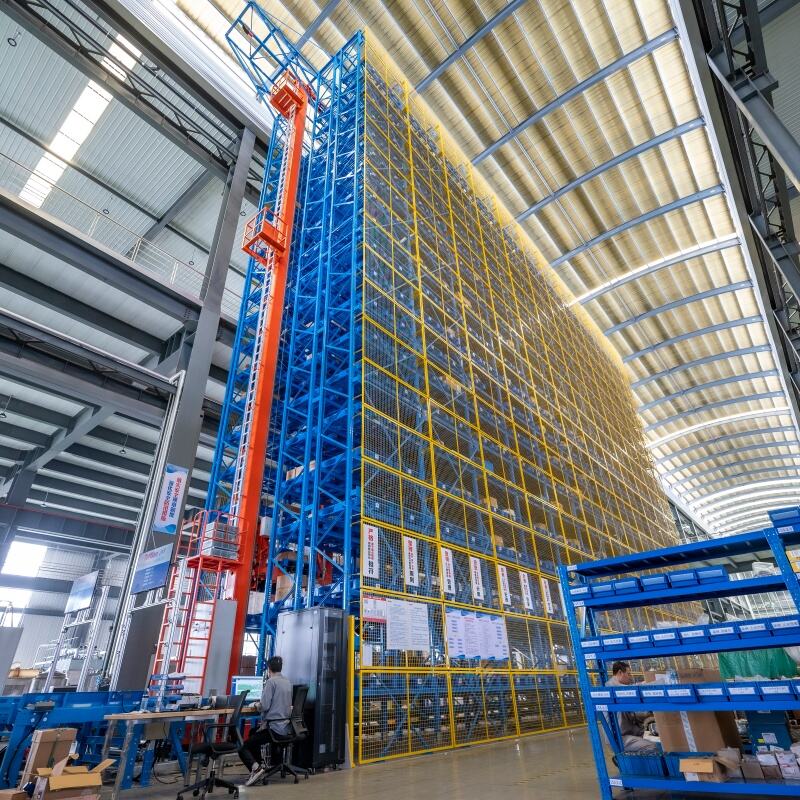
Automated Warehouse Storage System: Advanced Solutions for Modern Logistics and Inventory Management

All Categories

Get a Free Quote

Our representative will contact you soon.
Email
Name
Company Name
Message
0/1000

automated warehouse storage system

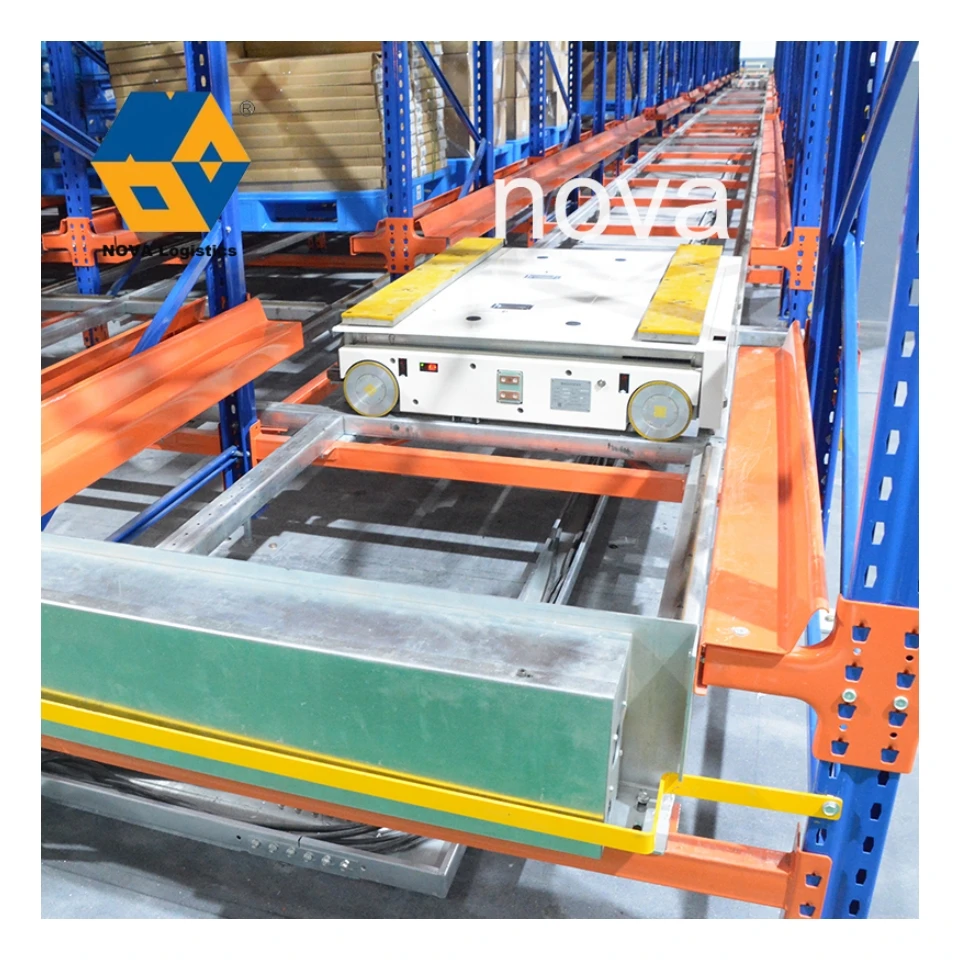
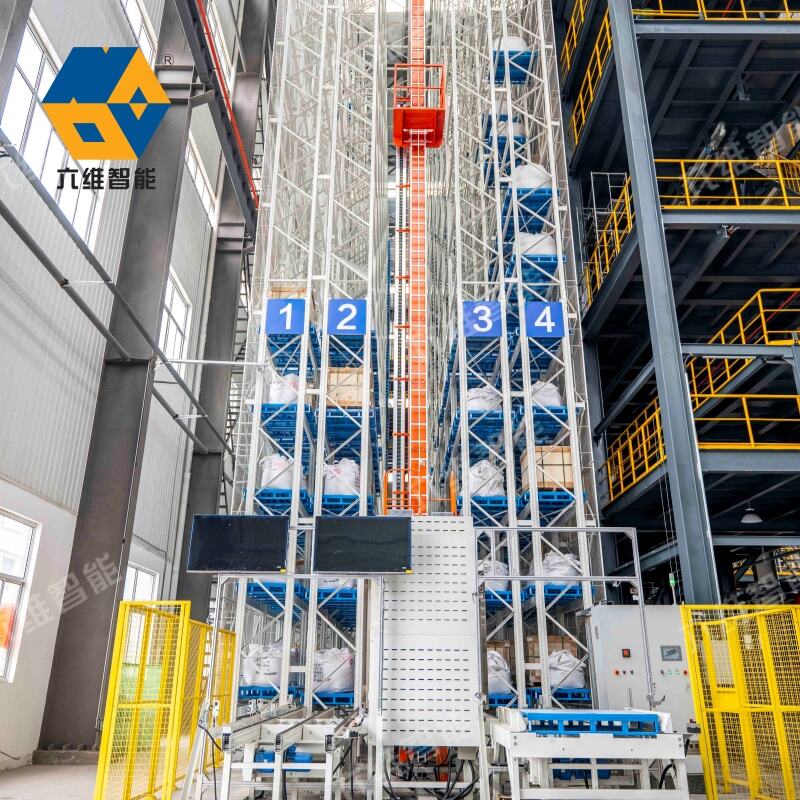
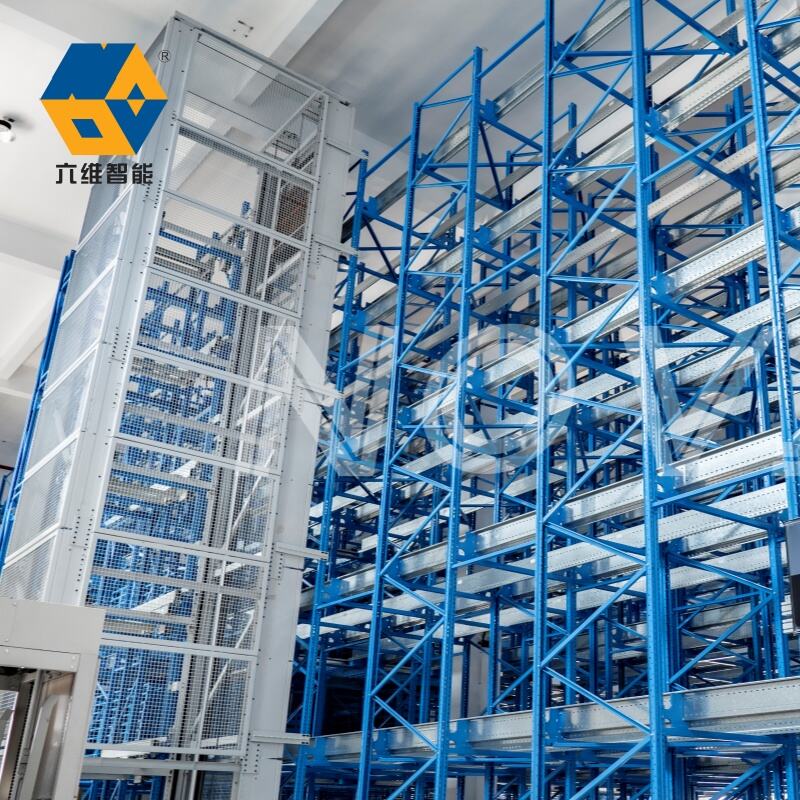
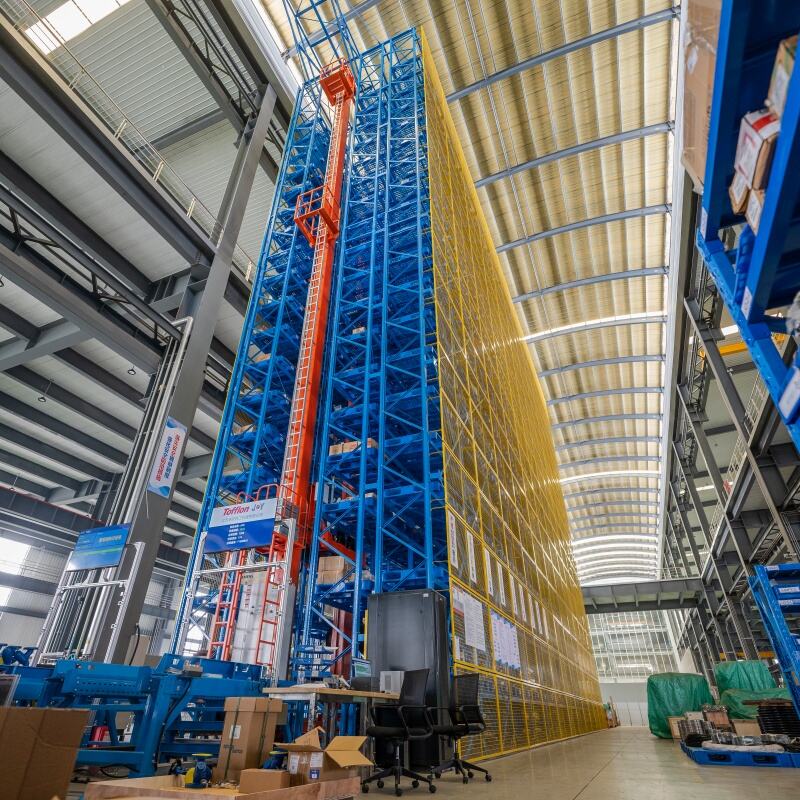
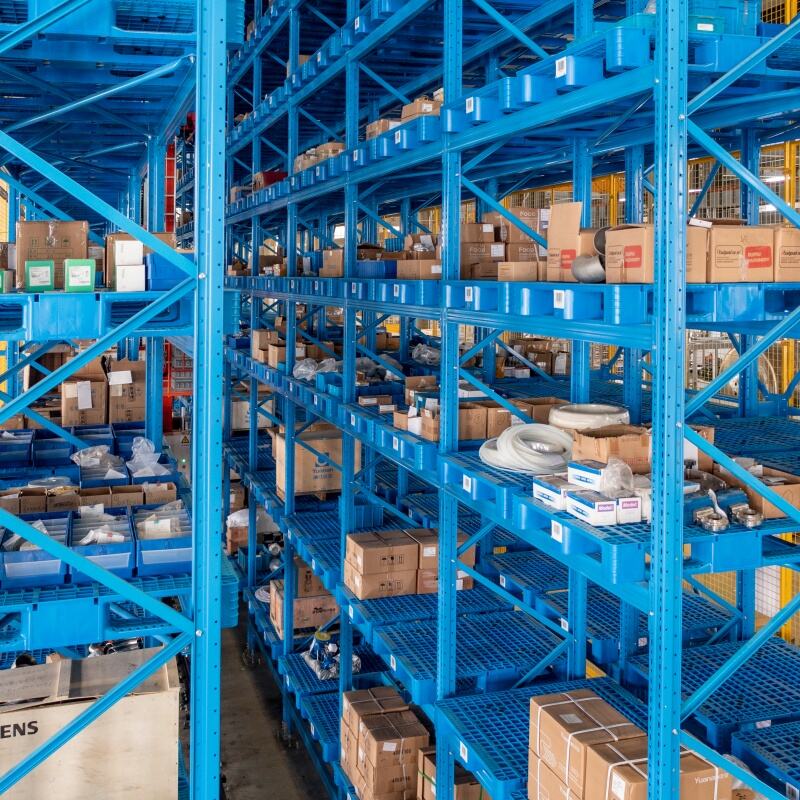
An automated warehouse storage system represents a cutting-edge solution that transforms traditional warehousing operations through intelligent technology and mechanical precision. This sophisticated infrastructure combines robotics, software management platforms, and sensor-driven equipment to create a seamless storage and retrieval environment. The automated warehouse storage system serves as the backbone of modern logistics, enabling businesses to manage inventory with unprecedented accuracy and speed. At its core, this system utilizes computer-controlled mechanisms that handle goods without constant human intervention, reducing manual labor while increasing operational throughput. The main functions encompass automatic storage and retrieval of products, real-time inventory tracking, intelligent space optimization, and systematic order fulfillment processes. Technological features include advanced conveyor networks, automated guided vehicles, robotic picking arms, vertical lift modules, and integrated warehouse management software that coordinates all activities. The system employs barcode scanning, RFID technology, and artificial intelligence algorithms to ensure precise item identification and location mapping. Applications span across diverse industries including e-commerce fulfillment centers, pharmaceutical distribution, automotive parts warehousing, food and beverage logistics, retail distribution networks, and manufacturing supply chains. The automated warehouse storage system adapts to varying operational scales, from compact facilities managing thousands of SKUs to massive distribution centers handling millions of items daily. Temperature-controlled environments benefit significantly from automation, ensuring consistent conditions for sensitive products. The technology supports just-in-time inventory strategies, enabling businesses to minimize holding costs while maintaining service levels. Integration capabilities allow the automated warehouse storage system to communicate with enterprise resource planning software, transportation management systems, and customer relationship platforms, creating a unified operational ecosystem that responds dynamically to market demands and business requirements.


New Products

The automated warehouse storage system delivers transformative benefits that directly impact your bottom line and operational capabilities. First and foremost, this technology dramatically increases your storage capacity by utilizing vertical space efficiently, often doubling or tripling storage density compared to traditional methods. You gain the ability to store more products in the same footprint, reducing real estate costs and maximizing facility utilization. Speed improvements are immediately noticeable as the automated warehouse storage system processes orders faster than manual operations, enabling same-day shipping and improved customer satisfaction. Your business achieves consistent accuracy rates exceeding 99.9 percent, virtually eliminating picking errors that damage customer relationships and create costly returns. Labor costs decrease substantially because fewer workers handle routine tasks, allowing you to redirect human resources toward value-added activities like quality control and customer service. The system operates continuously without breaks, fatigue, or shift changes, providing 24/7 productivity that matches modern consumer expectations for rapid delivery. Safety improvements protect your workforce by reducing physical strain, minimizing forklift accidents, and decreasing injury-related expenses and insurance premiums. Real-time visibility into inventory levels prevents stockouts and overstock situations, optimizing working capital and ensuring product availability. The automated warehouse storage system adapts quickly to seasonal demand fluctuations and business growth, scaling operations without proportional increases in staffing or facility expansion. Energy efficiency features reduce utility costs through optimized lighting, climate control in occupied zones only, and coordinated equipment operation. Your business gains competitive advantages through faster order processing, enabling shorter delivery windows that attract and retain customers. Data analytics capabilities provide insights into inventory turnover, order patterns, and operational bottlenecks, supporting informed decision-making and continuous improvement initiatives. The technology future-proofs your operations, positioning your business to adopt emerging innovations like artificial intelligence and machine learning enhancements. Return on investment typically materializes within three to five years through combined savings in labor, space, accuracy improvements, and increased throughput capacity that supports revenue growth without facility expansion.

Practical Tips

What Makes a Longspan Rack Ideal for Medium- to Heavy-Duty Storage?

13

Jan

What Makes a Longspan Rack Ideal for Medium- to Heavy-Duty Storage?

Modern warehouses and industrial facilities face increasing pressure to optimize storage capacity while maintaining efficient access to inventory. The longspan rack has emerged as a versatile solution that bridges the gap between light-duty shelving ...
View More
How Does a Warehouse Mezzanine Increase Storage Capacity Efficiently?

13

Jan

How Does a Warehouse Mezzanine Increase Storage Capacity Efficiently?

Modern warehouse operations face mounting pressure to maximize storage capacity without expanding their physical footprint. A warehouse mezzanine represents one of the most effective solutions for increasing storage density while maintaining operatio...
View More
How Does Automation Transform Storage and Retrieval Processes?

05

Feb

How Does Automation Transform Storage and Retrieval Processes?

Modern warehouses and distribution centers are experiencing a revolutionary transformation through advanced technology solutions that streamline operations and maximize efficiency. The implementation of sophisticated automated storage and retrieval s...
View More
How Can Automated Storage Systems Boost Supply Chain Performance?

05

Feb

How Can Automated Storage Systems Boost Supply Chain Performance?

Modern supply chains face unprecedented challenges in managing inventory, reducing costs, and maintaining operational efficiency. Companies worldwide are turning to advanced warehouse automation technologies to address these growing demands. An autom...
View More

Get a Free Quote

Our representative will contact you soon.
Email
Name
Company Name
Message
0/1000

automated warehouse storage system

Maximized Space Utilization Through Intelligent Vertical Storage

Maximized Space Utilization Through Intelligent Vertical Storage

The automated warehouse storage system revolutionizes how businesses approach facility space management by implementing intelligent vertical storage strategies that fundamentally change traditional warehousing economics. Unlike conventional storage methods that leave significant cubic footage unused, this technology exploits the full height of your building, often reaching 100 feet or more with specialized high-bay configurations. The system employs sophisticated algorithms that determine optimal product placement based on velocity, size, weight, and retrieval frequency, ensuring fast-moving items remain accessible while slower inventory occupies higher positions. This dynamic slotting capability means your storage configuration continuously adapts to changing business patterns without manual intervention or layout redesigns. Vertical lift modules and automated storage and retrieval systems create narrow aisles that maximize storage positions per square foot, sometimes increasing capacity by 300 percent compared to traditional pallet racking with forklift access requirements. The space savings translate directly into financial benefits through reduced facility costs, whether you avoid expensive warehouse expansion, downsize to smaller leased spaces, or accommodate business growth within existing infrastructure. Temperature-controlled environments particularly benefit from this density improvement, as refrigeration and climate control expenses correlate directly with cubic volume. The automated warehouse storage system enables businesses operating in high-rent urban locations to maintain proximity to customers without prohibitive real estate investments. Beyond pure capacity gains, intelligent storage reduces product damage by minimizing handling touchpoints and protecting goods in secure, enclosed compartments that shield inventory from environmental factors and accidental impacts. The technology supports diverse product types within a single facility, accommodating everything from small electronic components to bulky furniture pieces through configurable storage bins and adjustable shelving systems. Seasonal businesses leverage this flexibility by reconfiguring storage allocations as product mixes change throughout the year, maintaining operational efficiency regardless of inventory composition. The vertical approach also improves workplace conditions by eliminating high-reach manual tasks that pose injury risks, creating safer environments while simultaneously boosting productivity and reducing workers compensation claims.
Unparalleled Accuracy and Real-Time Inventory Visibility

Unparalleled Accuracy and Real-Time Inventory Visibility

The automated warehouse storage system establishes new standards for inventory accuracy and operational transparency through integrated tracking technologies that monitor every item from receiving to shipment. Traditional warehouses struggle with inventory discrepancies averaging 3 to 5 percent, creating significant financial impacts through write-offs, emergency replenishments, and lost sales from phantom inventory. In contrast, automation achieves accuracy levels consistently exceeding 99.9 percent by eliminating human error from routine transactions and maintaining continuous digital surveillance of stock movements. Barcode scanning and RFID technology automatically capture data at each interaction point, creating an unbroken chain of custody documentation that satisfies regulatory requirements and supports quality certifications. The system provides real-time visibility into exact inventory quantities, precise locations, and product status, accessible through web-based dashboards that stakeholders query from any device. This transparency transforms business operations by enabling confident commitments to customers, accurate financial reporting, and optimized purchasing decisions based on actual rather than estimated stock levels. The automated warehouse storage system tracks lot numbers, serial numbers, and expiration dates automatically, ensuring proper rotation for perishable goods and supporting recall capabilities that protect brand reputation. Cycle counting becomes dramatically more efficient as the system performs continuous verification during normal operations rather than requiring dedicated physical inventory events that disrupt productivity. Integration with enterprise software creates seamless information flow between warehouse operations, financial systems, and customer-facing platforms, ensuring consistency across all business functions. Predictive analytics leverage this accurate data to forecast demand patterns, identify slow-moving inventory before it becomes obsolete, and optimize reorder points that balance service levels against carrying costs. Your business gains the confidence to implement advanced strategies like vendor-managed inventory, consignment arrangements, and just-in-time delivery programs that require precise inventory knowledge. Customer service improves substantially when representatives access accurate, real-time information about product availability and order status, reducing inquiry resolution times and increasing satisfaction scores. The audit trail created by the automated warehouse storage system simplifies compliance verification for industries facing regulatory oversight, providing documentation that accelerates inspections and demonstrates operational controls.
Enhanced Productivity and Labor Optimization

Enhanced Productivity and Labor Optimization

The automated warehouse storage system fundamentally transforms workforce dynamics by eliminating repetitive physical tasks and redirecting human talent toward activities that leverage uniquely human capabilities like problem-solving, quality judgment, and customer interaction. Traditional warehouse operations require workers to walk extensive distances retrieving items, often covering 10 to 15 miles daily while manually locating products, creating physically demanding conditions that contribute to high turnover rates and recruitment challenges. Automation brings products directly to stationary workstations where employees perform value-added tasks like order verification, quality inspection, and specialized packaging, reducing fatigue and creating more desirable working conditions that improve retention. Productivity gains typically range from 200 to 400 percent as the automated warehouse storage system operates at consistent speeds unaffected by fatigue, distractions, or varying skill levels that characterize manual operations. The technology enables businesses to accomplish more work with fewer personnel, addressing labor shortages that challenge many markets while reducing exposure to minimum wage increases and benefits costs that pressure profitability. Rather than replacing workers entirely, successful implementations redeploy team members into supervisory roles, maintenance positions, and exception handling functions that require human judgment and decision-making capabilities. Training requirements shift from physical skills and warehouse geography memorization toward technical competencies in system operation, creating career development paths that appeal to younger workers seeking technology-oriented positions. The automated warehouse storage system supports flexible scheduling by maintaining productivity regardless of staffing levels, accommodating part-time workers and variable shift patterns that help employees balance work-life priorities. Peak season management becomes significantly simpler as the existing system absorbs volume increases that would traditionally require temporary worker hiring, onboarding, and supervision. Safety metrics improve dramatically as automation eliminates high-risk activities like operating forklifts in congested areas, reaching for elevated items, and repetitive lifting that causes musculoskeletal injuries accounting for substantial workers compensation expenses. The system creates detailed performance metrics that identify process bottlenecks and training opportunities, supporting continuous improvement initiatives that incrementally enhance operational efficiency. Businesses gain strategic flexibility by insulating operations from local labor market conditions, reducing vulnerability to workforce availability fluctuations that can constrain growth or threaten service commitments during tight employment periods.

Get a Free Quote

Our representative will contact you soon.
Email
Name
Company Name
Message
0/1000

Get a Free Quote

Our representative will contact you soon.
Email
Name
Company Name
Message
0/1000