ASRS in Warehouse: Complete Guide to Automated Storage and Retrieval Systems for Modern Facilities

All Categories

Get a Free Quote

Our representative will contact you soon.
Email
Name
Company Name
Message
0/1000

asrs in warehouse

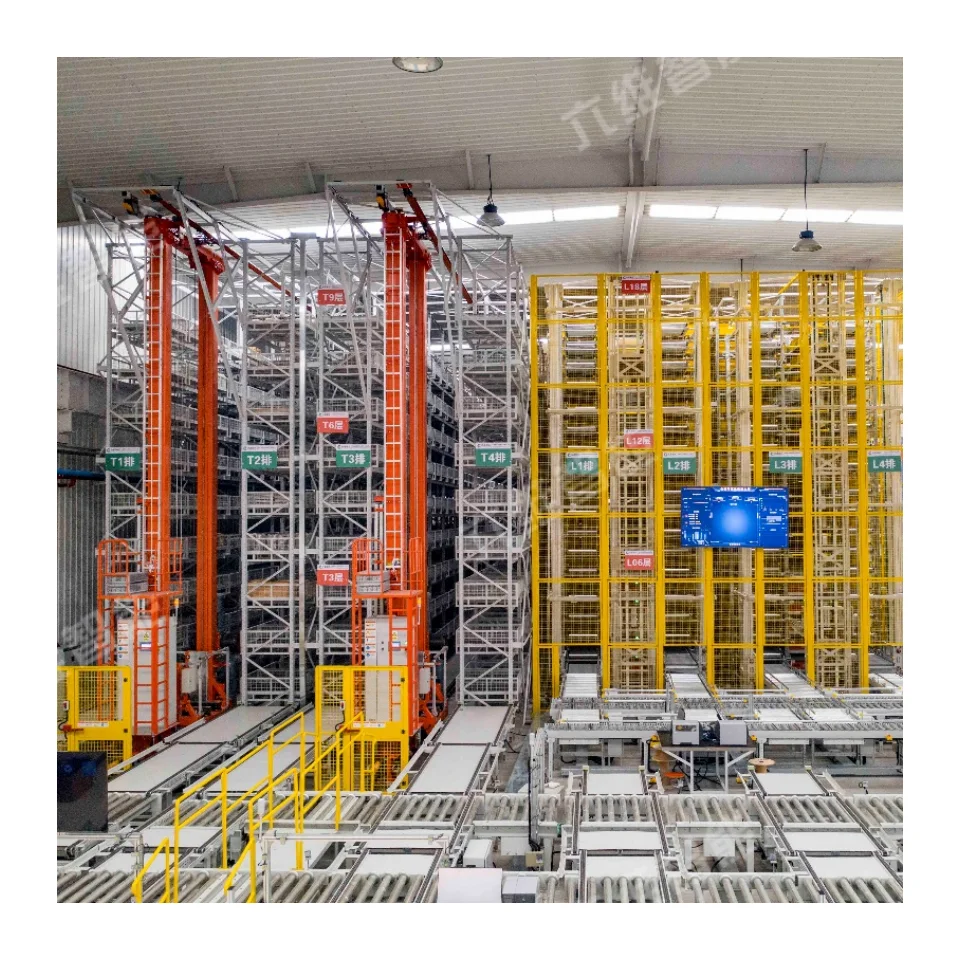
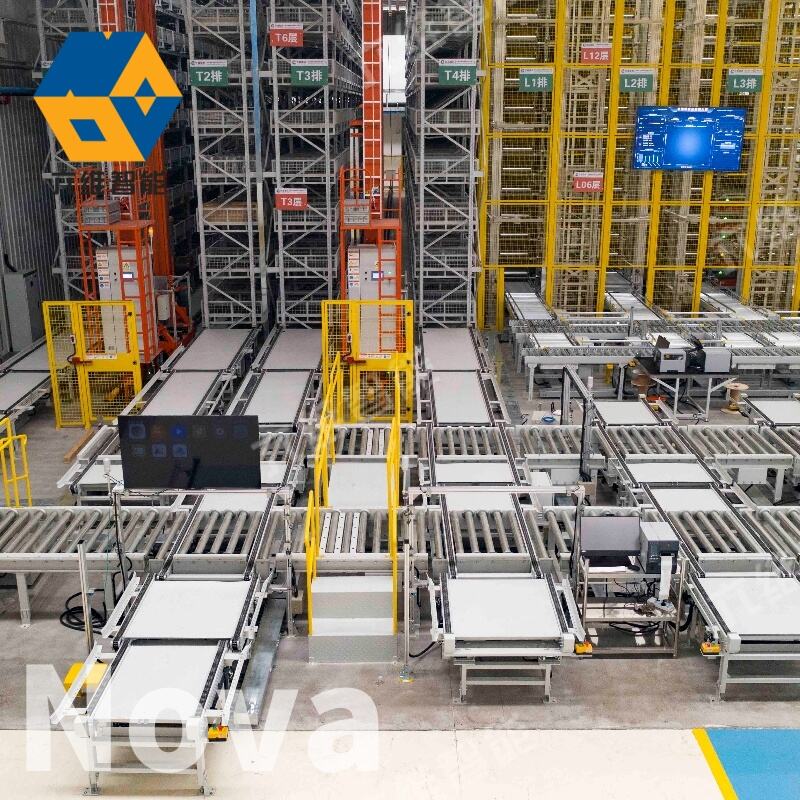
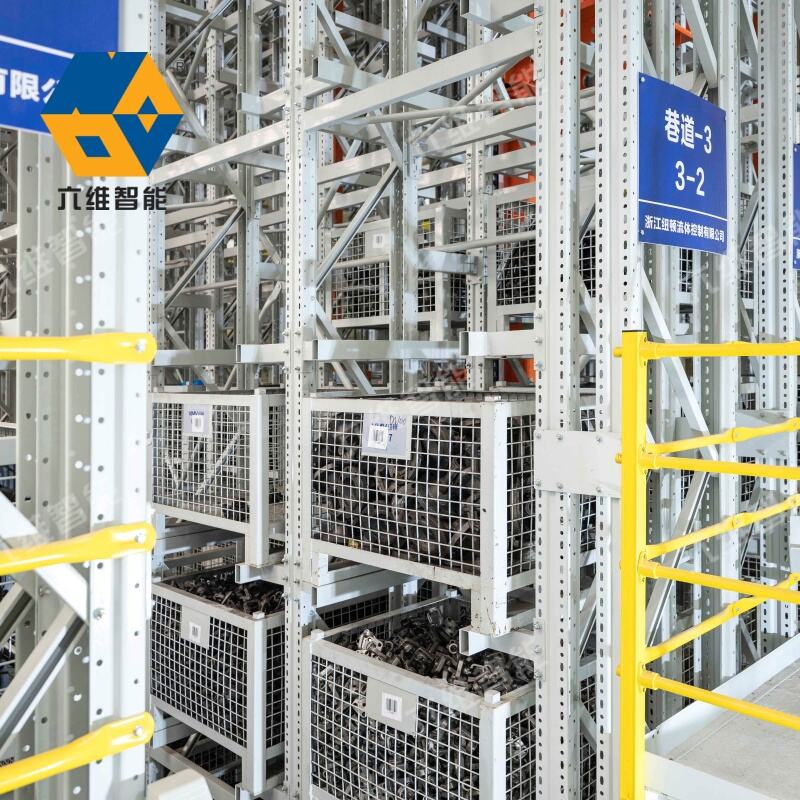
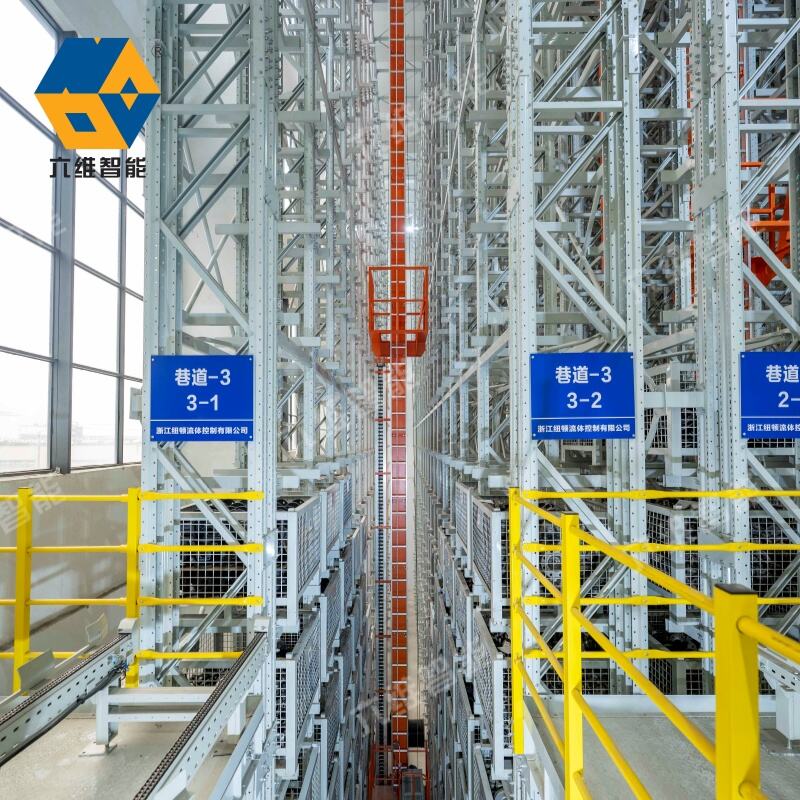
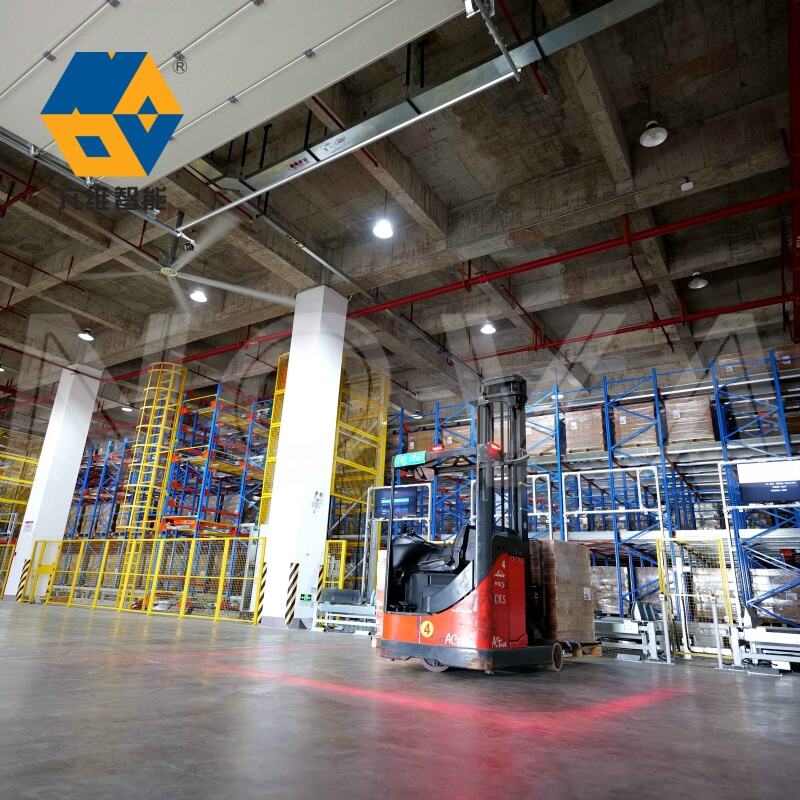
An ASRS in warehouse represents an automated storage and retrieval system that revolutionizes how modern facilities manage inventory and optimize space utilization. This sophisticated technology combines computer-controlled mechanisms with precision engineering to automatically place and retrieve items from designated storage locations without human intervention. The ASRS in warehouse operates through integrated software that communicates with hardware components including stacker cranes, conveyors, and storage racks to execute seamless material handling operations. The main functions of an ASRS in warehouse encompass receiving incoming goods, storing them in optimal locations based on programmed algorithms, retrieving specific items when orders are placed, and maintaining accurate real-time inventory tracking. The technological features of an ASRS in warehouse include advanced warehouse management systems that coordinate all activities, sensors and scanners for precise positioning, automated guided vehicles for horizontal movement, and vertical lift modules for maximizing ceiling height. These systems can be configured in various formats such as unit load systems for palletized goods, mini-load systems for smaller containers, or vertical lift modules for compact operations. Applications of an ASRS in warehouse span diverse industries including e-commerce fulfillment centers where rapid order processing is essential, pharmaceutical facilities requiring temperature-controlled storage and strict regulatory compliance, automotive manufacturing plants managing thousands of component parts, food and beverage distribution requiring first-in-first-out rotation, and retail operations seeking to optimize back-of-store inventory management. The ASRS in warehouse technology adapts to specific operational requirements through customizable configurations that address unique challenges faced by different sectors while maintaining core functionality of automated storage and precise retrieval capabilities.

New Products

Implementing an ASRS in warehouse delivers transformative benefits that directly impact your bottom line and operational efficiency. First and foremost, space optimization stands as a primary advantage, with these systems utilizing vertical height up to 100 feet or more, effectively tripling or quadrupling storage capacity compared to traditional warehousing methods without requiring facility expansion. Your real estate costs decrease significantly when the same inventory fits into a smaller footprint, making an ASRS in warehouse particularly valuable in areas where land and building expenses run high. Labor cost reduction represents another substantial benefit, as the ASRS in warehouse eliminates the need for workers to walk aisles, climb ladders, or operate forklifts for routine storage and retrieval tasks. Your team can focus on value-added activities like quality control, customer service, and process improvement rather than repetitive material handling. Accuracy improvements dramatically reduce costly errors, with ASRS in warehouse systems achieving inventory accuracy rates exceeding 99.9 percent compared to 85-95 percent with manual operations. This precision means fewer misdirected shipments, reduced customer complaints, and elimination of expensive rush orders to replace incorrectly shipped items. Speed and throughput increase substantially as the ASRS in warehouse operates continuously without breaks, fatigue, or slowdowns, processing hundreds of transactions per hour with consistent performance. Your order fulfillment times shrink from hours to minutes, enabling same-day shipping capabilities that customers increasingly expect. Safety enhancement protects your workforce by removing people from potentially dangerous environments involving heavy loads, high shelving, and forklift traffic, resulting in fewer workplace injuries and lower insurance premiums. The ASRS in warehouse maintains optimal environmental conditions for sensitive products through sealed storage areas with controlled temperature and humidity, reducing spoilage and waste. Energy efficiency improves because automated systems require less lighting in storage zones and generate less heat than combustion-powered equipment. Your facility gains operational flexibility as the ASRS in warehouse easily scales by adding modules or adjusting software parameters rather than requiring complete redesign. Long-term return on investment typically materializes within three to five years through cumulative savings in labor, space, damage prevention, and productivity gains, making the ASRS in warehouse a financially sound strategic decision for forward-thinking operations.

Latest News

Which Pallet Rack Designs Fit Different Warehouse Applications Best?

20

May

Which Pallet Rack Designs Fit Different Warehouse Applications Best?

Selecting the right pallet rack design is one of the most consequential decisions a warehouse manager or logistics planner can make. The wrong configuration leads to wasted vertical space, inefficient picking workflows, and even serious safety risks....
View More
How Does a Rack System Support Better Warehouse Safety Standards?

20

May

How Does a Rack System Support Better Warehouse Safety Standards?

Warehouse safety is a critical operational priority for any facility that handles significant volumes of inventory, equipment, or materials. At the center of most modern warehouse safety strategies is the rack system — a structural solution that orga...
View More
What Makes a Longspan Rack Ideal for Medium- to Heavy-Duty Storage?

13

Jan

What Makes a Longspan Rack Ideal for Medium- to Heavy-Duty Storage?

Modern warehouses and industrial facilities face increasing pressure to optimize storage capacity while maintaining efficient access to inventory. The longspan rack has emerged as a versatile solution that bridges the gap between light-duty shelving ...
View More
How to Optimize Warehouse Space with Heavy Duty Pallet Racks?

16

Mar

How to Optimize Warehouse Space with Heavy Duty Pallet Racks?

Warehouse space optimization has become a critical concern for businesses seeking to maximize storage capacity while minimizing operational costs. The implementation of proper storage solutions can dramatically transform warehouse efficiency, with he...
View More

Get a Free Quote

Our representative will contact you soon.
Email
Name
Company Name
Message
0/1000

asrs in warehouse

Unprecedented Space Efficiency Through Vertical Integration

Unprecedented Space Efficiency Through Vertical Integration

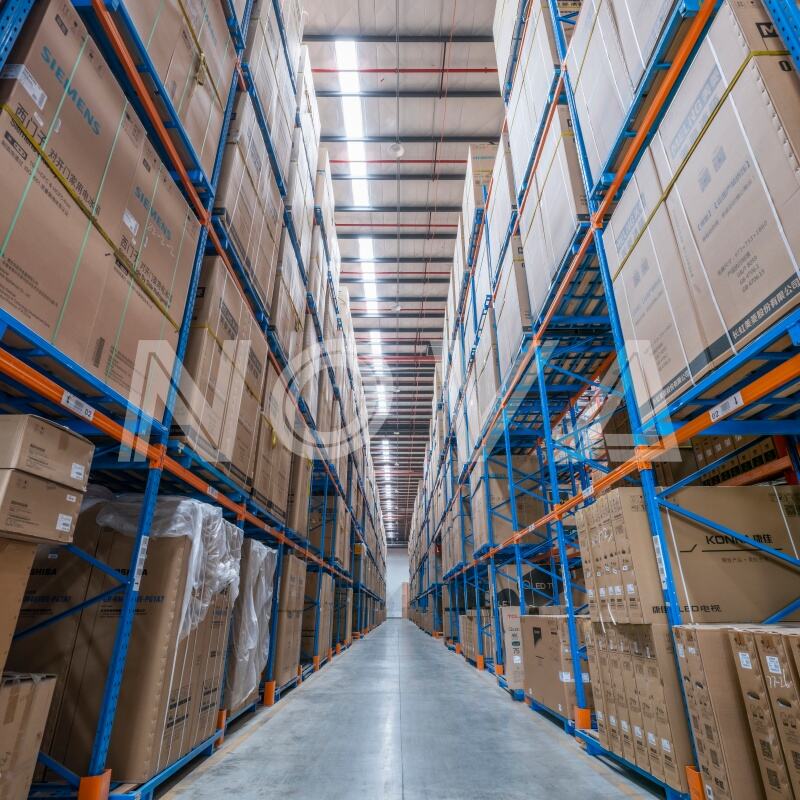
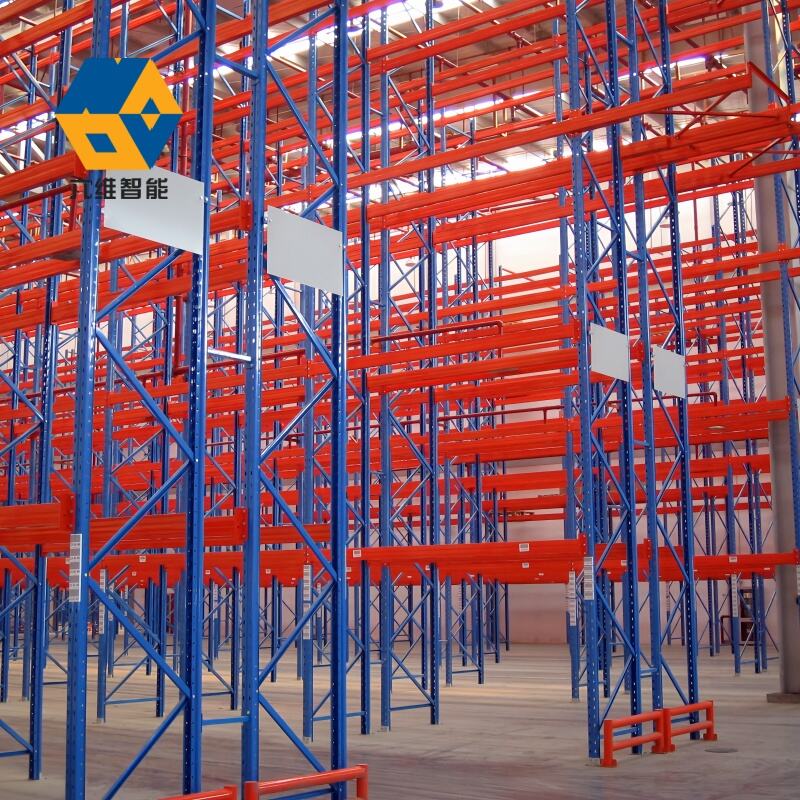
The ASRS in warehouse revolutionizes spatial utilization by exploiting the often-underutilized vertical dimension of your facility. Traditional warehousing with manual operations or forklift access typically reaches only 20 to 30 feet high due to safety constraints and equipment limitations, leaving valuable cubic space wasted. In contrast, an ASRS in warehouse can efficiently operate at heights reaching 100 feet or more, effectively transforming the same floor space into a multi-story storage environment without the structural complexity and cost of building actual floors. This vertical integration capability means you can store three to four times more inventory within your existing building envelope, eliminating or postponing expensive facility expansion projects that disrupt operations and drain capital resources. The narrow aisle configuration of an ASRS in warehouse further maximizes density, with aisles as narrow as five feet compared to the 10-15 feet required for forklift operations, reclaiming thousands of square feet for productive storage rather than empty travel lanes. The system intelligently positions items based on velocity and retrieval patterns, placing fast-moving products in easily accessible locations while storing slower items in higher or deeper positions, optimizing both storage density and operational speed simultaneously. For businesses operating in urban centers or regions with high real estate costs, this space efficiency translates directly into substantial financial savings, as avoiding a facility expansion costing millions of dollars provides immediate return on the ASRS in warehouse investment. Climate-controlled environments benefit particularly from this compact footprint since heating, cooling, and dehumidifying a smaller enclosed space consumes significantly less energy, reducing ongoing operational expenses while maintaining product integrity. The ASRS in warehouse allows strategic inventory positioning that supports business objectives, such as segregating hazardous materials, maintaining proper product rotation for perishables, or creating dedicated zones for different clients in third-party logistics operations, all within an organized and space-efficient framework that adapts as your business needs evolve.
Dramatic Reduction in Labor Costs and Dependencies

Dramatic Reduction in Labor Costs and Dependencies

Labor expenses typically represent the largest operational cost category in traditional warehouse environments, and the ASRS in warehouse addresses this challenge through comprehensive automation that fundamentally restructures workforce requirements. Manual picking operations demand substantial staffing levels, with workers spending up to 60 percent of their time simply traveling between storage locations, searching for items, and moving products rather than performing value-generating activities. The ASRS in warehouse eliminates this inefficiency by bringing items directly to stationary picking stations where operators remain in ergonomically optimized positions, drastically reducing the number of personnel needed for equivalent throughput. A facility that previously required 30 workers across multiple shifts for storage and retrieval operations might accomplish the same volume with just 6-8 operators managing the ASRS in warehouse interfaces and handling exceptions, creating immediate and recurring savings that compound annually. Beyond direct wage savings, the ASRS in warehouse reduces associated labor costs including health insurance, retirement contributions, payroll taxes, training expenses, and turnover-related recruiting costs that burden conventional operations. The chronic labor shortage affecting logistics industries makes the ASRS in warehouse increasingly strategic, as companies struggle to find, train, and retain qualified warehouse workers willing to perform physically demanding repetitive tasks in varying temperature conditions. Automation through ASRS in warehouse implementation insulates your operation from labor market volatility, union negotiations, seasonal staffing challenges, and the geographical limitations of locating facilities only where adequate workforce availability exists. The remaining workforce transitions to higher-skilled positions managing technology, analyzing data, optimizing processes, and focusing on customer relationships, creating more satisfying careers with better retention rates and reduced recruitment costs. Night and weekend operations become economically viable with an ASRS in warehouse since the system operates continuously without premium shift differentials, overtime payments, or the supervision challenges that accompany round-the-clock manual operations. During peak seasons, the ASRS in warehouse scales throughput through extended operating hours and software optimization rather than the expensive and disruptive process of hiring, training, and then laying off temporary workers, providing operational flexibility with cost predictability that supports better financial planning and competitive pricing strategies.
Enhanced Accuracy and Inventory Control Precision

Enhanced Accuracy and Inventory Control Precision

Inventory accuracy represents a critical success factor that directly impacts customer satisfaction, operational efficiency, and financial performance, areas where the ASRS in warehouse delivers transformative improvements over manual processes. Traditional warehouse operations typically achieve inventory accuracy rates between 85-95 percent despite cycle counting programs and dedicated personnel, with human error, mispicks, lost items, and data entry mistakes creating persistent discrepancies between physical inventory and system records. The ASRS in warehouse elevates accuracy to 99.9 percent or higher through systematic processes that eliminate common error sources, with barcode scanning, RFID technology, and dimensional verification confirming item identity and location at every transaction point. This precision means your customers receive exactly what they ordered, when promised, without the costly corrections, rush shipments, and relationship damage that accompany fulfillment errors. Financial benefits extend beyond customer satisfaction, as accurate inventory enables optimal purchasing decisions, prevents both stockouts that lose sales and overstock situations that tie up capital in excess inventory carrying costs. The ASRS in warehouse maintains perfect traceability with complete transaction history documenting exactly when items entered storage, their specific locations throughout their facility tenure, and precise retrieval timestamps, creating audit trails that satisfy regulatory requirements in pharmaceutical, medical device, aerospace, and food industries where product recalls demand immediate identification of affected batches and their destinations. Real-time inventory visibility provided by the ASRS in warehouse supports advanced business practices including just-in-time manufacturing, drop-shipping arrangements, and consignment inventory programs that require absolute confidence in stock levels and locations. Cycle counting becomes dramatically simplified since the ASRS in warehouse automatically verifies inventory during routine operations, continuously validating system records against physical presence without dedicated counting teams disrupting operations or closing sections of the facility. Shrinkage from theft, damage, and misplacement virtually disappears within the controlled environment of an ASRS in warehouse, as the secured automated storage area restricts unauthorized access while systematic handling protocols prevent the rough treatment and environmental exposure that damage products in conventional settings. The financial impact of moving from 90 percent to 99.9 percent accuracy may seem modest in percentage terms but translates to eliminating nine out of ten errors, representing millions of dollars in prevented costs for medium and large operations, making the ASRS in warehouse investment justifiable on accuracy improvement alone before considering additional benefits.

Get a Free Quote

Our representative will contact you soon.
Email
Name
Company Name
Message
0/1000

Get a Free Quote

Our representative will contact you soon.
Email
Name
Company Name
Message
0/1000